Is your outdoor furniture looking worn out or damaged? Don’t rush to replace it just yet.
You can bring new life to your favorite pieces by learning how to reweave outdoor furniture yourself. Imagine sitting back on a beautifully restored chair that feels sturdy and fresh, all thanks to your own effort. In this guide, you’ll discover simple, step-by-step methods to fix and reweave your furniture, saving money and adding a personal touch to your outdoor space.
Ready to transform your worn-out furniture into something stunning? Let’s dive in!
Tools And Materials Needed
Reweaving outdoor furniture needs the right tools and materials. These supplies help you fix your furniture quickly and neatly. Without proper tools, the work can become hard and frustrating. Choosing the right materials makes your furniture last longer in all weather.
Essential Supplies
Start with basic tools like scissors and pliers. A flathead screwdriver helps remove old weaving. Needle-nose pliers pull tight strands easily. A measuring tape ensures accurate cuts. You also need a strong, sharp utility knife. Gloves protect your hands during the process. Have a clean workspace to avoid losing small parts.
Choosing The Right Material
Select weaving material that fits your furniture style. Synthetic rattan is durable and weather-resistant. It holds up well against rain and sun. Natural fibers like wicker look good but need more care. Vinyl or plastic strips offer flexibility and strength. Match color and texture to keep the look consistent. Pick materials that are easy to weave and clean.

Credit: sageuae.com
Preparing The Furniture
Preparing your outdoor furniture is the first step to successful reweaving. This stage helps you see the condition of the furniture. It also makes sure the new weaving lasts longer and looks better.
Cleaning And Inspecting
Start by cleaning the furniture thoroughly. Use a soft brush to remove dust and dirt. A mild soap with water works well for cleaning. Let the furniture dry completely before moving on.
Next, check the frame for damage. Look for cracks, loose joints, or rust. Fix any problems before you start reweaving. This prevents future issues and keeps the furniture strong.
Removing Old Weaving
Carefully remove the old weaving material. Use scissors or a utility knife for cutting. Take your time to avoid damaging the frame. Remove all old strands to create a clean surface.
Dispose of the old weaving properly. This clears your workspace and makes it easier to work. After removal, wipe down the frame again. This removes any leftover dirt or debris.
Basic Weaving Techniques
Basic weaving techniques form the foundation for reweaving outdoor furniture. These simple skills help repair and refresh your chairs, tables, or loungers. Understanding these techniques saves money and extends the life of your furniture.
Weaving involves threading material through the furniture frame to create a sturdy surface. The right technique ensures durability and a neat finish. Learning these basics makes the process easier and more enjoyable.
Starting The Weave
Begin by choosing the correct weaving material. Common options include rattan, cane, or synthetic fibers. Cut strips long enough to cover the area plus extra for tying.
Secure one end of the strip to the frame with a knot or staple. Pull the strip tight but not too tight to avoid warping the frame. Work from one side to the other, keeping the material flat.
Keep spacing even between strips. This balance improves both strength and appearance. Repeat until the area is fully covered, then tie off the end firmly.
Common Patterns
Basic patterns include the simple over-under weave and the diagonal weave. The over-under pattern is easy and strong. Pass the strip over one frame bar, then under the next. Repeat this pattern along the row.
The diagonal weave adds a decorative touch. Weave strips at an angle, crossing over each other. This pattern increases support and looks attractive.
Choose a pattern that suits your furniture style and your skill level. Practicing these patterns improves speed and quality over time.

Credit: rattanyard.com
Step-by-step Reweaving Process
Reweaving outdoor furniture can bring new life to your favorite pieces. The process is simple and rewarding. Follow these clear steps to repair and refresh your furniture with ease. Take your time and enjoy the craft.
Securing The Base
Start by cleaning the furniture frame well. Remove old, broken strands carefully. Check the frame for any damage or loose parts. Tighten screws or nails to stabilize the base. Secure the starting point of the new strands firmly. Use strong knots or fasteners to hold them in place.
Weaving The Strands
Cut new weaving strands to the right length. Choose materials that match your furniture style. Begin weaving by crossing strands over and under the frame. Keep the strands tight to avoid sagging. Work evenly across the surface for a balanced look. Repeat the pattern until the area is fully covered.
Finishing Touches
Tuck in loose ends neatly under woven strands. Trim any excess material for a clean finish. Apply a protective coating to extend the weave’s life. Let the furniture dry completely before use. Check the weave for any weak spots and reinforce as needed. Your furniture looks refreshed and ready for use.
Tips For Durable Results
Reweaving outdoor furniture takes time and care. Following simple tips helps your work last longer. Focus on two main areas for durable results. First, keep the tension right while weaving. Second, protect your furniture from weather damage. These steps ensure your furniture stays strong and good-looking.
Maintaining Tension
Keep the weaving tight but not too tight. Too much tension can break the fibers over time. Too loose, and the weave will sag or shift. Pull each strand evenly to avoid weak spots. Check tension regularly while working. Adjust as needed to keep the weave firm and neat.
Protecting The Furniture
Cover your furniture when not in use. Sun, rain, and dust can damage the weaving. Use waterproof covers or store furniture indoors during bad weather. Clean the weave gently with a soft brush or cloth. Avoid harsh chemicals that weaken the material. Proper care extends the life of your reweaving job.
Troubleshooting Common Issues
Outdoor furniture often faces wear and tear. This can cause issues in the weaving. Troubleshooting common problems helps keep furniture strong and attractive. Simple fixes can extend the life of your pieces.
Fixing Loose Strands
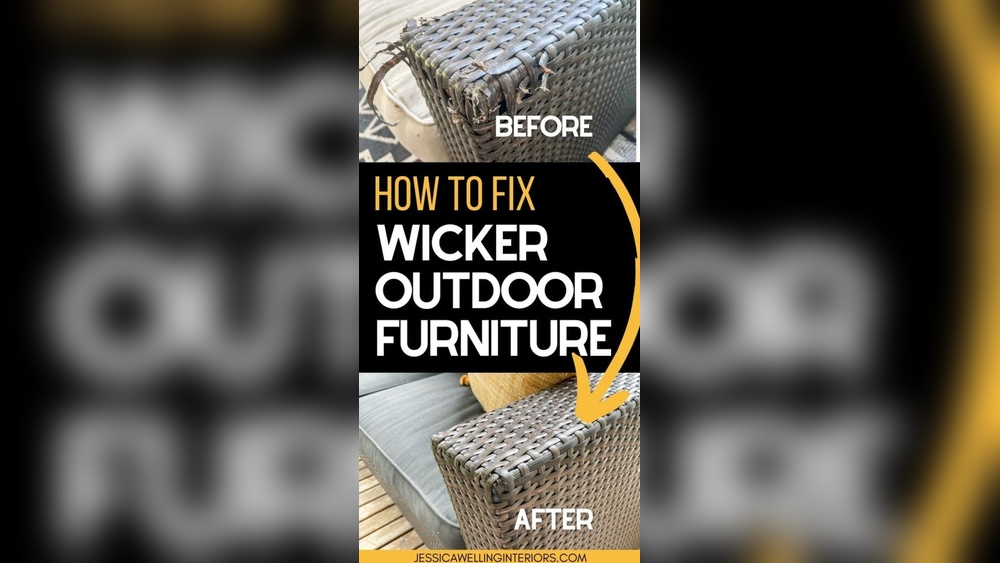
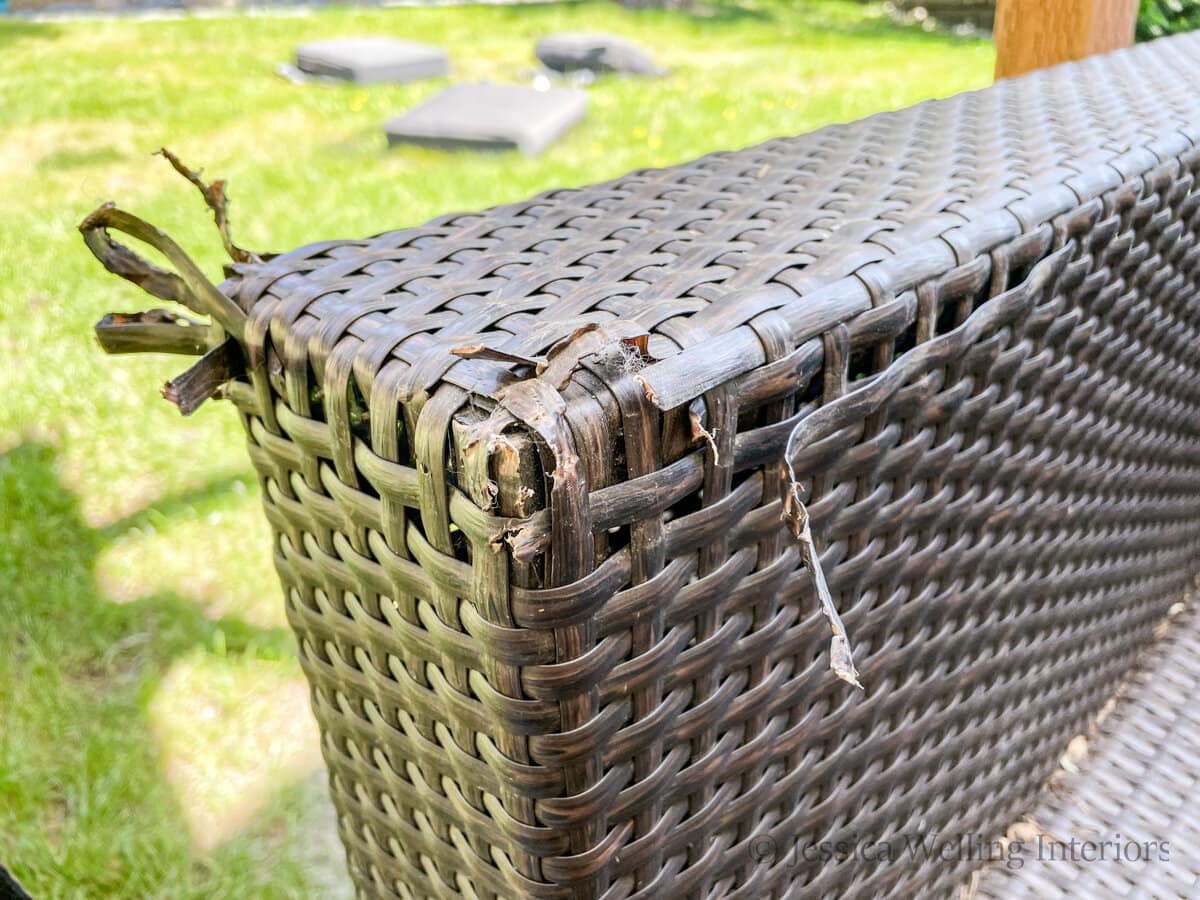
Loose strands weaken the furniture’s structure. Start by tightening the strands gently. Use a needle or small tool to pull strands back into place. Secure the ends with glue or knotting. This stops further unraveling and keeps the weave tight.
Repairing Breaks
Breaks in the weave need quick attention. Cut away frayed ends carefully. Replace the broken strand with new material of the same type. Weave the new strand following the original pattern. Secure both ends to prevent slipping. This repair restores strength and appearance.
Credit: jessicawellinginteriors.com
Frequently Asked Questions
How Do I Start Reweaving Outdoor Furniture?
Begin by removing damaged strands carefully. Clean the frame thoroughly. Choose matching weaving material. Follow the original pattern tightly for durability and appearance.
What Materials Are Best For Outdoor Furniture Reweaving?
Use synthetic fibers like resin wicker or polyethylene. These resist weather, UV rays, and moisture. Avoid natural fibers as they degrade quickly outdoors.
How Long Does It Take To Reweave Outdoor Furniture?
Reweaving typically takes 2 to 6 hours, depending on furniture size and complexity. Patience ensures neat and lasting results.
Can I Reweave Outdoor Furniture Myself?
Yes, with basic tools and patience. Follow step-by-step guides or videos. DIY reweaving saves money and restores furniture effectively.
Conclusion
Reweaving outdoor furniture takes patience and care. Use the right tools and materials for best results. Work slowly to keep the weave tight and even. Regular maintenance can keep your furniture strong and looking good. Enjoy your refreshed outdoor space longer with simple repairs.
Small efforts bring big improvements. Try it yourself and see the difference.