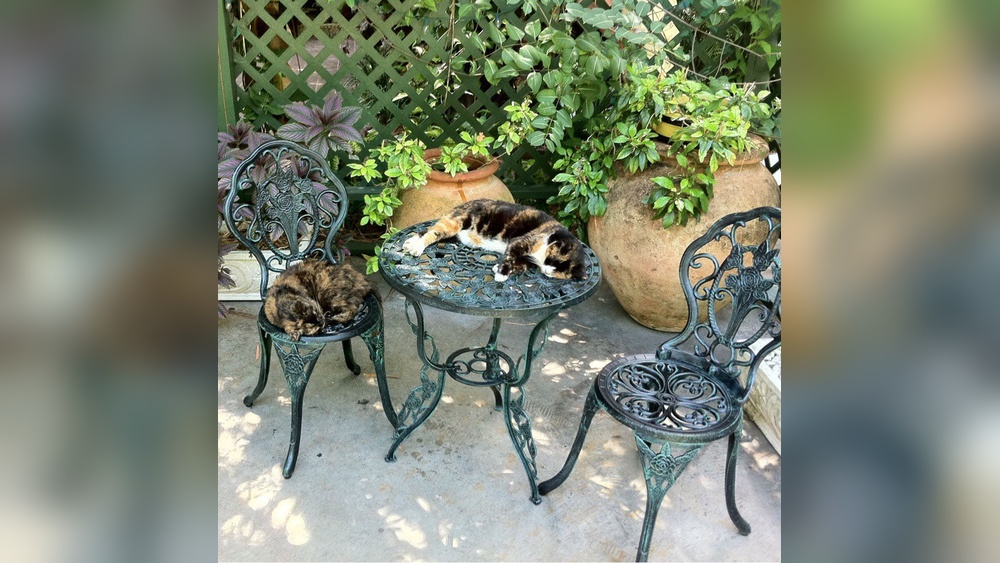
Are you tired of finding your outdoor furniture scratched, dirty, or covered in cat hair every morning? If you share your yard with curious cats, you know how frustrating it can be to keep them off your favorite spots at night.
But what if you could protect your furniture without harming the cats or using harsh chemicals? You’ll discover simple, effective ways to keep cats off your outdoor furniture after dark—so you can enjoy a clean, comfy space whenever you want.
Keep reading, because these easy tips will save you time, stress, and money!
Reasons Cats Target Outdoor Furniture
Cats often choose outdoor furniture as their favorite spot at night. Understanding why they do this helps in keeping them away. Cats have natural instincts that drive their behavior. These instincts make outdoor furniture very appealing for them. Let’s explore the main reasons cats target outdoor furniture.
Attraction To Comfortable Spots
Outdoor furniture offers soft cushions and cozy places. Cats love comfort and warmth. The fabric holds heat from the sun during the day. This warmth stays even after sunset. Cats find these spots perfect for resting. They prefer furniture over cold ground or hard surfaces.
Scent Marking Behavior
Cats mark their territory by rubbing or scratching surfaces. Outdoor furniture is a common place for this. They leave their scent to claim ownership. This behavior helps cats feel safe and secure. It also warns other animals to stay away. The furniture becomes a scent marker for the cat.
Seeking Shelter And Warmth
Nighttime can be cold and windy outside. Outdoor furniture provides some shelter from the elements. The structure blocks wind and offers cover. Cats use these spots to stay warm and protected. Furniture cushions trap heat, making it inviting. Shelter and warmth are strong reasons for cats’ choice.
Physical Barriers To Deter Cats
Physical barriers work well to keep cats off outdoor furniture at night. These barriers block cats from jumping or climbing on your furniture. They create a space cats avoid because it feels uncomfortable or unsafe. Using simple tools and materials, you can protect your furniture from scratches and dirt. These methods are safe for cats and easy to set up.
Using Covers And Tarps
Covers and tarps create a smooth surface that cats dislike. Cats prefer rough or soft areas to rest. A plastic tarp or waterproof cover feels slippery and strange to their paws. Secure the cover tightly to avoid flapping in the wind. This method protects your furniture from weather and cats at the same time.
Installing Furniture Guards
Furniture guards are plastic or metal strips placed on edges. These guards make it hard for cats to climb or scratch. They come in different shapes and sizes to fit all furniture types. Guards do not harm cats but stop them from jumping up. Installing guards is quick and keeps your furniture safe all night.
Employing Motion-activated Sprinklers
Motion-activated sprinklers spray water when they sense movement. Cats dislike sudden water bursts and will stay away. These sprinklers cover a wide area, including your furniture space. They use little water and turn off automatically. This tool protects furniture and gently deters cats without harm.
Scent-based Deterrents
Scent-based deterrents help keep cats away from outdoor furniture at night. Cats have strong noses and dislike certain smells. Using these scents can protect your furniture without harm. These methods are safe and easy to apply around your home.
Natural Repellents Cats Dislike
Cats avoid smells like citrus, vinegar, and coffee grounds. Sprinkling these near your furniture can keep cats away. Orange or lemon peels work well too. These natural options are safe for pets and the environment.
Commercial Cat Repellent Sprays
Many stores sell sprays designed to repel cats. These sprays use smells cats dislike but humans find mild. Spray around furniture legs and cushions at night. Reapply after rain or cleaning for best results.
Planting Cat-repelling Herbs
Some herbs naturally keep cats away. Rue, lavender, and rosemary have scents cats avoid. Plant these near your outdoor furniture or in pots. They add beauty and protect your space at the same time.

Credit: jardina.com
Environmental Adjustments
Making changes to your outdoor environment helps keep cats off furniture at night. Cats avoid spaces that feel unsafe or uncomfortable. Small adjustments can make your furniture less attractive to them. These changes guide cats to better spots away from your seating areas.
Removing Attractants Near Furniture
Clear food bowls and scraps from near your outdoor furniture. Cats come to places where they find easy food. Remove plants that attract cats, such as catnip or certain herbs. Keep the area clean and free of trash. This lowers the chance of cats visiting your furniture.
Providing Alternative Cat Spaces
Create special areas just for cats in your yard. Use soft bedding or cushions in quiet corners. Cats like safe, warm places to rest outside. These spots help distract cats from your furniture. Place these cat zones away from your main seating areas.
Enhancing Outdoor Lighting
Bright lights can stop cats from coming near furniture. Cats prefer dark and hidden places at night. Use motion-activated lights near your outdoor seating. The sudden light startles cats and keeps them away. Lighting also makes your yard safer and more inviting for people.
Behavioral Approaches
Behavioral approaches help change how cats act around outdoor furniture at night. These methods focus on training and creating conditions that cats do not like. They guide cats away without harm or stress. Understanding cat behavior is key to success. Cats respond well to consistent signals and gentle corrections.
Training And Conditioning Cats
Training cats to avoid outdoor furniture takes patience. Use a firm voice and gentle gestures to say “no.” Reward cats with treats when they stay off furniture. Create a routine that teaches them to keep distance. Repeating this helps cats learn faster. Avoid yelling or punishment, as it may scare cats.
Using Noise Deterrents
Noises can stop cats from climbing on furniture. Use sound devices that make sudden, soft sounds. Clapping hands or shaking a can with coins works well. These noises surprise cats and make them leave. Keep sounds short and not too loud to avoid stress. Noise deterrents remind cats that furniture is off limits.
Collaborating With Neighbors
Work with neighbors to keep cats off outdoor furniture. Share tips and agree on ways to deter cats. Neighbors can help by not leaving food outside. They can also use similar training methods. A shared effort keeps cats away from all yards. This makes outdoor furniture safer and cleaner for everyone.

Credit: jardina.com
Maintaining Furniture Condition
Maintaining the condition of your outdoor furniture is key to keeping cats away at night. Cats often return to places that smell familiar. Cleaning and protecting your furniture helps reduce these scents. It also keeps your furniture looking nice and lasting longer.
Regular Cleaning To Remove Scents
Clean your outdoor furniture regularly to remove any cat scents. Use mild soap and water to wash surfaces. Wipe cushions and fabric areas with a gentle cleaner. This stops cats from smelling their own marks. It makes your furniture less attractive for them to return.
Protecting Furniture Materials
Cover your furniture with waterproof covers at night. Covers protect materials from scratches and dirt. Use covers made of tough, smooth fabric that cats dislike. You can also apply pet-safe repellents on furniture legs. These steps keep your furniture safe and less inviting to cats.
Scheduling Nighttime Furniture Use
Use your outdoor furniture before nightfall. Cats avoid busy areas and human activity. Bringing cushions inside after use also helps. This reduces the chance for cats to settle on your furniture overnight. A clear routine can protect your furniture from unwanted visitors.

Credit: www.polywood.com
Frequently Asked Questions
How Can I Stop Cats From Scratching Outdoor Furniture?
Use cat deterrent sprays or cover furniture with plastic sheets. Cats dislike sticky or slippery surfaces. Regularly clean the area to remove scents that attract cats.
What Natural Repellents Keep Cats Off Furniture?
Citrus peels, coffee grounds, and vinegar sprays repel cats naturally. These scents are unpleasant to cats and help keep them away from outdoor furniture.
Does Motion-activated Lighting Deter Cats At Night?
Yes, motion-activated lights startle cats and discourage them from approaching furniture. This method is humane and effective for nighttime protection.
Can Ultrasonic Devices Keep Cats Away From Outdoor Furniture?
Ultrasonic devices emit high-frequency sounds unpleasant to cats. These sounds are inaudible to humans and can reduce cat visits near your furniture.
Conclusion
Keeping cats off outdoor furniture at night takes patience and care. Try different methods to find what works best. Use natural scents or covers to protect your space. Stay consistent with your chosen approach for better results. Remember, cats are curious but can learn new habits.
Your outdoor area will stay clean and inviting. Enjoy peaceful nights without unwanted feline visitors. Small changes can make a big difference. Keep your furniture safe and your cats happy too.

