
Your outdoor furniture is more than just a place to sit—it’s where memories are made. But when strong winds or unexpected weather strike, your favorite pieces can easily shift, tip, or even blow away.
How do you keep your outdoor setup safe and steady without hassle? You’ll discover simple, effective ways to fasten your outdoor furniture securely. By taking just a few easy steps, you’ll protect your investment and enjoy your space with complete peace of mind.
Ready to make your outdoor area safer and more comfortable? Let’s get started!
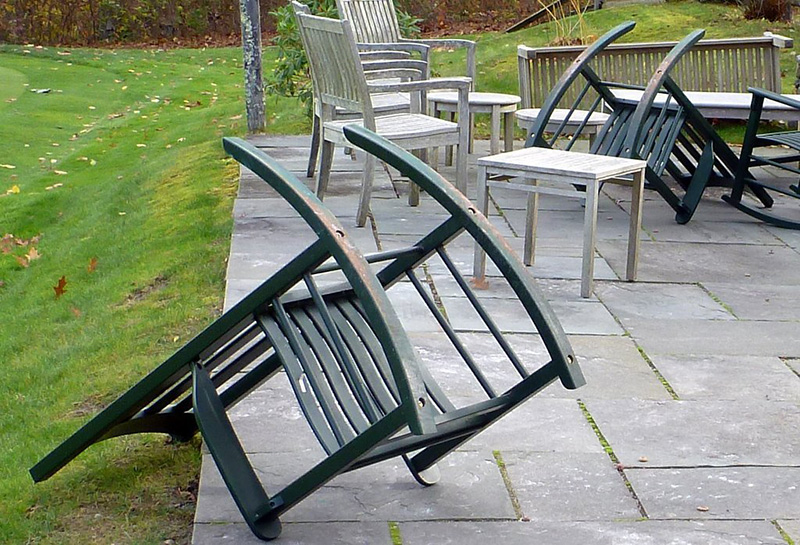
Credit: www.nationaloutdoorfurniture.com
Choosing The Right Fasteners
Choosing the right fasteners is key to keeping outdoor furniture safe and stable. The right fasteners prevent loosening and damage. They help your furniture last longer despite weather and use.
Focus on fasteners that fit your furniture type and outdoor conditions. Pick strong and rust-resistant materials. Use proper tools to install them well. This section covers important fastener choices and tools.
Types Of Fasteners For Outdoor Use
Screws hold parts together tightly. Deck screws are strong and weatherproof. Bolts offer extra strength for heavy furniture. Nails work well for light assembly but may loosen over time. Specialized fasteners like lag screws and carriage bolts provide sturdy connections for wood. Choose fasteners that match your furniture material.
Materials That Resist Weather
Stainless steel fasteners resist rust and corrosion. Galvanized steel has a protective coating against moisture. Brass fasteners resist rust but may not be as strong. Avoid plain steel as it rusts quickly outdoors. Look for fasteners labeled “weather-resistant” or “corrosion-resistant.” These materials keep your furniture secure through rain and sun.
Tools Needed For Installation
A drill makes driving screws easier and faster. Screwdrivers help tighten screws and bolts precisely. Wrenches tighten bolts securely without damage. A hammer is useful for nails and adjustments. Measuring tape ensures correct placement of fasteners. Use the right tool to avoid damaging furniture or fasteners during installation.
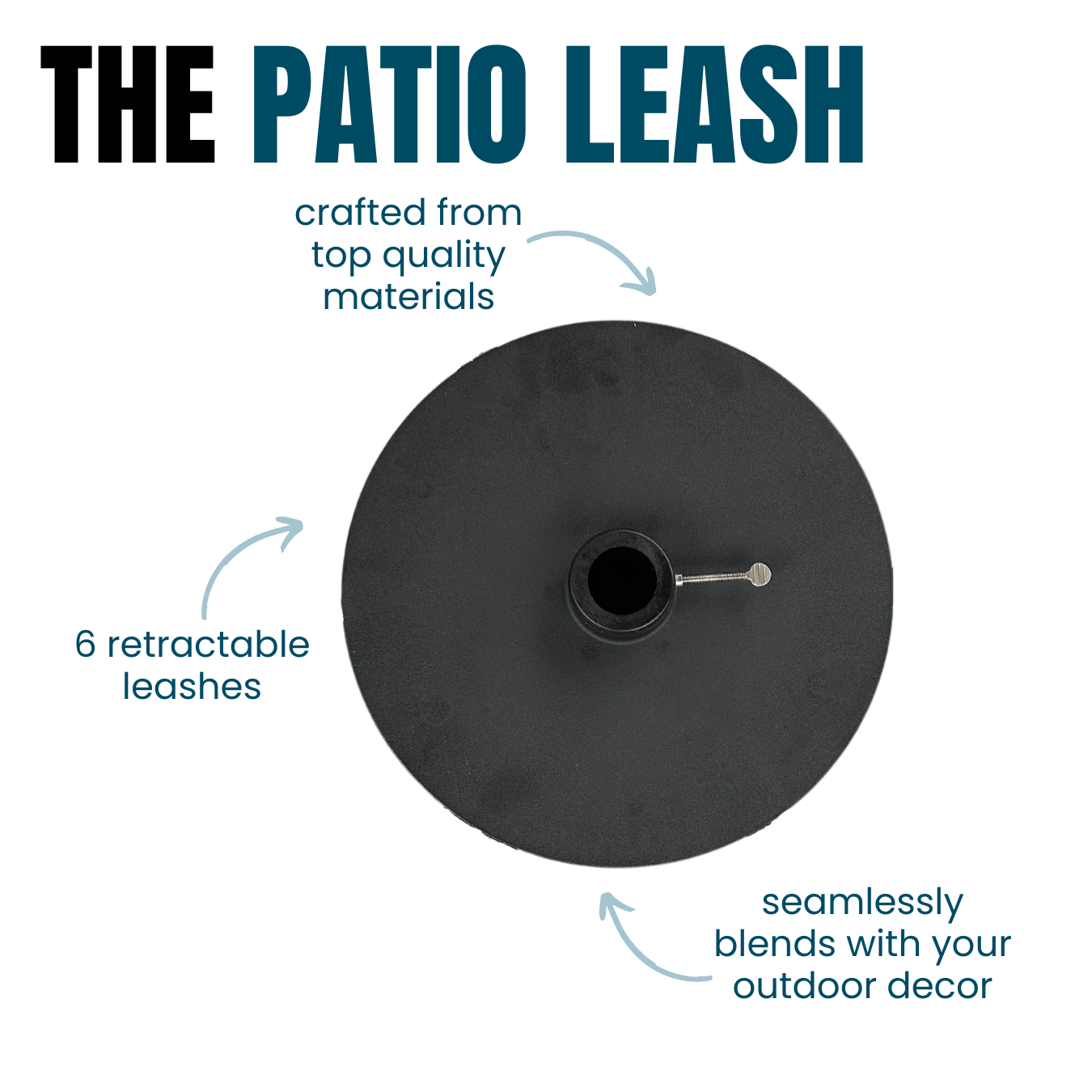
Credit: patioleash.com
Preparing Furniture And Site
Preparing outdoor furniture and the site is the first step to fasten it securely. This process helps keep furniture safe from wind, theft, or accidental movement. Proper preparation also extends the life of your furniture by preventing damage.
Start with a clean and solid foundation. This makes fastening easier and more effective. The right location and careful marking ensure your furniture stays put.
Cleaning And Inspecting Furniture
Remove dirt and debris from all furniture surfaces. Use a mild soap and water solution for cleaning. Check for any cracks, rust, or loose parts. Fix or replace damaged pieces before securing the furniture. Clean furniture holds fasteners better and lasts longer outdoors.
Selecting A Stable Location
Choose a flat, firm spot for your furniture. Avoid soft ground or slopes that cause instability. Look for areas with good drainage to prevent water damage. A stable base reduces wobbling and keeps furniture in place during strong winds.
Measuring And Marking Attachment Points
Measure where to attach fasteners on your furniture and the site. Mark these points clearly with a pencil or tape. Ensure marks align with sturdy parts of the furniture frame. Proper measuring prevents mistakes and ensures a tight, secure fit.
Techniques To Secure Different Furniture Types
Securing outdoor furniture protects it from wind and theft. Different materials need different methods. Wooden, metal, and plastic pieces each require unique fastening techniques. This section explains how to secure each type safely and effectively.
Fastening Wooden Furniture
Wooden furniture is strong but can move in strong winds. Use heavy-duty straps or ropes to tie pieces together. Attach straps to sturdy parts like legs or arms. Drill holes and use bolts to fix furniture to wooden decks. Seal holes to prevent wood damage. Place furniture close to walls or fences for extra support. Use outdoor anchors to secure legs into the ground.
Anchoring Metal Frames
Metal frames need strong anchors due to their weight. Use metal ground stakes driven deep into the soil. Attach anchors with bolts or heavy-duty cables. Use brackets to fix frames to concrete patios or wooden decks. Check for rust before anchoring. Apply rust-proof paint to protect metal parts. Tighten all fasteners regularly to keep frames secure.
Stabilizing Plastic And Resin Pieces
Plastic and resin furniture is light and easy to move. Use weighted bases or sandbags under legs to add weight. Secure pieces with bungee cords or straps linked to fixed objects. Drill small holes for bolts if the material allows. Avoid using harsh chemicals that weaken plastic. Group light furniture together to reduce movement. Use mats or rubber pads under legs to stop sliding.
Using Anchors And Weights
Using anchors and weights helps keep outdoor furniture safe and steady. Strong winds or uneven ground can move furniture. Anchors and weights hold furniture in place. This section explains simple ways to fasten furniture on different surfaces.
Ground Anchors For Soil And Grass
Ground anchors work well in soft soil or grassy areas. These anchors dig into the earth. Screw-in or stake types are popular choices. Attach your furniture legs or frame to the anchor. This stops furniture from tipping or blowing away. Ground anchors are easy to install and remove.
Concrete Anchoring Methods
Concrete surfaces need special anchors for firm hold. Use expansion bolts or wedge anchors drilled into the concrete. Secure furniture frames or base plates with these bolts. Concrete anchors provide strong and lasting stability. Drill carefully and check anchor depth for safety.
Adding Weighted Bases For Extra Stability
Weighted bases add extra balance without drilling or digging. Fill base containers with sand, water, or gravel. Place these weights under or around furniture legs. Weighted bases prevent lifting and sliding on patios or decks. They work well with umbrellas, chairs, and tables.
Maintenance Tips For Long-term Stability
Maintaining outdoor furniture fasteners ensures your setup stays strong and safe. Regular care helps prevent damage and keeps furniture stable through all seasons.
Simple maintenance steps extend the life of your furniture. These tips focus on fasteners, the key to long-term stability.
Regular Inspection Of Fasteners
Check screws, bolts, and nails often. Look for looseness, cracks, or missing parts. Early detection avoids bigger problems later. Use a flashlight to see hidden areas well.
Protecting Against Rust And Corrosion
Metal fasteners face rust from rain and humidity. Clean them with a dry cloth after rain. Apply a rust-resistant spray or paint for extra protection. Avoid water pooling near furniture bases.
Adjusting And Tightening Connections
Fasteners can loosen from wind or use. Tighten bolts and screws with proper tools regularly. Replace any damaged fasteners immediately. Secure connections keep furniture sturdy and safe.
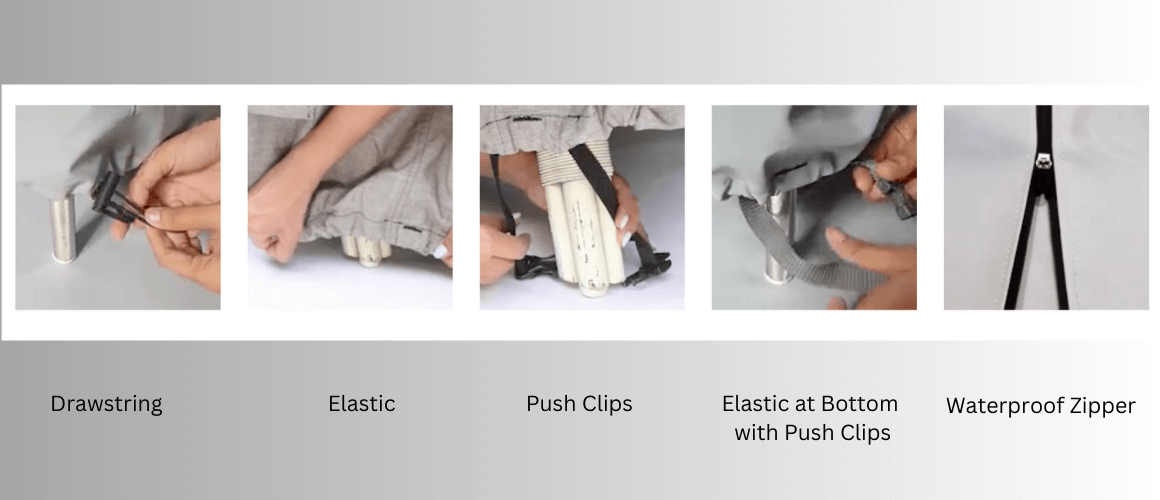
Credit: www.coversandall.com
Frequently Asked Questions
How Can I Secure Outdoor Furniture In Windy Areas?
Use heavy-duty anchors or weights to fasten furniture. Tie furniture with weather-resistant straps or bungee cords. Place furniture on flat surfaces to prevent tipping in strong winds.
What Materials Work Best For Fastening Outdoor Furniture?
Metal anchors, heavy chains, and nylon straps are ideal. Choose rust-resistant materials to withstand outdoor conditions. Avoid materials that degrade quickly under sun and rain.
Are There Special Fasteners For Wooden Outdoor Furniture?
Yes, use stainless steel screws or bolts for wood. These resist rust and provide strong holds. Pre-drill holes to prevent wood splitting during installation.
Can I Protect Outdoor Furniture From Theft Effectively?
Use lockable chains and ground anchors to deter theft. Secure furniture to immovable objects like fences or decks. Mark your furniture with identifiable tags or engravings.
Conclusion
Securing outdoor furniture keeps it safe from wind and theft. Use strong straps, bolts, or anchors to hold pieces firmly. Choose methods that match your furniture type and surface. Regular checks help maintain tightness and prevent damage. Simple steps protect your investment and keep your space tidy.
Enjoy your outdoor area without worry or hassle.


