Are you wondering if mineral oil is the right choice to protect your outdoor wooden furniture? You want your furniture to stay beautiful and last longer, but with so many products out there, it’s hard to know what really works.
What if there was a simple, affordable way to keep your wood looking fresh and shielded from the weather? You’ll discover the truth about using mineral oil on your outdoor wooden pieces—what it does, what it doesn’t, and how to care for your furniture the right way.
Keep reading to find out how to make the best choice for your outdoor wood and enjoy furniture that stays stunning season after season.
Benefits Of Mineral Oil For Wood
Mineral oil offers several benefits for outdoor wooden furniture. It helps keep the wood in good condition and extends its life. Applying mineral oil is simple and effective, making it a popular choice for wood care. The oil soaks into the wood, providing protection without leaving a sticky surface.
Moisture Protection
Mineral oil creates a barrier against water and moisture. This stops the wood from absorbing too much water. Less moisture means less chance of cracking or warping. It helps the wood stay strong even in wet weather. Regular use of mineral oil keeps outdoor furniture safe from water damage.
Enhancing Natural Grain
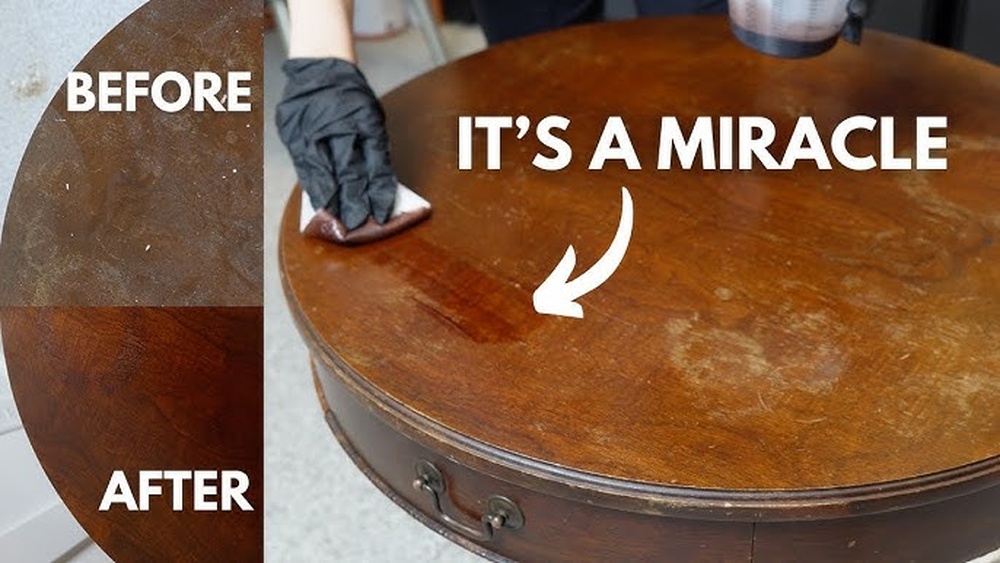
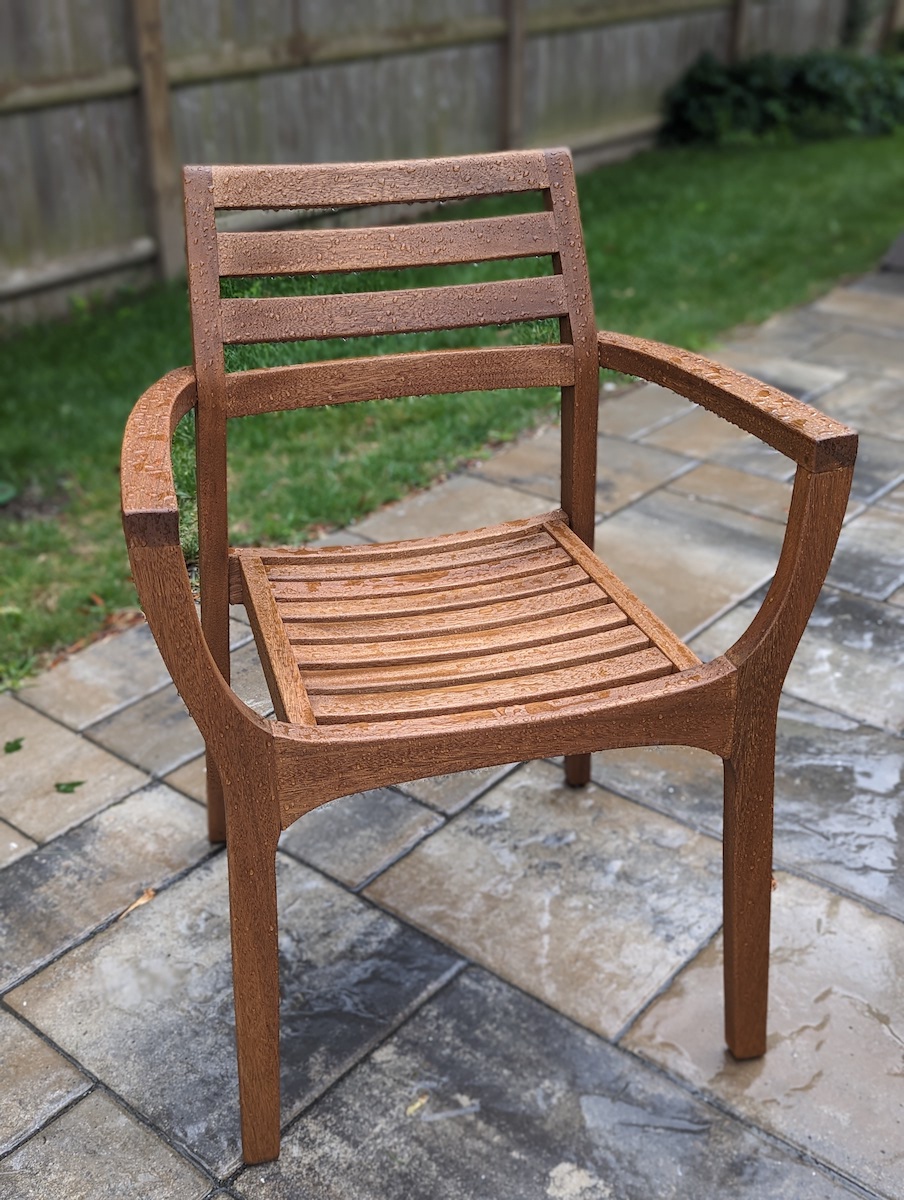
Mineral oil brings out the wood’s natural beauty. It darkens the wood slightly, making the grain more visible. The color looks richer and warmer. The oil gives the wood a fresh, polished look without paint or stain. This makes outdoor furniture look more attractive and inviting.
Non-toxic And Safe
Mineral oil is safe for people and pets. It does not contain harmful chemicals or strong smells. This makes it a good choice for furniture used around children. You can apply it without worrying about toxins. It also does not damage the environment.
Credit: www.findingsilverpennies.com
Suitability For Outdoor Furniture
Mineral oil is a common choice for treating wooden furniture. It is easy to apply and safe for many wood types. But outdoor furniture faces tough conditions like sun, rain, and wind. These can damage wood fast.
Choosing the right oil helps protect wood and keep it looking good. Mineral oil has some benefits but also limits for outdoor use. Understanding these helps you decide if it fits your needs.
Weather Resistance
Mineral oil does not create a hard finish. It soaks into the wood and stays soft. This means water can still get through. It does not protect well against rain or strong sun.
Wood treated with mineral oil may need more care in wet weather. It can absorb moisture and swell. This can cause cracks and damage over time.
Comparison With Other Oils
Oils like teak oil or linseed oil form a stronger barrier. They protect wood better from water and sun damage. These oils harden slightly and keep moisture out.
Mineral oil is safer for food-contact surfaces. But it lacks long-lasting protection outdoors. Other oils may need fewer reapplications and guard wood better.
Longevity And Maintenance
Mineral oil requires frequent reapplication on outdoor furniture. This keeps the wood from drying out. Without regular care, wood can crack and fade.
Expect to apply mineral oil every few weeks in harsh weather. This can be time-consuming. Proper maintenance helps prolong the life of outdoor wood.
How To Apply Mineral Oil
Applying mineral oil to outdoor wooden furniture helps keep it safe and looking good. The oil soaks into the wood, protecting it from drying out and cracking. This process is simple and does not take much time. Follow these steps carefully to get the best results and keep your furniture in great shape.
Preparation Steps
Start by cleaning the furniture. Use a soft brush to remove dirt and dust. Wipe the surface with a damp cloth. Let the wood dry completely before applying oil. Sand the surface lightly if the wood feels rough. This helps the oil soak in better.
Application Techniques
Pour a small amount of mineral oil onto a clean cloth. Rub the oil into the wood using circular motions. Cover all surfaces evenly, including edges and corners. Avoid pouring oil directly on the wood. It can cause uneven absorption. Work in small sections for better control.
Drying And Reapplication
Let the oil soak into the wood for at least 20 minutes. Wipe off any extra oil with a dry cloth. Allow the furniture to dry fully before use. Repeat the process every few months to keep the wood protected. More frequent application may be needed in harsh weather.
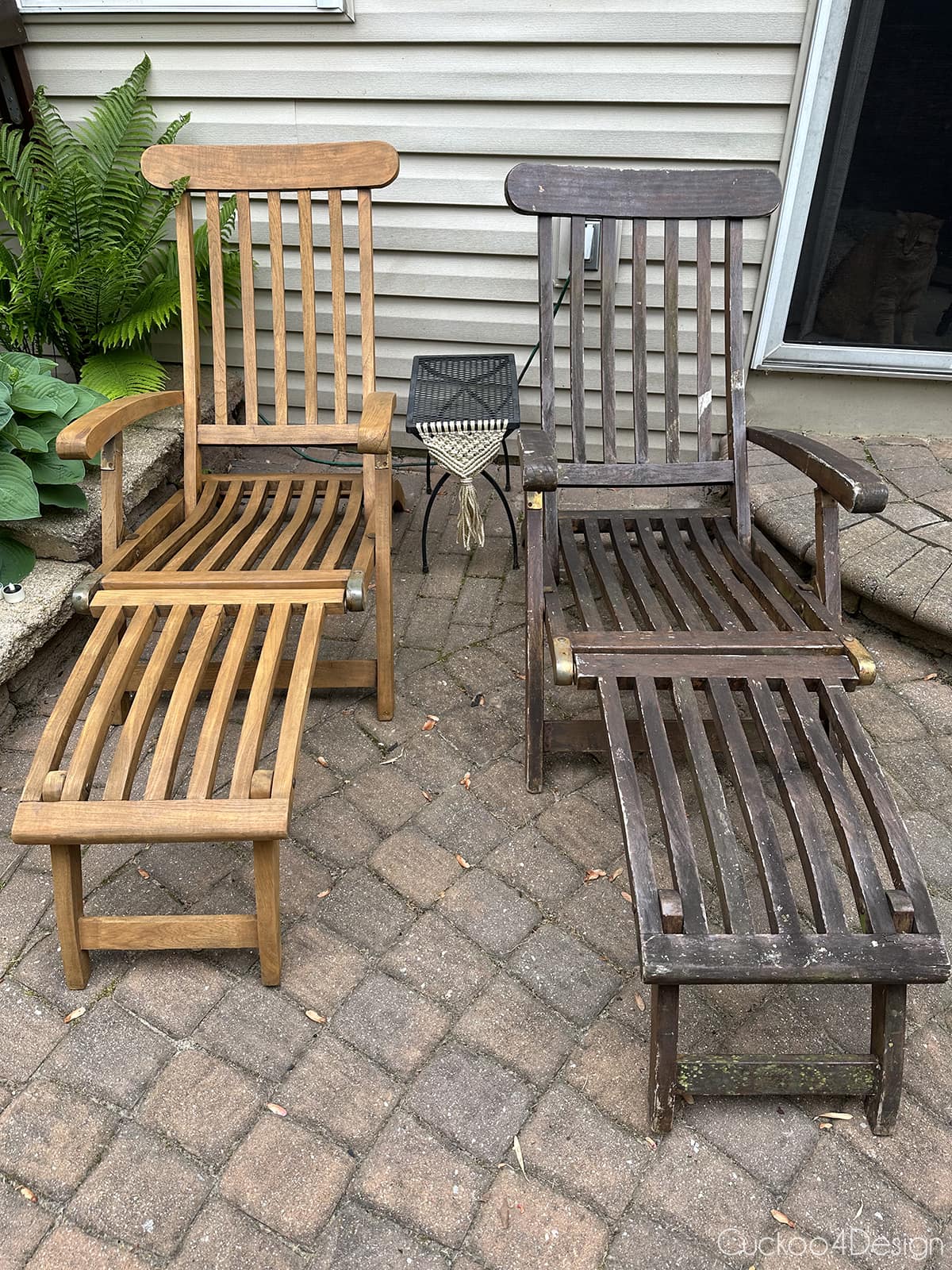
Credit: cuckoo4design.com
Common Mistakes To Avoid
Using mineral oil on outdoor wooden furniture can help protect and maintain its look. Avoiding common mistakes ensures the oil works well and the wood stays healthy. These errors can cause damage or reduce the oil’s benefits. Knowing what to avoid is key for good results.
Over-application
Applying too much mineral oil can leave the wood sticky and soft. The oil needs to soak in, not sit on top. Excess oil can attract dirt and dust. Apply a thin, even layer and wipe off any extra. Let the wood absorb the oil fully before adding more.
Ignoring Surface Cleaning
Oiling dirty wood traps grime and dust inside. Always clean furniture before applying mineral oil. Use a mild soap and water or a wood cleaner. Let the surface dry completely. Clean wood allows the oil to soak in better and last longer.
Using On Treated Wood
Mineral oil does not work well on wood already treated with paint or sealant. It cannot penetrate these layers. Applying oil on treated wood wastes product and may cause uneven finish. Check if the wood is untreated or bare before oiling. Sanding may be needed to remove old finishes.
Alternative Treatments For Outdoor Wood
Outdoor wooden furniture needs proper care to stay strong and look good. Mineral oil works well for some wood types but may not protect well outside. Many other treatments offer better defense against weather, water, and sun. These options help wood last longer and keep its natural beauty.
Tung Oil And Linseed Oil
Tung oil is a natural product that soaks deep into wood. It forms a hard, water-resistant layer. This oil protects wood from rain and sun damage. Linseed oil also soaks into wood and helps prevent cracking. Both oils are safe and eco-friendly. They keep wood healthy and improve its color.
Wood Sealants And Varnishes
Sealants and varnishes form a solid barrier on wood. They block water, dirt, and UV rays. These finishes make wood easier to clean. Sealants often stay clear to show the wood’s grain. Varnishes add a shiny or satin look. Both protect wood from fading and warping.
Synthetic Waterproofing Options
Synthetic waterproofing products create a strong shield on outdoor wood. They resist water and stains better than oils or sealants. These products often last longer and need less frequent reapplication. Many are designed to work well in all weather. Synthetic options help keep wood dry and safe.
Expert Tips For Long-lasting Outdoor Wood Care
Taking care of outdoor wooden furniture requires smart, regular steps. Wood faces sun, rain, dirt, and bugs every day. These elements can wear it down fast. Proper care helps wood stay strong and beautiful for years. Follow expert tips for long-lasting outdoor wood care.
Regular Maintenance Schedule
Check your furniture every month. Clean dirt and dust with a soft brush or cloth. Apply mineral oil to keep wood hydrated. Oil prevents drying and cracking. Use a clean cloth to rub the oil evenly. Repeat oiling every three to six months for best results.
Seasonal Care Adjustments
Change your care routine with the seasons. In spring, clean deep to remove winter grime. Apply oil to revive dry wood. In summer, provide shade to avoid sun damage. In fall, clean off leaves and debris. In winter, limit exposure to rain and snow.
Storage And Protection
Cover furniture during bad weather. Use waterproof covers to block rain and snow. Move furniture to a dry place if possible. Store cushions and soft materials indoors. Proper storage slows wood wear and keeps it looking new.

Credit: www.homedit.com
Frequently Asked Questions
Can Mineral Oil Protect Outdoor Wooden Furniture?
Yes, mineral oil helps maintain moisture and prevents drying. However, it does not offer strong UV or water protection. Use it with sealants for better outdoor durability.
How Often Should I Apply Mineral Oil Outdoors?
Apply mineral oil every 1 to 3 months on outdoor wooden furniture. Frequent application keeps the wood hydrated and reduces cracking caused by weather exposure.
Is Mineral Oil Safe For All Outdoor Woods?
Mineral oil is safe for most outdoor woods, including teak and cedar. Avoid using it on painted or varnished surfaces as it may affect the finish.
Can Mineral Oil Prevent Wood From Weather Damage?
Mineral oil alone cannot fully prevent weather damage. It moisturizes wood but lacks UV and water resistance. Use additional treatments for complete outdoor protection.
Conclusion
Mineral oil can protect outdoor wooden furniture but has limits. It helps keep wood moist and stops cracking. Yet, it does not guard well against water or sun damage. For better protection, use oils made for outdoor use. Regular care helps your furniture last longer.
Test any oil on a small spot first. Keep your wood clean and dry as much as possible. A good routine keeps your furniture looking nice and strong. Choose the right oil to fit your outdoor needs.