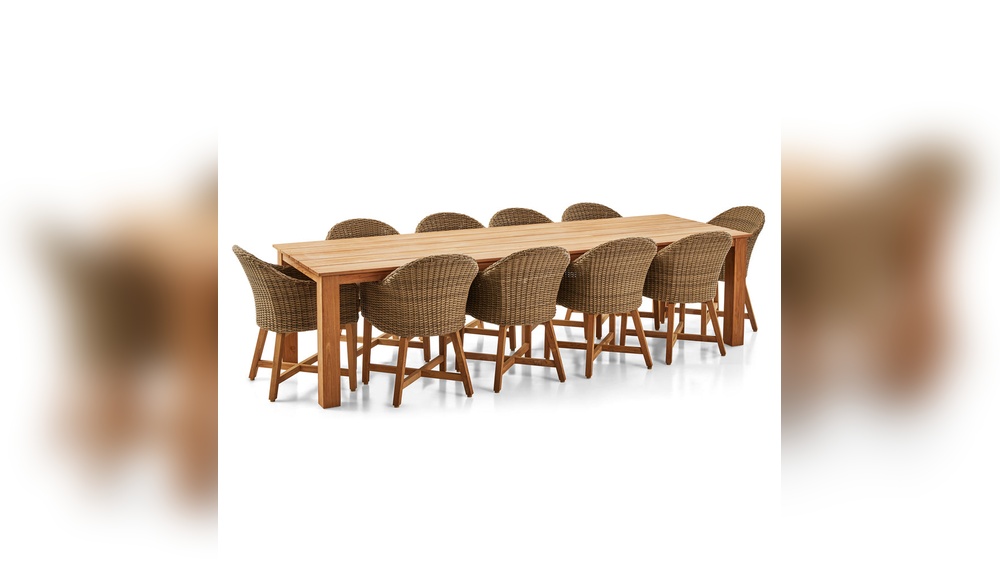
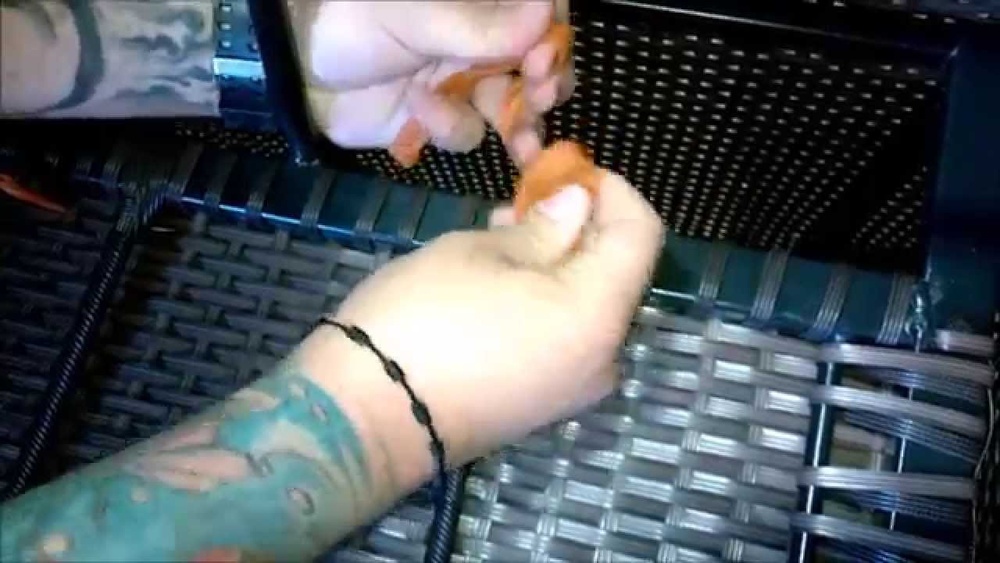
When you’re ready to give your outdoor furniture a fresh look, you might wonder: what lasts longer, paint or stain? Choosing the right finish is key to protecting your investment and keeping your furniture looking great through sun, rain, and wear.
You want a solution that not only boosts your furniture’s style but also stands up to the elements without constant touch-ups. You’ll discover the real differences between paint and stain for outdoor furniture durability, helping you make the smartest choice for your space and your time.
Keep reading—your furniture deserves the best!
Durability Factors For Outdoor Finishes
Choosing the right finish for outdoor furniture depends on how well it stands up to the elements. Durability is the key factor that affects the life of paint or stain. Understanding what makes a finish last helps in making the best choice. The main durability factors include weather resistance, UV protection, moisture impact, and wear and tear.
Weather Resistance
Outdoor furniture faces rain, wind, and temperature changes daily. A durable finish must resist these conditions without cracking or peeling. Paint creates a thick layer that shields wood from harsh weather. Stain soaks into the wood, offering moderate protection while allowing wood to breathe. Weather resistance keeps furniture looking good longer.
Uv Protection
Sunlight can cause wood to fade and weaken over time. UV rays break down the finish and damage the wood underneath. Paint blocks UV rays better because it forms a solid barrier. Stain contains UV blockers but allows some rays to reach the wood. Proper UV protection prevents discoloration and extends furniture life.
Moisture Impact
Water can cause wood to swell, warp, or rot if not protected. Paint seals the surface, stopping moisture from entering. Stain penetrates the wood and repels water but less effectively than paint. Managing moisture is crucial to avoid damage and keep furniture sturdy.
Wear And Tear
Outdoor furniture faces scratches, bumps, and daily use. Paint forms a hard coat that resists scratches better. Stain offers less surface protection but is easier to touch up. The finish should handle regular use without losing its look or protection.
Characteristics Of Outdoor Paint
Outdoor paint has special qualities that protect furniture from weather and wear. It forms a strong layer that shields wood from sun, rain, and dirt. Understanding these qualities helps decide if paint suits your outdoor furniture better than stain.
Types Of Paint Used Outdoors
Latex paint is common for outdoor use. It dries fast and resists cracking. Oil-based paint sticks well and lasts longer but takes more time to dry. Both types create a solid cover that blocks moisture and dirt.
Adhesion And Coverage
Outdoor paint must stick tightly to furniture. Good adhesion keeps paint from peeling or chipping. Paint also covers well, hiding wood flaws and giving a smooth finish. Proper coverage means fewer coats and better protection.
Color Retention
Sun can fade colors quickly. Outdoor paint uses pigments that stay bright under UV rays. This helps furniture look fresh for a long time. Paint colors usually stay truer than stains over months and years.
Maintenance Needs
Painted furniture needs regular checks for cracks or chips. Small fixes prevent bigger damage. Washing painted surfaces keeps dirt from building up. Overall, maintenance is simple but important to keep paint strong.
Features Of Outdoor Stain
Outdoor stain offers unique qualities for protecting furniture. It soaks into wood rather than sitting on top. This helps guard against weather damage and wear.
Understanding stain features helps choose the best option for your furniture. It balances beauty and durability with ease of maintenance.
Penetration And Protection
Stain seeps deep into wood fibers. This strengthens the wood from inside. It shields against moisture, sun, and dirt. The wood stays healthier longer with less cracking.
Finish Options
Outdoor stains come in several finishes. Transparent stains highlight natural grain. Semi-transparent add color with some wood texture. Solid stains cover imperfections fully. Each finish suits different style needs.
Color Fading Over Time
Stains fade gradually under sunlight. Transparent types show faster fading. Solid stains hold color longer. Fading gives a soft, natural look. This is normal for outdoor wood.
Reapplication Frequency
Stains need reapplying every 2 to 3 years. Solid stains may last longer. Regular touch-ups keep wood protected. Skipping reapplication can cause damage and peeling.
Comparing Paint And Stain Durability
Choosing between paint and stain for outdoor furniture means thinking about how long each lasts. Both protect wood but in different ways. The durability of paint and stain depends on weather, wood type, and how they are applied. Understanding their strengths helps you pick the right finish for your furniture.
Longevity In Different Climates
Paint forms a thick barrier on wood. It blocks moisture and sun damage well. In hot, sunny areas, paint can last longer by protecting the wood underneath. Stain soaks into the wood, allowing it to breathe. In rainy or humid climates, stain helps prevent moisture buildup. It may need reapplying more often than paint in these regions.
Resistance To Cracking And Peeling
Paint can crack and peel over time as it sits on the surface. This happens when wood expands and contracts with weather changes. Stain is less likely to peel because it penetrates the wood. It moves with the wood and stays flexible. This makes stain a better choice if you want a finish that ages naturally.
Effect On Wood Grain Visibility
Paint covers the wood grain completely. This hides natural patterns and knots. Stain enhances the wood grain by adding color but keeping texture visible. For a natural look, stain is the better option. Paint offers a solid color that can fit many design styles but hides wood’s unique character.
Choosing The Right Finish For Furniture Type
Choosing the right finish for outdoor furniture depends on the type of wood. Different woods need different care. The finish protects the wood from weather and wear. Paint and stain both have benefits. Knowing your wood helps pick the best finish.
Softwood Vs Hardwood
Softwoods like pine and cedar absorb finishes quickly. Stain works well on softwoods. It soaks in and shows the wood grain. Paint can cover softwoods but may peel if wood expands.
Hardwoods like oak and teak are dense. Paint sticks better to hardwoods. Stain also highlights the natural grain of hardwoods. Hardwoods need less frequent refinishing than softwoods.
Porous Vs Non-porous Surfaces
Porous surfaces have tiny holes that absorb moisture. Stain penetrates these pores and protects deep inside. It keeps the wood from drying and cracking.
Non-porous surfaces are smooth and do not absorb well. Paint forms a protective layer on top of non-porous wood. It seals out water and sunlight.
Choosing paint or stain depends on how the wood surface reacts. Matching the finish to the surface type extends furniture life.
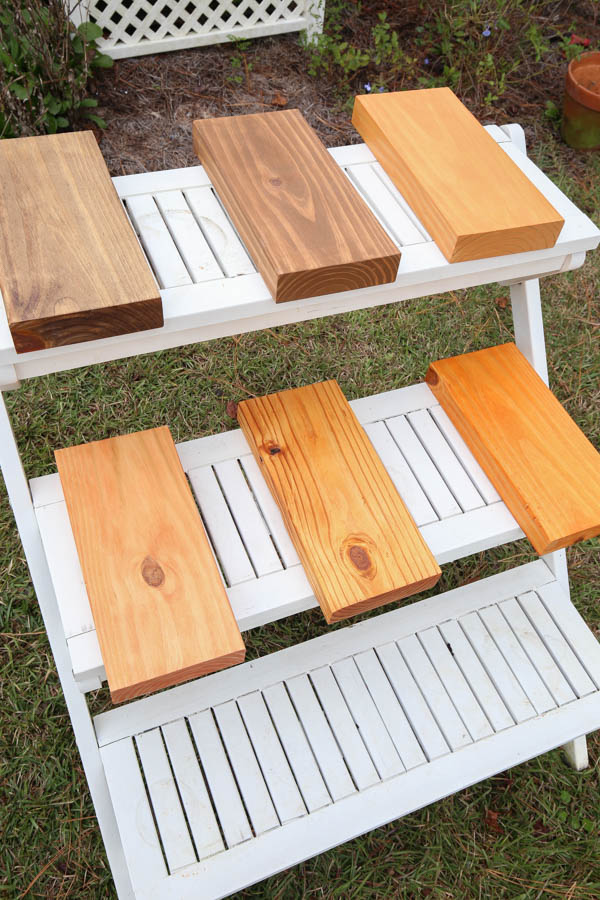
Credit: angelamariemade.com
Application Tips For Lasting Results
Applying paint or stain properly is key to making outdoor furniture last long. Careful steps help protect wood from weather damage and wear. Follow simple tips to get the best finish and durability.
Surface Preparation
Start by cleaning the furniture well. Remove dirt, dust, and old finish with a brush or sandpaper. Smooth surfaces help paint or stain stick better. Check for cracks or holes and fill them with wood filler. Let the surface dry completely before applying any product.
Tools And Techniques
Use quality brushes or foam applicators for even coverage. Apply paint or stain in thin, smooth layers. Avoid thick coats that can peel or drip. Brush along the wood grain to enhance absorption. For large pieces, consider a sprayer to save time. Work in a shaded area to prevent quick drying.
Drying And Curing Times
Allow enough time for each coat to dry fully before adding another. Follow the product’s instructions for drying times. Avoid touching the furniture until it cures completely. Curing can take several days but ensures strong protection. Keep furniture in a dry place during this time to avoid damage.
Maintenance And Touch-up Strategies
Maintaining outdoor furniture helps keep it looking fresh and lasts longer. Both paint and stain need care to protect wood from weather damage. Regular upkeep stops small problems from turning into big repairs. Simple steps help keep your furniture strong and good-looking.
Cleaning Methods
Clean outdoor furniture gently. Use mild soap and water with a soft cloth or sponge. Avoid harsh chemicals that can damage paint or stain. Rinse well and dry with a clean towel. Regular cleaning removes dirt and prevents mold or mildew.
Identifying Wear Signs
Look closely for chips, cracks, or peeling on paint. For stained wood, check if color fades or wood looks dry. Rough or splintered areas show the finish is wearing out. Early detection helps fix damage before it worsens.
When To Reapply Finish
Reapply paint or stain every 1-3 years, depending on weather and use. If water no longer beads on the surface, it is time to refresh. Touch up spots with small brushes to fix scratches or faded areas. Regular reapplication keeps wood protected and beautiful.

Credit: www.amazon.com
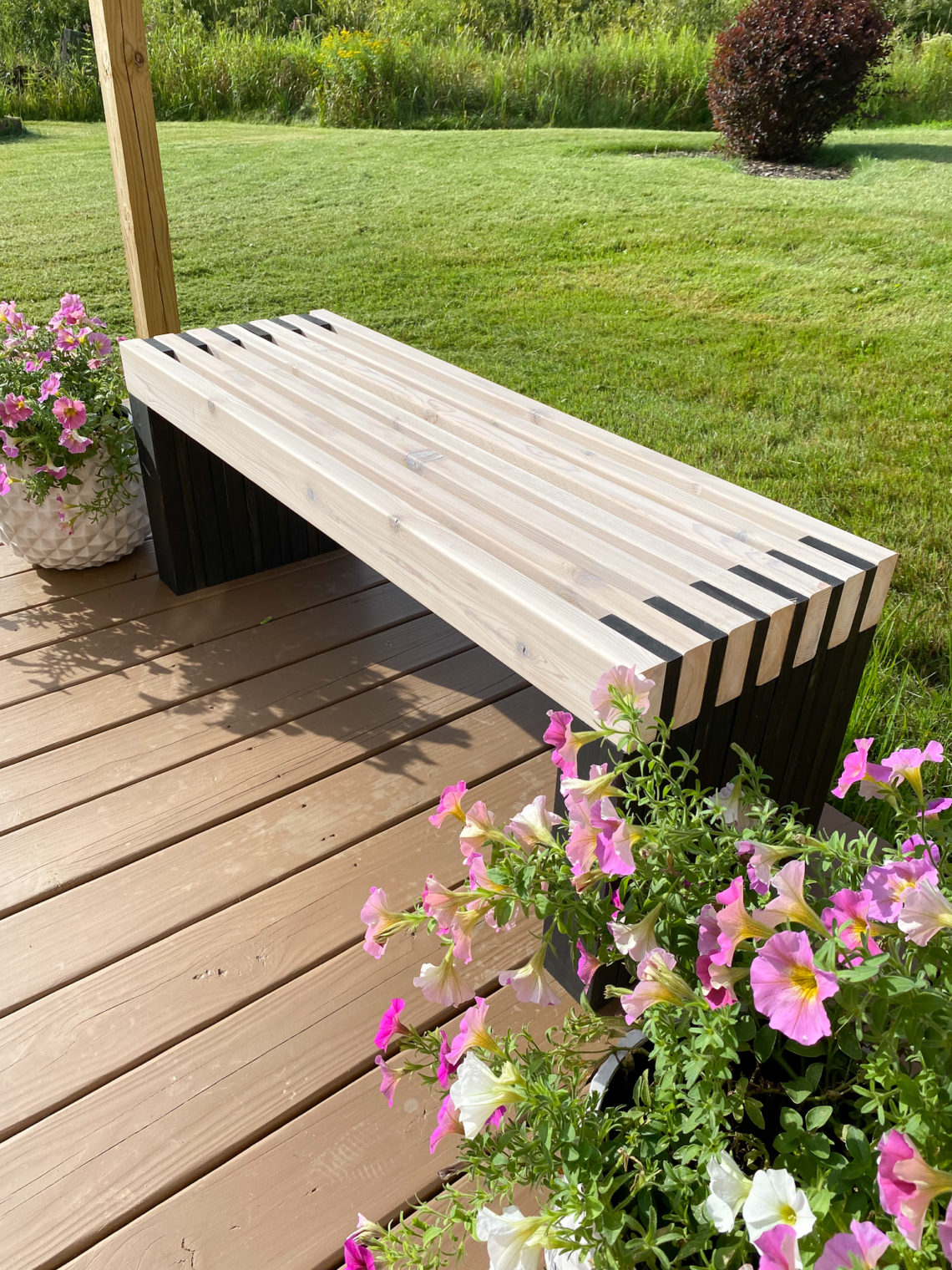
Credit: www.thehandcraftedhaven.com
Frequently Asked Questions
Which Lasts Longer: Paint Or Stain On Outdoor Furniture?
Paint generally lasts longer by forming a thick protective layer. Stain penetrates wood and may need reapplication sooner. Paint resists weather better but can peel. Stain offers natural wood look but less durability. Choose based on desired finish and maintenance willingness.
Does Paint Protect Outdoor Furniture From Weather Better?
Yes, paint creates a solid barrier against moisture and UV rays. It prevents water penetration and sun damage effectively. Stain offers some protection but is less resistant to harsh weather. Paint requires proper prep and primer for best results.
Can Stain Enhance Wood Grain More Than Paint?
Yes, stain enhances and highlights natural wood grain. It penetrates wood fibers, preserving texture and color variations. Paint covers wood grain with opaque color, hiding natural patterns. Stain is ideal if you want a natural wood look outside.
How Often Should I Reapply Paint Or Stain Outdoors?
Paint typically needs reapplication every 5-7 years, depending on exposure. Stain usually requires reapplication every 2-3 years to maintain protection. Regular maintenance and cleaning extend the lifespan of both finishes. Inspect furniture yearly for signs of wear or damage.
Conclusion
Choosing between paint and stain depends on your needs. Paint offers strong protection and bright colors. Stain soaks into wood and shows its natural grain. Both can last long with proper care. Think about the look and maintenance you want.
Regular cleaning and touch-ups help keep furniture fresh. Your choice affects how your outdoor space feels. Durable finish means less worry about weather damage. Either option can work well if applied right.