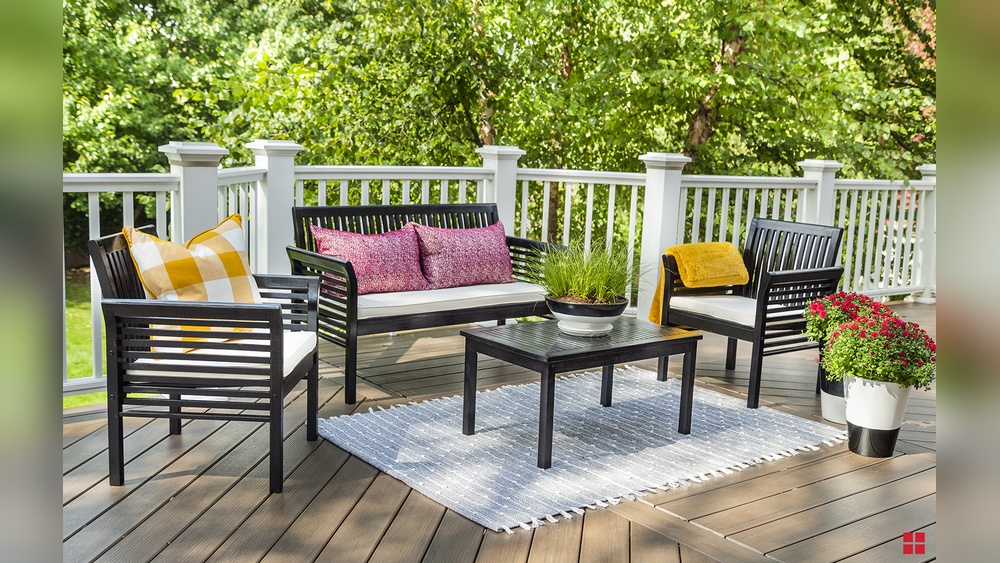
Your outdoor wooden furniture adds charm and comfort to your space. But over time, sun, rain, and wear can dull its beauty.
If you want to bring back that fresh, vibrant look, restaining is the way to go. In this guide, you’ll discover simple steps to transform your furniture and protect it for years to come. Ready to make your outdoor space shine again?
Let’s get started!

Credit: www.homestoriesatoz.com
Choosing The Right Stain
Choosing the right stain is key to a successful outdoor furniture project. The stain protects wood from weather and enhances its natural beauty. Picking the correct type and color helps your furniture last longer and look great.
Types Of Wood Stains
There are three main types of stains: oil-based, water-based, and gel stains. Oil-based stains soak deep into the wood and offer strong protection. Water-based stains dry faster and have less odor. Gel stains are thick and good for vertical surfaces. Each type has unique benefits for outdoor use.
Color Selection Tips
Choose a color that matches your outdoor style. Light colors show wood grain and hide dust. Dark colors mask dirt but may fade faster. Test a small area first to see how the color looks in sunlight. Pick a shade that blends with your garden or patio.
Considerations For Outdoor Use
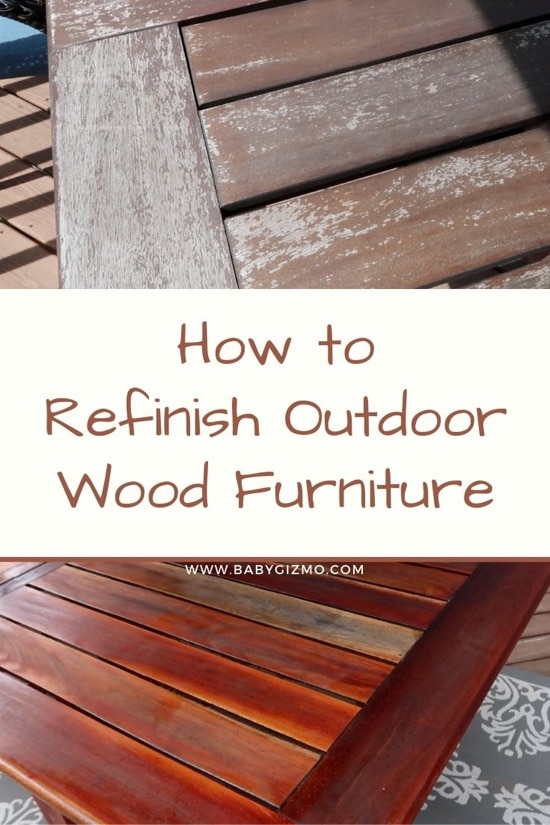
Outdoor stains must resist sun, rain, and temperature changes. Look for stains with UV blockers to prevent fading. Water repellents help keep moisture out and avoid wood damage. Check if the stain allows the wood to breathe and prevents peeling. Proper stain choice ensures your furniture stays beautiful longer.
Credit: babygizmo.com
Preparing The Furniture
Preparing your outdoor wooden furniture properly is the first step to a beautiful restain. This process helps the new stain stick better and last longer. Taking time to prepare ensures your furniture looks fresh and protected from the weather.
Start with a clean surface, smooth it out, and fix any damage. These simple steps make a big difference in the final result.
Cleaning And Removing Dirt
Clear dirt, dust, and old grime from the furniture. Use a soft brush or cloth with warm, soapy water. Scrub gently to avoid damaging the wood. Rinse well with clean water. Let the furniture dry completely before moving to the next step.
Sanding For Smooth Surface
Sanding removes old finish and smooths rough spots. Use medium-grit sandpaper first, then finish with fine grit. Sand along the wood grain for best results. Wipe away dust with a damp cloth after sanding. This step helps the stain absorb evenly.
Repairing Damages
Check for cracks, holes, or loose joints. Use wood filler to fill small cracks and holes. Let the filler dry, then sand it smooth. Tighten screws or glue loose parts. Repairing ensures the furniture stays strong and looks neat.
Applying The Stain
Applying the stain is a key step in refreshing your outdoor wooden furniture. It protects wood from weather damage and brings out natural beauty. Proper application ensures the stain lasts longer and looks great.
Tools You Will Need
- Clean paintbrush or foam brush
- Lint-free cloth or rag
- Sandpaper (medium and fine grit)
- Gloves to protect your hands
- Drop cloth or old newspapers
- Stain suitable for outdoor wood
Step-by-step Application
Start by sanding the furniture lightly. This opens wood pores for better stain absorption. Wipe off dust with a clean cloth.
Stir the stain well before use. Do not shake the can to avoid bubbles.
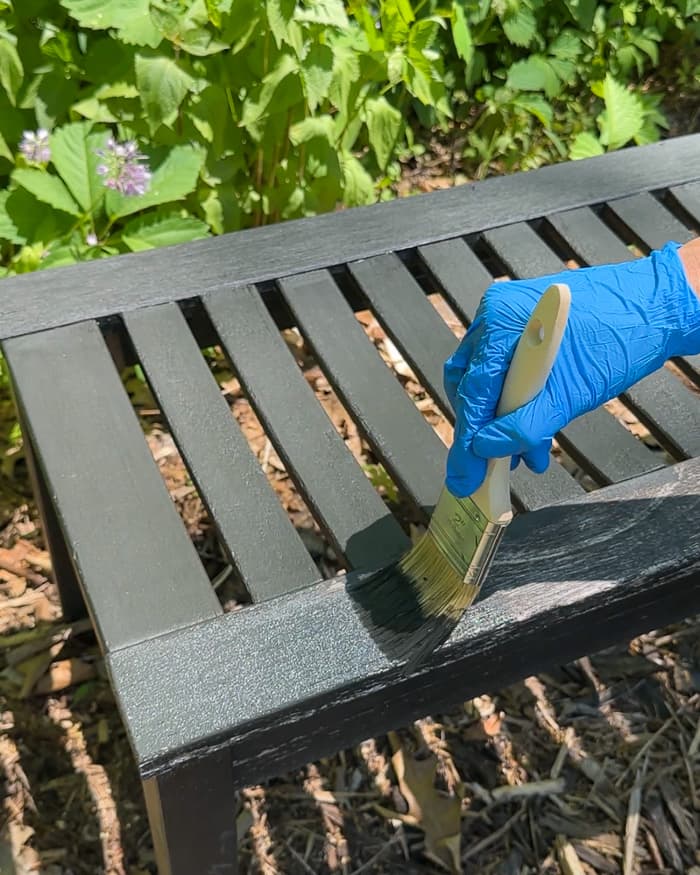
Apply the stain with a brush or cloth, following wood grain direction. Work in small sections for control.
Let the stain sit for a few minutes. Use a clean cloth to wipe off excess. This avoids sticky or uneven spots.
Allow the stain to dry completely before applying another coat. Usually, two coats give good coverage and protection.
Tips For Even Coverage
- Apply stain in thin, even layers.
- Always follow the wood grain while brushing.
- Wipe off extra stain quickly to prevent blotches.
- Check for missed spots and touch up immediately.
- Work in shaded areas to avoid fast drying.
- Keep a wet edge to blend strokes smoothly.
Credit: averageinspired.com
Sealing And Protecting
Sealing and protecting outdoor wooden furniture is crucial after restaining. It stops water, sun, and dirt from damaging the wood. This step keeps your furniture looking good and lasting longer. Proper sealing also enhances the color and finish of the stain. It forms a strong shield against harsh weather. Follow the right steps to protect your investment well.
Choosing A Protective Finish
Select a finish that suits your furniture and climate. Clear polyurethane provides a hard, shiny coat. It works well for areas with heavy rain. Oil-based sealers soak into the wood, keeping it flexible. They help prevent cracks and peeling. Water-based finishes dry fast and have less smell. Pick one that matches the look you want.
Application Techniques
Use a clean brush or a soft cloth to apply the finish. Work in thin, even layers for the best result. Always follow the wood grain direction. Avoid thick coats that take longer to dry. Let each layer dry fully before adding the next. Light sanding between coats helps smooth the surface. Protect your workspace from dust during drying.
Maintenance For Longevity
Check your furniture regularly for signs of wear. Clean it with mild soap and water every few months. Reapply the protective finish every 1-2 years. This keeps the wood sealed and strong. Cover furniture during heavy rain or winter months. Store cushions separately to avoid moisture buildup. Proper care extends the life of your furniture.
Troubleshooting Common Issues
Restaining outdoor wooden furniture can sometimes bring up common problems. These issues can affect the finish and the look of your wood. Knowing how to fix these problems helps keep your furniture looking great. Here are some ways to handle common troubles you may face.
Dealing With Blotchy Stains
Blotchy stains happen when wood absorbs stain unevenly. This causes dark and light spots on the surface. To fix blotchy stains, start by sanding the wood smoothly. Use fine-grit sandpaper to remove uneven layers.
Next, apply a wood conditioner before staining. This helps the wood take the stain more evenly. Apply the stain with a brush or cloth in thin, even coats. Wipe off extra stain quickly to avoid dark spots.
Fixing Drips And Runs
Drips and runs occur when too much stain is applied at once. These cause streaks and uneven color. To fix drips, wait until the stain is dry. Then, sand the affected area lightly with fine sandpaper.
Apply stain again using thin coats. Move your brush smoothly and steadily. Avoid overloading your brush with stain. This prevents more drips and runs from forming.
Handling Weather Damage
Outdoor furniture faces sun, rain, and wind. These elements can cause cracks, fading, and rough texture. Start by cleaning the furniture well. Remove dirt and old finish with a gentle cleaner.
Sand down rough or cracked areas. Use wood filler for deep cracks if needed. After sanding, apply a protective stain with UV protection. This helps guard wood from sun damage and moisture.
Frequently Asked Questions
How Do I Prepare Wood For Restaining Outdoors?
Start by cleaning the furniture with mild soap and water. Sand the surface to remove old stain and smooth rough spots. Allow it to dry completely before applying the new stain.
What Type Of Stain Is Best For Outdoor Wood?
Use a high-quality, oil-based or water-based stain designed for outdoor use. These stains protect against UV rays, moisture, and mildew. Choose a semi-transparent or solid stain for better durability.
How Often Should Outdoor Wooden Furniture Be Restained?
Restain your outdoor furniture every 2-3 years, depending on weather exposure. Regular maintenance keeps the wood protected and looking fresh. Inspect yearly for signs of wear or damage.
Can I Restain Outdoor Furniture Without Sanding?
Light sanding is recommended to ensure the new stain adheres well. If the old finish is peeling, sanding is essential. Skipping sanding may result in uneven color and poor durability.
Conclusion
Restaining outdoor wooden furniture keeps it looking fresh and new. Regular care helps protect wood from weather damage. Choose the right stain to match your style and needs. Clean and sand the wood well before applying stain. Take your time and work carefully for best results.
Enjoy your beautiful furniture for many seasons to come. Simple steps can make a big difference. Your outdoor space will feel cozy and inviting again.