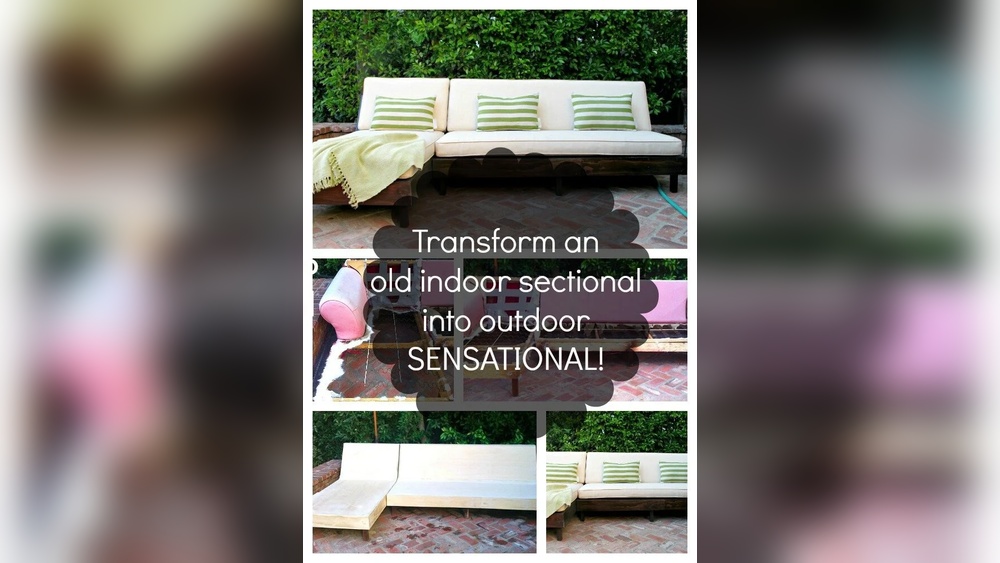
Imagine stepping into your backyard and sinking into a cozy, stylish outdoor lounge that you built yourself. Sounds amazing, right?
Building your own outdoor lounge furniture isn’t just a fun project—it’s a way to create a unique space that fits your style and needs perfectly. Whether you want a place to relax after work or a spot to entertain friends, this guide will show you simple steps to make it happen.
Ready to transform your outdoor area into your new favorite hangout? Let’s dive in!
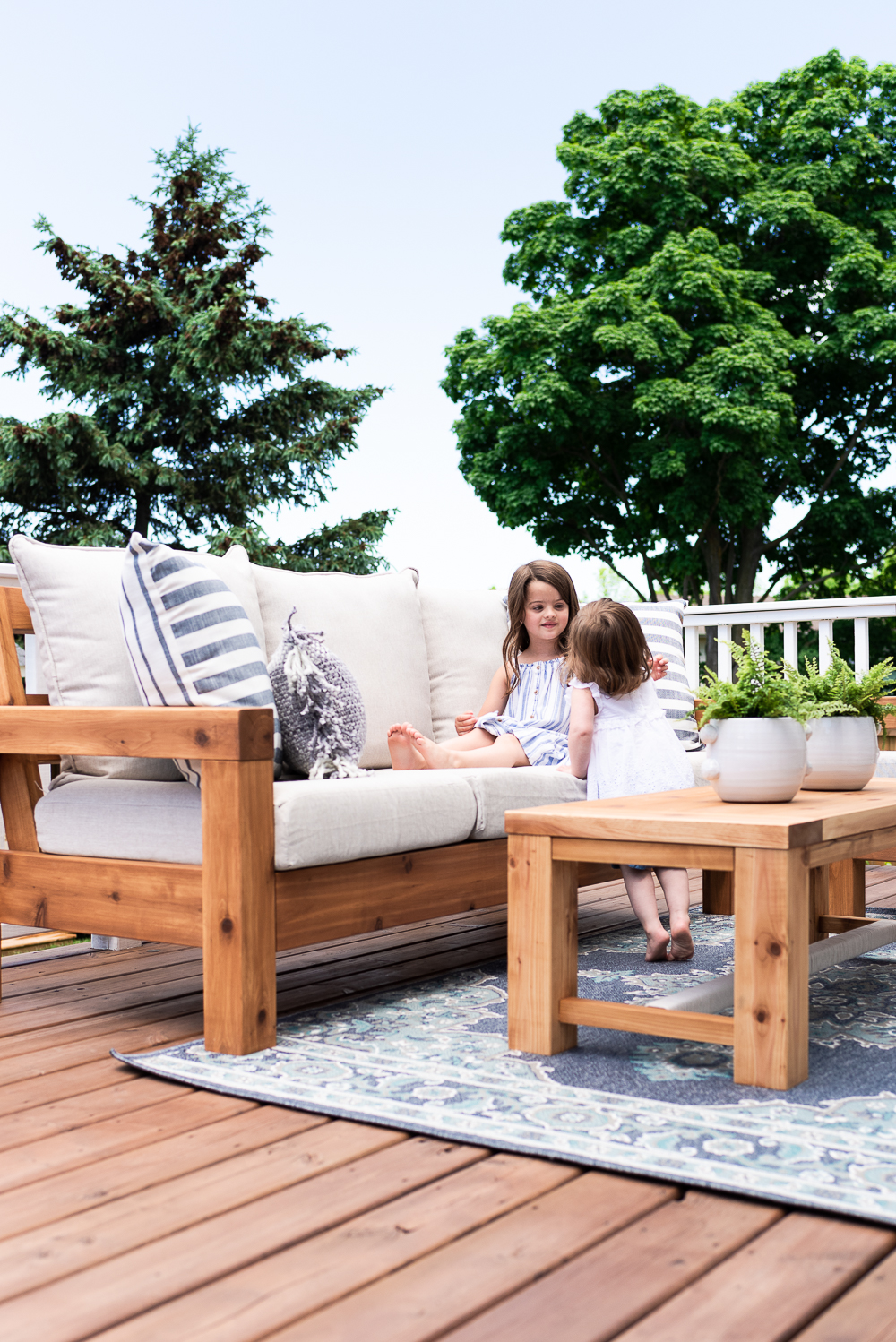
Credit: www.nickandalicia.com
Choosing Materials
Choosing the right materials is key to building outdoor lounge furniture. The materials affect durability, comfort, and style. Picking strong, weather-resistant materials ensures your furniture lasts longer. It also keeps your lounge area looking good through all seasons.
Wood Types For Durability
Hardwoods like teak, cedar, and eucalyptus are great for outdoor furniture. They resist rot and insects naturally. Teak is oily, which helps it stay strong in rain and sun. Cedar has a nice smell and keeps bugs away. Eucalyptus is a budget-friendly option with good durability. Softwoods like pine need extra treatment to last outdoors. Always seal and finish wood to protect it.
Metal Options And Finishes
Metal frames add strength and style to lounge furniture. Aluminum is light and does not rust. Steel is stronger but can rust if not coated. Look for powder-coated finishes that protect metal from weather. Wrought iron looks classic but needs regular care to prevent rust. Choose metals with finishes that suit your climate and maintenance level.
Weather-resistant Fabrics
Fabrics must handle sun, rain, and wind without fading or tearing. Solution-dyed acrylic and polyester fabrics resist moisture and mildew. They dry quickly and stay bright under sunlight. Look for fabrics labeled as UV-resistant and water-repellent. Easy-to-clean fabrics help keep your furniture fresh. Choose cushions with removable covers for simple washing.
Designing Your Lounge
Designing your outdoor lounge is the first step to creating a cozy and inviting space. It sets the tone for comfort and style. Good design helps you make the best use of your outdoor area. Careful planning avoids costly mistakes and wasted materials.
Take time to think about what you want. Focus on your needs and how you will use the lounge. This makes the building process easier and the results better.
Selecting The Style
Choose a style that fits your taste and outdoor setting. Modern, rustic, or classic styles all work well. Consider the materials you want to use, like wood or metal. The style should match your home and garden for a smooth look.
Measuring Your Space
Measure the area where you plan to build your lounge. Note the length, width, and any obstacles like trees or steps. Accurate measurements help you design furniture that fits perfectly. Leave space for walking and movement around the furniture.
Sketching The Layout
Draw a simple plan of your outdoor space on paper. Include the lounge furniture pieces and their positions. This helps visualize the space and how everything fits together. Adjust the layout until it feels balanced and functional.
Gathering Tools And Supplies
Before building outdoor lounge furniture, gather all necessary tools and supplies. This step saves time and avoids interruptions. Having everything ready makes the project smooth and enjoyable.
Essential Tools List
Start with a tape measure for precise cuts. A saw helps shape wood pieces. Use a drill for screws and holes. Sandpaper or an electric sander smooths surfaces. Clamps hold pieces firmly while working. A screwdriver tightens screws easily. Safety glasses protect your eyes. A pencil marks measurements clearly. A level ensures furniture is even. Gloves protect your hands during work.
Safety Gear To Use
Wear safety glasses to shield your eyes from dust. Gloves protect your hands from splinters and cuts. Use ear protection if working with loud tools. Wear a dust mask to avoid inhaling wood dust. Choose closed-toe shoes to protect your feet. Dress in comfortable, fitted clothes to avoid snagging. Keep a first aid kit nearby for emergencies.
Where To Source Materials
Buy wood from local hardware stores or lumber yards. Choose weather-resistant wood like cedar or teak. Find screws and nails in the hardware aisle. Outdoor cushions and fabrics come from home decor shops. Check online stores for specialty tools and parts. Recycled wood is an eco-friendly option. Visit craft stores for paint and finishes. Compare prices to stay within budget.
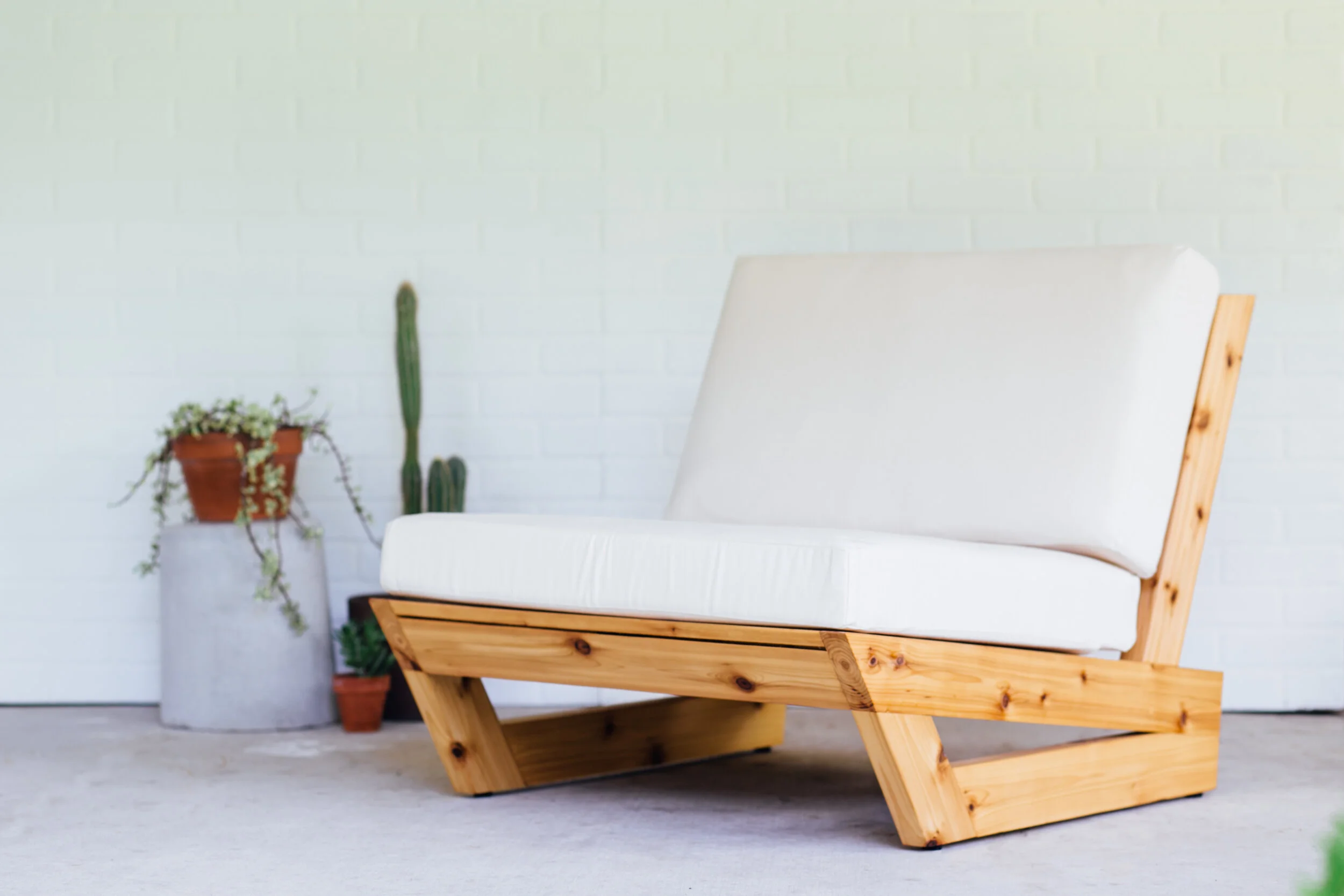
Credit: www.makergray.com
Building The Frame
Building the frame is the first big step in creating outdoor lounge furniture. A strong frame makes the furniture safe and lasting. It also sets the shape and style of your piece. Taking care in this stage saves time and effort later.
Cutting And Preparing Wood
Start with good quality wood. Cedar, teak, and redwood resist weather well. Measure all pieces carefully before cutting. Use a saw to cut wood to the right lengths. Sand each piece smooth to avoid splinters. Clean off dust before assembly.
Assembling The Base
Lay out the wood pieces on a flat surface. Join the frame parts using wood screws or nails. Keep corners square with a carpenter’s square tool. Make sure the base sits level to the ground. Tighten all fasteners firmly but avoid splitting wood.
Reinforcing Joints
Add extra support at connection points. Use metal brackets or wood blocks inside corners. Apply waterproof wood glue for stronger hold. Check that joints do not move or wiggle. Solid joints make the furniture safe to use outdoors.
Adding Comfort Features
Adding comfort features to your outdoor lounge furniture makes it cozy and inviting. Softness and support turn plain wood or metal into a relaxing spot. Small changes can create a big difference in comfort and style.
Installing Cushions And Padding
Start with cushions for the seat and back areas. Choose weather-resistant fabric to keep cushions dry and clean. Use foam padding inside cushions for soft support. Attach cushions securely with ties or Velcro to prevent slipping. Pick colors that match your outdoor decor for a nice look.
Attaching Backrests
Backrests provide essential support for long sitting sessions. Build or buy backrests that fit your furniture frame. Fix them firmly using screws or brackets for safety. Add padding or cushions to the backrests for extra softness. A well-built backrest improves posture and comfort outdoors.
Incorporating Armrests
Armrests add convenience and style to lounge furniture. Attach armrests at a comfortable height for resting arms. Use sturdy wood or metal that matches the furniture. Sand and finish armrests to avoid splinters and rough edges. Consider padding or cushions for a softer touch.
Finishing Touches
Finishing touches make your outdoor lounge furniture look great and last longer. These steps protect the wood and give your piece a smooth, clean look. Take time with this part to ensure your furniture is both beautiful and strong.
Sanding And Smoothing Surfaces
Start by sanding all wood surfaces. Use medium-grit sandpaper to remove rough spots and splinters. Next, switch to fine-grit for a smooth finish. Sand along the wood grain to avoid scratches. This step helps paint or stain stick well and gives a polished feel.
Applying Paint Or Stain
Choose paint or stain that suits your style and outdoor needs. Apply with a brush or roller in thin, even coats. Let each coat dry fully before adding another. Paint offers bright colors and a solid cover. Stain shows the wood grain and adds color softly.
Sealing For Weather Protection
Seal your furniture to guard against rain, sun, and dirt. Use a clear outdoor sealer or varnish. Apply it evenly and cover all surfaces. Reapply every year or as needed to keep protection strong. Sealing keeps the wood from cracking and fading over time.
Maintenance Tips
Keeping your outdoor lounge furniture in good shape makes it last longer. Regular care protects it from weather damage and dirt. Simple steps help keep your furniture looking fresh and inviting.
Cleaning And Care
Clean your furniture often to stop dirt buildup. Use a soft brush or cloth to remove dust and leaves. Mild soap and water work well for most materials. Avoid harsh chemicals that can damage surfaces. Rinse with clean water and dry with a towel. This stops mold and mildew from growing.
Seasonal Storage Advice
Store furniture indoors during cold or rainy seasons. Cover pieces with waterproof covers if kept outside. Remove cushions and store them in a dry place. This prevents fading and moisture damage. Proper storage helps your furniture last through harsh weather.
Repairing Wear And Tear
Check for loose screws or broken parts regularly. Tighten screws to keep pieces steady and safe. Use wood filler or touch-up paint for scratches. Replace worn-out cushions or fabric covers. Small fixes stop bigger problems and keep furniture looking good.

Credit: www.youtube.com
Frequently Asked Questions
What Materials Are Best For Outdoor Lounge Furniture?
Teak, cedar, and synthetic wicker are ideal for outdoor lounge furniture. These materials resist weather, decay, and insects. They offer durability and low maintenance, ensuring your furniture lasts through seasons. Choose finishes that protect against UV rays and moisture for added longevity.
How Do I Protect Outdoor Lounge Furniture From Weather?
Use waterproof covers or store furniture indoors during harsh weather. Apply sealants or protective oils regularly to wooden surfaces. Cleaning furniture often prevents dirt buildup and damage. Position furniture under shade or umbrellas to minimize sun exposure and fading.
What Tools Do I Need To Build Outdoor Lounge Furniture?
Essential tools include a saw, drill, measuring tape, screwdriver, and sander. You may also need clamps, wood glue, and paintbrushes for finishing. Having safety gear like gloves and goggles is important. Proper tools ensure precision and safety during construction.
How Long Does It Take To Build Outdoor Lounge Furniture?
Building time depends on design complexity and skill level. Simple projects can take a weekend, while detailed ones may require several days. Proper planning and preparation speed up the process. Taking your time ensures quality and safety in the final product.
Conclusion
Building outdoor lounge furniture can be a fun and rewarding project. You get to create a comfortable space for friends and family. Using the right materials helps your furniture last longer. Simple tools and clear steps make the process easier.
Don’t rush; take your time for the best results. Personal touches add charm and uniqueness to your furniture. Enjoy your new outdoor lounge and the time spent outside. This project brings both relaxation and satisfaction. Give it a try—you might surprise yourself with what you build.