Are you tired of finding your outdoor furniture scratched, fur-covered, or even soaked with cat accidents? You’re not alone.
Cats love to explore, climb, and lounge on your patio chairs and tables, turning your relaxing space into a feline playground. But what if you could enjoy your outdoor area without worrying about your furry visitors causing damage? You’ll discover simple and effective ways to keep cats off your outdoor furniture—so you can protect your space and enjoy your time outside worry-free.
Keep reading to find easy solutions that really work!

Credit: jardina.com
Common Reasons Cats Target Furniture
Cats often target outdoor furniture for several natural reasons. Understanding why cats are drawn to these spots helps solve the problem. Their behavior is not random. It shows their needs and instincts at work.
Scent Marking Habits
Cats use scent to mark their territory. Furniture is a prime spot for this. They rub their faces and bodies on furniture to leave their scent. This tells other cats this area belongs to them. It also gives cats a sense of security.
Seeking Comfort And Warmth
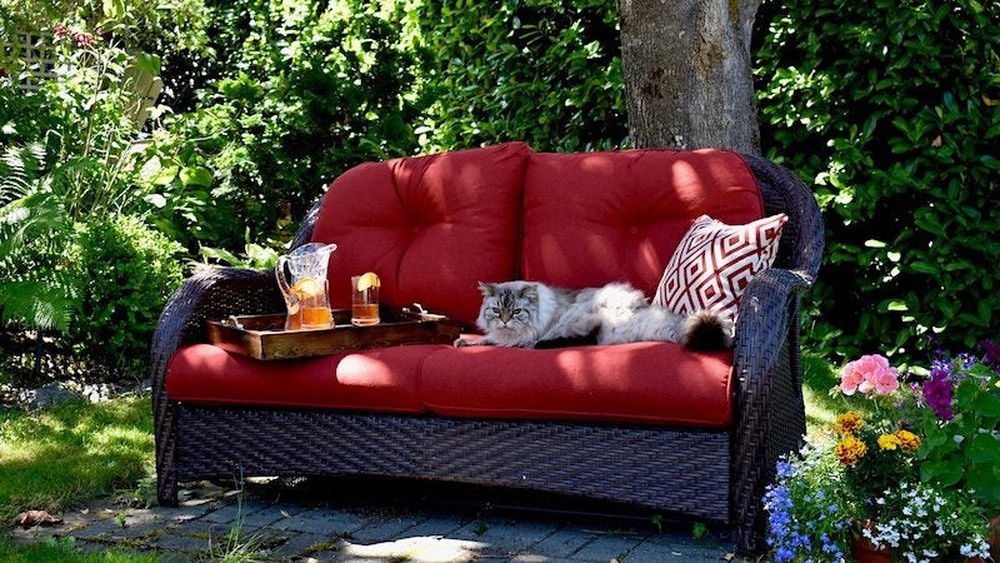
Outdoor furniture offers soft, warm places to rest. Cats love cozy spots for naps. Cushions and fabric hold body heat well. Sunlight on furniture adds extra warmth. This makes furniture a perfect resting place for cats.
Curiosity And Playfulness
Cats are naturally curious animals. They explore new textures and smells on furniture. Outdoor furniture also provides a playground. Cats enjoy jumping, climbing, and hiding there. Play keeps them active and happy.
Physical Barriers To Protect Furniture
Physical barriers offer a strong way to keep cats off outdoor furniture. These barriers create a clear boundary that cats do not like to cross. They stop cats from scratching, sitting, or marking your furniture. Using physical methods protects your furniture without hurting the cats. These methods are safe, effective, and easy to set up.
Using Covers And Slipcovers
Covers and slipcovers shield your furniture from cat claws and fur. Choose materials that cats dislike, such as plastic or vinyl. These covers are easy to clean and replace. They also prevent stains and damage from dirt and moisture. Slipcovers can be removed and washed regularly to keep furniture fresh.
Installing Mesh Or Netting
Mesh or netting forms a barrier that cats cannot cross easily. Install it around or above your furniture. This stops cats from jumping onto seats or tables. Use fine mesh to prevent cats from squeezing through. The mesh is light and does not block air or light. It works well for patios and balconies.
Placement Of Deterrent Mats
Deterrent mats have a texture cats dislike under their paws. Place these mats on or near your furniture. Cats avoid walking on rough or sticky surfaces. Mats are easy to move and clean. They do not harm cats but discourage them from sitting or scratching. This method keeps furniture safe and cats comfortable.
Scent-based Repellents
Scent-based repellents work by using smells cats dislike. Cats have a strong sense of smell. Certain scents make them avoid places quickly. Using these repellents on outdoor furniture keeps cats away without harm. They are easy to apply and safe for your garden. Let’s explore some common scent-based repellents and how to use them effectively.
Essential Oils Cats Avoid
Many essential oils have smells cats dislike. Examples include citrus, lavender, eucalyptus, and peppermint. These oils irritate a cat’s sensitive nose. Dilute the oils with water before use. Spray the mixture around your furniture. Avoid direct contact with cats to keep them safe. Repeat the spray regularly for best results. Essential oils offer a natural way to deter cats.
Commercial Cat Repellents
Stores sell ready-made sprays and granules to keep cats away. These products contain scents cats find unpleasant. They are easy to use and last longer outdoors. Follow the instructions on the label carefully. Many sprays are safe for plants and pets. Commercial repellents save time and effort. Choose one that fits your needs and budget.
Homemade Spray Solutions
Making your own spray is simple and cheap. Mix water with vinegar or citrus juice. Add a few drops of essential oil for extra power. Pour the mix into a spray bottle. Spray around the furniture and nearby areas. Repeat every few days or after rain. Homemade sprays are effective and safe. They help protect your outdoor space from cats.

Credit: jardina.com
Behavioral Techniques To Deter Cats
Keeping cats off outdoor furniture takes patience and smart methods. Behavioral techniques help change cat habits gently. Cats respond well to consistent, kind guidance. These techniques make your furniture less appealing to cats. They also keep cats safe and happy outside.
Training With Positive Reinforcement
Reward cats for staying off the furniture. Use treats or gentle praise when cats obey. Avoid punishment, as it can cause fear. Repeat training often for best results. Cats learn fast with kindness and rewards.
Using Motion-activated Devices
Motion-activated devices startle cats without harm. Devices may spray water or emit sound. Place them near furniture to protect it. Cats soon associate furniture with an unpleasant surprise. This teaches cats to stay away.
Providing Alternative Resting Spots
Offer cats comfy places away from furniture. Use soft beds or shaded areas outside. Cats like cozy, safe spots to rest. Good alternatives reduce their interest in furniture. Change these spots often to keep cats curious.
Maintenance Tips To Keep Furniture Cat-free
Keeping cats off outdoor furniture needs regular care. Maintenance helps stop cats from scratching or sitting on your furniture. Small daily actions make a big difference in protecting your outdoor space. Follow these simple tips to keep your furniture cat-free and looking good longer.
Regular Cleaning And Odor Removal
Clean furniture often to remove cat smells. Cats return to places with their scent. Use mild soap and water to wash surfaces. Dry furniture well to stop damp smells. Try natural odor removers like vinegar or baking soda. These keep your furniture fresh and less attractive to cats.
Removing Tempting Items
Clear away cushions or blankets cats like to sit on. Remove toys or plants that attract them. Avoid leaving food or crumbs on furniture. Cats come for comfort and smells. Taking away these items reduces their interest in your furniture.
Consistent Routine And Monitoring
Check furniture daily for cat signs like fur or scratches. Gently discourage cats if you see them near. Use water spray or noise to keep cats away without harm. Stay consistent with your actions. Cats learn quickly and will avoid your furniture over time.

Credit: www.polywood.com
Frequently Asked Questions
How Can I Naturally Keep Cats Off Outdoor Furniture?
Use citrus peels or sprays on furniture. Cats dislike citrus scents, helping keep them away naturally. Regularly replace peels for effectiveness.
What Safe Repellents Prevent Cats On Outdoor Furniture?
Commercial cat repellents with natural ingredients are safe. Apply as directed to furniture surfaces. They deter cats without harming them.
Does Covering Furniture Help Keep Cats Away?
Yes, covering furniture with plastic or tarps deters cats. It makes surfaces uncomfortable for cats to sit or scratch.
Can Motion-activated Devices Stop Cats On Furniture?
Motion-activated sprinklers or ultrasonic devices effectively scare cats. They activate when cats approach, discouraging repeat visits to furniture.
Conclusion
Keeping cats off outdoor furniture takes patience and simple steps. Use safe, natural deterrents that cats dislike. Cover furniture with protective materials when not in use. Try placing plants cats avoid nearby. Consistency is key to success. Your outdoor space can stay clean and comfortable.
Enjoy your furniture without worrying about cats. Small changes make a big difference. Stay calm and keep trying different methods. Soon, your outdoor area will be peaceful and cat-free.