Are you tired of finding your outdoor furniture scratched, chewed, or damaged by pesky squirrels? You’re not alone.
These little critters can turn your beautiful patio set or garden bench into a gnawed mess in no time. But don’t worry—there are simple, effective ways to stop squirrels from ruining your outdoor space. Keep reading, and you’ll discover easy tips that protect your furniture and help you enjoy your backyard without unwanted visitors chewing away.
Why Squirrels Gnaw On Furniture
Squirrels often chew on outdoor furniture. This behavior can cause damage and frustration. Understanding why squirrels gnaw helps protect your furniture better.
Squirrel Behavior And Needs
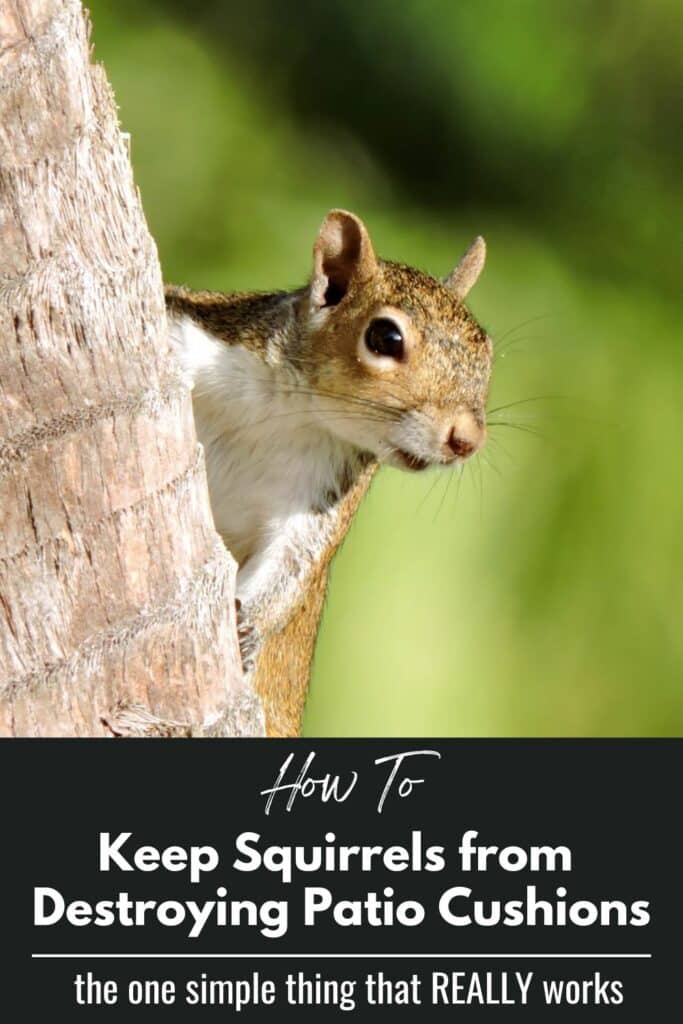
Squirrels have teeth that grow all their life. They need to chew to keep their teeth short. Chewing stops their teeth from growing too long and painful.
They also chew to explore new things around them. It is a natural way for squirrels to learn about their environment. Chewing helps them find food or make nests.
Common Targets On Outdoor Furniture
Wood is a favorite target for squirrels. It is easy to bite and soft on their teeth. Wooden chairs, tables, and benches often show teeth marks.
Plastic parts and cushions also attract squirrels. They may chew on cushions to find nesting material. Plastic can be noisy and damaged but still tempting.
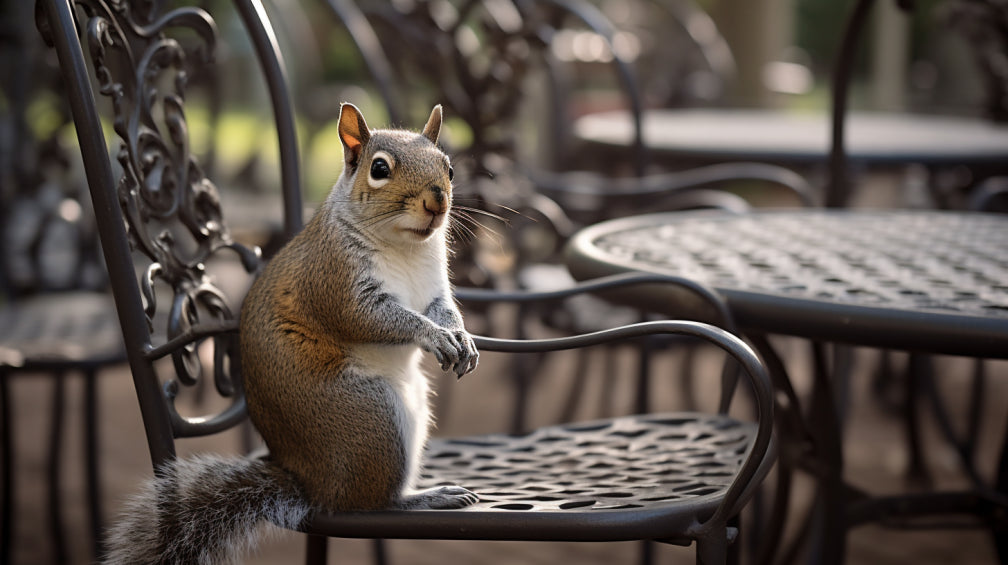
Metal frames are less common targets. Squirrels avoid hard surfaces that do not wear down their teeth. Still, they might scratch or bite metal edges.
Credit: southernhomeandhospitality.com
Materials That Attract Squirrels
Squirrels are curious and often chew on outdoor furniture. Certain materials attract them more than others. Understanding these materials helps protect your furniture. This section explains common materials that squirrels find appealing.
Wood Types And Vulnerability
Wood is a popular material for outdoor furniture. Some types of wood attract squirrels more. Softwoods like pine and cedar are easier to chew. Squirrels like gnawing on these woods to keep their teeth sharp.
Hardwoods such as oak and teak resist chewing better. They are dense and less tasty for squirrels. Choosing hardwood furniture reduces damage from squirrels. Still, no wood is completely safe from persistent squirrels.
Cushions And Fabrics
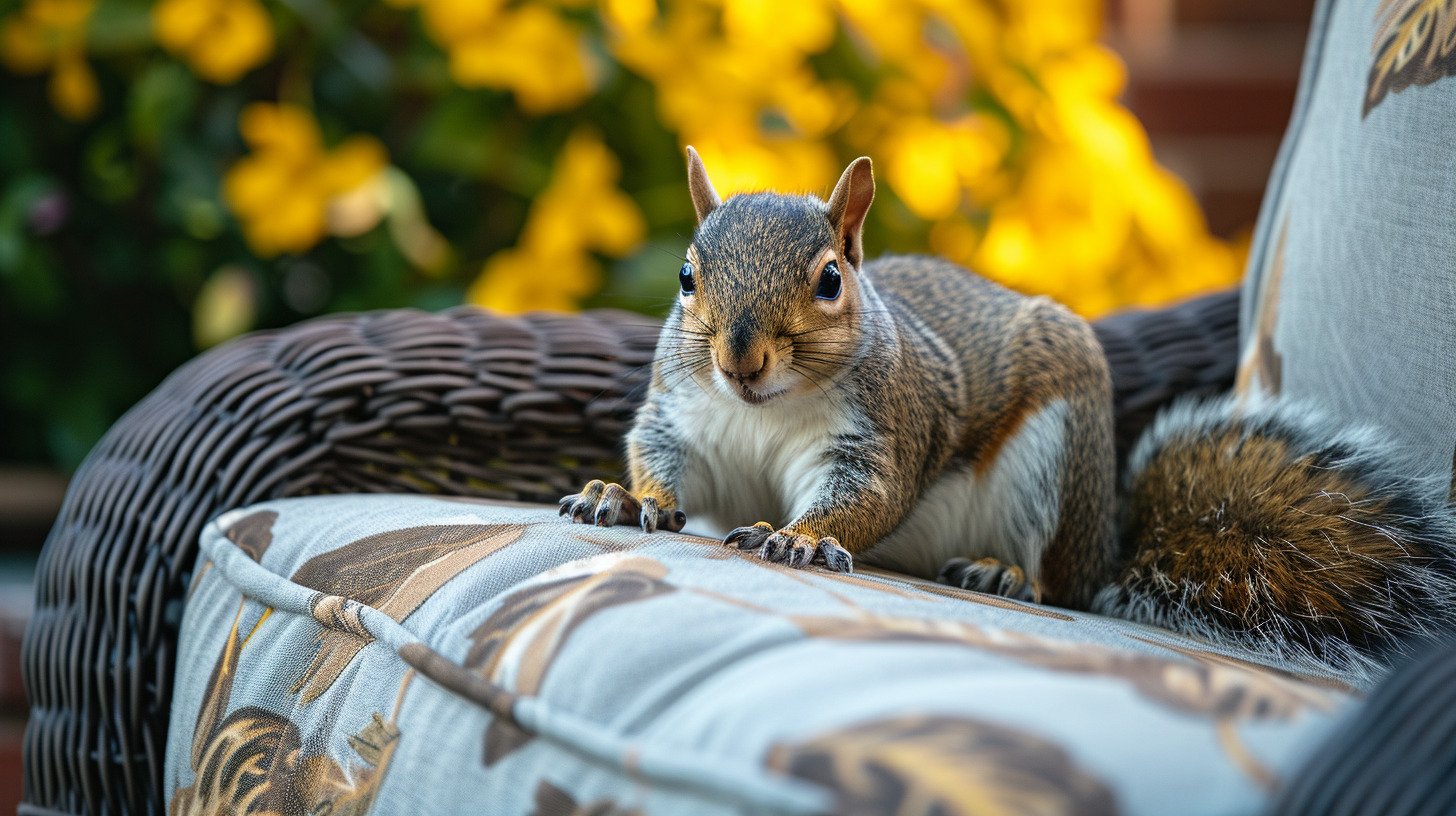
Cushions and fabrics can also attract squirrels. They like soft, easy-to-tear materials. Cotton and polyester cushions are common targets. Squirrels may chew fabric to build nests or find food crumbs.
Brightly colored fabrics sometimes attract squirrels too. They may mistake colors for food or shelter. Using tough, squirrel-resistant fabrics can help. Store cushions indoors when not in use to protect them.
Physical Barriers To Protect Furniture
Physical barriers offer a simple way to stop squirrels from chewing on outdoor furniture. These barriers create a strong shield, making the furniture hard to reach. They help protect wood, plastic, and metal surfaces from damage. Using physical barriers can save money and keep your furniture looking new longer.
Protective Covers And Wraps
Protective covers block squirrels from biting furniture. Use thick, durable covers made for outdoor use. Covers can be plastic, vinyl, or heavy fabric. Wrap the cover tightly around the furniture to stop squirrels from getting underneath. Covers also protect against rain and sun damage. Check covers often for holes or tears and replace if needed.
Using Mesh And Screens
Mesh and screens form a strong fence around furniture legs or bases. Use metal or plastic mesh with small holes. Attach the mesh firmly to stop squirrels from squeezing through. Screens work well for chairs, tables, and benches. Keep the mesh off the ground to avoid rust and dirt. Mesh barriers allow air flow and keep furniture safe from gnawing.
Credit: www.patioproductions.com
Natural Repellents That Work
Squirrels can damage outdoor furniture by chewing on it. Natural repellents offer a safe way to protect your items. These methods keep squirrels away without harmful chemicals. Using natural scents and tastes can discourage squirrels from gnawing on your furniture. These repellents are easy to apply and work well in most yards.
Scent-based Deterrents
Squirrels dislike strong smells. Using natural scents can keep them at a distance. Peppermint oil is one of the best options. Soak cotton balls in peppermint oil and place them near your furniture. The strong smell confuses squirrels and makes them avoid the area.
Other scents like garlic and vinegar also work well. Mix garlic powder or crushed garlic with water and spray it on the furniture. Vinegar can be used the same way. These scents are unpleasant to squirrels and protect your outdoor items.
Taste Repellents
Squirrels avoid certain tastes that irritate their mouths. Bitter sprays made from natural ingredients can stop squirrels from chewing. You can buy bitter apple spray or make your own with cayenne pepper mixed in water. Spray it directly on the furniture.
Another option is to use hot pepper flakes. Sprinkle them around the base of the furniture. The spicy taste deters squirrels from coming close. Taste repellents work best when reapplied after rain or watering.
Homemade Remedies For Squirrel Control
Homemade remedies offer a natural way to protect outdoor furniture from squirrels. These methods use common household items and plants. They keep squirrels away without harmful chemicals. Trying these remedies can save your furniture and your wallet. Simple ingredients and easy steps make these solutions practical and safe.
Diy Sprays And Mixtures
DIY sprays use strong smells that squirrels dislike. Mix water with vinegar or hot sauce for a spray. Add a few drops of peppermint or garlic oil. Spray it on wooden or plastic furniture surfaces. Reapply often, especially after rain. The strong smell keeps squirrels from chewing. Avoid spraying on fabrics that might stain. These sprays are easy to make and apply.
Planting Deterrent Vegetation
Certain plants repel squirrels naturally. Planting these around your furniture creates a barrier. Examples include mint, daffodils, and marigolds. Mint has a strong scent that squirrels avoid. Daffodils are toxic to squirrels, so they stay away. Marigolds smell strong and act as a natural deterrent. These plants add beauty while protecting your space. Place them in pots or flower beds near furniture.
Behavioral Techniques To Discourage Gnawing
Stopping squirrels from chewing on outdoor furniture requires understanding their behavior. These rodents often gnaw to keep their teeth sharp and explore their surroundings. Changing their habits can reduce damage and protect your furniture. Behavioral techniques focus on making the area less attractive or uncomfortable for squirrels.
Noise And Movement Deterrents
Squirrels dislike sudden noises and quick movements. You can use wind chimes, motion-activated alarms, or sprinklers. These devices startle squirrels and push them away from your furniture. Keep these deterrents active to create an unpleasant environment for gnawing. Changing noise patterns helps prevent squirrels from getting used to sounds.
Removing Food Sources Nearby
Squirrels are drawn to areas with easy food access. Keep bird feeders clean and use squirrel-proof designs. Remove fallen fruits, nuts, or seeds from the ground. Avoid leaving pet food outside for long periods. Without food nearby, squirrels lose interest in your furniture. Regular cleaning reduces their motivation to stay in your yard.
Maintenance Tips To Prevent Future Damage
Preventing squirrels from gnawing on outdoor furniture starts with good maintenance. Taking care of your furniture regularly stops small problems from growing. It also keeps your furniture looking nice and lasting longer. Simple steps can protect your investment and keep squirrels away.
Regular Inspection And Repair
Check your furniture often for signs of damage. Look for small teeth marks or scratches. Early spotting helps fix issues quickly before they get worse. Tighten loose screws and fix broken parts right away. Repairing small damage makes furniture less tempting for squirrels.
Applying Protective Finishes
Use protective coatings to shield wood and metal surfaces. Paint, varnish, or sealants create a tough layer that squirrels cannot easily chew. Reapply these finishes every year or after heavy rain. This extra protection stops moisture and pests from harming your furniture.
When To Call A Professional
Knowing when to call a professional is important for protecting outdoor furniture from squirrels. Small problems can turn into big damage quickly. Experts can handle tough situations safely and effectively. Sometimes, the signs show that help is needed beyond home solutions.
Signs Of Severe Infestation
Look for many chewed spots on furniture and nearby wood. Squirrels leave droppings and nesting materials around the area. Loud noises in the attic or walls can signal many squirrels inside. Damage to electrical wiring or insulation is a serious warning. If these signs appear, the problem is likely severe.
Professional Exclusion Methods
Professionals use special techniques to block squirrels from entering. They install barriers and seal holes in walls and roofs. Traps may be used to catch squirrels safely and remove them. Experts know how to protect your home without harm to animals. Their work stops squirrels from coming back and saves your furniture.
Credit: fj-outdoors.com
Frequently Asked Questions
How Do Squirrels Damage Outdoor Furniture?
Squirrels chew wood and fabric, causing structural damage and unsightly marks. They gnaw to keep their teeth sharp and to build nests. This can weaken furniture and reduce its lifespan, making it important to protect your outdoor pieces from these persistent rodents.
What Natural Repellents Stop Squirrels From Gnawing?
Natural repellents like peppermint oil, cayenne pepper, and garlic spray deter squirrels. These strong smells irritate their senses, discouraging them from approaching furniture. Regular application helps maintain effectiveness and keeps your outdoor furniture safe without harmful chemicals.
Can Physical Barriers Prevent Squirrel Damage?
Yes, physical barriers like mesh screens or furniture covers block squirrels from accessing surfaces. Wrapping legs or edges with metal flashing or wire mesh stops chewing. These barriers provide a long-term solution to protect your outdoor furniture effectively.
Does Squirrel-proofing Furniture Require Regular Maintenance?
Regular maintenance is essential to keep squirrels away. Reapply repellents frequently and inspect physical barriers for damage. Clean furniture to remove scents that attract squirrels. Consistent effort ensures your outdoor furniture remains protected against gnawing.
Conclusion
Stopping squirrels from chewing outdoor furniture takes patience and care. Use barriers and natural repellents to keep them away. Keep food sources out of reach to reduce their visits. Regularly inspect your furniture for damage and act quickly. Small steps can protect your outdoor space effectively.
Stay consistent with your efforts for the best results. Enjoy your furniture without worry or stress. Squirrels can be tricky, but you can handle it.