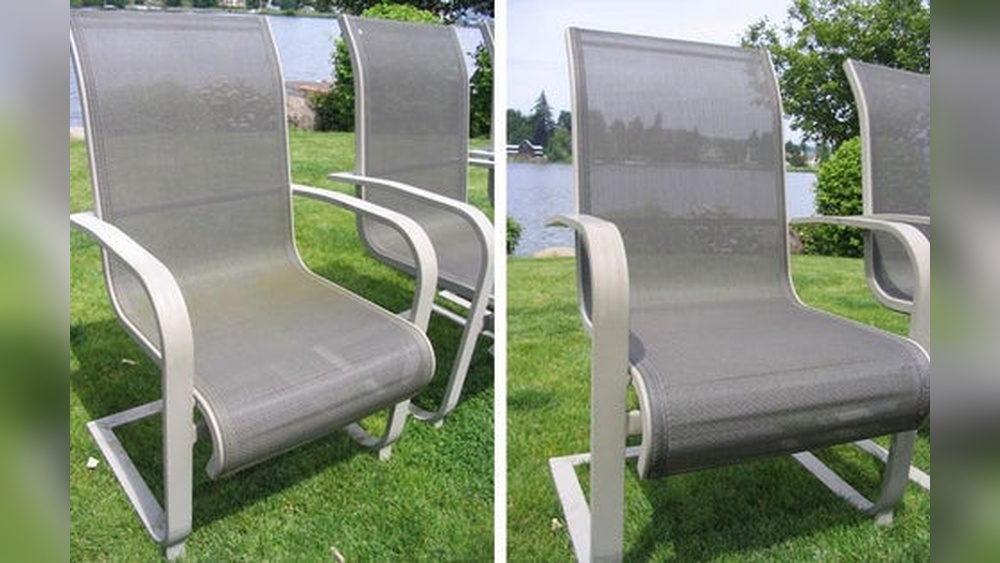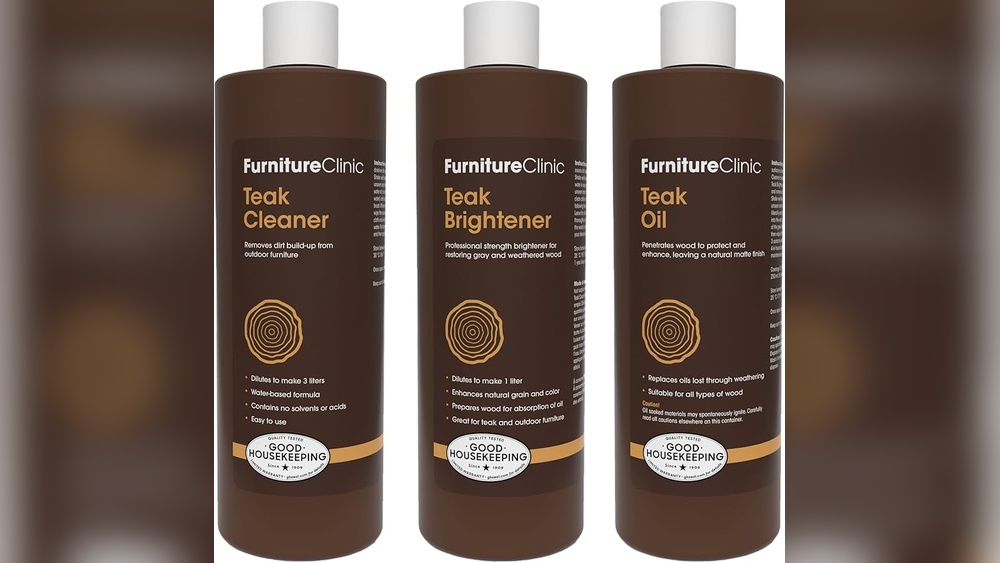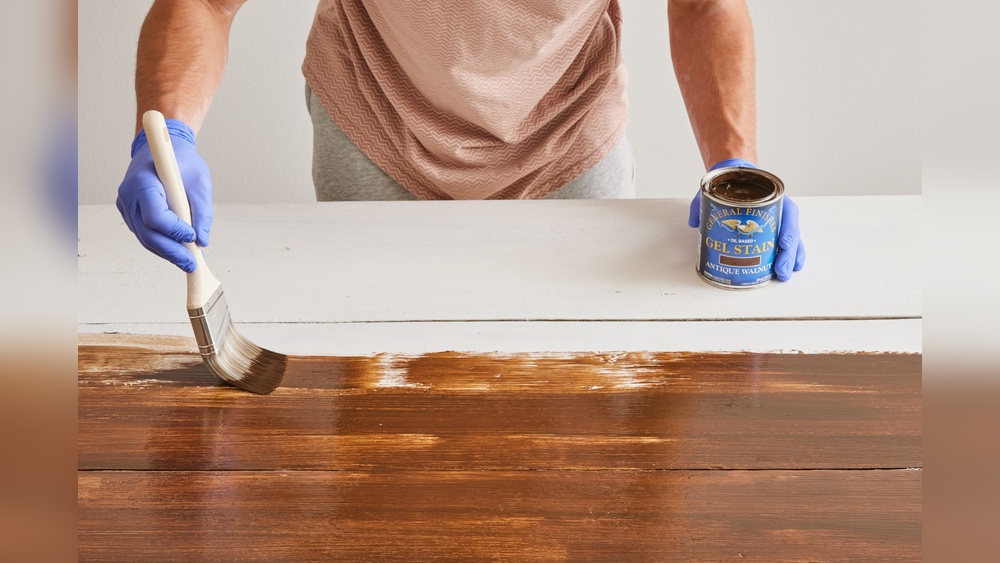
Are you wondering if you can use a stain over paint on your outdoor furniture? You’re not alone.
Many people want to refresh their outdoor pieces but aren’t sure if staining over paint is a good idea. The truth is, doing this the right way can give your furniture a fresh look and protect it from the elements.
But if you get it wrong, you might end up with peeling, cracking, or uneven color. Keep reading, and you’ll discover exactly how to tackle this project so your outdoor furniture looks great and lasts longer.
Stain Vs Paint For Outdoor Furniture
Choosing between stain and paint for outdoor furniture affects look and protection. Each option offers unique benefits and challenges. Understanding these helps in making the right choice for your outdoor space.
Differences In Finish And Protection
Paint creates a solid, opaque layer on furniture surfaces. It covers wood grain completely and offers a smooth finish. Stain soaks into wood, showing the natural grain and texture. Stain provides a more natural appearance. Paint blocks moisture and UV rays effectively. Stain also protects but allows wood to breathe more. Both help guard against weather damage but in different ways.
Durability Factors
Paint tends to last longer on outdoor furniture. It resists peeling and cracking when applied properly. Stain may need reapplication every few years to maintain protection. Paint forms a strong barrier against rain, sun, and wind. Stain penetrates wood, reducing damage from moisture inside the wood. Both require surface preparation for best results. Proper maintenance extends the life of both finishes.
Aesthetic Considerations
Paint offers a wide range of colors and a bold look. It can hide wood flaws and create uniform color. Stain enhances the wood’s natural beauty and texture. It gives a more rustic or classic appearance. Color options are fewer but richer in tone. The choice depends on style preference and furniture type. Both can improve outdoor furniture’s visual appeal effectively.
Compatibility Of Stain Over Paint
Using stain over paint on outdoor furniture is tricky. The two materials have different properties. Paint forms a solid, opaque layer. Stain soaks into wood and highlights its texture. Their compatibility depends on the type of paint and surface condition.
Choosing the right paint and preparing the surface carefully helps. It ensures the stain sticks well and lasts longer. Understanding common problems can save time and effort. This knowledge improves the final look of your furniture.
Types Of Paint Suitable For Staining
Latex and acrylic paints are the most common types. They form a flexible and breathable layer. Oil-based paints create a hard, non-porous surface. Stain does not absorb well on oil-based paint. Chalk paint is porous and may work with some stains. Paint with a smooth, glossy finish blocks stain absorption. Flat or matte paints tend to be better for staining.
Surface Preparation Requirements
Cleaning the painted surface is the first step. Remove dirt, grease, and loose paint. Light sanding helps the stain grip the surface. Use fine-grit sandpaper for best results. Avoid sanding too hard to prevent damage. The surface must be dry and dust-free before staining. Proper preparation ensures even stain application.
Common Challenges
Stain may not penetrate painted surfaces evenly. This can cause blotchy or patchy results. Peeling or chipping paint will ruin the stain effect. Moisture trapped under paint leads to peeling. Stain color may differ from expectations. It can appear lighter or darker over paint. Testing on a small area helps avoid surprises. Patience is key to good results.
Preparing Painted Furniture For Stain
Preparing painted furniture for stain is key to a smooth and lasting finish. The surface must be clean, rough enough for the stain to stick, and free from gloss. These steps help the stain soak in evenly and prevent peeling or blotching.
Follow simple preparation methods to get the best result on outdoor furniture. Each step improves how the stain bonds with the painted wood.
Cleaning Techniques
Start by removing dirt, dust, and grease from the furniture. Use a mild soap mixed with water and a soft cloth or sponge. Avoid harsh chemicals that can damage the paint. Rinse with clean water and let the furniture dry fully before moving on.
Sanding And Surface Scuffing
Lightly sand the painted surface to create a rough texture. Use fine-grit sandpaper, around 220 grit, to avoid damaging the paint. Sand in the direction of the wood grain. This step allows the stain to grip the surface better. After sanding, wipe away dust with a damp cloth.
Removing Gloss And Sealing
Glossy paint prevents stain absorption. Use a deglosser or sanding to dull the shine. This step ensures the stain penetrates the wood. If the paint is sealed or has a topcoat, check if it allows stain application. You may need to remove the sealer or apply a stain-friendly primer before staining.
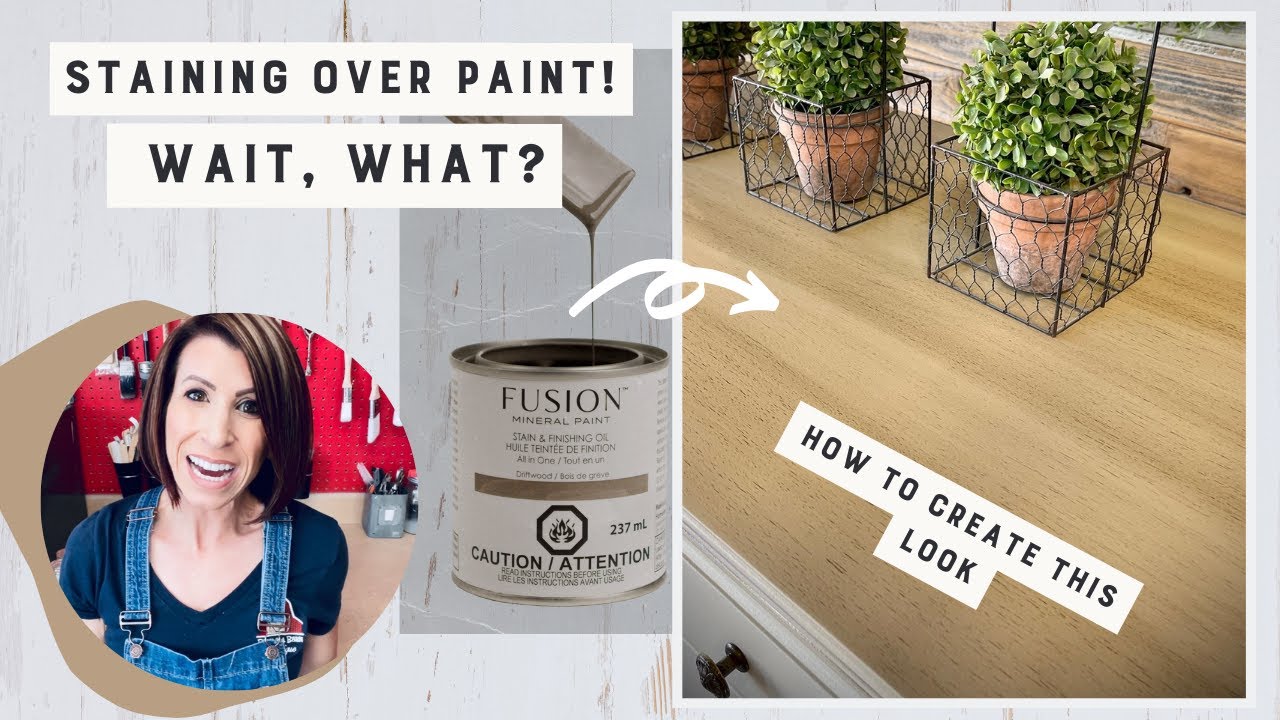
Credit: www.youtube.com
Choosing The Right Stain
Choosing the right stain for outdoor furniture is very important. The right stain protects wood and improves its look. Outdoor furniture faces sun, rain, and wind. A good stain keeps the wood strong and beautiful for years. Not all stains work well over paint. You must pick a stain that fits your furniture’s condition and style.
Oil-based Vs Water-based Stains
Oil-based stains soak deep into wood. They last longer and protect better against water. Oil stains work well on rough or old wood. They can be harder to clean up and take longer to dry.
Water-based stains dry fast and clean easily with soap and water. They have less odor and are better for the environment. Water stains keep color bright but may not last as long in tough weather.
Transparent Vs Solid Stains
Transparent stains show the wood grain clearly. They add color but keep the natural look. These stains need more frequent reapplication because they offer less protection.
Solid stains cover the wood completely like paint. They hide imperfections and give strong protection against sun and rain. Solid stains last longer but hide the wood grain.
Color Selection Tips
Choose colors that match your outdoor space. Light colors reflect sunlight and keep wood cooler. Dark colors can fade faster but hide dirt well.
Pick a color that blends with your home or garden. Test a small spot before staining all furniture. This helps avoid surprises and ensures you like the color.
Step-by-step Staining Process
Staining outdoor furniture over paint requires careful preparation and technique. This step-by-step process helps you achieve a smooth, long-lasting finish. Follow each step closely to protect your furniture and enhance its appearance.
Applying Primer Or Conditioner
Start by cleaning the furniture to remove dirt and grease. Sand the surface lightly to help the primer stick better. Use a primer or wood conditioner designed for outdoor use. Apply it evenly with a brush or cloth. Let it dry fully before moving to the next step. This step prevents blotches and improves stain absorption.
Stain Application Methods
Choose the right stain type for your project—oil-based or water-based. Use a brush, cloth, or sponge to apply the stain. Work in small sections to keep the finish even. Apply with the wood grain for best results. Wipe off excess stain after a few minutes to avoid sticky spots. Multiple thin coats give a richer color than one thick coat.
Drying And Curing Times
Allow the stain to dry in a shaded, well-ventilated area. Drying time varies by stain type and weather conditions. Wait at least 24 hours before touching the surface. Full curing can take several days. Avoid heavy use or moisture during this period. Proper drying ensures the stain lasts longer and resists outdoor damage.
Maintenance And Longevity
Maintaining outdoor furniture stained over paint requires care to keep it looking good longer. Proper maintenance helps protect the wood from weather damage and wear. Simple steps can extend the life of your furniture and keep the colors vibrant.
Protective Finishes To Use
Choose clear sealers or varnishes made for outdoor use. These finishes guard against water, sun, and dirt. Use finishes that allow the wood to breathe to avoid peeling. A good finish keeps the stained paint layer safe and strong.
Regular Upkeep Tips
Clean furniture regularly with mild soap and water. Avoid harsh chemicals that can strip the stain or paint. Check for dirt or mildew and remove it quickly. Cover furniture or store it indoors during bad weather. These habits prevent damage and fading.
Signs You Need To Reapply
Look for fading or dullness in the color. Peeling or cracking finish means the protective layer is failing. Water soaking into the wood shows the finish needs reapplying. Address these signs early to keep furniture in top shape.
Expert Mistakes To Avoid
Applying stain over paint on outdoor furniture can be tricky. Many make avoidable mistakes that ruin the finish. Knowing these common errors helps protect your work and furniture.
Skipping Surface Prep
Surface preparation is the first step. Dirt, grease, and old paint can block the stain. Clean the furniture well with soap and water. Sand the surface lightly to help the stain stick. Skipping this step causes uneven color and peeling later.
Using Incompatible Products
Not all stains work well over paint. Choose a stain designed for painted surfaces or wood. Oil-based stains may not dry correctly over some paints. Test a small area first to check compatibility. Wrong products lead to sticky or patchy finishes.
Ignoring Weather Conditions
Weather affects how stain dries and lasts. Avoid staining on rainy or very humid days. Heat from direct sun can cause the stain to dry too fast and crack. Pick a calm, dry day with mild temperatures. Proper weather ensures smooth drying and better protection.
:max_bytes(150000):strip_icc()/SPR-how-to-stain-over-paint-4587769-hero-8f8802e404cf403b91262cb142d64712.jpg)
Credit: www.thespruce.com
Credit: www.rainbowchalk.com
Frequently Asked Questions
Can You Apply Stain Directly Over Painted Outdoor Furniture?
No, applying stain directly over paint is not recommended. Paint creates a sealed surface, preventing stain absorption. To use stain, you must first strip or sand the paint to expose bare wood. This ensures the stain penetrates and adheres properly.
What Prep Is Needed Before Staining Painted Furniture?
You need to remove the paint by sanding or using a chemical stripper. Clean the surface thoroughly afterward. This allows the stain to soak into the wood and provides better adhesion for a long-lasting finish.
Does Staining Over Paint Protect Outdoor Furniture?
Staining over paint does not provide proper protection. Paint forms a barrier, blocking stain absorption and durability. For outdoor furniture, use stain on bare wood or repaint with suitable outdoor paint for weather resistance.
Can You Change Painted Furniture Color With Stain?
No, stain cannot change the color of painted furniture effectively. Stain works by penetrating wood, not paint. To change color, strip the paint first, then apply the desired stain on the bare wood surface.
Conclusion
Using a stain over paint on outdoor furniture can work well with the right steps. Make sure the paint is clean, dry, and not peeling. Choose a stain that matches your paint type for best results. Test a small area first to see how it looks.
Staining can refresh old pieces and add new color. This simple process helps protect your furniture from weather. Keep the finish looking good by regular care. Outdoor furniture can look great and last longer this way.