Are you wondering if you can sandblast your wrought iron outdoor patio furniture? Maybe your favorite pieces are covered in rust, old paint, or dirt, and you want to restore them to their former beauty.
Sandblasting might seem like a quick fix, but is it really safe for your furniture? You’ll discover exactly how sandblasting works on wrought iron, what to watch out for, and the best way to bring your patio furniture back to life.
Keep reading to find out how you can protect your investment and enjoy a stunning outdoor space again.
Benefits Of Sandblasting Wrought Iron
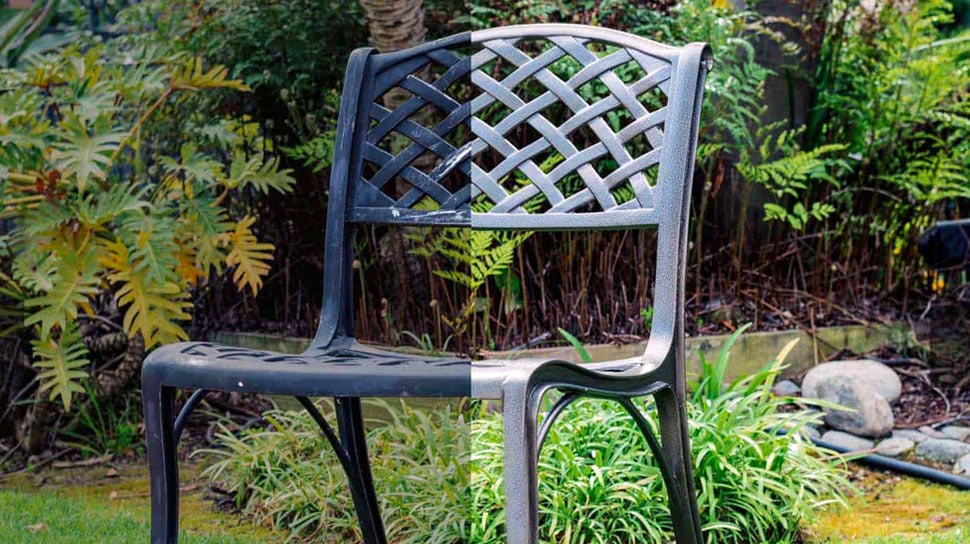
Sandblasting wrought iron outdoor patio furniture offers many benefits. It cleans and restores metal surfaces effectively. The process removes dirt, rust, and old paint. This makes the furniture look fresh and new again. Sandblasting also prepares the surface for painting. It ensures better paint adhesion and longer-lasting protection.
Restoring Original Appearance
Sandblasting removes years of grime and corrosion. It reveals the metal’s true color and texture. This restores the furniture’s original beauty. The metal looks smooth and bright after sandblasting. Old scratches and stains fade away. The furniture regains its charm and elegance quickly.
Removing Rust And Paint
Rust weakens wrought iron and damages its surface. Sandblasting effectively strips away all rust spots. It also removes peeling or chipped paint completely. This prevents further rusting and decay. The process cleans the metal deeply, leaving no residue. It creates a solid base for any repairs or coatings.
Preparing For Repainting
Paint sticks better on a clean, roughened surface. Sandblasting creates a perfect texture for paint adhesion. It removes old paint layers that might peel off later. This ensures the new paint lasts longer without cracking. The furniture gains a smooth, even finish after repainting. Sandblasting helps protect the metal from weather damage too.
Credit: patioguys.com
Types Of Sandblasting Media
Sandblasting is a popular method to clean and restore wrought iron outdoor patio furniture. Choosing the right sandblasting media is key. Different media types work better on different surfaces and levels of rust or paint. Each type offers unique benefits and effects on your wrought iron.
Silica Sand
Silica sand is one of the oldest sandblasting media. It is very abrasive and removes rust and paint quickly. Use silica sand carefully to avoid damaging delicate ironwork. It can create a rough surface, which helps new paint stick better. However, silica sand creates dust that may be harmful if inhaled.
Glass Beads
Glass beads are smooth, round particles. They clean surfaces gently without scratching. Glass beads are ideal for delicate wrought iron details. They leave a shiny, polished finish. This media is less dusty and safer to use than silica sand. It works well to remove light rust and old paint.
Aluminum Oxide
Aluminum oxide is a strong and durable media. It removes heavy rust and thick paint layers effectively. This media also creates a rough surface for better paint adhesion. Aluminum oxide is reusable, making it cost-efficient. It produces less dust than silica sand but more than glass beads.
Steel Grit
Steel grit is made of crushed steel particles. It is very aggressive for tough cleaning jobs. Steel grit removes old paint and rust fast. It also strengthens the metal surface by peening it. This media is good for heavy-duty restoration but can be harsh on thin iron parts.
Safety Measures For Sandblasting
Sandblasting wrought iron outdoor patio furniture can restore its beauty. The process removes rust, old paint, and dirt effectively. Safety is very important during sandblasting. This work involves strong tools and tiny particles flying around. Proper safety measures protect your health and the environment.
Protective Gear Essentials
Wear a full-face mask with eye protection. It stops dust and particles from hitting your face. Use heavy-duty gloves to protect your hands. Wear a long-sleeve shirt and pants to cover your skin. A respirator or dust mask is needed to avoid breathing harmful dust. Boots with good grip help prevent slips. Always check your gear before starting work.
Environmental Precautions
Cover nearby plants and furniture with plastic sheets. This prevents damage from dust and sand. Work in an open area to reduce dust buildup. Avoid sandblasting near water sources to stop pollution. Collect used sand and debris carefully for disposal. Use drop cloths to catch falling particles. Keep pets and children away from the work zone.
Proper Ventilation
Choose a well-ventilated area for sandblasting. Fresh air helps clear dust and fumes quickly. If working indoors, use fans to move air out. Open windows and doors to increase airflow. Avoid enclosed spaces without ventilation. Good air circulation lowers the risk of breathing problems. Take breaks outside to breathe clean air.
Step-by-step Sandblasting Process
Sandblasting is a popular method to restore wrought iron outdoor patio furniture. It removes old paint, rust, and dirt effectively. This process prepares the surface for a fresh coat of paint or finish. Follow these simple steps to achieve the best results.
Cleaning The Furniture
Start by cleaning the furniture thoroughly. Use a brush to remove loose dirt and debris. Wash with soap and water to clear away grease or grime. Let the furniture dry completely before sandblasting. Clean surfaces help the sandblasting work better.
Setting Up Equipment
Choose the right sandblasting equipment for your project. Wear protective gear like gloves, goggles, and a mask. Set up the sandblaster in a well-ventilated area. Connect the compressor and test the pressure. Prepare the abrasive material suitable for wrought iron.
Executing The Sandblast
Hold the nozzle about 6 to 12 inches from the surface. Move it slowly and evenly over the furniture. Focus on rusted or painted areas first. Keep the motion steady to avoid uneven spots. Stop periodically to check progress and adjust as needed.
Post-blasting Cleanup
After sandblasting, wipe down the furniture to remove dust. Use a vacuum or brush to clear remaining abrasive material. Inspect the surface for any missed spots. Apply a rust inhibitor or primer right away. This protects the metal and prepares it for finishing.
Alternative Methods To Sandblasting
Sandblasting is popular for cleaning wrought iron outdoor patio furniture. It removes rust and old paint quickly. But sandblasting is not the only option. Some people prefer gentler or less costly methods. These alternatives can work well for small or delicate pieces. They are easier to control and often safer for DIY projects.
Chemical Paint Strippers
Chemical paint strippers dissolve old paint and rust. You apply the liquid or gel with a brush. Wait for it to work, then scrape off the softened paint. This method avoids harsh sanding or blasting. It can reach tight corners and detailed parts. Always use gloves and work outside or in a ventilated area. Some strippers are safer and eco-friendlier than others.
Wire Brushing
Wire brushing is a manual way to remove rust and paint. Use a wire brush by hand or with a drill attachment. It scrapes off loose material without damaging metal underneath. This method takes time but gives good control. It is best for small areas or touch-ups. Wire brushing also roughens the surface for new paint to stick better.
Power Washing
Power washing sprays water at high pressure to clean surfaces. It can remove dirt, dust, and some loose paint. Power washing is gentle on wrought iron but not strong enough alone for heavy rust. Combine it with wire brushing or chemical strippers for better results. Make sure the furniture is dry before painting or sealing after washing.

Credit: www.cyriousmetalworks.com
Common Challenges And Solutions
Sanding wrought iron outdoor patio furniture with sandblasting can be tricky. Several challenges arise that might affect the final result. Knowing common problems and how to fix them helps protect your furniture and get a smooth finish.
Care is needed during sandblasting to avoid damage. Rust and dirt can be tough to remove without harming delicate parts. Preparing properly ensures the process works well.
Dealing With Delicate Details
Wrought iron furniture often has fine, detailed patterns. Sandblasting can break or wear down these small parts. Use a lower pressure setting to protect the details. Shielding fragile areas with tape or covers prevents unwanted wear. Take your time and work slowly around detailed sections.
Preventing Surface Damage
Strong sandblasting pressure can cause scratches or dents on the metal surface. Choose the right abrasive material for wrought iron. Softer materials reduce the risk of deep marks. Test a small hidden area first to check the effect. Keep the nozzle moving evenly to avoid uneven spots.
Handling Stubborn Rust Spots
Rust on wrought iron can be tough to remove completely. Sandblasting helps but may not remove all rust in one pass. Repeat the process gently on heavy rust areas. After sandblasting, apply a rust inhibitor to stop future corrosion. Proper cleaning and drying before sandblasting improve results.
Maintenance After Sandblasting
After sandblasting wrought iron outdoor patio furniture, proper maintenance is crucial. Sandblasting removes rust and old paint, leaving the metal bare and exposed. Without the right care, the iron can quickly rust again. Maintaining your furniture extends its life and keeps it looking fresh.
Applying Protective Coatings
Apply a rust-inhibiting primer soon after sandblasting. It seals the metal and stops moisture from causing rust. After the primer dries, paint the furniture with a durable outdoor paint. Use paint made for metal surfaces. This adds a strong layer of protection against weather damage.
Regular Cleaning Tips
Clean your wrought iron furniture regularly to avoid dirt buildup. Use mild soap and water with a soft cloth or brush. Avoid harsh chemicals that can damage the protective coatings. Dry the furniture completely after washing. This helps prevent water spots and rust.
Seasonal Care Advice
Check the furniture for chips or scratches in the paint each season. Touch up these spots with paint to prevent rust from forming. Cover the furniture during heavy rain or snow to protect it. Store cushions and fabrics indoors to keep them dry and clean.

Credit: industrialpaintingsolutions.com
Frequently Asked Questions
Can I Sandblast Wrought Iron Outdoor Patio Furniture?
Yes, sandblasting is a common method to clean wrought iron furniture. It removes rust and old paint efficiently without damaging the metal.
Is Sandblasting Safe For Wrought Iron Furniture?
Sandblasting is safe if done correctly. It requires proper pressure and abrasive material to avoid surface damage.
What Materials Are Used In Sandblasting Wrought Iron?
Common materials include silica sand, glass beads, or aluminum oxide. These abrasives effectively clean wrought iron without harming it.
How Does Sandblasting Improve Wrought Iron Patio Furniture?
Sandblasting removes rust, dirt, and old paint. It prepares the surface for repainting, enhancing durability and appearance.
Conclusion
Sanding wrought iron patio furniture can renew its look. Sandblasting removes rust and old paint quickly. It prepares the surface for new paint or finish. Be sure to use the right equipment and safety gear. Avoid damaging delicate parts during the process.
Proper care after sandblasting helps your furniture last longer. This method saves time compared to hand sanding. You can enjoy a fresh, clean outdoor space. Sandblasting is a smart choice for tough restoration jobs.


