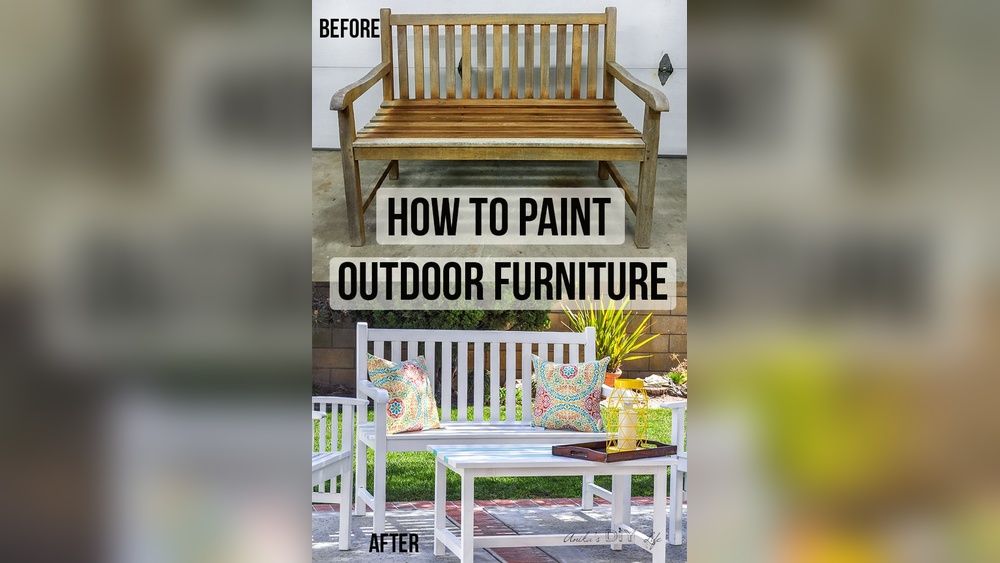
Your outdoor wood furniture adds charm and comfort to your space, but it faces constant challenges from sun, rain, and changing seasons. If you want to keep your furniture looking great and lasting longer, you need the right care.
You’ll discover simple and effective ways to protect your wood pieces, so they stay strong and beautiful year after year. Ready to make your outdoor wood furniture a lasting part of your home? Let’s dive in.

Credit: www.andersonlumbercompany.com
Choosing The Right Wood
Choosing the right wood is key to keeping outdoor furniture strong and good-looking. Wood type affects durability, weather resistance, and maintenance needs. Picking the best wood helps furniture last longer and stay beautiful through all seasons.
Hardwood Vs Softwood
Hardwood comes from trees like oak, teak, and mahogany. It is dense and tough. Hardwood usually lasts longer outside. It resists dents and scratches well.
Softwood comes from pine, cedar, and fir trees. It is lighter and easier to shape. Softwood can be less durable but often costs less. It needs more care to stay strong outdoors.
Weather-resistant Wood Types
Some woods naturally resist rain, sun, and insects. Teak is very popular for outdoor furniture. It has oils that protect it from water and bugs.
Cedar and redwood resist decay and insects too. They handle moisture well and need less treatment. These woods keep furniture looking fresh longer.
Choosing weather-resistant wood reduces repairs and refinishing. It helps furniture survive harsh outdoor conditions.
Cleaning Techniques
Cleaning outdoor wood furniture is key to keeping it looking fresh and lasting longer. Dirt and grime build up over time, which can damage the wood. Using the right cleaning methods keeps the wood healthy and beautiful.
Removing Dirt And Debris
Start by brushing off loose dirt with a soft-bristle brush. This stops scratches during washing. Use a dry cloth to wipe away dust from hard-to-reach spots. Avoid using metal tools that can harm the wood surface.
Using Gentle Cleaners
Choose mild soap mixed with water for cleaning. Harsh chemicals can strip the wood’s natural oils. Dip a soft cloth or sponge into the soapy water and gently clean the furniture. Rinse with clean water and dry with a soft towel to prevent water damage.
Avoiding Damage During Cleaning
Never use a pressure washer as it can roughen the wood. Avoid scrubbing too hard or using abrasive pads. Keep the furniture out of direct sunlight while cleaning. This helps prevent the wood from drying too fast and cracking.
Protective Treatments
Protective treatments help keep outdoor wood furniture strong and beautiful. They guard wood from water, sun, and dirt. These treatments stop cracks, warping, and fading. Proper care with the right products extends the life of your furniture. It also keeps wood looking fresh and natural.
Applying Sealants And Oils
Sealants form a clear barrier on wood surfaces. They block moisture and prevent damage. Oils soak deep into the wood. They nourish and protect from inside. Use a brush or cloth to apply. Always clean furniture before treating. Let sealants and oils dry completely.
Staining For Color And Protection
Stains add color and shield wood. They soak into the grain, enhancing natural beauty. Stains also protect from sun damage and water. Choose a stain with UV protection. Apply evenly with a brush or cloth. Test a small area first to check color.
Frequency Of Reapplication
Reapply treatments regularly for best results. Most sealants and oils need reapplying every year. Stains may last longer but check wood condition. Signs like fading or water absorption mean it’s time. Regular checks keep furniture safe and looking great.
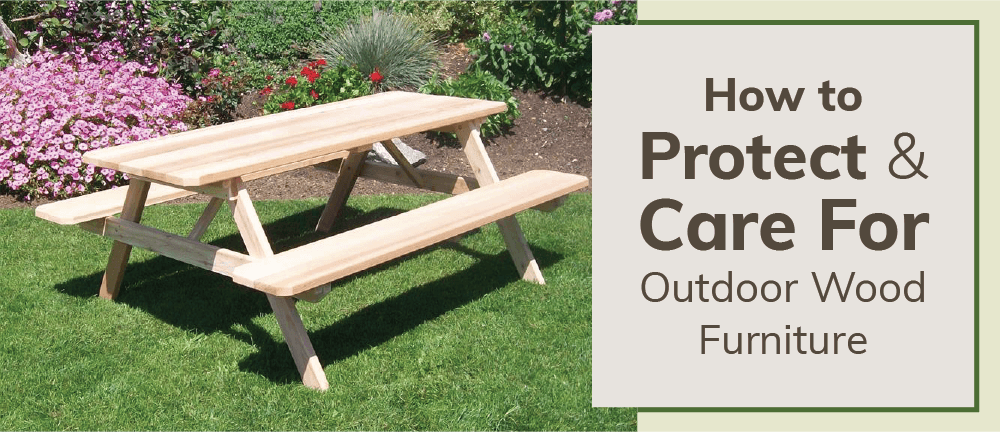
Credit: www.dutchcrafters.com
Preventing Weather Damage
Outdoor wood furniture faces many challenges from sun, rain, and wind. Preventing weather damage keeps your furniture strong and good looking. Small steps make a big difference in protecting wood from cracking, fading, and rotting.
Using Covers And Shades
Covers block sun and rain from reaching the wood. Use waterproof covers to keep moisture out. Shades like umbrellas or awnings reduce direct sunlight. This stops wood from drying and cracking. Remove covers occasionally to avoid trapped moisture.
Proper Placement Of Furniture
Place furniture away from direct sun and harsh wind. Find spots with some natural shade. Avoid placing wood directly on grass or dirt. Use patios or decks for stable, dry ground. Good placement lowers damage risk and extends furniture life.
Managing Moisture And Humidity
Moisture causes wood to swell and rot over time. Keep furniture dry by wiping off water quickly. Store cushions and fabrics inside during rain. Use sealants to protect wood from water absorption. Proper airflow helps wood dry faster and stay healthy.
Repairing And Restoring
Repairing and restoring outdoor wood furniture keeps it strong and beautiful. Weather and use cause damage over time. Fixing these issues early saves money and effort later. Small repairs make a big difference in furniture life.
Fixing Cracks And Splinters
Check furniture for cracks or splinters regularly. Use wood filler or glue to fill small cracks. Sand the area smooth after the filler dries. Remove loose splinters carefully to prevent injury. Repairing cracks stops them from growing larger.
Sanding And Refinishing
Sanding removes old finish and smooths rough spots. Use fine-grit sandpaper for the best results. After sanding, clean dust from the wood surface. Apply a fresh coat of stain or paint. Finish with a waterproof sealant for protection.
Replacing Damaged Parts
Some parts may be too damaged to fix. Remove broken slats or legs carefully. Measure and cut new pieces to fit exactly. Attach replacements using nails or screws. Check stability after replacing parts to ensure safety.
Seasonal Care Tips
Seasonal care keeps outdoor wood furniture in top shape all year. Different seasons bring different challenges. Protecting your furniture helps it last longer and look good. Follow simple steps for each season to maintain its beauty and strength.
Preparing For Winter
Clean furniture thoroughly before winter arrives. Remove dirt and dust with a soft brush or cloth. Apply a protective sealant or wood oil to block moisture. Cover furniture with waterproof covers to prevent water damage. Store smaller pieces indoors if possible. Avoid placing furniture directly on the ground to stop rot. Check covers regularly for tears or damage.
Spring Maintenance Routine
Inspect furniture for cracks or damage after winter. Clean off any mold or mildew with gentle soap and water. Sand rough spots lightly to smooth the surface. Reapply wood oil or sealant to restore protection. Tighten loose screws or bolts to keep furniture stable. Place furniture back in the sun to dry fully before use. Regular spring care refreshes wood and prevents future problems.
Preventing Pest Damage
Outdoor wood furniture faces many threats. Pest damage is one of the biggest. Tiny insects can eat through wood and ruin your furniture fast. Protecting your wood furniture from pests keeps it strong and looking good for years. Knowing how to spot pests and treat them early saves time and money.
Identifying Common Wood Pests
Some pests love wood furniture. Termites are a major problem. They eat wood from the inside out. Carpenter ants also cause harm by hollowing out wood. Powderpost beetles lay eggs in wood cracks. Their larvae tunnel through wood, making it weak. Look for small holes or fine sawdust around your furniture. Soft spots or hollow sounds when tapped also signal pests. Early detection stops damage before it gets worse.
Natural And Chemical Treatments
Natural treatments include oils like neem or orange oil. These oils repel or kill pests without harmful chemicals. You can apply them with a cloth or spray bottle. Chemical treatments offer stronger pest control. Borate-based solutions penetrate wood and kill insects inside. Always follow product instructions for safe use. Use protective gear like gloves when handling chemicals. Regular treatment keeps pests away and your wood safe.

Credit: osmouk.com
Frequently Asked Questions
How Often Should I Clean Outdoor Wood Furniture?
Clean outdoor wood furniture every few months to remove dirt and grime. Use mild soap and water with a soft brush. Avoid harsh chemicals that can damage the wood. Regular cleaning maintains the furniture’s appearance and extends its life.
What Is The Best Sealant For Wood Furniture Outdoors?
Use a clear, water-resistant sealant like polyurethane or spar urethane. These protect wood from moisture, UV rays, and mildew. Apply sealant annually or as recommended to maintain protection. Proper sealing prevents cracks and warping.
How Can I Prevent Wood Furniture From Rotting Outside?
Keep wood furniture dry and well-ventilated to prevent rot. Apply water-repellent sealers regularly. Avoid direct ground contact by using furniture pads or legs. Proper care slows moisture absorption and fungal growth.
Should I Cover Outdoor Wood Furniture During Winter?
Yes, cover outdoor wood furniture in winter to shield it from snow and rain. Use breathable, waterproof covers to prevent moisture buildup. Remove covers occasionally to allow airflow and prevent mold. Covering extends the furniture’s lifespan.
Conclusion
Caring for outdoor wood furniture takes some effort but pays off well. Clean your furniture often to remove dirt and dust. Use protective covers to guard against rain and sun. Apply wood oil or sealant to keep wood strong and fresh.
Store furniture indoors during harsh weather for added protection. Small steps keep your furniture looking nice for years. Enjoy your outdoor space with furniture that stays beautiful and lasts long. Simple care makes all the difference.