
If you love spending time outdoors, having wooden furniture that stays beautiful and strong is a must. But New Zealand’s weather can be tough on wood, with rain, sun, and humidity causing damage over time.
You don’t want your favorite chair or table to warp, crack, or fade. That’s why learning how to waterproof wood furniture is so important. In this guide, you’ll discover simple, effective ways to protect your outdoor wood pieces. Keep reading, and you’ll soon know exactly how to make your furniture last season after season, looking great no matter the weather.
Credit: www.overstock.com
Choosing The Right Wood
Choosing the right wood is key for outdoor furniture. Wood that handles weather well lasts longer. Some types resist water, insects, and sun better than others. This choice helps keep your furniture strong and good-looking outside.
Best Wood Types For Outdoors
Teak is a top choice. It has natural oils that protect it from water and bugs. Cedar also works well. It smells nice and keeps insects away. Redwood is another option. It resists decay and stays sturdy in rain. Pine is cheaper but needs more care. Treat pine with sealant to protect it.
Wood Durability Factors
Wood density affects how long it lasts outdoors. Dense wood holds up better against moisture. The natural oils in some woods help stop rot. How the wood is cut and dried matters too. Well-dried wood resists cracking and warping. Proper treatment and maintenance also boost durability. Choose wood that fits your climate and care routine.
Preparing Wood Surface
Preparing the wood surface is a key step before waterproofing outdoor furniture. It helps the wood absorb the waterproofing product better. This step also extends the life of your furniture by preventing moisture damage. Clean and smooth surfaces improve the finish and protection.
Cleaning And Sanding
Start by cleaning the wood thoroughly. Remove dirt, dust, and old finishes with a soft brush or cloth. Use a mild soap solution for stubborn stains. Let the wood dry completely before sanding.
Sanding smooths the surface and opens wood pores. Use medium-grit sandpaper to remove rough patches. Follow with fine-grit sandpaper for a smooth finish. Always sand in the wood grain direction to avoid scratches.
Repairing Damages
Check the wood for cracks, holes, or loose joints. Fill small cracks and holes with wood filler. Let the filler dry, then sand it smooth. Tighten or glue any loose parts to keep the furniture stable. This step prevents water from seeping into weak spots.
Selecting Waterproofing Products
Choosing the right waterproofing product is key for protecting wood furniture outdoors in New Zealand. The right product blocks water and stops damage from rain, sun, and humidity. It also keeps wood looking good for years.
Different products work best for different wood types and outdoor conditions. Knowing the types of sealants and eco-friendly options helps pick the best one. This guide explains these choices clearly.
Types Of Sealants
Sealants protect wood by creating a barrier against water. Clear sealants keep the natural wood look. They soak into the wood and stop water from entering. Some sealants also block UV rays that cause fading.
Paint-based sealants add color and protect well. They cover the wood surface completely. This stops water and sun damage better than clear types. But paint hides the wood grain.
Oils are another type. They soak deep into wood, making it water-resistant and flexible. Oils keep wood soft and natural. They need reapplying every year or two for good protection.
Eco-friendly Options In Nz
Eco-friendly sealants are popular in New Zealand. They use natural ingredients and fewer chemicals. These options are safer for people and the environment.
Water-based sealants have low odor and dry quickly. They release fewer harmful fumes. Many Kiwi brands offer water-based sealants made from renewable resources.
Natural oils like tung oil and linseed oil come from plants. They protect wood without harsh chemicals. These oils work well for outdoor furniture but need more frequent care.
Choosing eco-friendly products helps protect the environment and your family. They provide solid waterproofing while being kind to nature.
Applying Waterproofing Coatings
Applying waterproofing coatings is a key step to protect wood furniture outdoors in New Zealand. These coatings create a barrier that stops water from soaking into the wood. This helps prevent damage like swelling, cracking, and rotting. Choosing the right waterproofing product and applying it correctly keeps your furniture looking good for longer.
Different products work for different wood types and outdoor conditions. Some common options include clear sealers, oils, and varnishes. Applying these coatings carefully ensures strong protection and a smooth finish. Follow simple steps to get the best results and keep your wood furniture safe from moisture.
Step-by-step Application
Start by cleaning the wood surface. Remove dirt, dust, and old finishes. Let the wood dry completely before applying any coating.
Use a brush or cloth to apply the waterproofing product evenly. Work along the wood grain to cover all areas.
Apply a thin, even coat to avoid drips or pooling. Let the first coat dry fully, usually for several hours.
Lightly sand the surface with fine sandpaper after the first coat dries. This helps the next coat stick better.
Apply a second coat in the same way. Some products may need more coats for full protection.
Allow the final coat to dry completely before using the furniture outdoors.
Tips For Even Coverage
Stir the waterproofing product well before use. This keeps the ingredients mixed evenly.
Use soft brushes or foam applicators to avoid rough marks on wood.
Apply thin layers rather than thick ones. Thin layers dry faster and protect better.
Work in a shaded, well-ventilated area to help coatings dry properly.
Pay special attention to edges and corners. These spots are vulnerable to water damage.
Check your work under good light to spot missed areas or uneven coats.
Maintaining Waterproofed Furniture
Maintaining waterproofed wood furniture outdoors in New Zealand keeps it strong and good-looking. Wood faces rain, sun, and wind daily. Care helps the waterproof layer last longer. It stops water damage, cracks, and fading. Simple habits protect your investment and keep furniture safe for years.
Regular Cleaning
Clean wood furniture often. Dust and dirt can trap moisture. Use a soft brush or cloth. Mild soap with water works well. Rinse gently and dry with a towel. Avoid harsh chemicals. They can break the waterproof layer. Clean furniture stays healthy and ready for weather changes.
Reapplying Sealants
Sealants wear off over time. Check your furniture every six months. Look for dull or worn spots. Light sanding can help before reapplying. Use a good outdoor wood sealant made for NZ weather. Follow the product instructions carefully. Reapplying keeps wood protected and water-resistant. It also keeps the wood’s natural beauty.

Credit: www.amazon.com
Protecting Furniture From Nz Weather
New Zealand’s weather can be tough on outdoor wood furniture. Rain, humidity, and strong sun all cause damage over time. Protecting wood furniture helps it last longer and stay beautiful. Simple care and the right products can make a big difference. This section explains how to shield wood from rain, humidity, and UV rays.
Handling Rain And Humidity
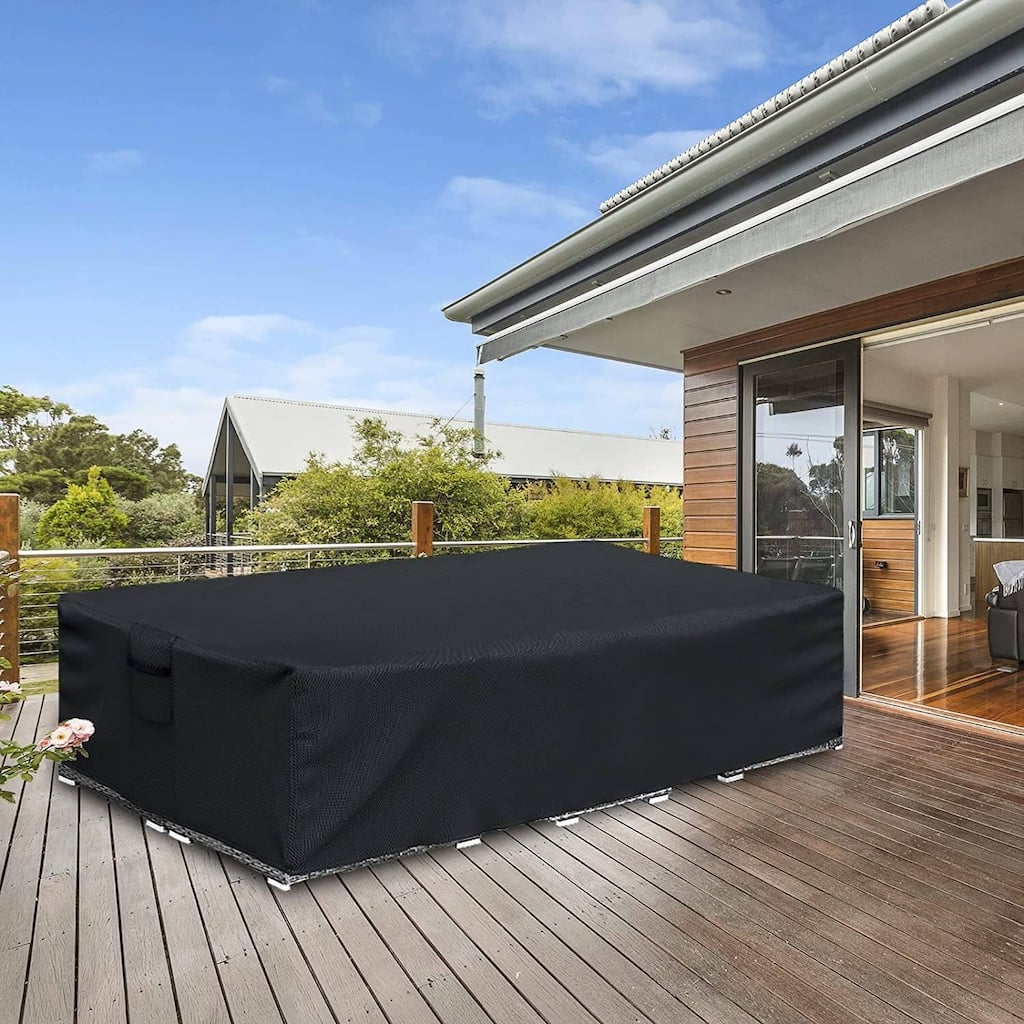
Rain and humidity cause wood to swell and rot. Water seeps into the wood, causing cracks and warping. Use waterproof sealants to stop moisture from entering. Apply a water-repellent finish every year for best results. Keep furniture off the ground to avoid water damage. Store furniture under cover during heavy rain or wet seasons.
Dealing With Uv Exposure
Sunlight fades wood color and weakens its surface. UV rays dry the wood, causing it to crack and splinter. Use UV-resistant varnish or oil to protect the surface. Reapply these coatings regularly, especially after summer. Shade the furniture when not in use to reduce sun damage. Choose woods naturally resistant to sunlight for longer life.
Common Mistakes To Avoid
Waterproofing wood furniture for outdoors in New Zealand requires care. Many people make mistakes that reduce protection. Avoiding these common errors helps your furniture last longer. The right steps keep wood safe from rain and sun.
Skipping Surface Preparation
Surface preparation is vital. Dirt, dust, and old finishes block waterproof coatings. Skipping this step stops the product from sticking well. Sand the wood smooth to open pores. Clean the surface fully before applying any waterproofing. This ensures better absorption and protection.
Using Incorrect Products
Not all waterproofing products work on outdoor wood. Some sealers are for indoor use only. Using the wrong product can cause peeling or damage. Choose products made for outdoor timber in New Zealand. Check labels for UV and water resistance. The right product protects wood from harsh weather.
Credit: www.etsy.com
Frequently Asked Questions
How Do I Waterproof Wood Furniture For Outdoors?
To waterproof outdoor wood furniture, clean the surface, sand it smooth, and apply a quality outdoor wood sealer. Repeat the sealer application as needed to ensure full protection against moisture and UV damage.
What Type Of Sealant Is Best For Outdoor Wood?
Use a penetrating oil-based or clear polyurethane sealant. These sealants protect wood from water, sun, and mildew while preserving its natural look and durability outdoors.
How Often Should Outdoor Wood Furniture Be Waterproofed?
Waterproof outdoor wood furniture every 1 to 2 years. Reapply sealant sooner if the furniture faces harsh weather or visible wear to maintain protection.
Can I Waterproof Wood Furniture Without Sanding?
Sanding improves sealant adhesion but isn’t always necessary. Light cleaning and applying a high-quality waterproofing product can work on smooth, clean wood surfaces.
Conclusion
Protecting wood furniture outdoors keeps it strong and beautiful. Use the right waterproofing steps to stop water damage. Regular care helps your furniture last through rainy days. Seal, dry, and cover your pieces for best results. Enjoy your outdoor space without worrying about wear.
Simple actions make a big difference over time. Your wood furniture will stay fresh and sturdy longer. Keep it safe, and it will reward you back.

