You’ve invested time and care into choosing the perfect outdoor wood furniture. Now, the big question is: how do you protect it from sun, rain, and wear?
Using the right sealant can make all the difference in keeping your furniture looking great for years. But with so many options out there, which one is best for your wood? Keep reading, and you’ll discover exactly what you need to know to make the right choice—so your outdoor furniture stays strong, beautiful, and ready for every season.
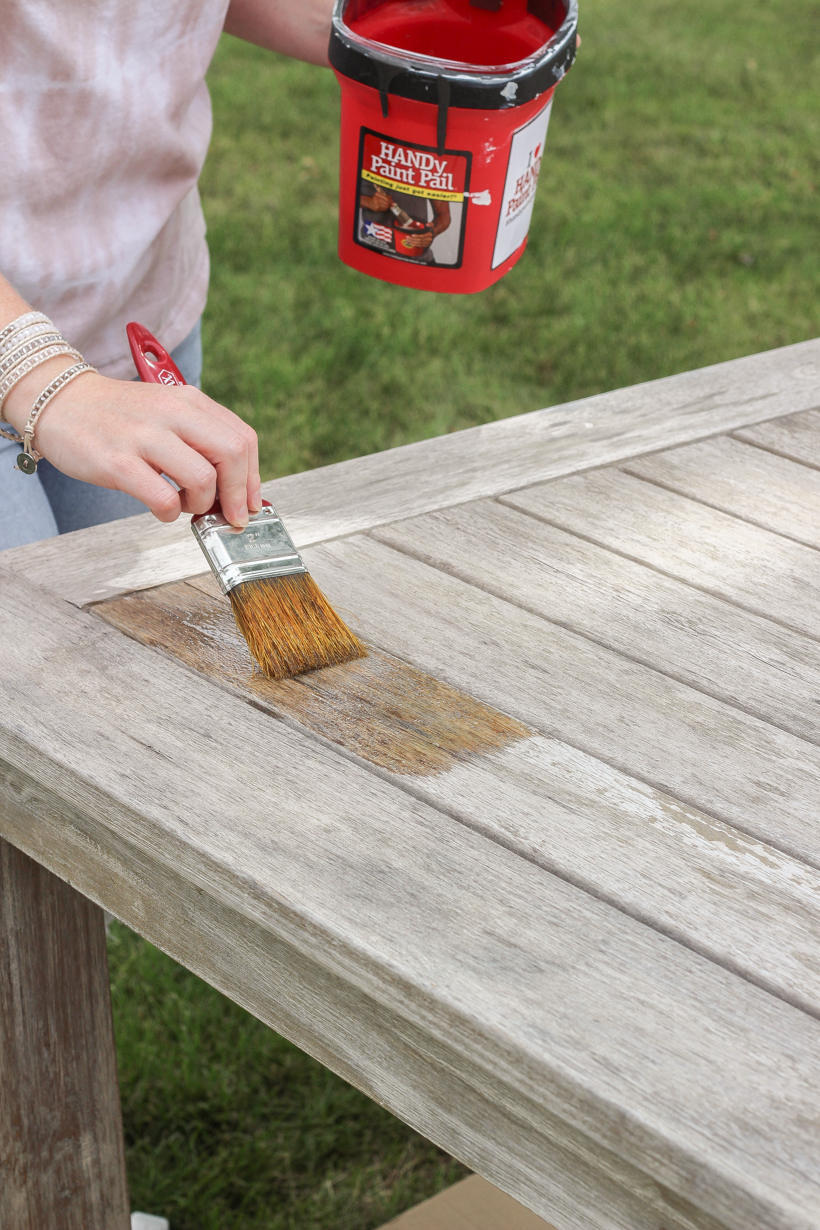
Credit: lovegrowswild.com
Types Of Wood Sealers
Choosing the right sealer protects outdoor wood furniture from weather damage. Different sealers offer various levels of protection and finish. Understanding types of wood sealers helps pick the best option for your needs.
Oil-based Sealers
Oil-based sealers soak into the wood and protect it deeply. They bring out the wood’s natural color and grain. These sealers resist water and sunlight well. They take longer to dry but last a long time outdoors.
Water-based Sealers
Water-based sealers dry quickly and have low odor. They are easy to clean up with soap and water. These sealers keep the wood’s natural look and do not yellow over time. They offer good protection but may need reapplication more often.
Varnishes And Polyurethanes
Varnishes and polyurethanes create a hard, protective surface on wood. They resist scratches and water damage effectively. These sealers give a glossy or satin finish. They are ideal for furniture that faces rough use outdoors.
Spar Urethane
Spar urethane is designed for outdoor use on wood exposed to sun and rain. It remains flexible to handle wood’s natural movement. This sealer protects against UV rays and moisture. It is a popular choice for outdoor furniture and boats.
Epoxy Sealers
Epoxy sealers form a very strong, waterproof layer on wood. They are excellent for heavy moisture areas. Epoxy is often used as a base coat before other sealers. It can be thick and requires careful application for best results.

Credit: osmouk.com
Factors To Consider
Choosing the right sealant for outdoor wood furniture is important. It protects the wood and keeps it looking good. Several factors help you pick the best sealant. These factors affect how well the sealant works and how long it lasts.
Understanding these points makes your choice easier. You get a sealant that fits your needs and climate. Read on to learn about key factors to consider.
Weather Resistance
Outdoor wood faces rain, snow, and humidity. A good sealant must resist water and moisture. It stops wood from swelling, warping, or rotting. The sealant should create a strong barrier. This keeps the wood safe from harsh weather.
Uv Protection
Sunlight can damage wood over time. UV rays cause fading and cracking. Choose a sealant with UV blockers. These protect the wood’s color and surface. UV protection helps the wood last longer and look fresh.
Durability
Durability means the sealant stays effective for a long time. It should resist peeling, cracking, and washing away. A durable sealant saves money and effort. You avoid frequent reapplications and repairs.
Ease Of Application
Some sealants are easier to apply than others. Look for products that spread smoothly and dry evenly. Easy application reduces mistakes and saves time. It also makes the project less tiring.
Drying Time
Drying time affects how soon you can use the furniture again. Quick-drying sealants let you finish faster. They also reduce dust and dirt sticking to the surface. Choose a drying time that fits your schedule.
Preparing Wood For Sealing
Preparing wood for sealing is a vital step to protect outdoor furniture. Proper preparation ensures the sealant sticks well and lasts longer. It also helps maintain the wood’s beauty and strength. Follow these steps carefully for the best results.
Cleaning The Surface
Start by removing dirt and dust from the wood. Use a soft brush or cloth to clear loose debris. For tougher stains, a mild soap and water mix works well. Rinse the wood thoroughly and let it dry completely. Clean wood allows the sealant to penetrate evenly.
Sanding Techniques
Sanding smooths rough spots and opens the wood grain. Use medium-grit sandpaper to start, then finish with fine-grit for a smooth surface. Always sand in the direction of the grain. Sanding helps the sealant bond better and creates a sleek finish.
Repairing Damages
Check for cracks, holes, or splinters before sealing. Fill small cracks with wood filler and let it dry. Sand the repaired areas gently to blend with the rest of the surface. Fixing damages prevents moisture from entering and extends furniture life.
Choosing The Right Environment
Select a dry, well-ventilated place for sealing your furniture. Avoid sealing under direct sunlight or high humidity. These conditions can cause the sealant to dry unevenly or trap moisture. A cool, shaded area helps the sealant cure properly and last longer.
Credit: www.reddit.com
Step-by-step Sealing Process
Sealing outdoor wood furniture protects it from weather damage and wear. A good sealing job keeps the wood looking fresh and extends its life. Follow these steps carefully to seal your furniture right.
Applying The First Coat
Start with clean, dry wood. Use a brush or cloth to apply the sealant evenly. Cover every surface, including edges and corners. Avoid thick layers. Thin coats dry faster and prevent drips. Let the first coat dry completely before moving on.
Sanding Between Coats
Lightly sand the wood after the first coat dries. Use fine-grit sandpaper for a smooth finish. Sanding removes bumps and helps the next coat stick better. Wipe away dust with a clean cloth before applying another coat.
Applying Additional Coats
Apply at least two more coats for full protection. Repeat the same method as the first coat. Thin, even layers work best. Let each coat dry and sand lightly before adding the next. More coats mean better durability.
Final Touches
After the last coat dries, check for missed spots. Touch up any bare areas with a small brush. Let the sealant cure fully before using the furniture. This step ensures the best protection and finish for your wood.
Maintenance Tips
Maintaining outdoor wood furniture is key to keeping it beautiful and strong. Proper care helps the wood last longer and stay protected from weather damage. Follow simple maintenance tips to preserve your furniture’s charm and durability.
Regular Cleaning
Clean your wood furniture often to remove dirt and dust. Use a soft brush or cloth with mild soap and water. Avoid harsh chemicals that can damage the wood surface. Rinse well and let the furniture dry completely.
Reapplying Sealers
Sealers wear off over time due to sun and rain exposure. Check your furniture every year for signs of wear. Apply a fresh coat of sealer to keep the wood protected. Choose a sealer suited for outdoor use to prevent water and UV damage.
Protecting From Extreme Elements
Harsh sun, heavy rain, and snow can harm wood furniture. Use covers to shield your furniture during bad weather. Move pieces to a sheltered area if possible. These steps reduce wear and keep your furniture looking great longer.
Common Mistakes To Avoid
Sealing outdoor wood furniture protects it from weather damage and extends its life. Many people make mistakes that reduce the sealant’s effectiveness. Avoid these common errors to keep your furniture looking great and lasting longer.
Skipping Surface Preparation
Surface preparation is crucial before sealing wood. Dirt, dust, and old finishes block sealant from soaking in. Sand the wood smooth and clean it well. Without this step, the sealant won’t stick properly. Poor adhesion leads to peeling and cracking.
Applying Too Thick Coats
Applying thick layers of sealant slows drying and traps moisture. Thick coats can drip and create an uneven finish. Use thin, even coats instead. Multiple thin layers dry faster and protect better. Patience pays off with a smooth and durable surface.
Ignoring Manufacturer Instructions
Sealant products come with specific guidelines. Ignoring these instructions causes poor results. Drying times, temperature limits, and number of coats matter. Follow the label for best results. This helps avoid peeling, bubbling, or weak protection.
Frequently Asked Questions
What Is The Best Sealer For Outdoor Wood Furniture?
The best sealer for outdoor wood furniture is a penetrating oil like teak oil or spar urethane. These protect against moisture and UV damage while enhancing natural wood grain. Choose based on wood type and exposure.
How Often Should Outdoor Wood Furniture Be Resealed?
Outdoor wood furniture should be resealed every 1 to 2 years. Frequent resealing maintains protection from weather, prevents cracking, and preserves appearance. Inspect annually for wear signs.
Can I Use Polyurethane On Outdoor Wood Furniture?
Yes, you can use exterior-grade polyurethane on outdoor wood furniture. It offers durable, water-resistant protection. However, it may crack under extreme weather, so reapply regularly for best results.
Is Sealing Outdoor Wood Furniture Necessary?
Sealing outdoor wood furniture is essential to prevent moisture damage, mold, and UV fading. It extends furniture life and keeps it looking fresh. Always seal before first use outdoors.
Conclusion
Choosing the right sealant keeps your wood furniture safe and strong. It protects against water, sun, and dirt. A good sealant helps wood last longer outside. Apply it evenly and reapply as needed. Clean your furniture first for the best results.
Taking care of your wood furniture saves you money. Enjoy your outdoor space with well-protected wood pieces. Simple steps make a big difference in wood care. Seal your furniture to keep it looking fresh and new.