Is your outdoor furniture looking dull and rusty? Oxidation can make your favorite pieces lose their shine and charm quickly.
But don’t worry—you don’t have to replace everything or spend a fortune on repairs. You’ll learn simple and effective ways to remove oxidation and bring your furniture back to life. Imagine enjoying your patio with furniture that looks fresh and inviting again.
Ready to get started? Let’s dive in and restore your outdoor space today!

Credit: www.youtube.com
Causes Of Oxidation On Outdoor Furniture
Oxidation on outdoor furniture happens because of several reasons. It causes the metal parts to lose their shine and develop rust. Understanding these causes helps in preventing and removing oxidation effectively.
Environmental Factors
Outdoor furniture faces many weather elements. Rain and humidity add moisture to the metal surfaces. Moisture reacts with oxygen in the air, starting oxidation. Sunlight also affects furniture, breaking down protective coatings. Salt in coastal air speeds up rust formation. Dirt and pollution create layers that trap moisture and speed oxidation.
Material Susceptibility
Different metals react differently to the environment. Aluminum and steel are common in outdoor furniture. Steel rusts easily when exposed to water and air. Aluminum forms a white oxide layer but resists deep rust. Some metals have protective coatings, but these wear off over time. Poor-quality materials oxidize faster than high-quality ones.
Signs Of Oxidation To Look For
Oxidation is a common problem for outdoor furniture. It happens when metal reacts with air and moisture. Recognizing the signs early helps protect your furniture. It also makes cleaning easier. Below are two main signs to watch for.
Color Changes
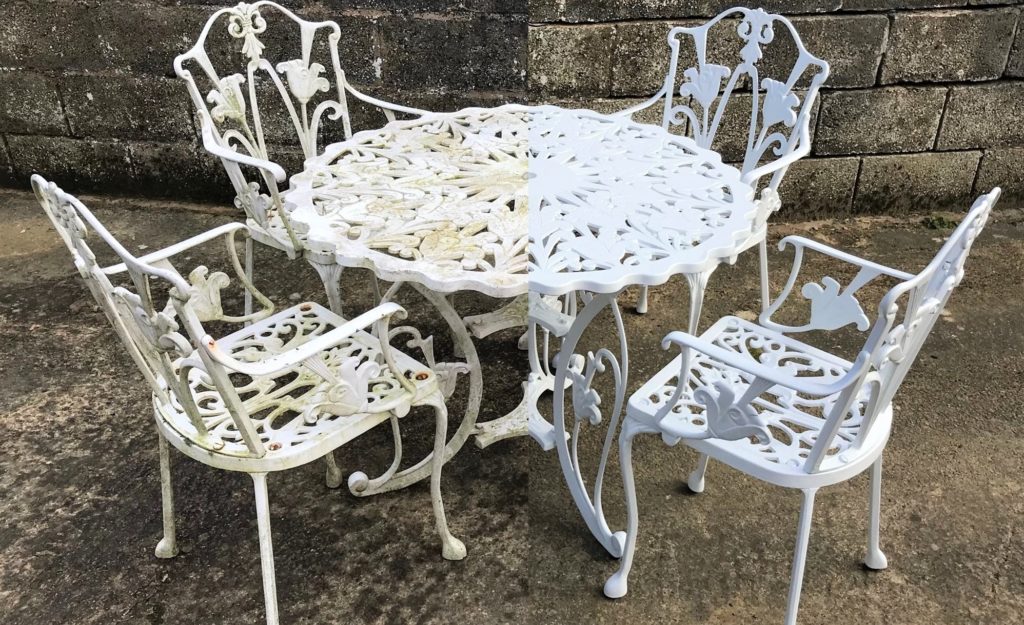
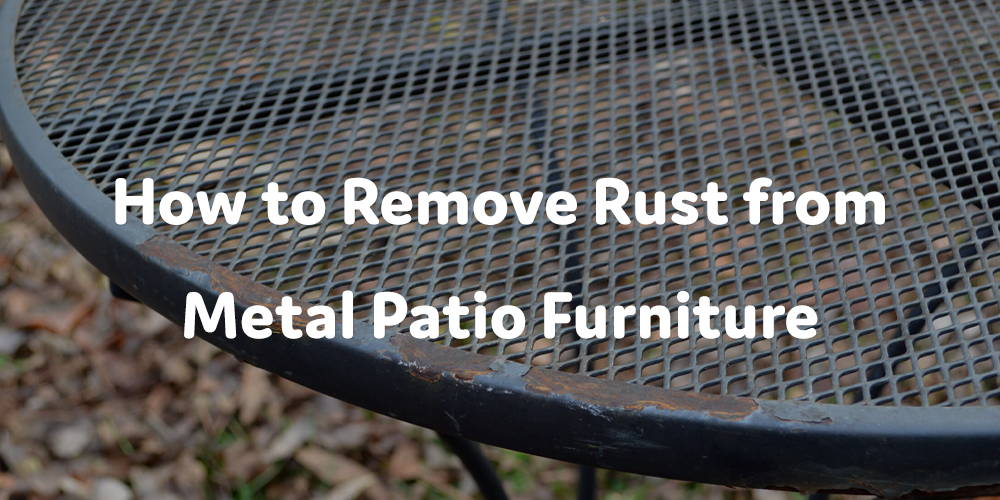
Oxidation often shows as color changes on metal surfaces. The metal may turn dull or faded. You might see patches of brown, orange, or green. These colors come from rust or corrosion forming. The changes can start small but spread quickly. Bright paint or finish might peel off too. Watch your furniture closely for these shifts.
Surface Texture
The texture of the metal can feel rough or bumpy. Oxidation causes the surface to lose its smoothness. You may notice flaky or powdery spots. These parts are weak and can break easily. Touch your furniture to find these changes. Rough patches often mean oxidation is present. Early detection helps keep your furniture strong and lasting longer.
Tools And Materials Needed
Removing oxidation from outdoor furniture requires the right tools and materials. Having everything ready makes the process easier and faster. This section lists the essential items you need for a smooth cleaning job.
Cleaning Supplies
Gather a soft-bristle brush to scrub surfaces gently. Use a bucket filled with warm water and mild soap. Have white vinegar or lemon juice on hand for natural cleaning power. A sponge or cloth will help wipe off dirt and oxidation. Sandpaper or steel wool works well for stubborn rust spots. Consider using a commercial metal cleaner for tough oxidation. Finally, keep a hose or spray bottle nearby for rinsing.
Protective Gear
Wear rubber gloves to protect your hands from chemicals and rough surfaces. Safety goggles shield your eyes from splashes and debris. Use a mask if you work with strong cleaners or sanding dust. Dress in old clothes to avoid stains. A hat and sunscreen help protect your skin if you work outdoors under the sun.
Credit: www.metalfurnituredoctor.co.uk
Simple Cleaning Methods
Removing oxidation from outdoor furniture can be simple. Basic cleaning methods restore shine and protect surfaces. These easy steps use common household items.
Cleaning often stops oxidation from getting worse. Regular care keeps furniture looking fresh longer. Start with gentle techniques before trying stronger options.
Soap And Water
Soap and water is the easiest way to clean oxidation. Mix mild dish soap with warm water. Use a soft cloth or sponge to wipe the furniture gently.
Focus on the oxidized areas. Rinse with clean water to remove soap. Dry the surface with a soft towel to avoid water spots.
This method works well for light oxidation. Repeat regularly for best results. Avoid harsh scrubbing to prevent damage.
Vinegar Solutions
Vinegar is a natural cleaner that breaks down oxidation. Mix equal parts white vinegar and water in a spray bottle. Spray the solution onto the affected areas.
Let it sit for 5 to 10 minutes to soften the oxidation. Use a soft brush or cloth to scrub gently. Rinse with water and dry thoroughly.
Test vinegar on a small spot first. It is safe for most metals but can harm some finishes. Use this method once or twice a month for maintenance.
Using Commercial Oxidation Removers
Commercial oxidation removers are effective products designed to clean outdoor furniture. They remove the dull, chalky layer that forms over time. Using these products saves time and effort compared to homemade solutions.
Choosing the right remover depends on the furniture material. Some removers work well on metal, while others suit plastic or wood. Always check the label to match the product with your furniture type. This step helps protect the furniture from damage.
Choosing The Right Product
Look for removers made for outdoor use. They contain ingredients that break down oxidation safely. Avoid harsh chemicals that can harm surfaces. Products with rust removers help if the oxidation has caused rust spots. Choose a remover with clear instructions for easy use. Testing a small area first prevents surprises.
Application Tips
Apply the remover on a clean, dry surface. Use a soft cloth or sponge for even spreading. Work in small sections to control the process better. Let the product sit as the instructions say. Rinse thoroughly with water to remove residue. Repeat if necessary for tough oxidation. Wear gloves to protect your skin during application.
Diy Remedies For Oxidation
Oxidation can make outdoor furniture look old and worn. You do not need expensive products to fix it. Simple items found at home can help restore your furniture’s shine. These DIY remedies are easy to try and gentle on surfaces.
They remove oxidation by breaking down rust and stains without harsh chemicals. Using these methods saves money and avoids harmful substances. Let’s explore two effective home treatments you can use today.
Baking Soda Paste
Baking soda is a mild abrasive that cleans oxidation well. Make a thick paste by mixing baking soda with water. Apply the paste to the oxidized areas with a soft cloth or sponge.
Rub gently in circular motions. Let the paste sit for 10 minutes to work on the oxidation. Rinse the furniture with clean water and dry it with a towel. Repeat if needed for tough spots.
Lemon Juice Treatments
Lemon juice contains natural acids that dissolve oxidation and rust. Squeeze fresh lemon juice onto a cloth or sponge. Rub the juice over the oxidized parts of your furniture carefully.
Allow the juice to sit for 5 to 10 minutes. Wipe off with a damp cloth and dry the surface. For heavy oxidation, mix lemon juice with salt for extra scrubbing power.
Preventing Future Oxidation
Preventing future oxidation is key to keeping outdoor furniture looking good. Oxidation causes rust and dulls metal surfaces. Stopping it early saves time and money. Proper care helps furniture last longer outdoors.
Regular Maintenance
Clean furniture often to remove dirt and moisture. Use mild soap and water. Dry surfaces completely after cleaning. Check for scratches or chips. Fix them quickly to avoid rust. Store furniture indoors during bad weather. Cover pieces if you cannot move them.
Protective Coatings
Apply a clear sealant designed for metal. This creates a barrier against air and water. Reapply coating every year or as needed. Use wax or oil-based products for wood parts. These coatings help repel moisture. Choose products safe for outdoor use. Protective layers slow down the oxidation process.
When To Seek Professional Help
Removing oxidation from outdoor furniture can be simple. Some tasks, though, need expert help. Knowing when to call a professional saves time and avoids damage. Professionals have tools and skills for tough oxidation problems.
Signs Of Deep Oxidation
Surface rust or discoloration is easy to clean. Deep oxidation shows as pitting or metal flakes. If the metal feels rough or weak, it is serious. Professionals can assess and fix these issues safely.
Damage To Protective Coatings
Oxidation can harm paint or sealants on furniture. If coatings peel or crack, cleaning alone won’t help. Experts can remove old layers and apply new protection. This prevents future rust and keeps furniture looking good.
Complex Furniture Materials
Some outdoor furniture uses mixed materials like metal and wood. Cleaning oxidation on these requires care to avoid damage. Professionals know how to treat each material properly. They prevent harm to wood, fabric, and metal.
Time And Effort Constraints
Oxidation removal can take hours or days. Busy schedules leave little time for this work. Professionals can do the job faster and better. Hiring help frees up time for other tasks.
Credit: www.furnituremaxi.com
Frequently Asked Questions
What Causes Oxidation On Outdoor Furniture?
Oxidation occurs when metal reacts with oxygen and moisture. This reaction forms a dull, powdery layer. It commonly affects aluminum and steel furniture exposed to weather.
How Can I Clean Oxidation From Aluminum Furniture?
Use a mixture of vinegar and water or a commercial aluminum cleaner. Apply with a soft cloth, scrub gently, then rinse and dry thoroughly.
Is It Safe To Use Household Products For Oxidation Removal?
Yes, mild household products like vinegar or baking soda are safe. They effectively remove oxidation without damaging furniture surfaces when used properly.
How Often Should I Treat Outdoor Furniture For Oxidation?
Treat oxidation as soon as it appears. Regular cleaning every few months helps prevent buildup and keeps furniture looking new.
Conclusion
Removing oxidation from outdoor furniture keeps it looking fresh and new. Clean your furniture regularly to stop damage from building up. Use gentle cleaners and soft brushes for best results. Protect your furniture with covers or sealants to prevent future oxidation.
A little care goes a long way in keeping furniture strong. Enjoy your outdoor space with furniture that looks great season after season. Small steps make a big difference. Keep your furniture shining and ready for every gathering.