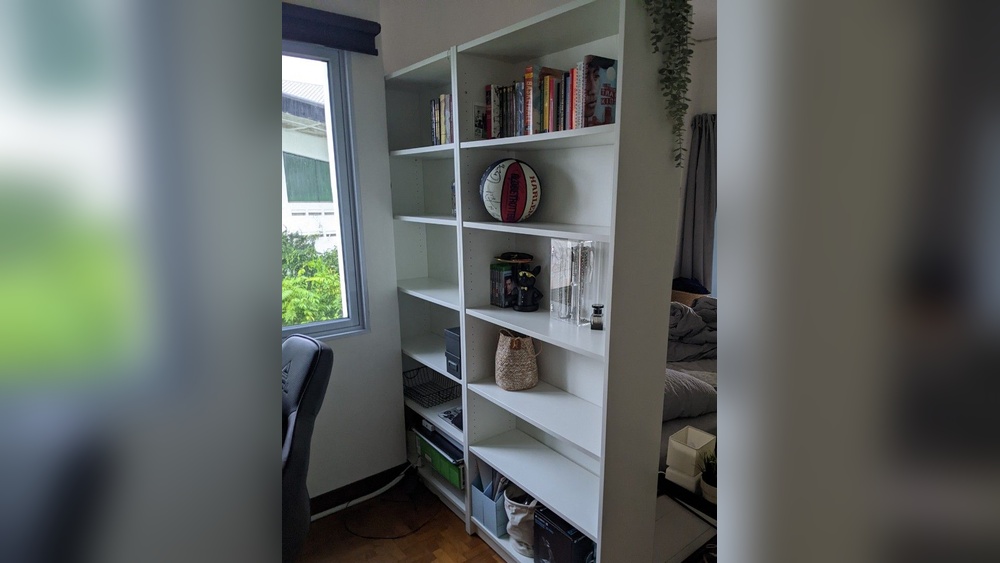
Is your bookshelf wobbling or leaning without a backing to keep it steady? You’re not alone, and the good news is you don’t have to replace it or buy a new one.
Stabilizing a bookshelf without backing might seem tricky, but with the right tricks, you can make it strong and safe. Imagine your favorite books neatly arranged, no fear of tipping over or falling apart. Keep reading, and you’ll discover simple, effective ways to secure your bookshelf so it stays firm and reliable.
Your space—and your books—will thank you!
Common Causes Of Wobbly Bookshelves
Wobbly bookshelves can be frustrating and unsafe. Understanding why your bookshelf wobbles is the first step to fixing it. Several common issues cause instability. These problems often happen in shelves without backing. Identifying these causes helps you stabilize your bookshelf effectively.
Lack Of Backing Support
Bookshelves without backing miss a key support structure. The backing holds the frame together. Without it, shelves can sway from side to side. This movement makes the entire unit unstable. Backing also prevents the shelf from racking. Racking means the shelf twists or leans under weight. Without backing, shelves lose their rigidity.
Uneven Flooring
Uneven floors can cause shelves to tilt or rock. Small gaps under shelf legs create movement. This instability grows as you add books. Floors with slopes or bumps make it hard for shelves to stay firm. Even a slight tilt can lead to a wobbly shelf. Checking the floor level helps diagnose this issue.
Loose Joints And Screws
Loose joints weaken the shelf frame. Screws and nails can loosen over time. Movement from daily use shakes the shelf apart. Loose connections cause shelves to wobble or lean. Tightening these fasteners restores strength. Regular checks prevent shelves from becoming unstable.

Credit: diy.stackexchange.com
Quick Fixes To Stabilize Your Bookshelf
Bookshelves without backing often wobble or lean. Quick fixes can help stabilize them fast. These simple steps improve safety and keep your books safe. No need for complex tools or extra parts.
Tightening Screws And Joints
Loose screws cause shelves to shake and tilt. Use a screwdriver to tighten all screws. Check every joint and connection point. Tight joints make the bookshelf stronger and steadier. Regularly check screws for safety and durability.
Using Furniture Pads Or Levelers
Uneven floors make bookshelves unstable. Place furniture pads under the legs to balance. Small levelers can adjust height precisely. Pads protect floors from scratches too. This quick fix stops rocking and keeps shelves steady.
Adding Corner Braces
Corner braces add extra support inside the bookshelf. Attach metal braces at corners with screws. They hold joints tightly together. Braces reduce wobbling and increase strength. This method works well for old or weak shelves.
Diy Solutions Without Adding Backing
Stabilizing a bookshelf without adding backing is possible with simple DIY methods. These solutions keep your shelf steady and safe. They do not require major changes or extra materials. This makes them perfect for renters or those who want a quick fix.
Each method works well depending on your bookshelf type and wall surface. You can try one or combine a few for better support. Here are three easy ways to stabilize your bookshelf without backing.
Securing To Wall Studs
Find the wall studs behind your bookshelf using a stud finder. Mark the spots where the bookshelf frame meets the studs. Use screws to attach the bookshelf directly to these studs. This method offers strong, reliable support. It prevents the shelf from tipping forward or sideways. Make sure to use screws long enough to reach the studs. Avoid drywall anchors as they provide less strength.
Installing L-brackets
L-brackets are metal supports shaped like the letter “L”. Attach one side of the bracket to the bookshelf’s top edge. Secure the other side to the wall stud or drywall. Use screws suitable for both wood and wall materials. L-brackets add extra stability without being visible. They keep your shelf firmly in place. Position brackets near the ends and middle of the shelf for balance.
Using Tension Rods For Support
Tension rods fit tightly between the floor and the ceiling or between two walls. Place a tension rod behind the bookshelf for extra support. This method works well in narrow spaces or small rooms. It prevents the shelf from leaning or falling over. Adjust the rod’s length to fit snugly without damage. Tension rods are easy to install and remove. They offer a non-invasive way to stabilize your bookshelf.
Credit: www.woodworkingtalk.com
Alternative Support Methods
Bookshelves without backing can wobble or lean easily. Alternative support methods help keep them steady and safe. These methods do not need special tools or skills. You can try simple fixes at home to make your shelf strong and stable.
Reinforcing Shelves With Metal Strips
Metal strips add strength to weak shelves. Attach strips under each shelf using screws or nails. The strips stop shelves from bending or sagging under heavy weight. Use strips made of steel or aluminum for best results. These strips help keep the shelf flat and steady.
Using Heavy-duty Adhesive Strips
Heavy-duty adhesive strips stick shelves to walls or floors. They hold the shelf in place without drilling holes. Clean the surface before applying strips for better grip. Press the strips firmly and wait for them to set. Adhesive strips work well for light to medium loads.
Placing Weight Strategically
Place heavier books or items at the bottom shelf. This lowers the center of gravity and reduces tipping risk. Spread weight evenly across all shelves. Avoid putting too much weight on one side or corner. Balanced weight keeps the shelf steady without extra supports.
Maintenance Tips To Keep Bookshelf Stable
Keeping a bookshelf stable without backing takes regular care. Small actions can stop big problems. These maintenance tips help your bookshelf stay steady and safe.
Regularly Checking Fasteners
Fasteners hold your bookshelf together. Tighten screws and bolts every few months. Loose fasteners can cause wobbling. Use a screwdriver or wrench for checking. Replace any damaged screws for better support.
Avoiding Overloading Shelves
Heavy loads can bend shelves or make them tip. Spread out books and items evenly. Keep weight within the shelf’s limit. Avoid stacking too many heavy books in one spot. Balance helps prevent accidents and damage.
Adjusting For Seasonal Floor Shifts
Floors change with weather and time. Wood floors may expand or shrink. Check shelf stability after seasonal changes. Use small pads or shims under legs to level. Adjusting helps prevent rocking and keeps shelves safe.

Credit: www.instructables.com
Frequently Asked Questions
How Can I Stabilize A Bookshelf Without Backing?
You can stabilize a bookshelf by securing it to the wall using brackets or L-brackets. Adding corner braces and tightening screws also helps. Using anti-tip straps provides extra support and prevents wobbling without needing a backing.
What Materials Help Stabilize A Bookshelf Without Backing?
Metal brackets, L-brackets, corner braces, and anti-tip straps are effective materials. Using sturdy screws and anchors ensures a strong hold. These materials provide stability and prevent the bookshelf from tipping over or wobbling.
Are Anti-tip Straps Necessary For Bookshelves Without Backing?
Yes, anti-tip straps are highly recommended. They secure the bookshelf to the wall and prevent tipping, especially in homes with children. They add essential safety and stability without requiring a backing panel.
Can I Use Corner Braces To Stabilize A Bookshelf?
Yes, corner braces add rigidity and strengthen the frame. They prevent wobbling by reinforcing the joints between shelves and sides. Installing them at key points improves overall stability without needing a backing.
Conclusion
Stabilizing a bookshelf without backing is simple and effective. Use wall anchors, brackets, or anti-tip straps for safety. Tighten screws and adjust legs to keep it steady. Choose methods that fit your space and tools. A stable bookshelf protects your books and home.
Try these easy tips to prevent wobbling and accidents. Your shelf will stay firm and look neat. Small fixes can make a big difference. Keep your room safe and organized with smart steps.