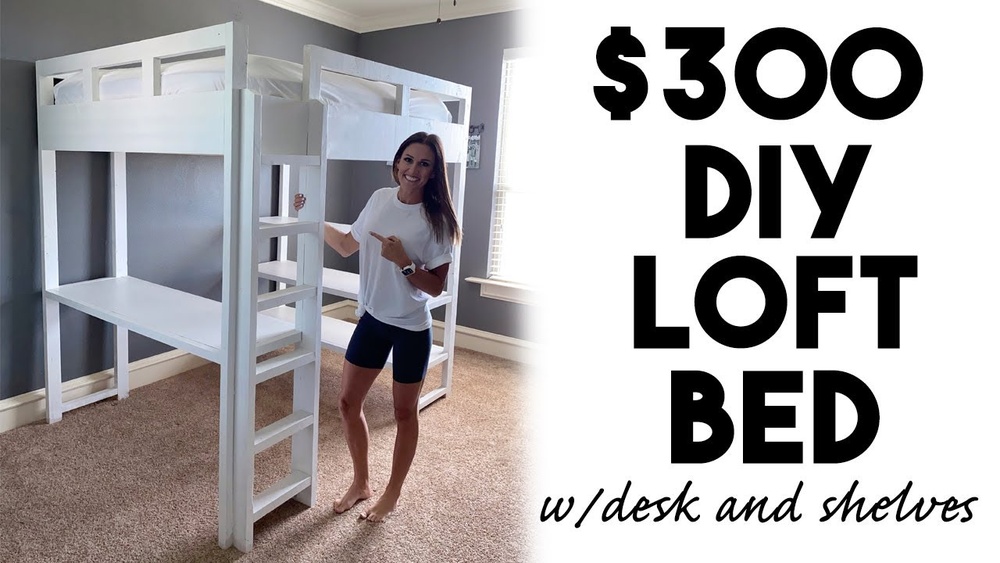
Looking to save space and add functionality to your room? Building a bunk bed with a desk might be the perfect solution for you.
Imagine having a cozy bed above and a handy workspace right below—everything you need in one smart setup. In this guide, you’ll discover simple steps to create a sturdy, stylish bunk bed with a desk that fits your style and needs.
Keep reading, and you’ll soon have a space that’s both practical and inspiring.
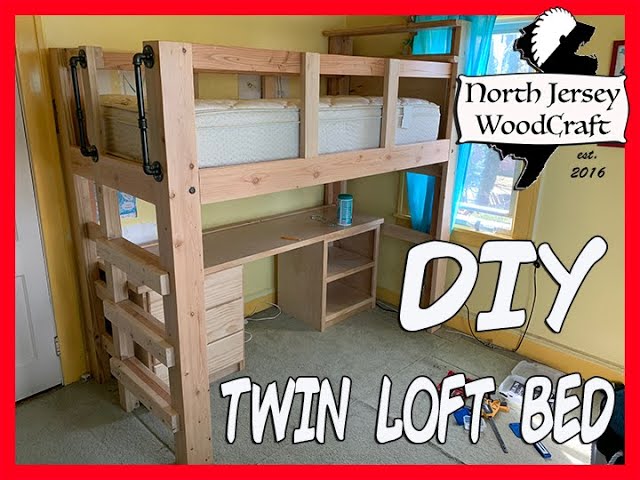
Credit: www.youtube.com
Planning Your Bunk Bed Desk
Planning your bunk bed with a desk is the first step to a successful build. Careful planning helps avoid mistakes and saves time. Think about how the bed and desk will fit in the room.
Consider who will use the bed and desk. This guides your design choices. A well-planned bunk bed desk combines comfort and function.
Measuring Your Space
Start by measuring the room size. Note wall length, width, and height. Check for obstacles like doors, windows, and heaters. Leave space for walking and chair movement.
Write down all measurements. Double-check to ensure accuracy. Accurate measurements prevent fitting problems later.
Choosing Materials
Select strong and safe materials for your bunk bed desk. Wood is a popular choice for durability and style. Look for smooth, splinter-free wood pieces.
Consider metal for a modern look and added strength. Use screws and brackets that hold weight well. Avoid materials that can easily break or bend.
Designing The Layout
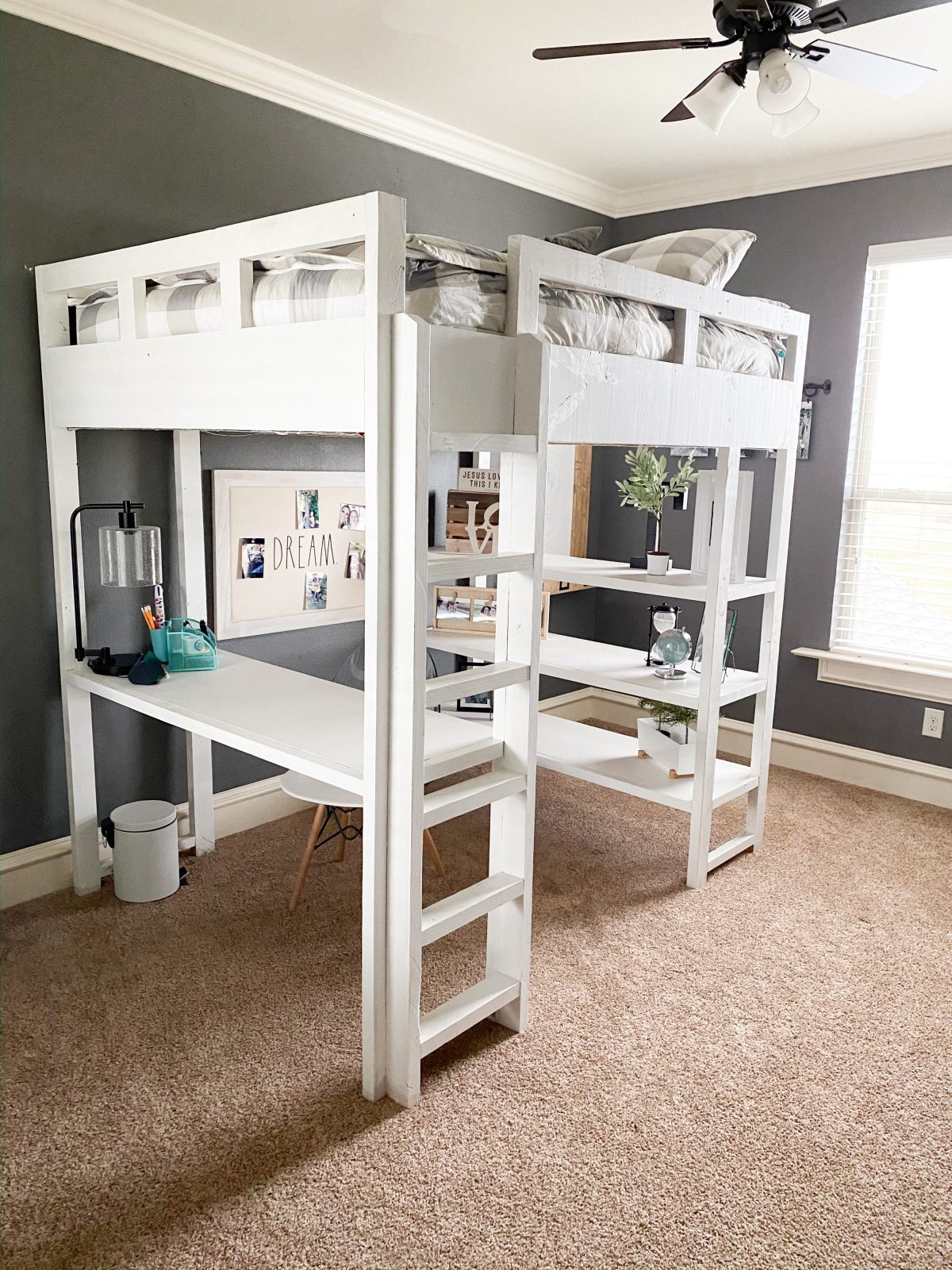
Plan the position of the bed and desk carefully. Decide if the desk goes under the bed or beside it. Think about how the user will access both easily.
Include shelves or drawers for extra storage. Make sure the desk area has enough space for work or study. A clear layout helps create a cozy and useful space.
Gathering Tools And Supplies
Gathering the right tools and supplies is the first step to building a bunk bed with a desk. Having everything ready helps the project go smoothly. It also saves time and avoids frustration. This section covers the essential tools, hardware choices, and safety gear you need to start.
Essential Tools
Start with basic woodworking tools. A saw is necessary to cut wood pieces to size. A drill helps make holes and drive screws. A tape measure ensures accurate measurements. A screwdriver is useful for tightening screws. Sandpaper smooths rough edges. A level keeps your work straight and even. Clamps hold pieces in place while you work.
Selecting Hardware
Choose strong and durable hardware for safety and stability. Wood screws work better than nails for this project. Pick screws that fit the thickness of your wood. Use brackets and corner braces to strengthen joints. Drawer slides or hinges are needed if your desk has moving parts. Make sure all hardware fits well and is rust-resistant.
Safety Equipment
Protect yourself during the build. Safety glasses guard your eyes from dust and wood chips. Ear protection reduces noise from power tools. Gloves keep your hands safe from splinters and sharp edges. Wear a dust mask to avoid breathing sawdust. Keep a first aid kit nearby for minor cuts or scrapes.
Building The Bed Frame
Building the bed frame is the first step in making your bunk bed with a desk. The frame holds everything together. It must be strong and safe. Careful work here means a sturdy bed later.
Start by preparing all materials and tools. Measure twice, cut once. Accuracy saves time and effort. Follow the plan closely for the best results.
Cutting The Wood
Cut wood pieces to the sizes needed for the frame. Use a saw that fits your skill level. Smooth edges prevent splinters and make assembly easier. Label each piece to keep track.
Assembling The Frame
Join the cut pieces using screws and brackets. Start with the bed’s base and sides. Check that corners are square using a carpenter’s square. Tighten screws firmly but avoid splitting the wood.
Reinforcing For Stability
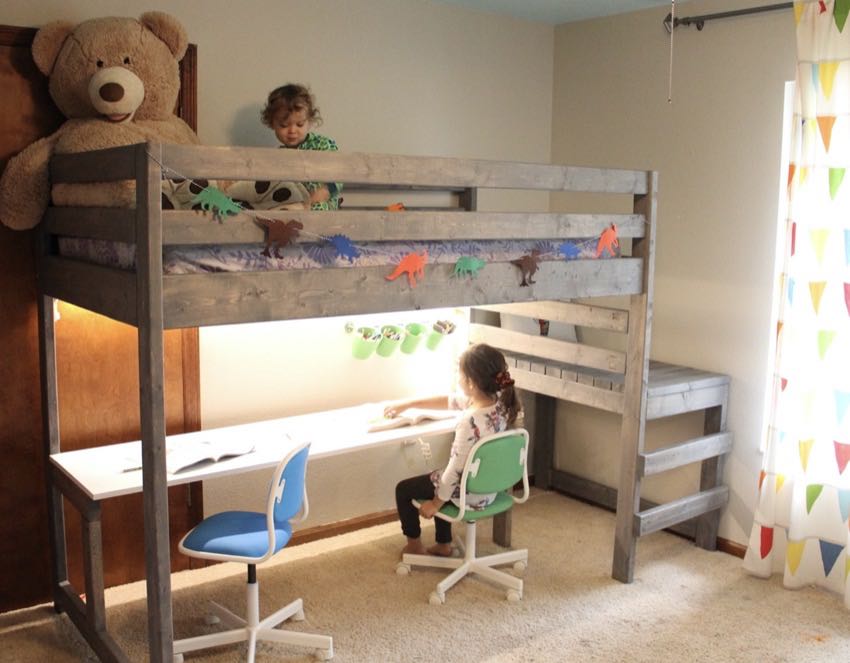
Add extra supports under the bed and at joints. Use metal brackets or extra wood blocks. This stops wobbling and keeps the bed safe. Test the frame by pressing gently on different parts.
Credit: www.protoolreviews.com
Constructing The Desk Area
Constructing the desk area under a bunk bed creates a useful space for work or study. It saves room and keeps the area neat. Careful planning helps build a strong and functional desk. Focus on choosing the right surface, attaching it safely, and adding storage options.
Desk Surface Options
Pick a desk surface that fits your needs and style. Wood boards offer a classic look and strong support. Plywood is budget-friendly and easy to paint. Laminated surfaces resist stains and clean well. Measure the space to get the perfect size. Smooth edges prevent injuries and make the desk safe.
Attaching The Desk To Frame
Secure the desk surface firmly to the bunk bed frame. Use brackets or metal L-brackets for solid support. Drill pilot holes to avoid wood splitting. Check the desk is level before tightening screws. Make sure the desk holds weight without wobbling. Test for stability by pressing down gently.
Adding Storage Solutions
Storage keeps the desk tidy and items within reach. Add shelves above or under the desk for books and supplies. Use small drawers or bins for pens and papers. Hooks on the side hold bags or headphones. Choose storage that fits the space and your needs. Organize tools to keep the desk clutter-free.
Finishing Touches
Finishing touches make your bunk bed with desk look great and last longer. This final step adds safety and style. It also protects the wood and smooths rough edges. Take time here for a neat, durable result.
Sanding And Smoothing
Use fine sandpaper to smooth all wood surfaces. Sand corners and edges carefully to avoid splinters. Wipe dust off with a clean cloth. Smooth wood feels better and looks more polished. It helps paint or stain stick well.
Painting Or Staining
Choose paint or stain that suits your room’s style. Use a brush or roller for even coverage. Apply thin coats and let each dry fully. Painting adds color and protects wood from damage. Staining shows natural grain and keeps wood warm. Seal with a clear finish for extra strength.
Installing Safety Rails
Attach safety rails on the upper bunk sides. Use strong screws and brackets for secure fitting. Rails prevent falls and keep sleepers safe. Check rails for stability before use. Safety is key, especially for kids’ bunk beds.
Tips For Maintenance And Safety
Keeping your bunk bed with desk safe and sturdy is very important. Regular care helps avoid accidents and keeps the bed strong. Small steps can make a big difference in safety and durability.
Follow these tips to maintain your bunk bed and protect those who use it. Safety should always come first, especially with children involved.
Regular Checks
Look over the bed every week. Tighten loose screws and bolts. Check for cracks or broken parts. Replace any damaged pieces quickly. Make sure the desk is stable and does not wobble.
Weight Limits
Know the weight limit of the bunk bed. Do not let anyone climb on the top if it is too heavy. Avoid putting heavy items on the desk or bed. This keeps the bed safe and strong for a long time.
Childproofing Ideas
Use guardrails on the top bunk to prevent falls. Add soft padding on sharp corners of the desk. Keep the ladder secure and easy to climb. Teach children to use the bed carefully. These small steps help keep kids safe.
Credit: www.shanty-2-chic.com
Frequently Asked Questions
How Do I Start Building A Bunk Bed With Desk?
Begin by designing a detailed plan including measurements. Gather quality wood, tools, and safety gear. Start with the frame, then add the desk and ladder. Follow step-by-step instructions for stability and safety.
What Materials Are Best For A Bunk Bed With Desk?
Use solid hardwood like oak or pine for durability. Choose sturdy screws, brackets, and wood glue. Opt for non-toxic paint or finish for safety. Quality materials ensure strength and longevity of the bunk bed.
How Much Space Is Needed For A Bunk Bed With Desk?
Allow at least 7 feet in height for clearance. Ensure the room is wide enough for the bed and desk comfortably. Measure carefully to leave space for movement and safety around the furniture.
Is It Safe To Build A Bunk Bed With Desk At Home?
Yes, if you follow proper safety guidelines. Use strong materials and secure joints tightly. Double-check weight limits and add guardrails on the top bunk. Take your time and avoid rushing the build process.
Conclusion
Building a bunk bed with a desk saves space and adds function. Follow clear steps to ensure safety and stability. Choose the right materials for strength and durability. Take your time to measure and assemble carefully. This project fits well in small rooms or shared spaces.
Enjoy having a comfortable spot for sleep and work. A DIY bunk bed with a desk brings smart use of space. Try it yourself and create a practical, cozy area.