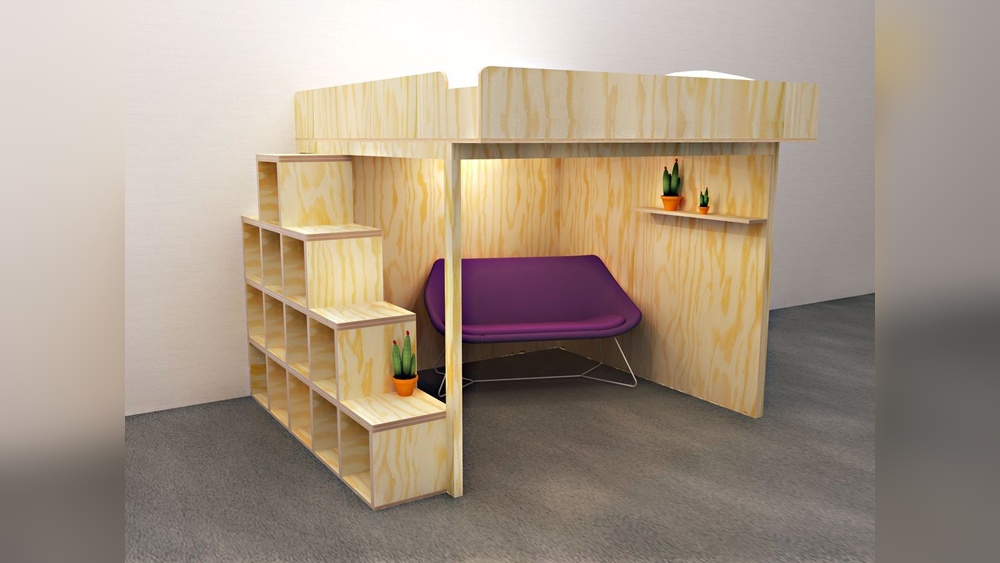
Are you looking for a smart way to save space and add fun to your home? Building a double bunk bed might be the perfect solution for you.
Imagine creating a cozy spot where your kids can sleep, play, and share stories—all while freeing up room for other activities. In this guide, you’ll discover simple, step-by-step instructions to build a strong and safe double bunk bed. Whether you’re a beginner or have some DIY experience, you’ll find tips that make the process easy and enjoyable.
Ready to transform your space and make your family’s bedtime better? Keep reading to learn how to build your own double bunk bed from scratch.
Materials And Tools Needed
Building a double bunk bed requires the right materials and tools. This ensures the bed is safe, strong, and lasts long. Gathering everything before starting saves time and avoids interruptions. The list below covers all basic needs for the project.
Wood And Lumber
Choose sturdy wood like pine or oak for the frame. Use 2×4 or 2×6 boards for strong support. Plywood sheets work well for the bed slats and guardrails. Make sure the wood is smooth and free of cracks.
Fasteners And Hardware
Use wood screws to join the pieces firmly. Get corner brackets for extra support. Include bolts and nuts for the main frame joints. Sandpaper or wood filler helps finish rough edges and holes.
Tools Required
A power drill speeds up screwing and drilling. A saw cuts the wood to size. A measuring tape ensures correct lengths. A screwdriver and wrench help tighten fasteners. A level checks the bed is even and balanced.
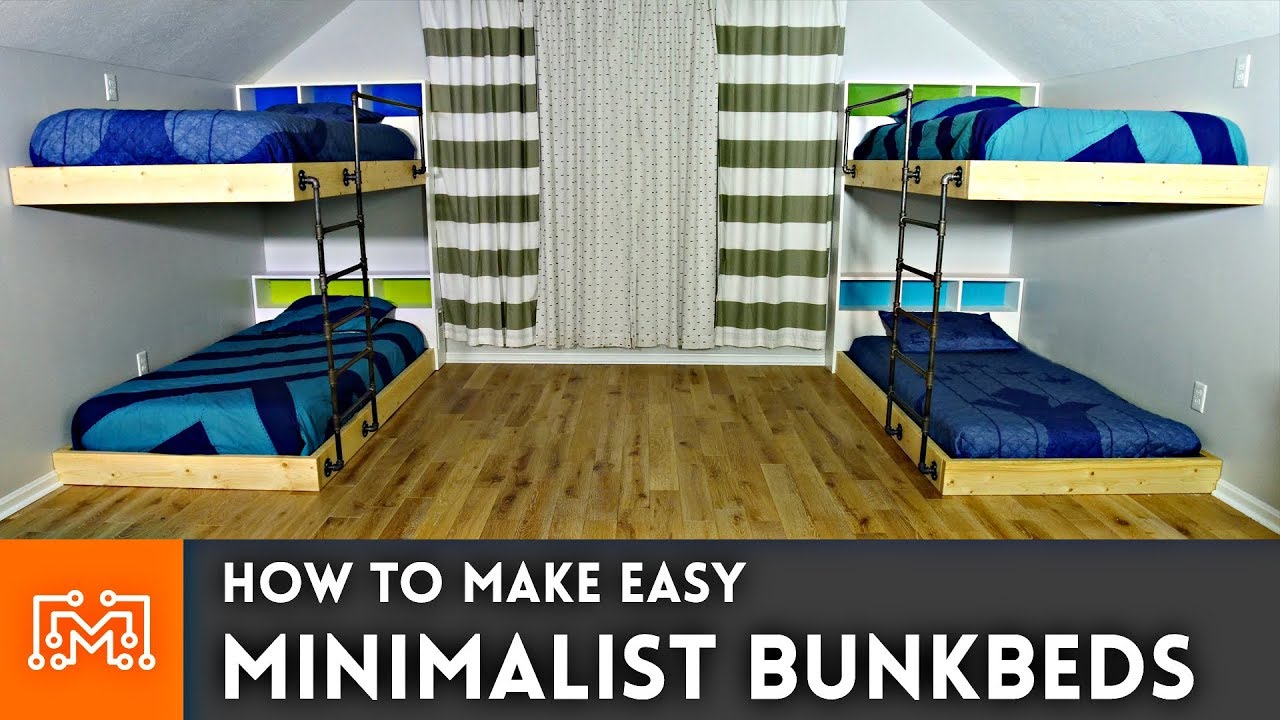
Credit: www.youtube.com
Choosing The Right Wood
Choosing the right wood is key to building a strong double bunk bed. The wood affects safety, look, and durability. Picking a good type helps the bed last many years. It also makes the building process easier and more enjoyable.
Types Of Wood For Bunk Beds
Hardwood and softwood are the main options. Hardwoods like oak, maple, and cherry are tough and last long. Softwoods like pine and cedar are lighter and easier to work with. Both can work well if chosen carefully.
Strength And Durability
Strong wood keeps the bunk bed safe and steady. Look for wood that resists bending or breaking. Hardwoods usually handle weight better. Softwoods need thicker pieces to be strong enough.
Appearance And Finish
Wood grain and color affect the bed’s look. Oak has a rich, classic feel. Pine looks light and natural. Think about how the wood will match the room. Some woods take paint or stain better than others.
Cost And Availability
Wood prices vary by type and location. Pine is often cheaper and easy to find. Hardwoods can cost more but may last longer. Choose wood that fits your budget and is easy to buy locally.
Workability And Tools Needed
Softwoods are easier to cut and shape. Hardwoods may need sharper tools and more effort. If new to woodworking, softwood can be friendlier. Plan your tools based on the wood type.
Measuring And Planning
Measuring and planning are the first steps to build a sturdy double bunk bed. Careful measurement ensures the bed fits the space and is safe to use. Planning helps avoid mistakes and saves time during building.
Take your time to measure the room and materials accurately. Write down all numbers clearly. This step makes the entire project smoother and more enjoyable.
Measure The Room Size
Start by measuring the room’s length, width, and height. Leave extra space around the bed for easy movement. Check for obstacles like doors, windows, or heaters. Mark the best spot for the bunk bed.
Determine Bed Dimensions
Decide the size of each bunk mattress. Common sizes are twin or full. Add extra length and width for the frame. Keep enough space between bunks for comfort and safety.
List Required Materials
Write down all wood, screws, and tools needed. Choose strong wood like pine or oak. Check the quality of screws and brackets. Prepare everything before starting to build.

Credit: www.youtube.com
Cutting The Wood Pieces
Cutting the wood pieces is the first step in building a double bunk bed. Accurate cuts ensure the bed fits together tightly. Measure each piece carefully before cutting. Use the right tools for clean, straight cuts. Safety is important, so wear protective gear while cutting.
Organize your wood pieces by size and type. Label each piece to avoid confusion later. Take your time cutting to avoid mistakes. A good cut saves time during assembly. Let’s break down the cutting process into simple steps.
Preparing Your Workspace
Clear your workspace to have plenty of room. A flat, stable surface works best. Arrange your tools within easy reach. Good lighting helps you see your measurements clearly. Keep clamps nearby to hold wood steady.
Measuring And Marking The Wood
Use a tape measure for precise measurements. Mark each cut line with a pencil. Double-check every measurement before marking. Mark both sides of the wood for accuracy. Use a square tool to keep lines straight.
Choosing The Right Saw
A circular saw works well for most cuts. A miter saw offers cleaner, angled cuts. Use a handsaw for small, detailed cuts. Ensure the blade is sharp for smooth cuts. Follow safety rules to protect your hands and eyes.
Making The Cuts
Cut slowly along the marked lines. Keep the saw steady for straight edges. Support the wood to prevent splintering. Cut all pieces one by one. Check each piece against the plan after cutting.
Assembling The Bed Frame
Assembling the bed frame is the key step in building a double bunk bed. It creates the strong base that holds the entire structure. A solid frame keeps the bed safe and steady. Follow these simple steps to put together the main parts of the bed frame.
Building The Side Rails
Start with the side rails. These long pieces run along the bed’s length. Attach the wooden planks using screws or bolts. Make sure the rails are straight and even. Use a level tool to check the alignment. Tighten all connections firmly. The side rails support the mattress and sleepers.
Constructing The Head And Foot Boards
Next, build the head and foot boards. These pieces stand upright at each bed end. Connect vertical posts with horizontal boards. Use strong screws to join the parts. Double-check that each board is square. Secure the boards tightly to prevent wobbling. These boards add stability and style to the bed.
Attaching The Support Slats
Finally, attach the support slats. Lay them across the side rails inside the frame. Space the slats evenly for good mattress support. Screw each slat in place firmly. These slats hold the mattress and prevent sagging. Ensure they fit snugly and stay flat. Proper slat installation makes the bed safe and comfy.
Securing The Bunk Bed
Securing the bunk bed is a crucial step for safety and stability. Without proper securing, the bed can wobble or become dangerous for children. This section covers how to add safety rails and install the ladder correctly. Both parts help prevent accidents and make the bunk bed safe for daily use.
Adding Safety Rails
Safety rails stop sleepers from falling out of the top bunk. Use strong wood or metal rails that fit the bed frame. Attach the rails firmly with screws or bolts. Make sure the rails cover most of the bed’s length. Check that there are no gaps where a child could slip through. Test the rails by pushing gently to confirm they hold tight.
Installing The Ladder
The ladder provides safe access to the top bunk. Choose a sturdy ladder that matches the bed’s height and style. Fix the ladder securely to the bed frame with screws. Position the ladder at a comfortable angle for climbing. Check that the steps are even and strong enough to hold weight. Finally, ensure the ladder does not wobble or move during use.
Finishing Touches
Finishing touches give your double bunk bed a clean, polished look. These final steps protect the wood and improve safety. Smooth surfaces prevent splinters and sharp edges. A good finish also makes cleaning easier and extends the bed’s life. Focus on sanding and applying paint or stain carefully.
Sanding And Smoothing
Start by sanding all wooden parts with medium-grit sandpaper. This removes rough spots and splinters. Next, use fine-grit sandpaper for a smooth finish. Sand edges and corners well. Wipe dust off with a damp cloth. Check for any rough areas and sand again if needed. Smooth surfaces ensure comfort and safety for kids.
Applying Paint Or Stain
Choose paint or stain that is safe for children. Use non-toxic, low-VOC products to avoid harmful fumes. Apply a thin, even coat with a brush or roller. Let it dry completely before adding another layer. Two or three coats give the best protection. Paint bright colors or natural stains enhance the bed’s style. Finish with a clear sealant for extra durability.
Tips For Durability And Safety
Building a double bunk bed requires care for both strength and safety. Strong materials and smart design keep the bed safe for children. Follow key tips to make sure your bunk bed lasts long and protects its users.
Safety comes first. Every part must fit tightly and hold weight well. Avoid sharp edges or loose parts that could cause injury. Think about stability and comfort together.
Choose Quality Wood And Hardware
Select hardwood like oak or maple for strong frames. Avoid softwoods that can crack or bend easily. Use screws and bolts instead of nails for better hold. Good hardware ensures the bed stays steady over time.
Secure Guardrails On The Top Bunk
Install guardrails on all sides of the upper bunk. Rails should be high enough to prevent falls. Make sure gaps between rails are small to avoid accidents. Test the rails by pushing and pulling gently.
Use Strong Support Slats
Lay thick wooden slats across the bed frame. Space them evenly for good mattress support. Avoid thin or widely spaced slats that may break under weight. Strong slats prevent mattress sagging and improve safety.
Check And Tighten Fasteners Regularly
Inspect bolts and screws every few months. Tighten any loose parts to keep the bed secure. Loose fasteners cause wobbling and increase risk of collapse. Regular checks help maintain the bed’s durability.
Sand And Finish All Surfaces
Sand all wood parts to remove rough edges. Smooth surfaces reduce splinters and injuries. Apply a non-toxic finish or paint for protection. This keeps the wood strong and safe for children.
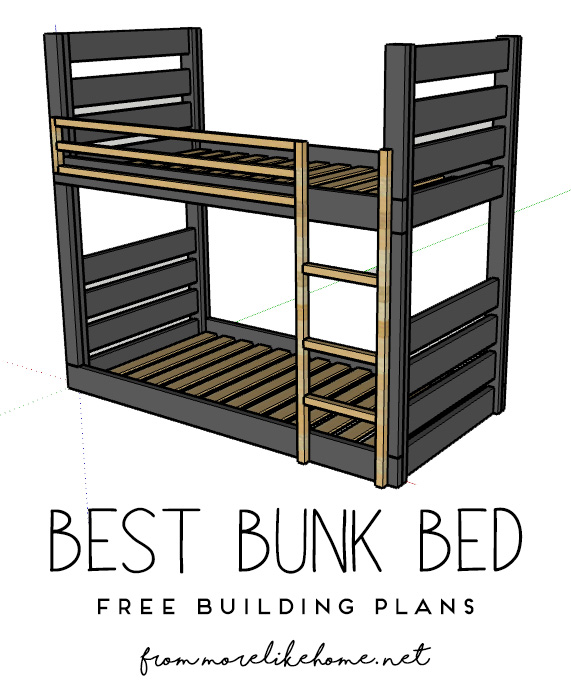
Credit: www.morelikehome.net
Frequently Asked Questions
What Materials Are Needed To Build A Double Bunk Bed?
You need quality wood, screws, bolts, a drill, saw, measuring tape, and sandpaper. Choose sturdy wood like pine or oak for safety and durability.
How Long Does It Take To Build A Double Bunk Bed?
Building a double bunk bed typically takes 6 to 10 hours. Time varies based on skill level and complexity of the design.
What Safety Features Are Essential For A Double Bunk Bed?
Include guardrails on the top bunk, secure ladder, and sturdy frame. Ensure all fasteners are tight and edges are smooth to prevent injuries.
Can I Customize The Size Of The Double Bunk Bed?
Yes, you can customize length, width, and height. Measure your room and mattress size before starting to ensure a perfect fit.
Conclusion
Building a double bunk bed can be simple and fun. Follow each step carefully for safety and strength. Use the right tools and materials to make your bed last. Take your time and check your work as you go. The result will be a sturdy, space-saving bed your family will enjoy.
Enjoy your new double bunk bed and the extra room it creates!