Choosing the right wire for your bookshelf speakers can make a huge difference in sound quality. But with so many options, how do you know what gauge wire is best for your setup?
If you want clear, crisp audio without any loss or distortion, understanding wire gauge is key. You’ll discover exactly which wire thickness works best for your speakers and why it matters. Keep reading to make sure your music sounds as good as it should.
Choosing The Right Wire Gauge
Choosing the right wire gauge for your bookshelf speakers is important. The wire gauge affects how well sound travels from the amplifier to the speaker. Using the right gauge improves sound quality and prevents power loss. It also helps protect your equipment.
Why Wire Gauge Matters
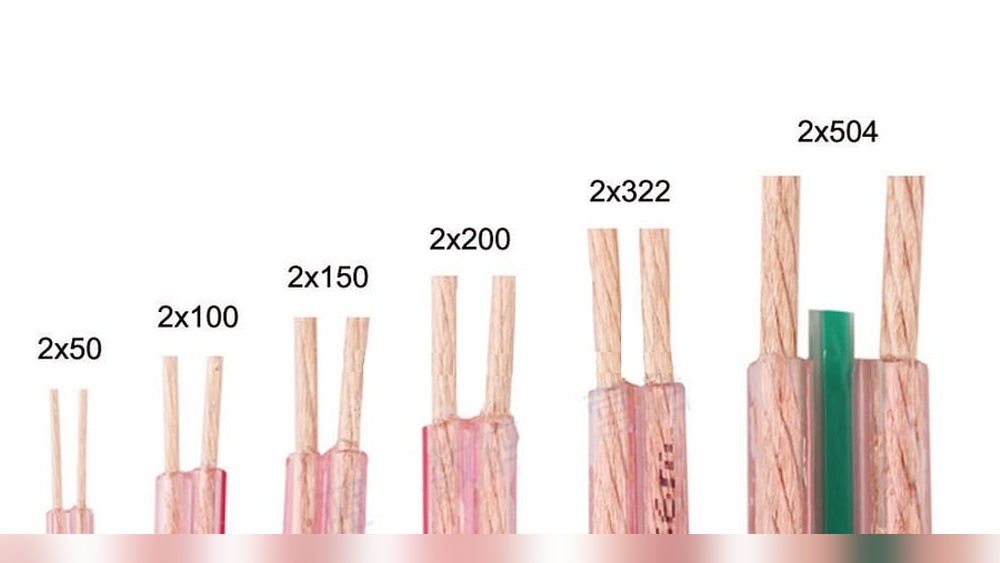
The wire gauge shows the thickness of the wire. Thicker wire has less resistance. Less resistance means more power reaches the speaker. Thin wire causes signal loss and weak sound. For longer wires, thicker gauge is better. It keeps the sound clear and strong.
Common Wire Gauges For Speakers
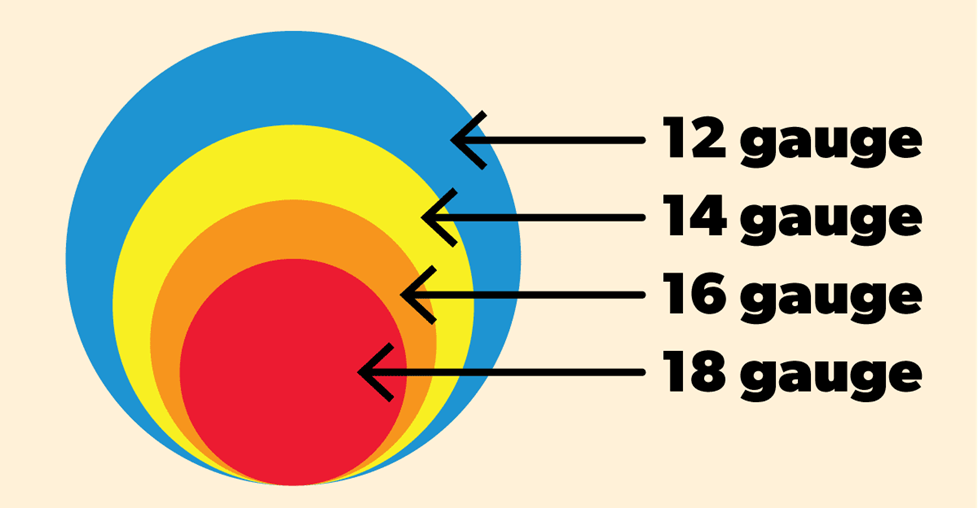
Speaker wires usually come in 12, 14, 16, or 18 gauge. 16 gauge works well for most bookshelf speakers up to 50 feet. For longer runs, 14 or 12 gauge is best. Use 18 gauge only for short distances under 25 feet. Choosing the right gauge depends on wire length and speaker power.

Credit: electromarket.co.uk
Factors Influencing Wire Gauge Selection
Selecting the right wire gauge for bookshelf speakers depends on a few important factors. Choosing the correct gauge helps maintain sound quality and protects your equipment. This section explains the main points to consider before picking your speaker wire.
Speaker Impedance
Speaker impedance is the resistance that the speaker offers to the electrical signal. Most bookshelf speakers have an impedance of 4, 6, or 8 ohms. Lower impedance means the speaker draws more current. Use thicker wire for lower impedance to avoid signal loss. Thinner wire can work well with higher impedance speakers.
Cable Length
The length of the wire affects the resistance in the circuit. Longer cables have more resistance and can reduce sound quality. For runs under 25 feet, 16-gauge wire usually works fine. For longer distances, choose 14-gauge or thicker wire to keep the signal strong.
Power Handling
Power handling means the amount of power the speaker can handle safely. High-powered speakers need thicker wire to carry the current without overheating. For low-power bookshelf speakers, 16- or 18-gauge wire is often enough. Match the wire gauge to the power rating to ensure clear, undistorted sound.
Recommended Wire Gauges For Bookshelf Speakers
Choosing the right wire gauge for bookshelf speakers is important. It helps deliver clear sound and prevents power loss. The wire gauge depends on the cable length. Different lengths need different thicknesses for the best performance.
Short Cable Runs
For short runs under 25 feet, 16-gauge wire works well. It is thick enough to carry power without losing sound quality. This gauge is easy to handle and cost-effective. It fits most bookshelf speaker setups with short distances.
Medium Cable Runs
For cable lengths between 25 and 50 feet, 14-gauge wire is better. It reduces resistance and keeps sound clear. Thicker wire helps maintain good signal strength at this length. Using 14-gauge wire ensures stable performance without extra cost.
Long Cable Runs
For runs over 50 feet, use 12-gauge wire. Thicker wire minimizes power loss on long cables. It ensures speakers get enough power for louder, clearer sound. Using 12-gauge wire is a smart choice for long distances.
Material And Quality Considerations
Choosing the right wire material and quality matters for bookshelf speakers. The wire affects sound quality and durability. Picking good wire helps your speakers perform at their best. Understanding materials and insulation types is key to making a smart choice.
Copper Vs. Copper-clad Aluminum
Copper wire is the most common for speakers. It conducts electricity well, so sound is clear. Copper is flexible and resists corrosion. Copper-clad aluminum (CCA) has an aluminum core with a thin copper layer. CCA is lighter and cheaper but does not conduct as well as pure copper. For better sound, pure copper is the safer pick. CCA may cause sound loss over long distances.
Insulation Types
Insulation protects the wire from damage and shorts. Common types include PVC, rubber, and foam. PVC is cheap and durable but less flexible. Rubber insulation bends easily and lasts longer. Foam insulation is soft and offers good sound isolation. The insulation should fit your setup environment. Good insulation prevents interference and keeps connections safe.
Installation Tips For Optimal Performance
Installing bookshelf speakers correctly helps get the best sound. Using the right wire gauge and setting up cables properly makes a big difference. This section covers simple tips to improve speaker performance and keep sound clear.
Avoiding Signal Loss
Choose the right wire gauge for the distance between amp and speaker. Thicker wire reduces signal loss over long runs. For runs under 25 feet, 16-gauge wire works well. For longer runs, use 14-gauge or thicker wire.
Keep wire connections tight and clean. Loose connections cause sound drop and noise. Strip wire ends carefully to avoid damage. Use banana plugs or secure connectors for a solid fit.
Proper Cable Management
Organize wires to prevent tangles and damage. Use clips or cable ties to hold wires in place. Avoid sharp bends or pinching wires, which reduce performance.
Keep speaker wires away from power cables. This reduces electrical noise and interference. Label both ends of each wire for easy setup and troubleshooting.
Credit: www.crutchfield.com
Troubleshooting Common Wiring Issues
Wiring problems can cause poor sound or no sound from bookshelf speakers. Troubleshooting wiring issues helps fix these problems quickly. Simple checks often solve the problem without extra costs.
Use clear steps to find the wiring fault. This guide focuses on two common issues: resistance problems and connection errors.
Identifying Resistance Problems
Resistance in speaker wires can weaken sound quality. Long or thin wires increase resistance. This causes low volume or muffled sound.
Check the wire gauge. Thicker wires have less resistance. For short runs, 16-gauge wire works well. For longer runs, use 14-gauge or thicker.
Test the wire with a multimeter. High resistance means the wire is too thin or damaged. Replace the wire if resistance is too high.
Fixing Connection Errors
Loose or wrong connections cause no sound or noise. Check all terminals and plugs. Make sure wires are firmly attached.
Match the positive and negative terminals on the speaker and amplifier. Reversed polarity weakens sound quality.
Clean any dirt or corrosion on the connectors. Use sandpaper or a cloth. Dirty contacts block signals.

Credit: www.reddit.com
Frequently Asked Questions
What Gauge Wire Is Best For Bookshelf Speakers?
For bookshelf speakers, 16 or 14 gauge wire is ideal. Thicker wires reduce resistance and signal loss. Use 16 gauge for short runs under 50 feet, and 14 gauge for longer distances to maintain sound quality and minimize distortion.
Can Thicker Wire Improve Speaker Sound Quality?
Yes, thicker wire reduces resistance and signal loss. This helps preserve audio clarity, especially over long distances. Using 14 gauge instead of 16 gauge can enhance sound quality for runs above 50 feet.
Is 18 Gauge Wire Suitable For Bookshelf Speakers?
18 gauge wire works for very short runs under 25 feet. However, it may cause signal loss on longer runs. For optimal performance, use 16 or 14 gauge wire for bookshelf speakers.
How Does Wire Gauge Affect Speaker Performance?
Lower gauge numbers mean thicker wire, which lowers resistance. Reduced resistance ensures better power delivery and clearer sound. Using the correct gauge prevents signal loss and maintains speaker performance.
Conclusion
Choosing the right wire gauge makes a big difference in sound quality. Thicker wires carry signals better over long distances. For most bookshelf speakers, 16 or 14 gauge wire works well. Keep wires short to avoid power loss and distortion.
Good wire helps your speakers perform at their best. Simple choices lead to better music and clearer sound. Now, you can pick the right wire with confidence. Enjoy your listening experience!
