
Is your bunk bed wobbling every time you move? That shaky feeling can be frustrating and even unsafe for you and your family.
You want a sturdy, secure bed that lets you sleep soundly without worrying about it tipping or creaking. Luckily, fixing a wobbly bunk bed is easier than you think. You’ll discover simple, effective ways to stop your bunk bed from wobbling—so you can enjoy peace of mind and a good night’s rest.
Keep reading to find out how to make your bunk bed rock-solid again!

Credit: www.reddit.com
Common Causes Of Bunk Bed Wobbling
Bunk bed wobbling can be annoying and unsafe. Knowing the common causes helps fix the problem quickly. Most bunk beds wobble due to simple issues anyone can check. These issues affect the bed’s stability and comfort.
Understanding these causes lets you take the right steps to stop the wobble. This saves time and keeps the bed safe for children and adults alike.
Loose Screws And Bolts
Screws and bolts hold the bunk bed parts together. Over time, they can loosen from use or movement. Loose hardware makes the bed shake when used.
Regularly check all screws and bolts. Tighten any that feel loose with a screwdriver or wrench. This is often the easiest fix for a wobbly bunk bed.
Uneven Floor Surface
An uneven floor causes the bed to sit crooked. This makes the bed unstable and wobble with weight shifts. Check if all bed legs touch the floor evenly.
Use furniture pads or shims to level the bed if needed. This helps the bed stand firm and stops the wobbling.
Worn Out Bed Frame Parts
Bed frames can wear out or get damaged over time. Cracked wood, bent metal, or broken joints reduce stability. These worn parts cause the bed to wobble and feel unsafe.
Inspect the frame for any damage. Replace or repair worn parts to restore strength and stop the movement.
Tools And Materials Needed
Fixing a wobbling bunk bed needs the right tools and materials. Having these ready makes the repair easier and safer. This section lists what you need before starting the job.
Basic Repair Tools
Start with simple tools. A screwdriver set helps tighten screws. A wrench or pliers can hold nuts and bolts. A hammer may be needed to tap loose parts back in place. A level helps check if the bed is straight. A measuring tape ensures parts fit well.
Replacement Parts
Old or broken parts cause wobbling. Have extra screws and bolts on hand. Wood glue can help secure loose joints. If slats or guardrails are damaged, get new ones. Check the bed frame for any missing pieces. Keep small parts organized during repair.
Safety Gear
Safety is key. Wear gloves to protect your hands. Safety glasses keep debris out of your eyes. Use a dust mask if sanding or working with wood particles. Work in a well-lit area to avoid accidents. Clear the workspace from clutter before starting.
Step-by-step Fixes
Fixing a wobbling bunk bed can be simple with the right steps. Follow these easy fixes to make your bed stable again. Each method helps stop movement and improves safety. Try them one by one for the best result.
Tighten All Screws And Bolts
Start by checking every screw and bolt on the bunk bed. Use a screwdriver or wrench to tighten them firmly. Loose screws cause most wobbling problems. Tightening them keeps the bed parts from moving apart.
Check joints between the frame and ladder. Don’t skip small screws. Regularly tightening screws prevents future wobbling.
Add Support With Wood Blocks
Wood blocks add strong support under the bed frame. Cut small blocks to fit under weak spots or legs. Place them where the bed touches the floor or the wall.
These blocks fill gaps and stop shaking. Wood blocks are cheap and easy to install. They help balance the bed on uneven floors.
Use Furniture Pads For Stability
Furniture pads reduce slipping and add grip. Stick pads under each leg of the bunk bed. They stop the bed from sliding on smooth floors.
Soft pads also protect floors from scratches. Choose rubber or felt pads for best hold. Replace pads if they wear out over time.
Replace Damaged Components
Look for broken or worn parts like slats, bolts, or brackets. Damaged pieces cause wobbling and risk safety. Replace any cracked wood or bent metal parts.
Use parts made for your bunk bed model. New components restore strength and stop movement. Regular checks help catch damage early.
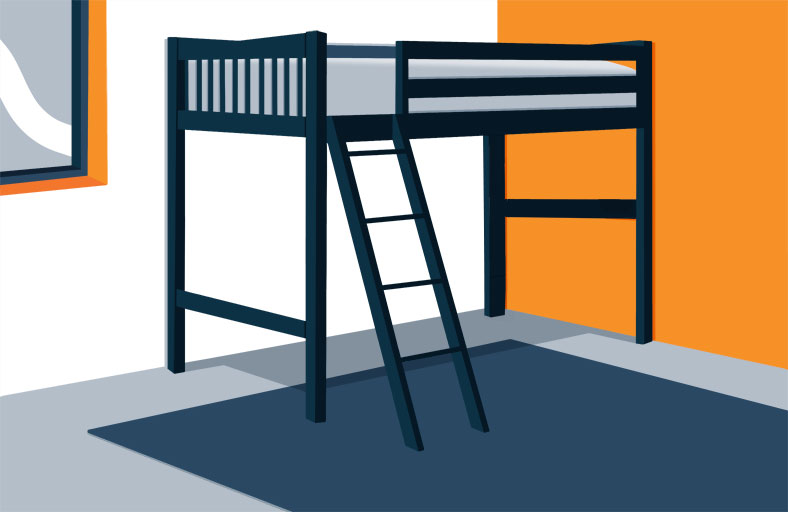
Credit: www.sleepadvisor.org
Preventing Future Wobbling
Preventing future wobbling in your bunk bed helps keep it safe and sturdy. Small efforts can stop problems before they start. Regular checks and smart choices make a big difference.
Regular Maintenance Tips
Check bolts and screws often. Tighten any loose parts right away. Clean joints and frames to avoid dust buildup. Use a wrench or screwdriver for secure fixing. Replace broken or worn parts quickly. This keeps the bed strong and steady.
Choosing The Right Mattress
Pick a mattress that fits the bed frame well. Avoid mattresses that are too heavy or too soft. A proper mattress reduces strain on the bed. It also stops extra movement that causes wobbling. Choose lightweight, firm mattresses for the best support.
Positioning The Bed Properly
Place the bunk bed on a flat, even floor. Avoid carpets that can cause uneven support. Push the bed against a wall for extra stability. Make sure the bed feet touch the floor fully. This prevents rocking and keeps the bed steady.
When To Seek Professional Help
Sometimes, fixing a wobbly bunk bed is not a simple task. The problem might be more serious than loose screws or uneven floors. Knowing when to seek professional help is important. Professionals can spot hidden problems and provide safe solutions. Avoid using the bed if it feels unsafe.
Signs Of Structural Damage
Cracks in the wood or metal parts show damage. Bent or broken slats weaken the bed frame. Loose joints that don’t tighten again cause instability. Creaking sounds with every move suggest deeper issues. Visible gaps between bed parts may mean the frame is failing. These signs mean the bed needs more than a quick fix.
Custom Repair Options
Professionals can offer repairs tailored to your bed’s needs. They may replace broken parts with stronger materials. Reinforcing joints can stop future wobbling. Custom solutions keep the bed safe and stable. Experts can also suggest upgrades for added safety. This care extends the bed’s life and protects users.

Credit: www.sleepadvisor.org
Frequently Asked Questions
How Can I Stop My Bunk Bed From Wobbling?
To stop wobbling, tighten all bolts and screws firmly. Check the bed frame for loose parts. Adding corner braces can enhance stability. Placing non-slip pads under legs helps prevent movement on smooth floors.
What Tools Do I Need To Fix Bunk Bed Wobble?
You will need a wrench, screwdriver, and possibly an Allen key. A rubber mallet helps adjust wooden parts. Also, use corner braces and wood glue for extra support.
Is It Safe To Use Bunk Beds That Wobble?
No, a wobbling bunk bed can be unsafe. It increases the risk of falls and injuries. Fix the wobble immediately to ensure safety, especially for children.
Can Adding Extra Support Fix Bunk Bed Instability?
Yes, adding extra support like corner braces or wooden slats strengthens the frame. It reduces movement and prevents future wobbling. Reinforce weak joints for better stability.
Conclusion
A stable bunk bed means safer sleep and less noise. Tighten all screws and bolts regularly. Add support braces if the frame feels weak. Place the bed on a flat, even floor. Use rubber pads under legs to stop slipping.
Check the bed often to catch wobbling early. Simple steps can keep your bunk bed steady. Enjoy a quiet, safe night without worry.