
Are you looking to add a new bookshelf to your space but aren’t sure which material will work best? Choosing the right material is more important than you might think.
It affects not just how your bookshelf looks, but how strong and durable it will be for your favorite books and treasures. You’ll discover the top materials that make a bookshelf both stylish and sturdy. By the end, you’ll know exactly what to look for to pick the perfect bookshelf material that fits your needs and style.
Keep reading—you’re closer than ever to creating a space that truly holds your stories.

Credit: www.thisoldhouse.com
Durability Factors
Durability is a key factor when choosing a material for a bookshelf. A strong, long-lasting material keeps your shelf stable and safe. It also holds up well under the weight of many books. Consider how the material handles daily use, moisture, and pests. These aspects affect the shelf’s lifespan and appearance over time.
Material Strength
Material strength means how much weight the shelf can hold without bending. Solid wood and metal are very strong options. Plywood and MDF are less strong but still work for light loads. Choose a material that matches the weight of your books and items.
Resistance To Wear
Resistance to wear is about how well the material handles scratches and dents. Hardwoods like oak and maple resist wear better than softwoods. Metal shelves resist dents but can scratch. Laminated boards resist scratches but may peel over time.
Moisture And Pest Resistance
Bookshelves face moisture risks in some rooms. Wood can warp or rot if wet. Treated wood resists moisture better. Metal shelves do not absorb water but can rust. Pest resistance matters for wood shelves. Termites and insects can damage untreated wood.
Popular Wood Choices
Choosing the right wood for a bookshelf affects its strength and look. Popular woods suit different needs and budgets. They balance durability, beauty, and cost. This guide covers common wood types for bookshelves.
Hardwoods: Oak, Maple, Walnut
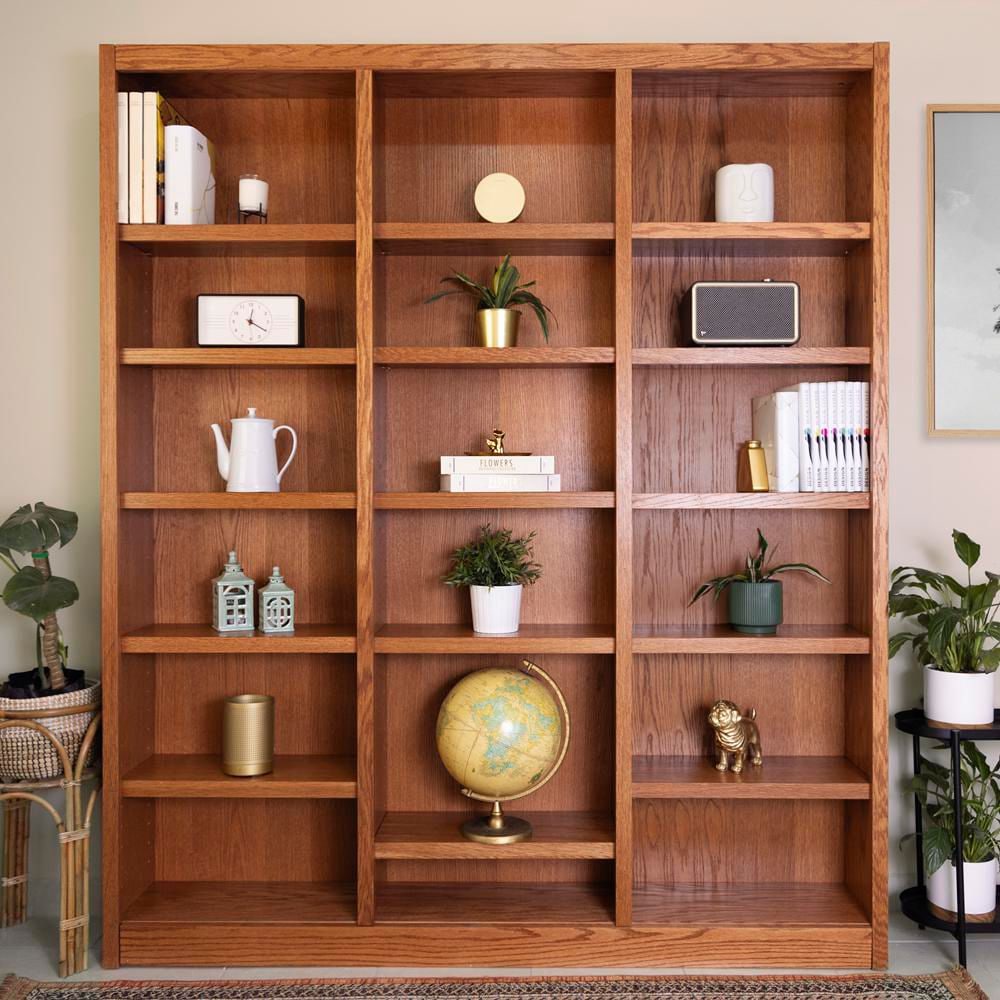
Hardwoods offer strong, long-lasting shelves. Oak is very tough and has a classic grain. It resists dents and scratches well. Maple is smooth and light in color. It holds up well under heavy weight. Walnut has a rich, dark tone. It adds elegance and is quite sturdy. These woods create shelves that last for years.
Softwoods: Pine, Cedar
Softwoods are lighter and easier to work with. Pine is affordable and has a warm look. It can dent more easily but looks great painted or stained. Cedar smells nice and resists insects. It is good for shelves in damp rooms. Softwoods are perfect for light to medium loads.
Engineered Wood: Mdf And Plywood
Engineered wood uses wood fibers and glue for strength. MDF is smooth and easy to paint. It is less expensive but not as strong as solid wood. Plywood has layers of wood veneer. It is stable and resists warping. Both materials offer budget-friendly options for bookshelves.
Metal Options
Metal options offer strength and style for bookshelves. They resist wear and support heavy loads well. Metals also give a modern look that fits many rooms. Choosing the right metal depends on your needs and taste.
Steel Frames
Steel is strong and durable. It holds heavy books without bending. Steel frames often have a sleek, industrial look. They can be powder-coated in various colors. This coating protects steel from rust and scratches. Steel bookshelves last for years with little care.
Aluminum Shelves
Aluminum is lightweight yet sturdy. It does not rust, making it great for humid areas. Aluminum shelves often have a shiny, clean finish. They are easier to move than steel shelves. Aluminum is also less dense, so it puts less pressure on the floor.
Combination Designs
Combining metals with wood or glass adds charm. Metal frames with wooden shelves create a warm, balanced look. Glass shelves with metal supports look elegant and open up space. These mixes offer both strength and style. They fit many décor styles easily.
Credit: www.homedepot.com
Glass And Acrylic Shelves
Glass and acrylic shelves offer a modern look for bookshelves. They bring lightness and style to any room. These materials make spaces appear open and airy. Both glass and acrylic have unique qualities that suit different needs and tastes.
Choosing between glass and acrylic depends on durability, safety, and design. Each material can create a beautiful and functional bookshelf.
Tempered Glass Benefits
Tempered glass is strong and safe. It resists breaking better than regular glass. If it breaks, it shatters into small, less sharp pieces. This feature makes it safer around children and pets.
It holds heavy books without bending. Tempered glass is easy to clean and does not stain. It keeps its clear, shiny look over time. This glass adds a sleek, polished style to any bookshelf.
Acrylic Durability
Acrylic is lighter than glass but still strong. It does not break easily, making it great for busy homes. Acrylic resists scratches and dents better than glass. It is also less expensive, which fits many budgets.
This material comes in many colors and finishes. It can be shaped into many designs. Acrylic shelves add a modern and fun touch to rooms. They are easy to install and move.
Styling Tips
Pair glass shelves with metal or wood frames for a balanced look. Clear glass works well in small rooms to create space. Frosted or tinted glass adds a soft, elegant feel.
Use acrylic shelves to add color and personality. Bright colors can make bookshelves stand out as art pieces. Mix acrylic with natural wood for a warm, modern style.
Keep shelves clutter-free to highlight the material’s beauty. Use good lighting to enhance glass or acrylic shine. Simple decor on these shelves looks clean and stylish.
Eco-friendly Materials
Choosing eco-friendly materials for a bookshelf helps protect the environment. These materials come from natural or recycled sources. They reduce waste and save trees. Eco-friendly shelves also create a healthier home. They avoid harmful chemicals found in some woods or plastics.
Reclaimed Wood
Reclaimed wood comes from old buildings or furniture. It gives new life to wood that would be thrown away. Each piece has a unique look and history. Using reclaimed wood stops more trees from being cut down. It also adds a warm, natural feel to any room.
Bamboo Shelving
Bamboo grows very fast, much faster than regular trees. This makes it a good choice for sustainable shelves. Bamboo is strong and lightweight. It resists water and pests naturally. Bamboo shelves look clean and modern. They fit well in many home styles.
Sustainable Manufacturing
Sustainable manufacturing means making shelves with less harm to nature. It uses less water, energy, and waste. Some companies plant new trees to replace those they cut. They use non-toxic finishes and glue. Shelves made this way last long and stay safe for your home.
Design And Style Considerations
Choosing the right material for a bookshelf means more than strength and durability. Design and style play a big role in making the bookshelf fit well in your space. The material you pick sets the tone for the room and can highlight your personal taste. Think about how the bookshelf will match your room and the vibe you want to create.
Matching Room Decor
Bookshelves should blend with the other furniture and decorations. Wood shelves add warmth and a natural feel. Metal or glass shelves give a sleek, modern touch. Choose a material that complements your existing furniture. The goal is to create a balanced look that feels right in your room.
Color And Finish Options
Materials come in many colors and finishes. Wood offers natural grains, stains, or paint options. Metal can be matte, shiny, or powder-coated in various colors. Finishes affect the mood of the room. Light finishes brighten small spaces. Dark finishes add elegance and depth. Pick colors and finishes that enhance your room’s style.
Modern Vs Traditional Looks
Material choice influences the style of your bookshelf. Wood often fits traditional or rustic designs. It has a timeless, cozy feel. Metal and glass suit modern, minimalist spaces. They create clean lines and open looks. Decide on the style you want before choosing the material. This helps keep your room’s design clear and consistent.
Maintenance Tips
Taking care of your bookshelf material helps it stay strong and look good. Regular maintenance stops damage and keeps the shelf lasting longer. Simple steps can protect the wood, metal, or plastic from wear and tear.
Cleaning Techniques
Dust the bookshelf often using a soft cloth or duster. Use a damp cloth for sticky spots, but avoid soaking the surface. Mild soap mixed with water works well for cleaning most materials. Dry the shelf quickly after wiping to stop moisture damage.
Protecting Material Longevity
Keep your bookshelf away from direct sunlight to prevent fading. Avoid placing it near heat sources or damp areas. Use coasters or mats under items to stop scratches and stains. Tighten screws and bolts regularly to keep the shelf stable and safe.
Repair And Upkeep
Fix small scratches on wood with a touch-up marker or wax stick. Replace damaged parts like brackets or shelves to keep strength. Check for loose joints and glue or screw them back firmly. Clean metal shelves with rust remover if needed and dry well.

Credit: www.ebay.com
Frequently Asked Questions
What Are The Best Materials For A Durable Bookshelf?
Solid wood and plywood are top choices for durability. They resist warping and hold heavy books well. MDF is budget-friendly but less strong. Metal offers a modern look and high strength. Choose based on style, weight needs, and budget.
Is Solid Wood Better Than Mdf For Bookshelves?
Yes, solid wood is more durable and long-lasting than MDF. It withstands heavy loads and looks natural. MDF is cheaper but less sturdy and prone to damage. For quality and strength, solid wood is preferred for bookshelves.
Can Metal Be A Good Material For Bookshelves?
Metal bookshelves are strong, durable, and stylish. They support heavy books without bending. Metal resists moisture and pests better than wood. However, metal can be heavier and colder in appearance. It suits modern or industrial home decor well.
How Does Plywood Compare To Particleboard For Bookshelves?
Plywood is stronger and more durable than particleboard. It holds screws well and resists bending. Particleboard is cheaper but weaker and swells with moisture. For long-lasting bookshelves, plywood is the better choice despite higher cost.
Conclusion
Choosing the right material makes your bookshelf last longer. Wood offers strength and classic style. Metal stands out for modern looks and durability. MDF suits budgets and easy painting. Think about your space, use, and style. A good shelf holds books safely and looks nice.
Pick a material that fits your needs best. Enjoy organizing with a sturdy, beautiful shelf.