Are you wondering how much space you need above your bunk bed to keep things safe and comfortable? Getting this right is more important than you might think.
Too little space can make the top bunk feel cramped or even dangerous, while too much might waste valuable room in your bedroom. You’ll discover the perfect amount of clearance to ensure your bunk bed setup feels just right. Keep reading to learn simple tips that will help you create a cozy, safe sleeping area for you or your kids.
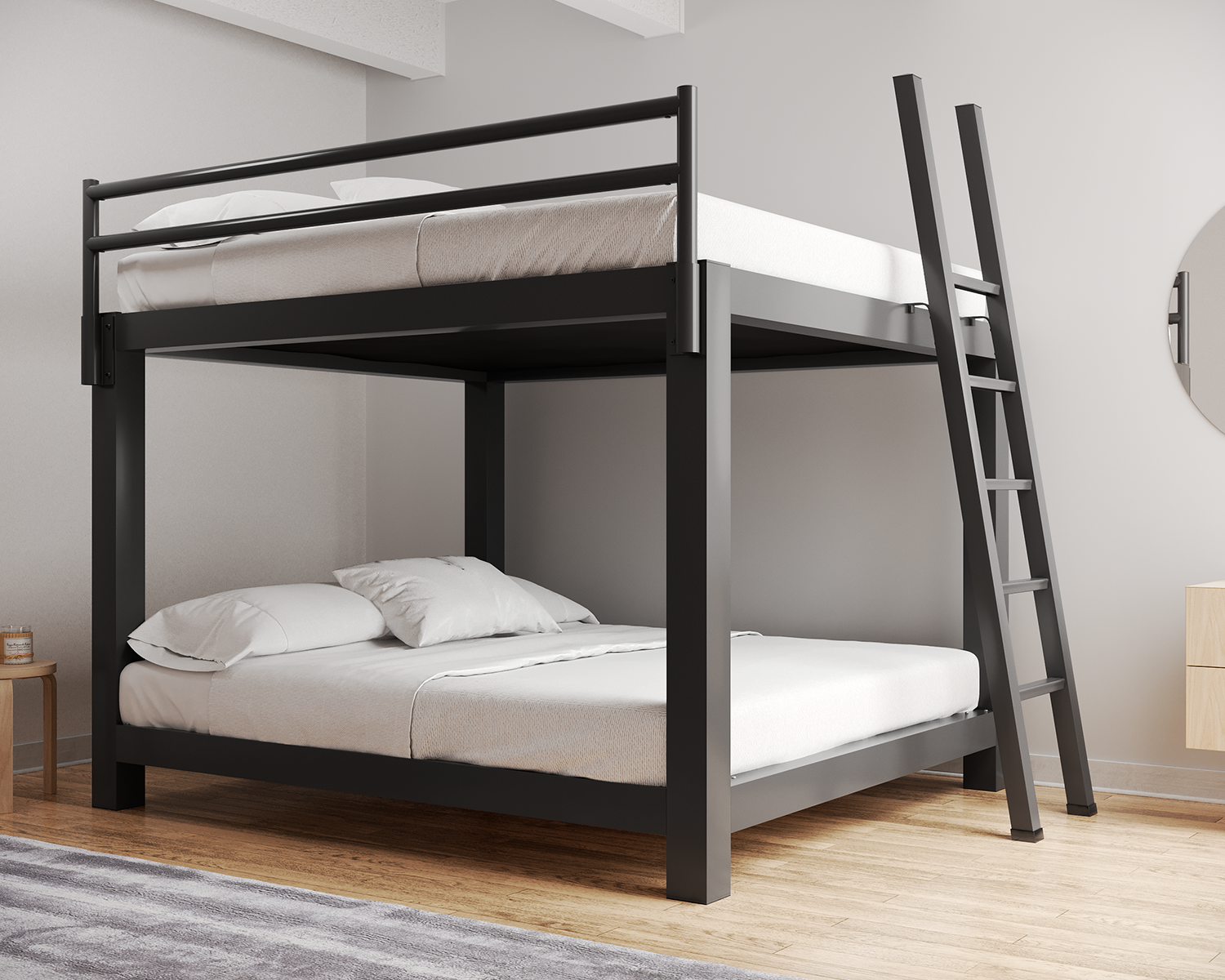
Credit: adultbunkbeds.com
Ideal Clearance Above Bunk Beds
Space above a bunk bed matters for comfort and safety. Proper clearance stops bumps and helps air flow. It makes climbing and sitting up easier. Kids and adults need enough room to move freely.
Too little space causes accidents and discomfort. Too much space wastes room in small bedrooms. Finding the right balance keeps everyone safe and happy.
Recommended Height Measurements
The ideal clearance above the top bunk is at least 33 inches. This space allows a person to sit up without hitting the ceiling. In rooms with low ceilings, aim for 36 inches or more.
Measure from the top of the mattress to the ceiling. This helps confirm enough space for safe use. Keep at least 75 inches from floor to ceiling for a standard bunk bed.
Safety Standards And Guidelines
Safety rules recommend a minimum of 30 inches between the top bunk and ceiling. This prevents head injuries during sitting or climbing. The Consumer Product Safety Commission (CPSC) sets these guidelines.
Guardrails are also important. They must be tall enough to stop falls. Ensure the bunk bed meets all current safety standards before use.
Factors Affecting Space Requirements
Space above a bunk bed depends on several key factors. These affect comfort and safety for the person using the top bunk. Understanding these elements helps plan the right space and avoid issues like bumping your head or feeling cramped.
Ceiling Height Variations
Ceiling height plays a big role in space above a bunk bed. Rooms with low ceilings need more careful measuring. A standard bunk bed usually requires at least seven feet of ceiling height. This gives enough room to sit up without hitting the head. Taller ceilings offer more freedom for different bunk bed styles.
Mattress Thickness
The mattress thickness changes the space needed above the top bunk. Thicker mattresses reduce the gap between the sleeper’s head and the ceiling. Thin mattresses leave more headroom. Choose a mattress that fits the bunk bed frame without shrinking the space too much. Measure mattress height before buying to avoid tight spaces.
User Age And Height
Age and height of the person on the top bunk affect space needs. Children need less headroom than adults. Taller users require more clearance to sit up comfortably. Consider who will use the bunk bed most. Adjust space to fit the user’s height for better comfort and safety.
Consequences Of Insufficient Clearance
Insufficient clearance above a bunk bed can cause several problems. It affects safety and comfort. Understanding these issues helps create a better sleeping space.
Risk Of Head Injuries
Low space above the top bunk increases the chance of hitting your head. People often sit up quickly. This sudden movement can cause bumps or bruises. Over time, repeated impacts may lead to serious injuries. Proper clearance reduces this risk and keeps users safe.
Discomfort And Sleep Quality
Tight space can make sleeping uncomfortable. Feeling cramped may cause restless nights. It is harder to change positions or stretch. Poor sleep affects mood and energy the next day. Enough space above the bed promotes better rest and relaxation.

Credit: www.mainebunkbeds.com
Tips For Maximizing Headroom
Maximizing headroom above a bunk bed creates a safer and more comfortable space. It helps prevent bumps and allows easy movement. Small changes in design and setup can make a big difference. Focus on smart choices to increase space without big costs.
Follow these tips to make the most of the space above your bunk bed.
Choosing The Right Bunk Bed Design
Select bunk beds with higher ceilings between the top mattress and the ceiling. Some models have open frames or ladder placements that save space. Look for beds designed with extra headroom in mind. Avoid bulky headboards or footboards that lower available space.
Using Low-profile Mattresses
Low-profile mattresses are thinner but still comfortable. They reduce the height of the top bunk. This creates more space above the mattress for sitting up or moving. Choose mattresses made for bunk beds to fit perfectly. Avoid thick or bulky mattresses that eat up headroom.
Adjusting Room Layout
Place the bunk bed where the ceiling is highest. Avoid corners with sloped or low ceilings. Position the bed away from ceiling fans or low light fixtures. Clear space around the bed to avoid cramped feelings. Small shifts in placement improve comfort and safety.
Measuring Space Before Installation
Measuring space before installing a bunk bed is very important. It helps ensure safety and comfort. Proper clearance above the bed prevents head bumps and allows good air flow. Taking the right measurements also helps to pick the best spot in the room. Follow simple steps and use the right tools to measure space accurately.
Tools Needed For Accurate Measurement
Use a tape measure for precise length and height. A step stool or ladder helps reach higher spots. A pencil and paper are useful to note down measurements. A level tool ensures the floor and walls are even. These tools make measurement easy and correct.
Steps To Measure Clearance Properly
Start by measuring the room height from floor to ceiling. Note the total height in inches or centimeters. Measure the bunk bed height including mattress thickness. Subtract the bed height from room height to find space above.
Make sure there is at least 33 to 36 inches of clearance above the mattress. This space allows sitting up safely. Also check the space between the top bunk and the ceiling. Measure near walls and in the middle of the bed.
Double-check all measurements to avoid errors. Mark the spot where the bed will go. Clear the area and prepare for installation. Proper measuring keeps the room safe and cozy.
Special Considerations For Loft Beds
Loft beds need special care when planning space above them. These beds are higher than regular bunk beds. They free up floor space underneath for other uses. This makes them popular in small rooms. But the space above must be enough for safety and comfort. Understanding loft beds’ unique needs helps avoid accidents and discomfort.
Differences From Standard Bunk Beds
Loft beds have only one sleeping level, unlike bunk beds with two. This means more open space below the bed. The height of loft beds is usually greater than standard bunk beds. They need more space above for sitting up and moving. The area under the loft bed is often used for desks or storage. This changes how much room you need around and above the bed.
Additional Clearance Needs
More clearance is needed above loft beds than regular bunk beds. At least 33 to 36 inches of space above the mattress is best. This space lets a person sit up without hitting their head. The ceiling height should be higher to keep the room airy. Also, consider the type of mattress used. Thicker mattresses reduce the space above. Proper clearance prevents injury and improves comfort.
Common Mistakes To Avoid
Choosing the right space above a bunk bed is important for safety and comfort. Many people make simple mistakes that cause problems later. Avoiding these errors helps create a safe sleeping area. Below are common mistakes to watch out for.
Ignoring Manufacturer Recommendations
Each bunk bed has a suggested space to leave above it. This space allows for comfortable sitting up and prevents hitting the head. Ignoring these instructions risks injury and discomfort. Always check the manual before installing or buying a bunk bed. Following the guide keeps the space safe and functional.
Overlooking Ceiling Fixtures
Ceiling lights, fans, and other fixtures affect the space above a bunk bed. Not accounting for them can cause accidents or damage. A fan blade or light might be too close to the bed top. Measure the distance from these fixtures to the bed frame. Leave enough room to avoid collisions or burns.

Credit: www.amazon.com
Frequently Asked Questions
How Much Clearance Is Recommended Above A Bunk Bed?
A minimum of 30 inches clearance is recommended above a bunk bed. This ensures enough headroom for sitting up comfortably and safe movement without hitting the ceiling.
Why Is Space Above A Bunk Bed Important?
Adequate space prevents head injuries and improves comfort. It also allows for better air circulation and an overall safer sleeping area.
Can Low Ceilings Affect Bunk Bed Installation?
Yes, low ceilings can limit bunk bed use. Ensure at least 7 feet ceiling height for safe installation and comfortable space above the top bunk.
How To Measure Space Above A Bunk Bed?
Measure from the top mattress surface to the ceiling. This gives you the exact clearance and helps assess if the space is adequate.
Conclusion
Choosing the right space above a bunk bed keeps safety and comfort in mind. A good gap lets kids sit up without hitting their heads. It also helps with air flow and light. Measure carefully before buying or building. Give enough room to avoid accidents and make the bed cozy.
Small details like this make a big difference. Sleep well, play safe, and enjoy your bunk bed every day.