Is your cheap bookshelf looking tired, wobbly, or just plain boring? You don’t have to spend a fortune to make it look great and sturdy.
With a few simple tricks and easy fixes, you can transform your old or inexpensive bookshelf into something you’ll be proud to show off. Imagine turning that plain shelf into a stylish and strong piece that fits perfectly with your space—and all without breaking the bank.
Keep reading, and you’ll discover the exact steps to bring new life to your bookshelf right now.
Credit: www.walmart.com
Choosing The Right Bookshelf
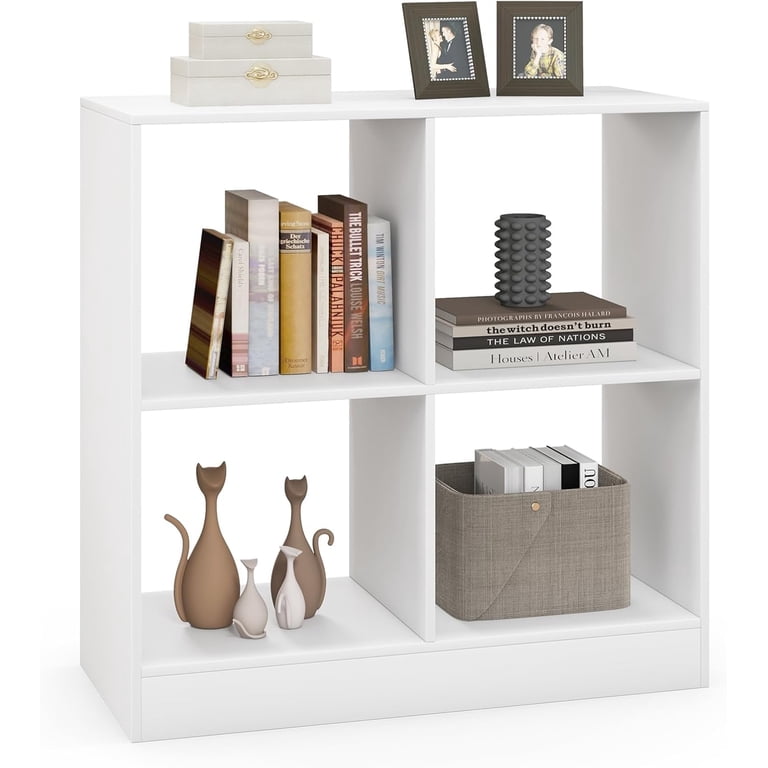
Choosing the right bookshelf is the first step to a successful fix-up project. A cheap bookshelf can become a stylish and useful piece with the right care. Pick one that offers good potential and suits your space. Pay attention to its shape, size, and condition before buying. These factors affect how easy it is to repair and update the shelf.
Materials To Look For
Wood is the best material for a bookshelf that you want to fix up. Solid wood lasts longer and is easier to sand and paint. Avoid particleboard or thin plywood. They break easily and do not hold nails well. Metal shelves can work but need special tools and paint. Choose materials that fit your skill level and tools.
Assessing Structural Soundness
Check the bookshelf for any loose joints or wobbly parts. Press gently on shelves and sides to test stability. Look for cracks or deep scratches on the surface. A strong frame is easier to repair and will last longer. Avoid shelves that lean or feel weak. These might need too much work to fix well.
Identifying Repair Needs
Notice any missing screws, nails, or broken pieces. Look for water damage or mold spots on wood. These issues need special attention before painting. Check if shelves sag or bend under weight. Decide if you need to replace parts or just tighten them. Knowing the repair needs helps plan your time and budget better.
Preparing The Bookshelf
Preparing the bookshelf is the first step in fixing it up. This step makes sure the surface is ready for painting or staining. A clean and smooth bookshelf will look better and last longer. Take your time to do this part well.
Start by removing dirt and old finishes. Then, check for cracks or holes. Fix these before moving on. Also, remove any old hardware like screws or handles. These tasks help create a fresh base for your work.
Cleaning And Sanding
Start by wiping the bookshelf with a damp cloth. This removes dust and dirt. Use a mild soap if needed. Let it dry completely before sanding. Sanding smooths the surface and removes old paint. Use medium-grit sandpaper to start. Then, finish with fine-grit for a smooth feel. Always sand in the direction of the wood grain. Wipe away dust after sanding with a clean cloth.
Removing Old Hardware
Look for nails, screws, and handles on the bookshelf. Use a screwdriver or pliers to remove them carefully. Keep all hardware if you plan to reuse it. If old hardware is rusty or broken, throw it away. Removing hardware makes sanding easier. It also helps to paint or stain evenly.
Filling Cracks And Holes
Check the bookshelf for cracks, dents, or holes. Use wood filler to fill these gaps. Apply the filler with a putty knife. Press it into cracks and holes firmly. Let the filler dry according to the instructions. Once dry, sand the filled spots smooth. This step hides damage and gives a neat finish.
Enhancing Stability
Enhancing stability is key to making a cheap bookshelf last longer. A sturdy shelf holds books safely and looks better. Simple fixes can stop wobbling and prevent damage. Focus on strengthening weak points and supporting the structure. This helps the shelf stand firm and carry more weight.
Reinforcing Joints
Check all corners and joints for looseness. Use wood glue to tighten loose connections. Clamp the joints until the glue dries. Adding small nails or screws can also help. This prevents the shelf from shaking or falling apart.
Adding Support Brackets
Install metal brackets under each shelf for extra support. Brackets hold the shelves flat and stop sagging. Choose brackets that fit the shelf size. Screw them firmly into the sides and bottom. This keeps the shelves steady, even with heavy books.
Securing Loose Shelves
Loose shelves slide or tilt easily. Use small screws or nails to fix them in place. Drive screws at an angle to avoid splitting wood. Adding a thin strip of wood behind the shelf can also help hold it tight. This stops shelves from shifting during use.
Credit: www.woodshopdiaries.com
Choosing Finishes
Choosing the right finish can change the whole look of a cheap bookshelf. It makes the shelf look neat and protects the wood. Finishes also help the shelf last longer. Different finishes give different styles. Some make the wood bright and smooth. Others bring out deep colors or add patterns. Picking the best finish depends on your style and how you want the shelf to look.
Painting Tips For A Smooth Look
Start by sanding the bookshelf to remove bumps. Use a fine-grit sandpaper for a smooth surface. Clean the dust before painting. Use a primer to help paint stick better. Choose paint made for wood furniture. Apply paint in thin, even coats. Let each coat dry fully before the next. Use a small brush for corners and edges. Lightly sand between coats for a smooth finish. Avoid thick layers to prevent drips and bubbles.
Staining For A Rich Finish
Stain shows the wood grain and adds color. Pick a stain shade that fits your room style. Sand the wood well to open the grain. Apply stain with a cloth or brush in the direction of grain. Wipe off extra stain to avoid dark spots. Let the stain dry completely. Add a clear topcoat for protection. Staining gives a natural and warm look to shelves.
Using Veneers Or Contact Paper
Veneers are thin wood sheets glued on the shelf surface. They give a real wood look without heavy cost. Cut veneer to size and stick carefully. Press out air bubbles with a roller. Contact paper is an easy option with many patterns. Peel and stick it to clean surfaces. Smooth it out to avoid wrinkles. Both options can hide flaws and add style fast.
Decorative Upgrades
Decorative upgrades can transform a cheap bookshelf into a stylish piece. Small changes make a big difference. They add personality and charm without much cost.
Simple details bring a fresh look and show your creativity. These upgrades also make your bookshelf match your room’s style better.
Adding Molding And Trim
Molding and trim give a bookshelf a polished finish. Attach thin strips of wood around edges for a classic look. Paint the molding to match or contrast with the shelf color. This small touch adds depth and elegance easily.
Incorporating Decorative Hardware
Decorative knobs or handles can add style and function. Choose hardware that fits your room’s theme, like vintage or modern. Screw them onto sides or front panels for a unique look. They make the bookshelf feel custom-made and special.
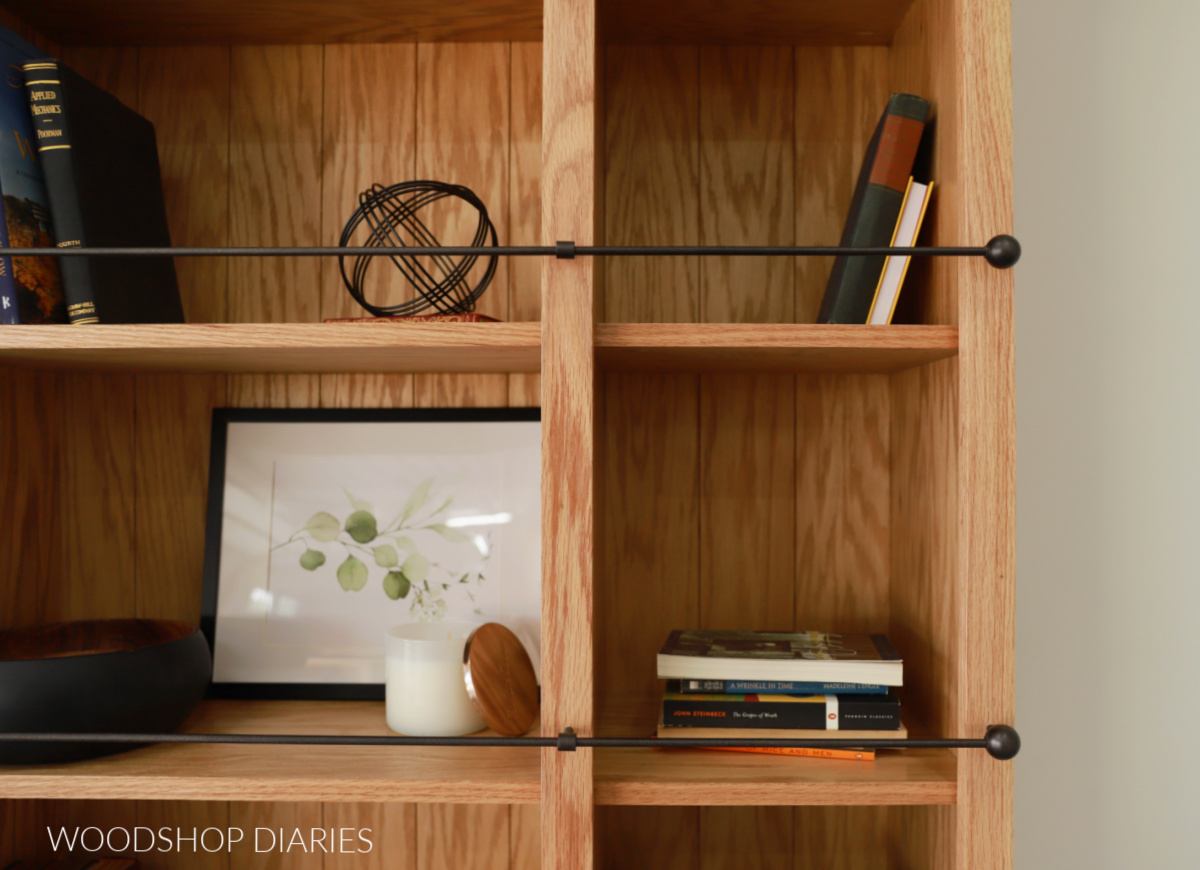
Creating Unique Shelf Dividers
Shelf dividers help organize books and decor. Use wood, metal, or acrylic pieces to create sections. Paint or decorate the dividers for extra flair. They keep items tidy and add a creative twist to plain shelves.
Maintaining Your Bookshelf
Maintaining your bookshelf helps it last longer and look better. Simple care keeps it strong and neat. Small habits protect your shelf from damage and wear.
Follow easy steps to keep your bookshelf clean and fresh. Fix small problems before they get worse. A well-kept shelf shows your books at their best.
Regular Cleaning Tips
Dust your bookshelf once a week. Use a soft cloth to avoid scratches. Clean corners and edges carefully. Remove books before wiping shelves. Avoid using too much water. A dry cloth works best for wood. For painted shelves, a damp cloth can help. Keep the shelf dry after cleaning. This prevents mold and warping.
Preventing Future Damage
Place the bookshelf away from direct sunlight. Sun can fade paint and wood finish. Avoid spots near heaters or damp areas. Use coasters or mats under heavy items. This stops dents and marks. Tighten loose screws regularly. Loose parts cause wobbling and damage. Use bookends to keep books upright. Prevents books from leaning and warping shelves.
Touching Up Wear And Tear
Fix scratches with a matching furniture marker. Small chips can be filled with wood filler. Sand the area lightly before painting. Use a small brush for touch-ups. Apply a clear coat to protect the finish. For loose shelves, add wood glue or brackets. Check and replace damaged screws. Regular touch-ups keep your shelf looking new. Don’t wait for big damage to fix it.
Credit: southhousedesigns.com
Frequently Asked Questions
How Can I Strengthen A Cheap Bookshelf Easily?
You can strengthen a cheap bookshelf by adding corner braces or wooden dowels. Use wood glue for extra support. Tighten screws and replace weak parts. This improves stability and extends its lifespan effectively.
What Paint Works Best For Cheap Bookshelves?
Latex or acrylic paint works best for cheap bookshelves. These paints dry quickly and provide a smooth finish. Use a primer first for better adhesion. This combination enhances durability and gives a professional look.
How Do I Fix Sagging Shelves Cheaply?
To fix sagging shelves, add a center support or shelf bracket. Reinforce with wood glue and clamps. Using thicker plywood for shelves also prevents sagging. These methods restore strength without costly replacements.
Can I Refinish A Cheap Bookshelf For A Modern Look?
Yes, you can refinish a cheap bookshelf by sanding and repainting it. Consider adding decorative trim or new hardware. This refreshes the look, making it stylish and modern on a budget.
Conclusion
Fixing a cheap bookshelf can save money and add style. Simple steps like sanding, painting, and tightening screws help a lot. Small changes make the shelf stronger and look better. You can enjoy a neat, organized space without much effort.
Try these tips and see the difference yourself. Your bookshelf will feel fresh and last longer. A little work brings big rewards. Why not give it a go today?