Are you looking for a simple way to add extra storage and style to your space? Building a small bookshelf with casters might be exactly what you need.
Imagine having a compact, movable shelf that you can easily roll anywhere—whether it’s next to your favorite reading chair, in your office, or even as a nightstand. In this guide, you’ll discover step-by-step instructions that make the process easy and enjoyable.
By the end, you’ll have a handy bookshelf that fits your space perfectly and moves with you. Ready to create something practical and stylish? Let’s get started!

Credit: heartwork.com
Materials And Tools Needed
Building a small bookshelf with casters is a fun and useful project. Choosing the right materials and tools makes the process easier. This section explains what you need before starting your build.
Choosing The Right Wood
Pick wood that is strong but easy to handle. Pine and plywood are good choices. Pine is affordable and easy to cut. Plywood offers smooth surfaces and fewer knots. Make sure the wood is dry and free of cracks. Use wood that is about 3/4 inch thick for stability. Avoid very soft wood to prevent dents and scratches.
Selecting Casters
Casters make your bookshelf easy to move. Choose casters that can hold the weight of the loaded shelf. Look for casters with locks to keep the shelf still when needed. Small casters fit better under low shelves. Rubber or soft wheels protect floors from scratches. Check the size and style to match your shelf design.
Essential Tools
Gather tools before starting to save time. You will need a saw to cut wood pieces. A drill helps to make holes for screws and casters. Use a screwdriver or screw gun for fastening. Sandpaper or a sander smooths rough edges. A tape measure ensures accurate cuts. Clamps hold pieces in place while you work. Safety glasses protect your eyes during cutting and drilling.

Credit: www.amazon.com
Designing Your Bookshelf
Designing your bookshelf is an important step before building. It helps you create a piece that fits your space and needs. A well-planned design makes the building process easier and the final product more useful.
Start by thinking about the size, shelf spacing, and overall look. These details guide your work and keep your project organized. Careful planning saves time and materials later on.
Determining Size And Dimensions
Measure the space where you want the bookshelf. Note the height, width, and depth available. Make sure to leave room for the casters at the bottom. Choose dimensions that fit your space and store your books well.
Planning Shelf Spacing
Decide how many shelves you need. Think about the size of your books and items. Adjust the space between shelves to fit tall or short books. Keep some space for decorations or other items too.
Sketching The Layout
Draw a simple sketch of your bookshelf design. Include all measurements and shelf positions. This helps visualize the final product. Use the sketch as a guide during building to avoid mistakes.
Cutting And Preparing Wood
Assembling the frame is the first step to build your small bookshelf with casters. This part creates the basic shape and strength of your shelf. Take your time and follow each step carefully. A strong frame supports the shelves and holds the weight of books or other items.
Start by organizing all the wood pieces. Make sure you have the side panels and shelves ready. Clear space helps you work better and faster.
Joining Side Panels And Shelves
Place the side panels upright and parallel. Fit each shelf between the panels at the right height. Check the measurements for equal spacing. Use clamps to hold the pieces steady. This keeps everything in place before attaching.
Securing With Screws And Glue
Apply wood glue to the edges where panels and shelves meet. The glue adds extra strength. Next, drill pilot holes to avoid splitting the wood. Insert screws into the holes and tighten them firmly. This makes the frame solid and durable.
Checking For Stability
After assembling, gently shake the frame. It should feel firm without any wiggle. If it moves, tighten screws or add more glue. Place the frame on a flat surface. Check if it sits evenly without rocking. A stable frame is key for a safe bookshelf.
Assembling The Frame
Attaching casters to your small bookshelf adds great mobility. It lets you move the shelf easily for cleaning or rearranging. The process is simple but requires careful steps for safety and durability. Choose the right casters, mount them well, and test the movement. This ensures your bookshelf rolls smoothly and stays stable.
Choosing The Right Caster Type
Pick casters that fit your shelf’s weight and floor type. Hard wheels work best on carpet. Soft wheels are better on hardwood or tile floors. Also, decide if you want swivel or fixed casters. Swivel casters turn in all directions for easy movement. Fixed casters only roll straight but offer more control. Check the weight limit on each caster to avoid damage.
Mounting Casters Safely
Place the casters at each corner of the bookshelf base. This balances the weight evenly. Use a drill to make pilot holes before screwing in. It prevents wood from splitting. Tighten screws firmly but avoid over-tightening. Make sure casters are flush against the wood. This keeps the shelf stable and secure when rolling.
Testing Mobility
After mounting, test the shelf on a flat surface. Push it gently to check for smooth rolling. Try turning the shelf if you used swivel casters. The shelf should move easily without wobbling. If it feels unstable, tighten screws or adjust caster placement. Confirm the shelf moves safely before using it to hold books.
Attaching Casters
Finishing touches make your small bookshelf with casters look complete and last longer. These steps protect the wood and add style. They also help your bookshelf fit better in your room. Careful finishing keeps your project strong and beautiful.
Painting Or Staining Options
Choose paint or stain to give color and character. Paint covers the wood and hides marks. Stain shows the wood grain and looks natural. Use light colors for a fresh look. Dark colors give a classic feel. Apply thin coats for smooth results. Let each coat dry fully before the next.
Adding Protective Coating
Protective coating guards your bookshelf from scratches and spills. Use clear varnish or polyurethane for strong protection. Apply two or three thin layers. Sand lightly between coats for smoothness. This step helps the wood resist water and dirt. It also keeps the paint or stain from peeling.
Final Inspection
Check every corner and surface carefully. Look for rough spots or missed areas. Fix any small mistakes with sandpaper or paint. Test the casters by rolling the bookshelf around. Make sure it moves smoothly and feels stable. Tighten any loose screws or bolts. This final check ensures your bookshelf is ready to use.
Finishing Touches
Keeping your small bookshelf with casters in good shape makes it last longer. Proper care helps it look nice and work smoothly. Follow simple tips for cleaning, weight limits, and moving to keep it safe and useful.
Cleaning And Care
Dust your bookshelf often with a soft cloth. Use a damp cloth to wipe away stains. Avoid harsh chemicals that can damage the wood or finish. Check the wheels for dirt and clean them regularly. This keeps the casters rolling smoothly.
Weight Limits And Safety
Do not overload the shelves. Check the weight limit for your bookshelf. Spread heavy items evenly to avoid tipping. Make sure the casters lock if your shelf has locks. This prevents it from moving when you do not want it to.
Moving And Positioning
Push the shelf gently to move it. Avoid pulling hard or dragging it over rough floors. Position the bookshelf on flat surfaces to keep it steady. Use the locks on the casters to keep it in place. This helps prevent accidents and damage.
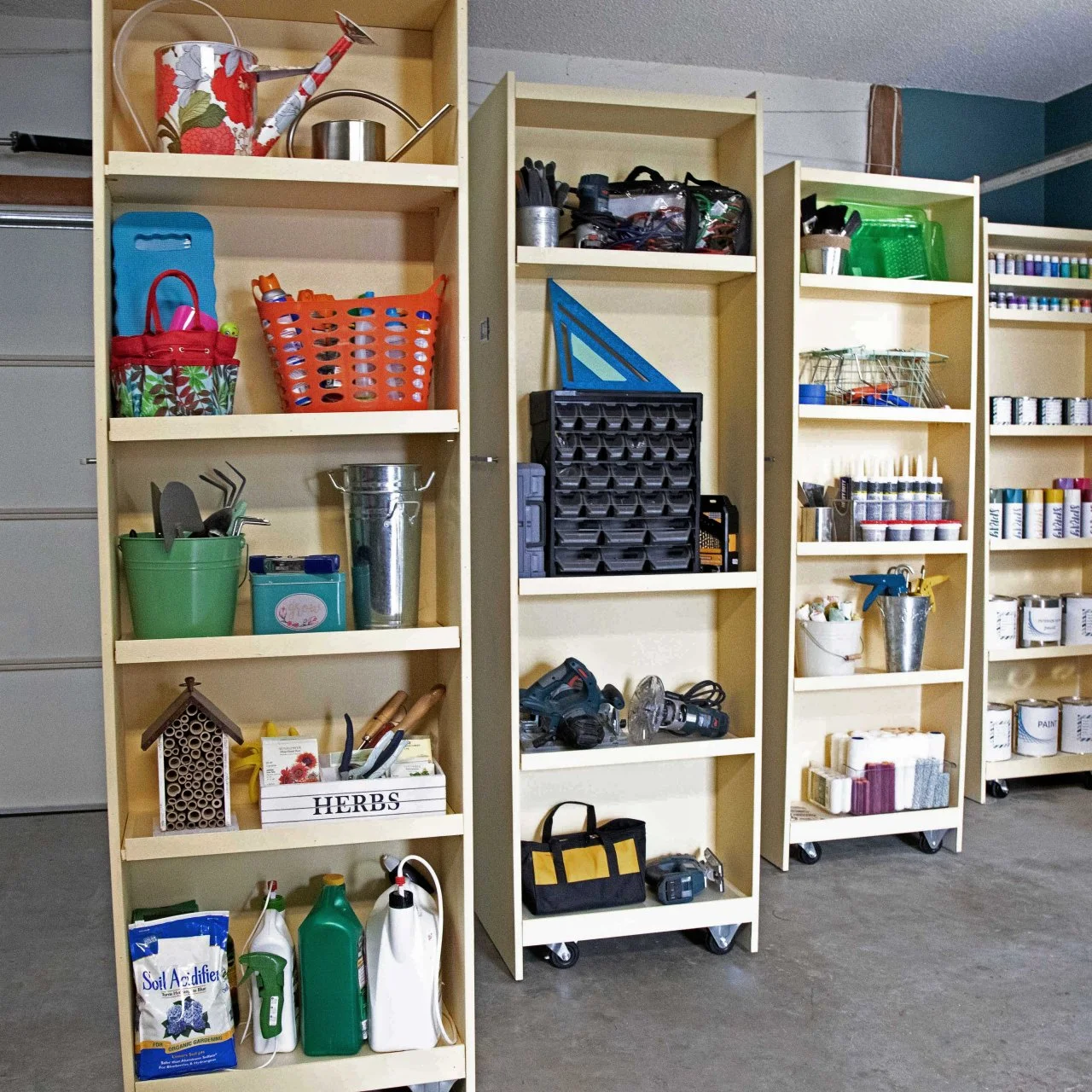
Credit: www.hgtv.com
Frequently Asked Questions
What Materials Are Needed To Build A Small Bookshelf With Casters?
You need wood boards, screws, wood glue, sandpaper, paint, and casters. Choose sturdy wood like pine or plywood for durability. Casters should support the shelf’s weight and allow smooth movement.
How Do I Attach Casters To A Small Bookshelf?
Secure casters to the bookshelf’s bottom corners using screws. Pre-drill holes to avoid wood splitting. Ensure casters are firmly attached and can swivel for easy mobility.
What Size Casters Work Best For Small Bookshelves?
Use casters with a diameter of 2 to 3 inches. This size balances stability and ease of movement. Larger casters may be unnecessary and smaller ones could limit mobility.
Can I Customize The Bookshelf Design For Different Spaces?
Yes, customize dimensions, shelf numbers, and finish to fit your room. Adjust height and width to store various book sizes. Use paint or stain to match your decor.
Conclusion
Building a small bookshelf with casters adds both style and function. It moves easily and fits any room space. You can store books, toys, or craft supplies neatly. The project is simple, using basic tools and materials. Take your time to measure and assemble carefully.
This bookshelf helps keep your space tidy and organized. Try customizing it with paint or decorations for a personal touch. A small, mobile shelf makes any room feel fresh and neat. Give it a try and enjoy your new, handy furniture piece.