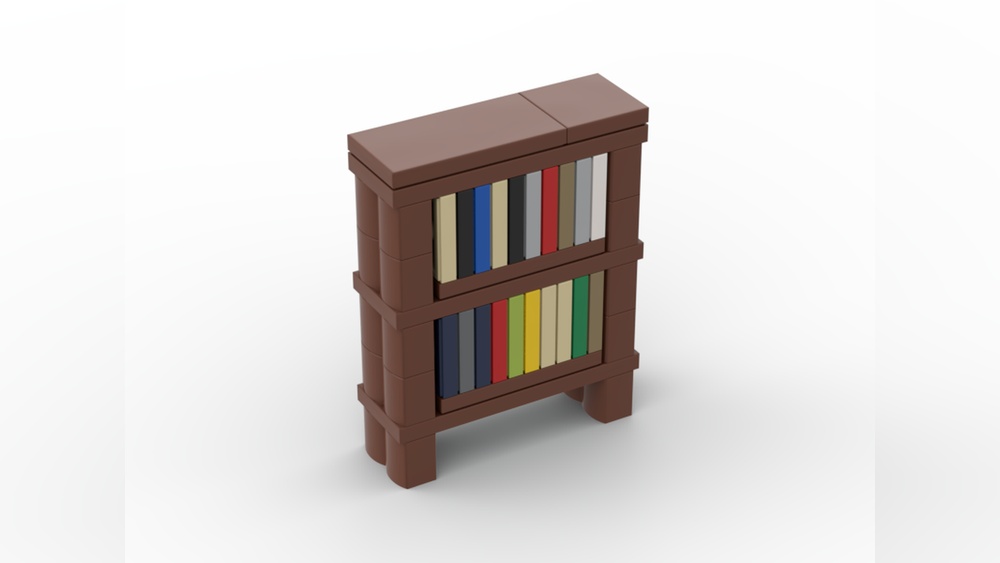
Are you looking for a fun and creative way to organize your books? Making a Lego bookshelf might be the perfect project for you.
Imagine a colorful, sturdy shelf built with your own hands, using those little bricks you love. It’s not just about storage—it’s about adding personality to your space. In this guide, you’ll discover simple steps to build your very own Lego bookshelf, even if you’re new to building.
Ready to turn your passion for Lego into a practical, eye-catching piece? Keep reading, and you’ll be surprised how easy and rewarding it can be.
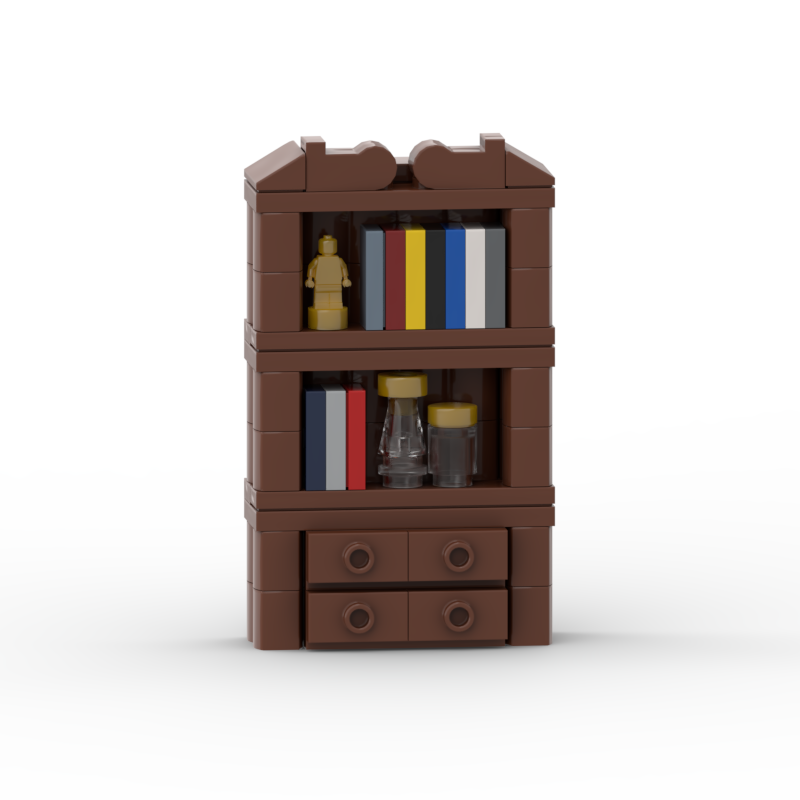
Credit: rebrickable.com
Materials Needed
Building a Lego bookshelf starts with gathering the right materials. The quality and type of Lego bricks you choose affect the strength and look. Along with bricks, some tools help make the process smoother and safer. Collecting everything before starting saves time and avoids interruptions.
Choosing The Right Lego Bricks
Select sturdy Lego bricks that fit well together. Basic rectangular bricks are best for walls and shelves. Use larger bricks for the base to keep the shelf stable. Choose colors that match your room or personal style. Avoid old or damaged bricks; they may break easily.
Additional Tools And Supplies
Besides bricks, some simple tools help in building and finishing. A small rubber mallet can help press bricks firmly. Use a flat surface to build on, like a table or board. A ruler or tape measure helps keep shelves even. Keep a cleaning cloth handy to wipe dust off bricks.

Credit: www.reddit.com
Designing Your Bookshelf
Designing your Lego bookshelf is the first step to building a fun and useful piece. It sets the foundation for the entire project. Good design saves time and effort later.
Think about how you want your bookshelf to look and function. This helps you choose the right size and shape. Also, plan the shelves to hold your books properly.
Deciding On Size And Shape
Start by measuring the space where the bookshelf will go. Consider height, width, and depth carefully. Your Lego bookshelf should fit well without crowding the room.
Choose a shape that matches your style and space. Rectangles are easy and common. You can also try squares or more creative shapes for a unique look.
Think about the number of books and items you want to store. This helps decide the overall size of your shelf. Bigger shelves hold more but use more Legos.
Planning Shelf Layout
Plan how many shelves you need based on your books’ sizes. Mix tall and short shelves for different types of books. This keeps your collection organized.
Decide the distance between shelves to fit your tallest books. Make shelves strong enough to hold the weight. Use sturdy Lego pieces for better support.
Think about adding small sections for decorations or toys. This adds personality and makes the shelf more than just storage. Plan each shelf carefully for balance.
Building The Base
Building the base of your Lego bookshelf is the first and most important step. A strong base keeps the whole structure steady. It holds the weight of the shelves and books. Without a solid base, the bookshelf might wobble or fall.
Focus on making the base wide and flat. This gives the best support. Take your time to place the pieces carefully. A good base makes the rest of the building easier and safer.
Creating A Stable Foundation
Start by choosing large, flat Lego plates for the bottom layer. These plates spread the weight evenly. Connect several plates to make the base bigger. Avoid small pieces only. They can break or slip easily.
Place the base on a flat surface. This helps keep it level. Make sure all pieces fit tightly together. Gaps can cause weak spots. Test the base by pressing gently on it. It should feel firm and solid.
Securing The Base Layers
Stack additional Lego bricks on the base plates. This adds height and strength. Use bricks that lock well with each other. Stagger the joints like building a brick wall. This technique increases stability.
Press each piece firmly into place. Check the edges and corners carefully. Reinforce corners with extra bricks. These spots carry more weight and stress. Double-check the base before moving on to shelves.
Constructing The Shelves
Constructing the shelves is a key step in making a Lego bookshelf. This process creates the main structure that holds your books. You will build strong vertical supports and sturdy shelf platforms. These parts must fit well and support weight evenly. Careful assembly ensures your bookshelf stays firm and looks great.
Building Vertical Supports
Start by choosing long Lego bricks for the vertical supports. These bricks form the sides of your bookshelf. Stack the bricks evenly to reach your desired height. Make sure each brick connects tightly to the one below it. Use bricks with holes or studs to add stability. Check the supports are straight and strong before moving on.
Assembling Shelf Platforms
Next, create the horizontal platforms for the shelves. Use flat Lego plates wide enough to hold books. Attach the plates securely between the vertical supports. Build the platforms in layers for extra strength. Test each shelf by pressing down gently. Adjust if the platform feels weak or wobbly.
Adding Finishing Touches
Adding finishing touches to your Lego bookshelf makes it both strong and stylish. This step ensures the shelf holds up well and looks great in any room. Small improvements can make a big difference in durability and design.
Strengthening Connections
Secure all Lego bricks tightly to avoid loose parts. Press pieces firmly so they lock well. Use extra support bricks at corners for more stability. Reinforce shelves with flat plates underneath. Check every joint twice to keep the shelf sturdy. This helps your bookshelf last longer and hold heavier books safely.
Decorative Elements
Personalize your Lego bookshelf with colors and patterns. Use bright bricks to create fun designs on the sides or back. Add small Lego figures or shapes for extra flair. Consider matching the colors to your room’s theme. Decorative touches make your bookshelf unique and eye-catching. Keep decorations simple to avoid overpowering the main structure.

Credit: www.youtube.com
Maintenance Tips
Keeping your Lego bookshelf in good shape takes simple care. Small efforts help it look great and stay strong. Follow these tips to keep your Lego bookshelf clean and durable.
Cleaning Your Lego Bookshelf
Dust builds up fast on Lego surfaces. Use a soft brush or cloth to wipe it gently. Avoid water directly on the bricks to stop damage. A dry cloth keeps the colors bright and sharp. For hard spots, use a damp cloth and dry immediately.
Ensuring Durability Over Time
Check the connections often. Press bricks together firmly to avoid loose parts. Keep the shelf away from direct sunlight to prevent fading. Avoid heavy weight on top shelves to stop bending. Store it in a dry place to stop moisture damage.
Frequently Asked Questions
What Materials Do I Need To Make A Lego Bookshelf?
You need Lego bricks, baseplates, and a sturdy backing board. Optional items include adhesive and a ruler for precision. Choose bricks that support weight and fit your shelf size. Clear baseplates help stability. These materials ensure a strong, functional Lego bookshelf.
How Long Does Building A Lego Bookshelf Take?
Building time depends on size and complexity. A small shelf may take 1-2 hours. Larger shelves might require 4-6 hours or more. Planning and sorting bricks beforehand speeds up the process. Taking breaks can keep the build enjoyable and precise.
Can A Lego Bookshelf Hold Heavy Books?
A Lego bookshelf can hold lightweight to medium-weight books. Use strong baseplates and reinforce shelves with extra bricks for support. Avoid placing very heavy books on Lego shelves. For heavier items, consider combining Lego with wood or metal frames.
How Do I Design A Stable Lego Bookshelf?
Use wide baseplates and interlock bricks tightly for stability. Build shelves with double layers of bricks to increase strength. Keep the bookshelf low or anchored to a wall to prevent tipping. Planning your design with these tips ensures a sturdy Lego bookshelf.
Conclusion
Building a Lego bookshelf can be fun and simple. You only need some basic Lego bricks and a little patience. Follow the steps carefully to create a sturdy shelf. This project adds a unique touch to your room. Plus, it keeps your books organized and easy to find.
You can also customize the colors and size as you like. Try making one today and enjoy your creative storage solution. It’s a great way to blend play with practicality.