
When you’re setting up a bookshelf, one question probably crosses your mind: what is the standard bookshelf depth? Knowing the right depth can make all the difference.
If your shelf is too shallow, your books might not fit properly. If it’s too deep, you could waste space or make your room feel cluttered. You’ll discover the ideal bookshelf depth that works for most books and why it matters for your space.
Keep reading to make sure your bookshelf looks great and works perfectly for your needs.
Credit: www.homedepot.com
Standard Bookshelf Depths
Understanding the standard bookshelf depths helps choose the right shelf for your space. Depth affects how many books or items fit on each shelf. It also impacts the overall look and function of your bookshelf. Choosing the right depth makes organizing easier.
Common Depth Measurements
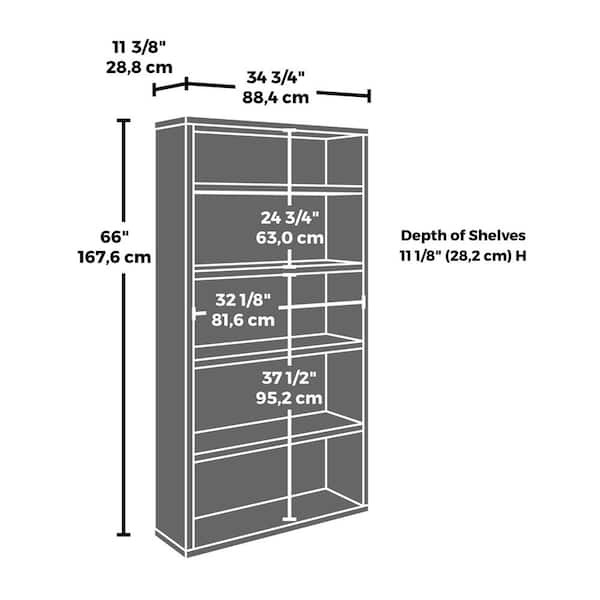
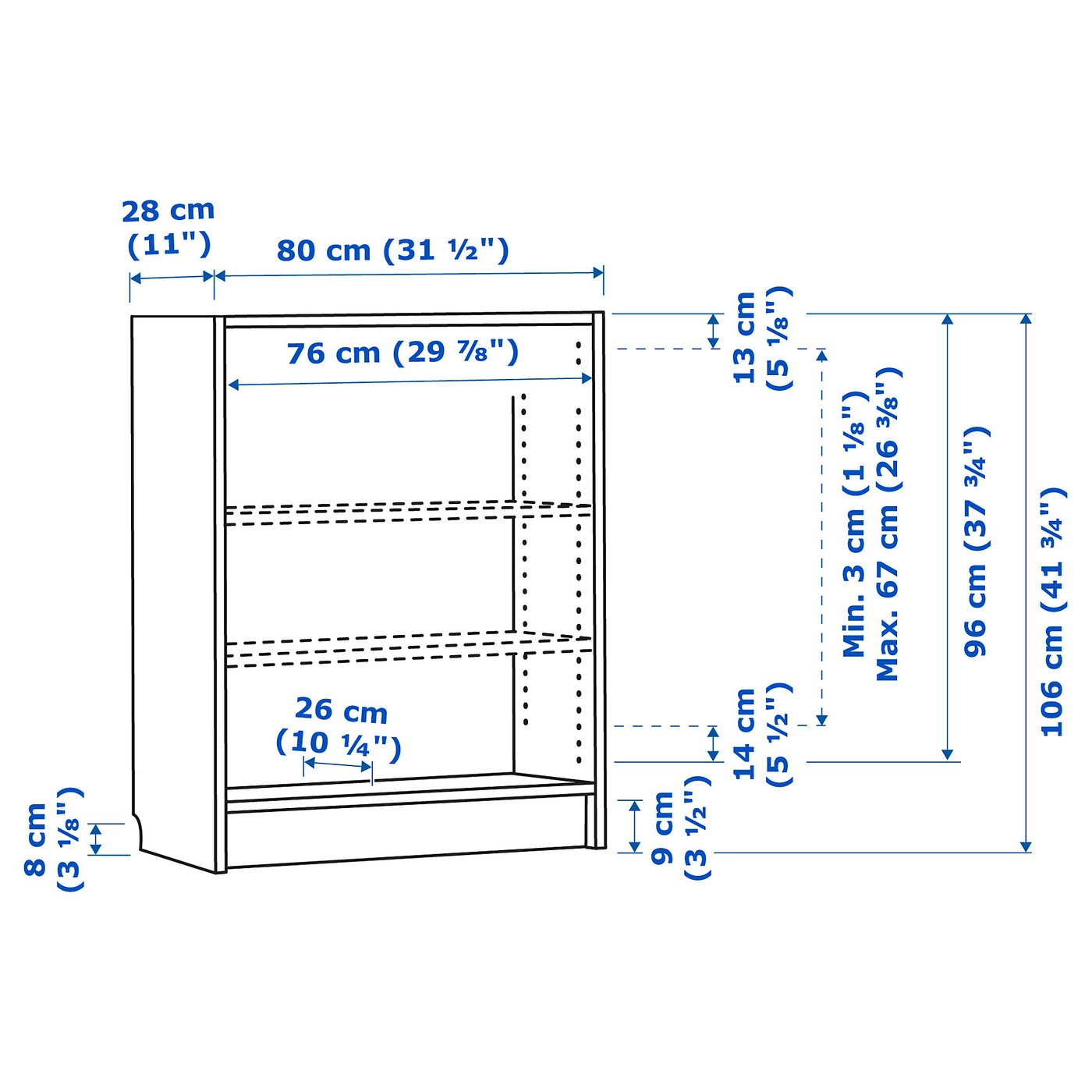
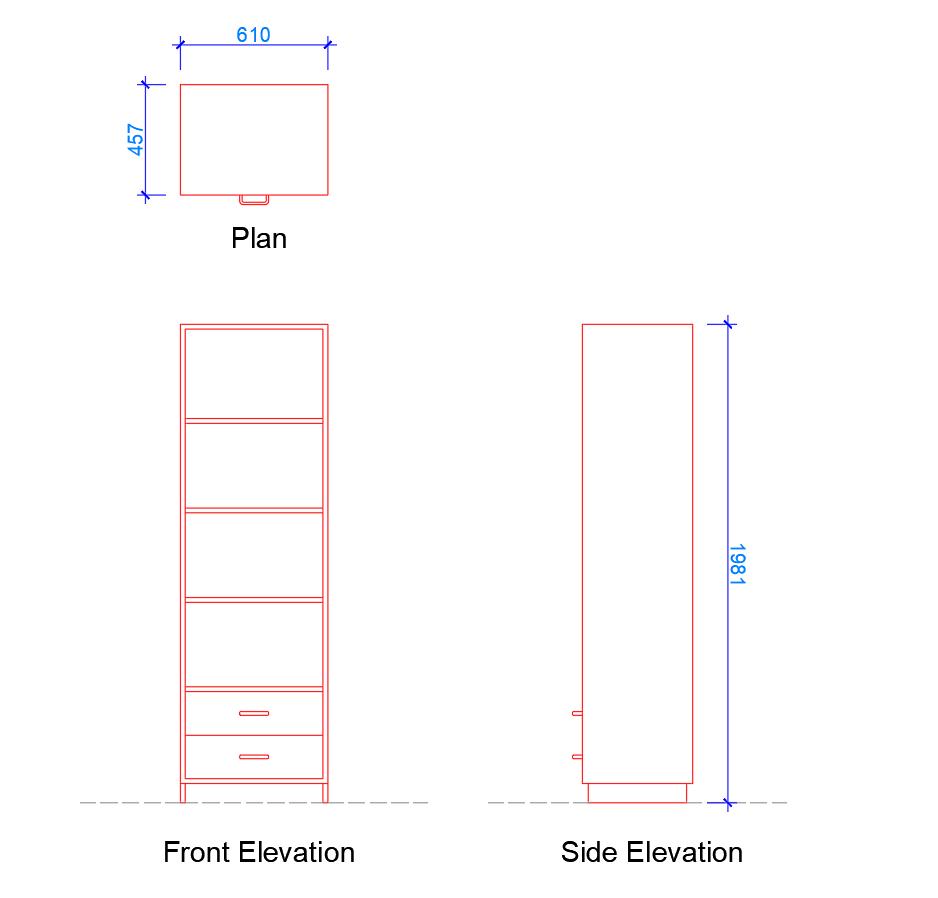
Most standard bookshelves have depths between 10 and 12 inches. This size fits most books, including paperbacks and hardcovers. A 10-inch depth is common for smaller books and decorative items. Larger bookshelves may have depths of 14 inches or more. These deeper shelves hold oversized books or storage bins.
Variations By Bookshelf Type
Different bookshelf styles use different depths. Wall-mounted shelves are usually shallower, around 6 to 8 inches. This keeps them light and less bulky on walls. Freestanding bookshelves tend to be deeper, often 12 inches or more. Corner bookshelves might have irregular depths to fit room angles. Specialized shelves for magazines or art books may be even deeper.
Credit: www.ikea.com
Choosing The Right Depth
Choosing the right bookshelf depth is key for a functional and neat space. The depth affects what books and items you can store. It also influences the look and feel of your room. A well-chosen depth balances storage needs with space limits.
Think about the types of books and objects you plan to place. Also, consider how the bookshelf fits in your room’s design. These factors help pick the perfect depth for your shelf.
Considering Book Sizes
Books come in many sizes. Small paperbacks need less depth than large textbooks or art books. Standard depth is usually about 10 to 12 inches. This fits most books upright and leaves room to pull them out easily. Deeper shelves work well for oversized books or binders. Shallow shelves suit small books but might not hold bigger ones properly. Measure your books before choosing the depth. This avoids awkward gaps or overcrowding.
Space And Room Layout
Room size limits your bookshelf depth. Narrow spaces call for shallower shelves. This keeps the walkway clear and the room open. Deeper shelves need more floor space. They suit larger rooms or corners where space is not tight. Think about the shelf’s position. Near doors or windows, a slim shelf is better. Also, consider other furniture around it. The right depth helps your room feel balanced and comfortable. It also makes your bookshelf easy to use every day.
Custom Bookshelf Depths
Custom bookshelf depths offer flexibility to fit unique needs. Not all collections fit well on standard shelves. Adjusting depth helps store items safely and neatly. It also creates a balanced look in your space.
Tailoring For Specific Collections
Books come in many sizes, from thin paperbacks to large art books. Custom depths ensure these items fit perfectly. Deep shelves hold oversized books without sticking out. Shallow shelves keep small novels close and accessible. Tailoring depth protects your collection and saves space.
Adjusting For Decorative Items
Bookshelves often hold more than just books. Vases, photo frames, and sculptures need extra space. Custom depths allow room for these items without crowding. Deeper shelves create a display area for your decorations. This balance makes shelves both functional and attractive.
Impact On Room Aesthetics
The depth of a bookshelf affects how a room looks and feels. A shelf that is too deep or too shallow can change the room’s balance. The right depth helps create a neat and inviting space. It also lets you show off your books and decor in the best way. Thoughtful choice of bookshelf depth improves room style without taking up too much space.
Balancing Function And Style
Bookshelves must hold items without crowding the room. Standard depths around 10 to 12 inches fit most books well. This size keeps the shelf practical and stylish. It allows space for books and small decorations. Shelves that are too deep may feel bulky and heavy. Shelves that are too shallow might not hold larger books properly.
Avoiding Overcrowding
Too many deep shelves can make a room feel small and cluttered. Narrower shelves save floor space and keep the room open. They help maintain a clean, airy look. Keeping shelves at a standard depth prevents the room from feeling stuffed. Proper spacing between shelves also adds to a balanced appearance.
Materials And Construction
Materials and construction play a key role in the standard bookshelf depth. They affect the shelf’s strength, look, and durability. Choosing the right materials helps the shelf hold books safely. Good construction ensures the shelf stays steady and lasts long. Understanding how depth relates to materials and build can guide better choices.
How Depth Affects Stability
The depth of a bookshelf impacts its stability a lot. A deeper shelf holds more weight but needs stronger support. Shallow shelves can tip over if loaded too much. Builders must balance depth with the material’s strength. Proper depth reduces wobbling and keeps books safe.
Choosing Suitable Materials
Wood is the most common material for bookshelves. Solid wood offers great strength and a nice look. Plywood is cheaper and still holds weight well. Metal shelves are strong and modern but can be heavy. Particleboard is light but less durable. Match material choice with shelf depth for best results.
Credit: meningealrelease.com
Installation Tips
Installing a bookshelf correctly makes a big difference. It ensures safety and a neat look. Follow these tips to install your bookshelf with the right depth and fit.
Measuring Your Space Accurately
Start by measuring the wall space where the bookshelf will go. Use a tape measure and write down the width and height. Check for obstacles like light switches or vents. Measure twice to avoid mistakes. Remember to consider the bookshelf depth to fit the room comfortably.
Securing The Bookshelf Properly
Use strong anchors or screws to attach the bookshelf to the wall. This prevents tipping and keeps the shelf stable. Make sure to find the wall studs for a firm hold. Use a level to keep the shelf straight. Tighten all screws and check stability before placing books.
Frequently Asked Questions
What Is The Standard Depth Of A Bookshelf?
The standard bookshelf depth is typically 10 to 12 inches. This size fits most books and allows easy access. It balances storage capacity and room space efficiently for home or office use.
Why Is Bookshelf Depth Important?
Bookshelf depth affects what items fit comfortably. Proper depth ensures books stand upright without falling. It also influences the shelf’s overall stability and room aesthetics.
Can Bookshelf Depth Vary By Book Size?
Yes, bookshelf depth varies by book type. Larger coffee table books need deeper shelves, about 14 to 16 inches. Standard novels and paperbacks fit well in 10 to 12-inch shelves.
How To Choose Bookshelf Depth For Small Spaces?
Choose shallower shelves, around 8 to 10 inches, for small spaces. This saves room and keeps the area from feeling crowded. Opt for vertical storage to maximize limited space.
Conclusion
A standard bookshelf depth usually ranges from 10 to 12 inches. This size fits most books and items comfortably. Choosing the right depth helps keep your space neat and organized. It also makes your shelves look balanced and functional. Remember, depth matters for both small and large rooms.
Consider what you plan to store before buying or building shelves. A well-sized bookshelf makes your room feel cozy and tidy. Simple steps like this improve your home’s style and utility. Keep these points in mind for your next bookshelf project.
