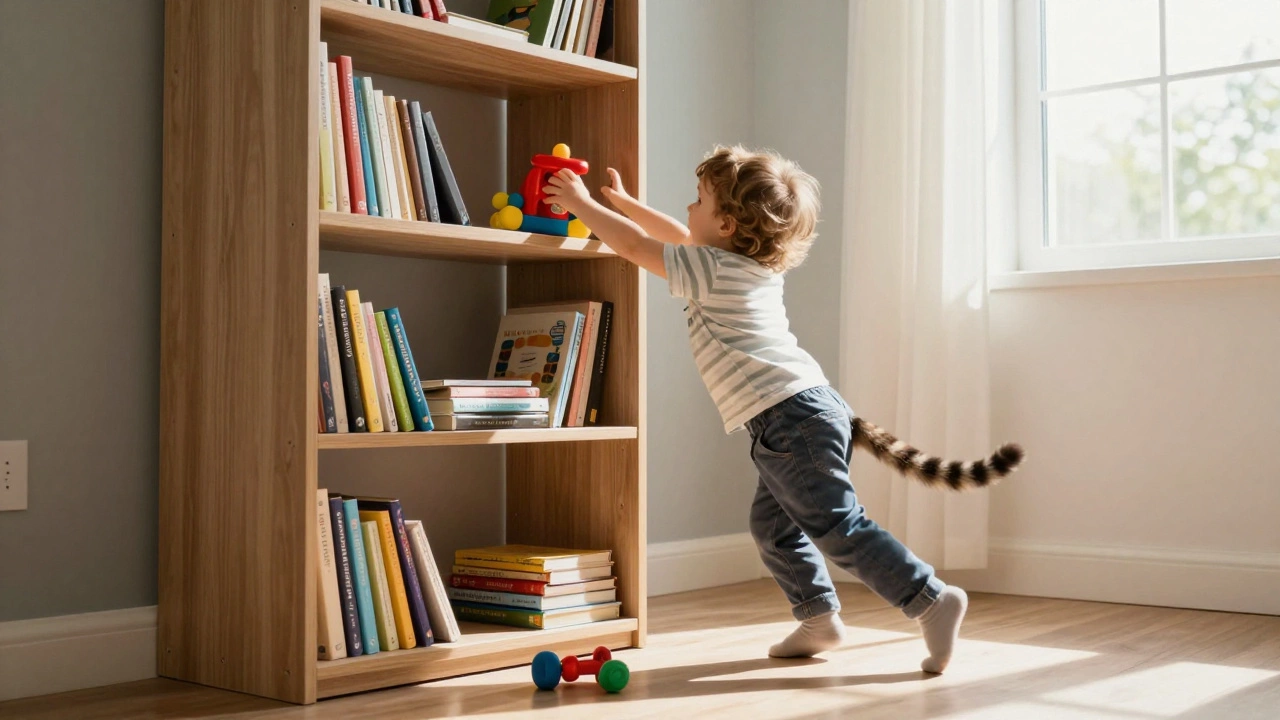
Have you ever worried about your free standing bookshelf tipping over? It’s a common concern, especially if you have kids, pets, or live in an area prone to earthquakes.
Anchoring your bookshelf properly not only keeps your valuable books safe but also protects your home and loved ones from accidents. You’ll learn simple, effective steps to secure your bookshelf quickly and confidently. By the end, you’ll feel reassured knowing your furniture is stable and your space is safer.
Let’s get started!
Credit: zooteducationalfurniture.co.uk
Why Anchor Your Bookshelf
Anchoring a free standing bookshelf is important for safety and stability. Bookshelves can be tall and heavy. Without proper support, they may tip over easily. This can cause injuries or damage. Knowing why to anchor your bookshelf helps you understand its value in your home or office.
Risks Of Unsecured Bookshelves
Unsecured bookshelves can fall during small pushes or shakes. This risk increases in homes with children or pets. Falling bookshelves can hurt people nearby. They can also damage floors and walls. Items on shelves may break or scatter. An unanchored bookshelf is a safety hazard waiting to happen.
Benefits Of Proper Anchoring
Anchoring a bookshelf keeps it steady and safe. It prevents tipping and reduces accidents. Your books and decorations stay in place. Anchoring protects your family and pets from harm. It also helps your bookshelf last longer by reducing strain. A well-anchored shelf creates a safer and more organized space.
Types Of Anchoring Methods
Anchoring a free standing bookshelf keeps it safe and stable. Different methods work for different walls and shelves. Choosing the right method helps avoid accidents and damage. Below are common types of anchoring methods that offer strong support.
Wall Straps And Brackets
Wall straps and brackets attach the bookshelf to the wall. They are usually made of metal or strong fabric. Straps wrap around the shelf and screw into the wall studs. Brackets connect the shelf frame directly to the wall. Both stop the shelf from tipping forward.
L-brackets
L-brackets are small metal pieces shaped like the letter “L”. One side attaches to the shelf, the other to the wall. They hold the shelf firmly in place. L-brackets are simple to install and very strong. Best for solid walls and heavier shelves.
Anti-tip Kits
Anti-tip kits include straps, screws, and instructions. They are designed to prevent furniture from falling. These kits work well with many types of shelves. Easy to install and very effective for child safety. A popular choice for family homes.
Tools And Materials Needed
Anchoring a free standing bookshelf keeps it safe and steady. The right tools and materials make the job easier and more secure. Prepare everything before starting. This saves time and avoids frustration.
Common Tools
You need a few basic tools for anchoring. A drill helps make holes in the wall and bookshelf. Use a screwdriver to tighten screws firmly. A level checks that the bookshelf is straight. A tape measure ensures correct placement and spacing. Pencil marks where you will drill or attach hardware.
Anchoring Hardware
Use strong anchors made for your wall type. Plastic anchors work well for drywall. Metal anchors provide extra strength. Choose screws that fit the anchors and bookshelf brackets. Brackets or straps secure the shelf to the wall. Pick hardware that matches the bookshelf’s weight and size.
Preparing The Bookshelf And Wall
Preparing the bookshelf and wall is the first step to secure your free-standing bookshelf safely. This process helps prevent accidents and protects your furniture. Proper preparation makes the anchoring process easier and more effective.
Choosing The Right Location
Select a spot with enough space around the bookshelf. Avoid places near doors or windows that get strong winds. Choose a wall that can support the weight of the bookshelf. Make sure the floor is flat and stable. This keeps the bookshelf balanced and safe.
Locating Wall Studs
Wall studs are the wooden beams behind drywall. They offer strong support for anchoring. Use a stud finder to locate them easily. Mark the stud locations with a pencil. Anchoring into studs keeps the bookshelf steady and secure. Avoid anchoring only to drywall.
Clearing The Area
Remove any objects near the bookshelf area. Clear the floor space to prevent tripping. Move fragile items to a safe place. This makes room for tools and easier movement. A clean area helps you work faster and safer.
Step-by-step Anchoring Process
Anchoring a free standing bookshelf is key to safety and stability. This step-by-step process guides you through the task clearly. Follow each step carefully to secure your bookshelf to the wall. This prevents tipping and keeps your space safe.
Marking Anchor Points
Start by placing the bookshelf where you want it. Use a pencil to mark spots on the wall behind the bookshelf. These spots show where the brackets will attach. Make sure marks line up with the bookshelf’s frame for strong support.
Attaching Brackets To Bookshelf
Pick sturdy brackets designed for furniture anchoring. Use screws to attach the brackets to the top back edge of the bookshelf. Tighten screws until brackets feel solid. Check that brackets are straight and well fixed.
Securing Brackets To Wall
Find wall studs using a stud finder for best hold. Drill pilot holes at your marked points. Insert wall anchors if no studs are available. Screw the brackets into the wall tightly. Test the bookshelf by gently shaking it to check stability.
Safety Tips During Installation
Safety matters a lot when you anchor a free standing bookshelf. Taking the right steps keeps you safe and protects your home. Follow these safety tips during installation to make the process smooth and secure.
Checking Stability
Start by making sure the bookshelf stands steady. Give it a gentle shake. If it wobbles, it needs better support. Use wall anchors or brackets to fix it firmly. Check the floor for evenness. Place the bookshelf on a flat, hard surface to avoid tipping.
Handling Tools Safely
Use tools with care. Always wear safety glasses to protect your eyes. Keep sharp tools away from children. Hold drills and screwdrivers firmly to avoid slips. Read instructions before using any tool. Unplug power tools when not in use. Take breaks if your hands feel tired. Safety first keeps accidents away.
Maintaining Anchored Bookshelves
Maintaining anchored bookshelves is essential for safety and durability. Proper care keeps shelves steady and prevents accidents. It also helps bookshelves last longer and hold weight securely. Regular attention ensures the anchors stay effective over time.
Regular Inspections
Check anchors and shelves often. Look for any signs of loosening or damage. Pay attention to wall cracks or movement around the brackets. Small problems can become big hazards if ignored. Inspect shelves after moving furniture or during home cleaning.
Tightening And Adjustments
Loose anchors reduce stability. Use a screwdriver to tighten screws and bolts regularly. Adjust brackets if shelves feel wobbly or tilted. Replace any damaged parts immediately. Proper tightening keeps shelves safe and reliable.

Credit: hilo.hawaii.edu
Common Mistakes To Avoid
Anchoring a free standing bookshelf seems simple but many make common mistakes. These errors can cause the shelf to tip or fall, risking damage or injury. Knowing what to avoid helps keep your bookshelf safe and stable.
Ignoring Wall Type
Different walls need different anchors. Drywall, plaster, and brick each require specific hardware. Using the wrong anchor can make the shelf unstable. Always check your wall type before starting the installation.
Using Incorrect Hardware
Not all screws and anchors fit every bookshelf or wall. Too small or weak hardware may fail under weight. Choose strong brackets and screws designed for your shelf size and wall type. This ensures secure attachment.
Overloading The Bookshelf
Loading too many heavy items can cause the shelf to tip. Even a well-anchored shelf has weight limits. Spread weight evenly and avoid stacking too much on the top shelves. Safety depends on balanced loading.

Credit: hilo.hawaii.edu
Frequently Asked Questions
How Do I Anchor A Free Standing Bookshelf Safely?
To anchor a free standing bookshelf safely, use wall anchors or brackets. Secure the brackets into wall studs for stability. Attach the other end to the bookshelf. This prevents tipping and protects children and pets. Always follow the manufacturer’s instructions for best results.
What Tools Are Needed To Anchor A Bookshelf?
You need a drill, screwdriver, wall anchors, brackets, and a stud finder. A level helps ensure the bookshelf is straight. Measuring tape ensures accurate placement. These tools make anchoring easy and secure, reducing the risk of accidents.
Can I Anchor A Bookshelf Without Studs?
Yes, use heavy-duty wall anchors or toggle bolts if no studs are available. These provide strong support in drywall. However, anchoring into studs is safer and more stable. Always check the weight rating of anchors for your bookshelf.
Why Should I Anchor A Free Standing Bookshelf?
Anchoring prevents the bookshelf from tipping during earthquakes or accidental bumps. It protects children, pets, and your belongings. Anchoring also keeps the bookshelf stable on uneven floors. It’s a simple safety step for any home or office.
Conclusion
Anchoring a free standing bookshelf keeps it steady and safe. It stops the shelf from tipping over easily. Use the right tools and follow the steps carefully. Check the wall type before picking anchors. Secure shelves protect children and pets from accidents.
A stable bookshelf lasts longer and holds more books. Taking time to anchor your shelf is worth it. Enjoy your organized and safe space without worry. Simple steps lead to better home safety every day.

