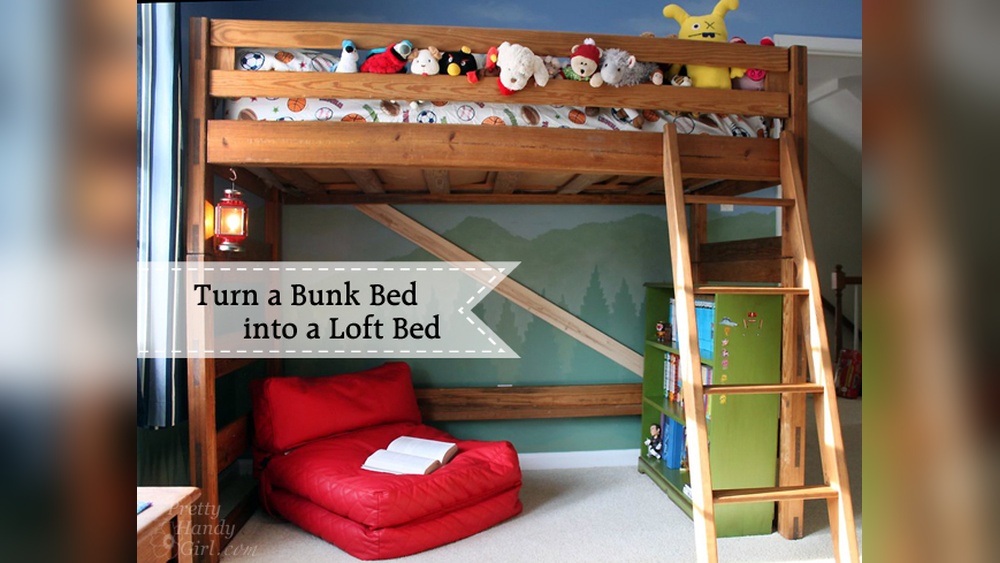
Are you wondering how high bunk bed rails should be to keep your loved ones safe? Choosing the right height isn’t just a small detail—it can make all the difference in preventing falls and ensuring peaceful sleep.
If you want to protect your child without making the bed feel cramped or uncomfortable, understanding the perfect rail height is key. Keep reading, and you’ll discover simple guidelines that help you create a safer, cozier bunk bed experience for your family.
Bunk Bed Rail Basics
Bunk bed rails are an important safety feature for children and adults. They prevent falls and help users sleep without worry. Knowing the basics about bunk bed rails helps in choosing the right height and style. This section explains the purpose and types of bunk bed rails.
Purpose Of Bed Rails
Bed rails keep sleepers safe from falling out of bed. This is especially important for upper bunk users. Rails create a secure barrier on the edge of the mattress. They also provide support when getting in and out of bed. For kids, rails reduce the risk of injury during sleep. Adults can feel more comfortable with rails in place. Overall, rails add peace of mind for parents and sleepers.
Types Of Bunk Bed Rails
Bunk bed rails come in several designs and materials. The most common are full-length rails that run along the entire side. These offer maximum protection. Half rails cover only part of the bed’s side. They allow easier access but less security. Some rails are made of wood, matching the bed frame. Metal rails are strong and durable. Fabric rails attach with straps and are soft for toddlers. Each type suits different needs and preferences.
Credit: adultbunkbeds.com
Recommended Rail Heights
Choosing the right height for bunk bed rails is key for safety and comfort. Rails that are too low may not protect from falls. Rails that are too high can feel confining. Understanding the recommended rail heights helps create a safe sleeping space for all ages.
Rail height depends on bed type and user age. This section breaks down standard guidelines and variations. It also explains differences between top and bottom bunk rails.
Standard Height Guidelines
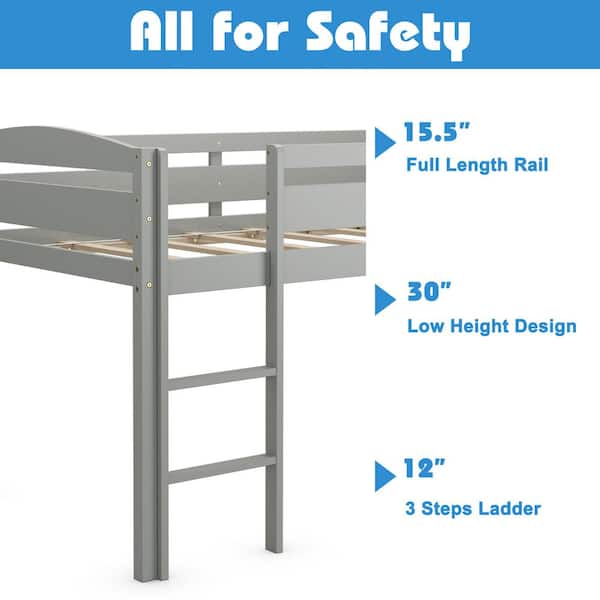
Most bunk bed rails should be at least 5 inches above the mattress. This height helps stop sleepers from rolling out. Some experts suggest 7 to 10 inches for extra protection. Always measure from the top of the mattress surface to the top of the rail.
Lower rails risk falling accidents. Higher rails may cause discomfort. Finding a balance is important for daily use and safety.
Variations By Age Group
Children need higher rails than adults for better fall protection. For kids under 6, rails should be at least 10 inches above the mattress. Older kids and adults can use rails around 5 to 7 inches high. Adjust rail height based on the sleeper’s size and activity level.
Young children tend to move more in sleep. Taller rails reduce risk of injury for them. Adults often feel safe with lower rails since they are less restless.
Height Differences For Top And Bottom Bunks
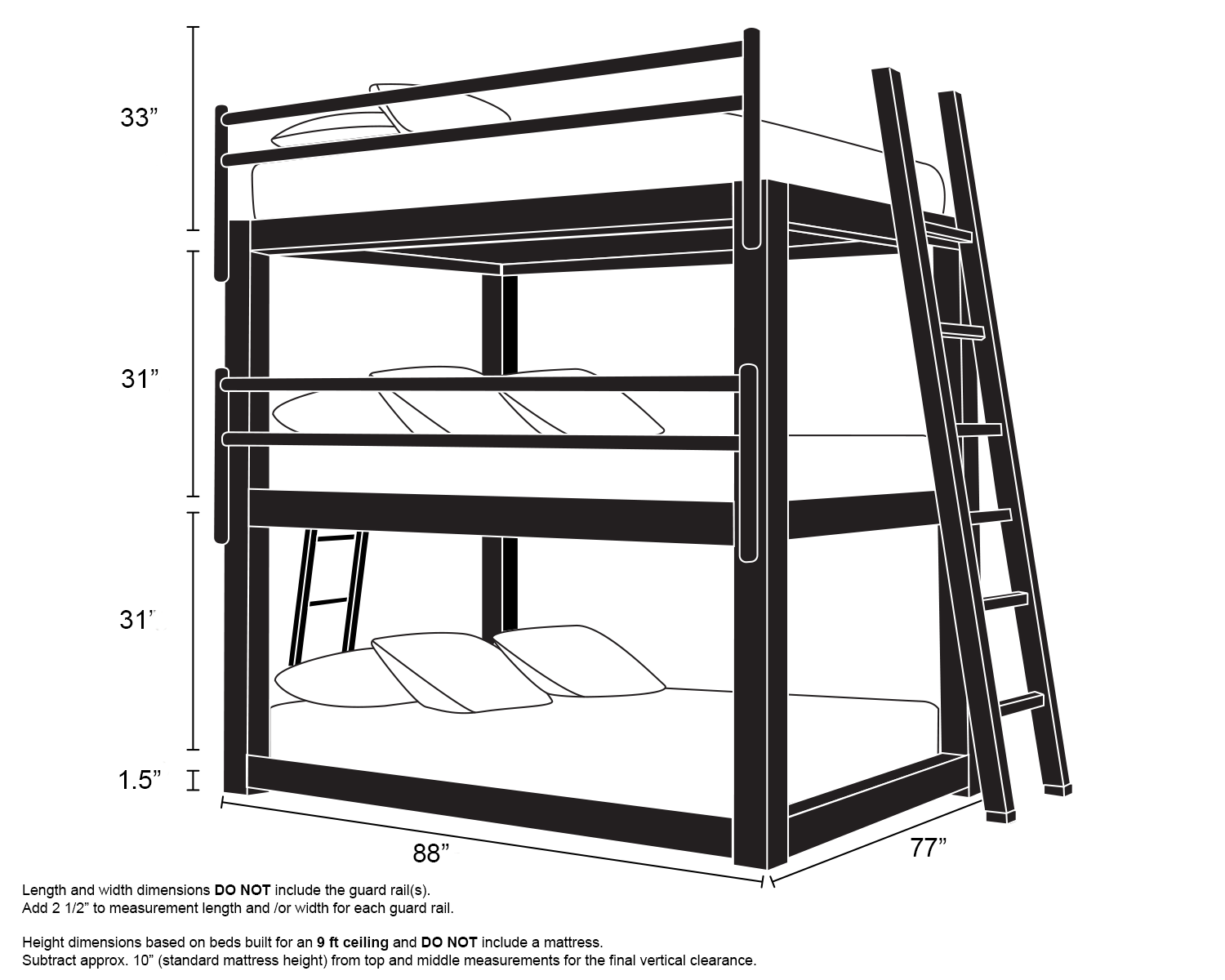
Top bunk rails must be taller than bottom bunk rails. Top rails usually measure between 10 to 16 inches above the mattress. This is crucial because the top bunk is higher off the floor. Bottom bunk rails can be shorter, around 5 to 7 inches.
The bottom bunk is closer to the ground, so fall risk is lower. Still, rails on the bottom bunk provide added safety and peace of mind.
Safety Standards And Regulations
Bunk bed rails are important for safety during sleep. Proper rail height helps stop falls and injuries. Safety standards and regulations guide how high rails should be. These rules protect children and adults using bunk beds. Understanding these standards helps choose the right bunk bed.
Regulations vary by country but share common goals. They focus on rail height, bed size, and gap limits. Following these rules keeps users safe and gives peace of mind. Let’s explore key safety codes and manufacturer recommendations.
Key Safety Codes
Many countries have strict codes for bunk bed rails. The U.S. Consumer Product Safety Commission sets a 5-inch minimum height. This is the distance from the mattress top to the rail’s upper edge. The standard helps stop sleepers from rolling out.
Other countries have similar rules, often requiring rails at least 16 inches above the mattress. These codes also limit gaps to prevent children from getting stuck. Meeting these codes means the bed passed safety tests.
Manufacturer Recommendations
Bed makers follow safety codes closely. They suggest rail heights that keep sleepers safe and comfortable. Most manufacturers recommend rails be 5 to 7 inches above the mattress.
They also design rails to be sturdy and smooth. This reduces risks of cuts or splinters. Always read manufacturer instructions before buying or assembling a bunk bed.
Factors Influencing Rail Height
Choosing the right height for bunk bed rails is important for safety and comfort. Several factors affect how tall the rails should be. These factors help prevent falls and ensure a good fit with the mattress and bed frame. Understanding them helps you pick the best rail height for your bunk bed.
Mattress Thickness
The thickness of the mattress changes how high the rails should be. Thicker mattresses need taller rails to keep the sleeper safe. Thin mattresses require shorter rails to avoid feeling cramped. Measure your mattress before setting rail height for the best fit.
Child’s Age And Mobility
Young children need higher rails to stop falls. Older kids who move a lot might also need taller rails. Children who climb or toss in sleep need extra protection. Adjust rail height based on how active your child is in bed.
Bed Frame Design
Different bunk beds have various rail designs. Some frames have built-in rails, others need added ones. The style and height of the frame affect rail height choices. Check the bed frame before deciding how tall the rails should be.
Common Safety Risks
Bunk beds save space and look fun. But they also bring safety risks. Knowing these risks helps keep children safe. The height of bunk bed rails plays a big role in safety. Below are common dangers to watch out for.
Falls And Injuries
Falling from a bunk bed can cause serious injuries. Kids can roll off while sleeping or playing. Rails that are too low do not stop falls well. Proper rail height helps prevent falls. Always check the rail height matches safety standards.
Entrapment Hazards
Spaces between rails can trap a child’s head or body. This can cause choking or bruises. Rails placed too far apart increase this risk. Rails need to be close enough to block small bodies. Safe rail design reduces chances of entrapment.
Credit: www.homedepot.com
Tips For Choosing The Right Rails
Choosing the right rails for a bunk bed is very important for safety. The rails must be the correct height and strong enough to prevent falls. They should also fit well and be easy to install. These tips will help you pick the best rails for your bunk bed.
Measuring Proper Height
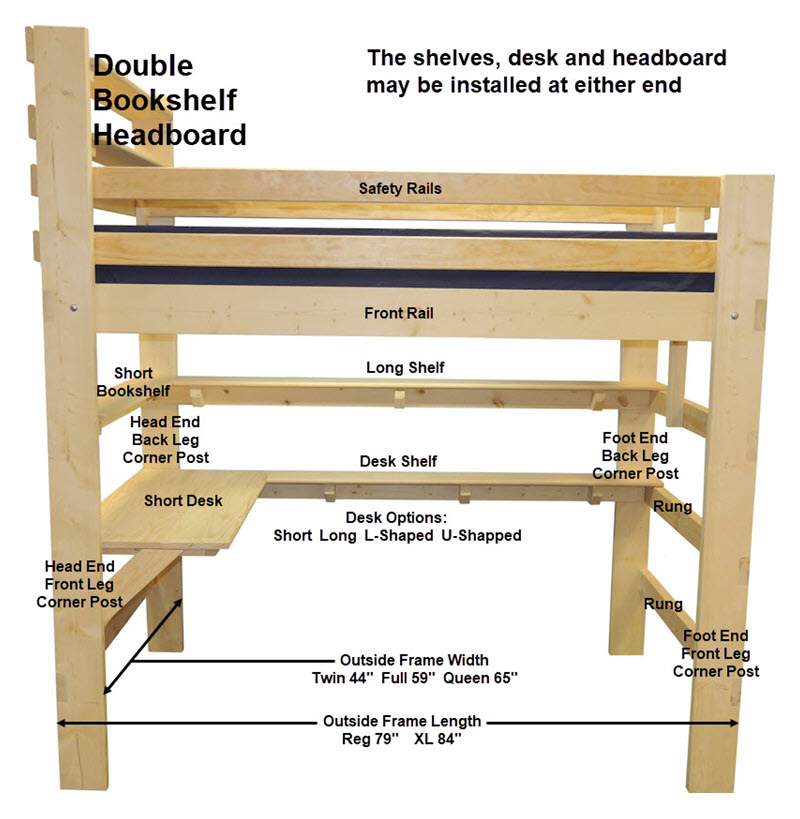
Measure from the top of the mattress to the top of the rail. The rail should be at least 5 inches above the mattress. This height helps stop a child from rolling out. Check the bed’s instructions for exact rail height recommendations. Measure twice to be sure.
Material And Durability
Choose rails made from strong materials like solid wood or metal. These materials last longer and hold up well under pressure. Avoid cheap plastic rails that can break easily. Make sure the surface is smooth and free of sharp edges. Durable rails keep children safer.
Installation Best Practices
Follow the manufacturer’s instructions carefully when installing rails. Use all the screws and brackets provided. Tighten everything securely to avoid wobbling. Check the rails regularly for loose parts. Proper installation prevents accidents and keeps the bed steady.
Alternatives And Additional Safety Measures
Safety is key when using bunk beds, especially for kids. Rails help prevent falls, but other options exist. These alternatives add extra protection and peace of mind. They also help create a safer sleep space.
Bedside Guards
Bedside guards act like extra barriers on bunk beds. They are soft and padded to protect from bumps. These guards fit on the bed’s edge and stop kids from rolling off. They work well with regular rails for double protection. Easy to install and remove, they suit many bed types.
Use Of Sleep Positioners
Sleep positioners keep children in place while they sleep. They stop kids from moving too close to edges. Positioners come in different shapes and sizes. Use them carefully and check for safety standards. They add comfort and reduce the risk of falls.
Room Setup For Safety
Arrange the room to reduce dangers near bunk beds. Keep the area clear of hard or sharp objects. Place soft mats or rugs under the bed to cushion falls. Make sure the room has good lighting at night. A safe room setup supports safer sleep for children.
Credit: www.collegebedlofts.com
Frequently Asked Questions
How High Should Bunk Bed Rails Be For Safety?
Bunk bed rails should be at least 5 inches above the mattress. This height prevents sleepers from rolling off while ensuring safety and comfort. Proper rail height reduces fall risks, especially for children.
Are There Height Regulations For Bunk Bed Rails?
Yes, safety standards recommend rails be between 5 to 7. 5 inches above the mattress. These guidelines ensure adequate protection against falls while maintaining comfort and accessibility.
Can Bunk Bed Rails Be Too High?
Rails that are too high may cause discomfort and limit accessibility. Ideal rail height balances safety and ease of use, preventing falls without restricting movement.
Do Mattress Thickness Affect Rail Height Requirements?
Yes, mattress thickness impacts rail height. Thicker mattresses require taller rails to maintain safety. Always measure mattress height before adjusting or buying rails.
Conclusion
Bunk bed rails must be tall enough to keep sleepers safe. The ideal height helps stop falls during sleep. Too low rails increase risk; too high may cause discomfort. Always check safety guidelines for your specific bed. Secure rails give peace of mind for parents and kids.
Choosing the right height supports safe and restful nights. Safety matters most when children climb into bunk beds. A well-measured rail keeps dreams safe and sound.