
Choosing the right wood for your homemade bookshelf can make all the difference between a sturdy, beautiful piece and one that falls apart or looks dull. If you’ve been wondering, “What wood to use for homemade bookshelf spruce?” you’re in the right place.
Spruce wood is a popular choice, but is it the best fit for your project? By the end of this article, you’ll know exactly why spruce might be the perfect option for your bookshelf—how it balances strength, appearance, and cost.
Keep reading to discover everything you need to create a bookshelf that lasts and looks great in your home.

Credit: www.amazon.com
Choosing The Right Wood
Choosing the right wood is key to building a sturdy, beautiful bookshelf. Wood type affects strength, look, and how long the shelf lasts. Spruce is popular for its light weight and easy workability. Still, understanding wood qualities helps make a better choice.
Consider the project needs before picking wood. The right wood matches your style and shelf use. This guide covers important factors for your spruce bookshelf.
Factors To Consider
Think about weight and size of items to store. Heavier books need stronger wood. Wood hardness affects how well the shelf resists dents or scratches. Also, check wood availability and budget. Some woods cost more or are harder to find.
Workability is crucial. Spruce is soft and easy to cut or shape. It suits beginners well. Choose wood that matches your skill level and tools.
Durability And Strength
Durability means how long wood lasts without damage. Spruce offers good strength but is softer than hardwoods. It can hold many books if shelves are thick enough. Protect spruce with a finish to resist moisture and wear.
Check wood grain and knots. Fewer knots mean stronger wood. Proper drying reduces warping or cracking. These factors improve shelf stability and lifespan.
Aesthetic Appeal
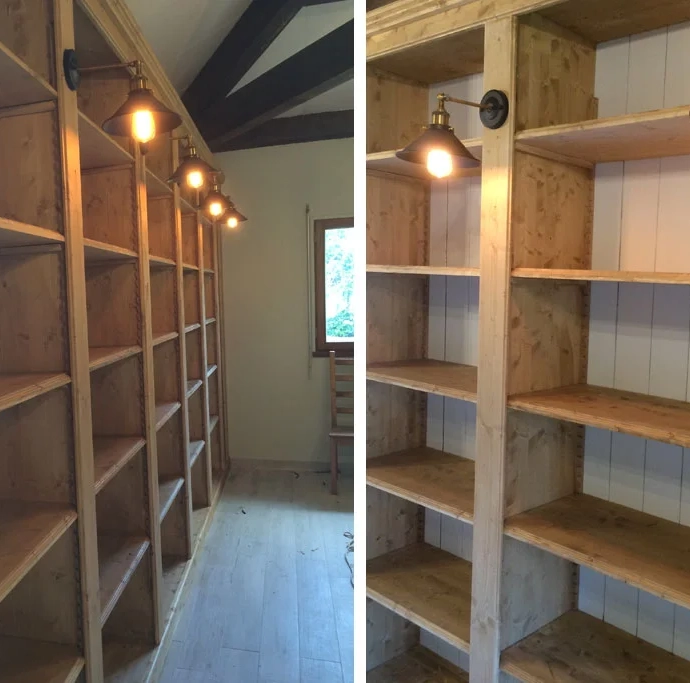
Spruce has a light color with fine grain. It looks clean and bright in any room. You can stain or paint spruce easily to fit your decor. The wood’s natural patterns add charm and warmth.
Choose wood that matches your style. Smooth surfaces and even grain make finishing easier. Spruce’s subtle beauty suits modern and traditional designs.
Credit: ilicut.com
Spruce As Bookshelf Wood
Spruce is a popular choice for making homemade bookshelves. It is a softwood that is easy to work with and has a light color. Many woodworkers appreciate spruce for its balance of strength and weight. This wood can give your bookshelf a clean, natural look that fits many home styles.
Characteristics Of Spruce
Spruce has a pale, creamy color with a straight grain. It is lightweight but still fairly strong. The wood feels smooth and is easy to cut or shape. Spruce does not have many knots, which makes it look neat. It also absorbs paint or stain well, allowing you to customize the finish.
Pros And Cons
Spruce is affordable and widely available. It is easy to handle for beginners. The wood is also good at holding nails and screws. On the downside, spruce can dent or scratch easily. It is less resistant to moisture and decay. Over time, it may show wear if not sealed or maintained.
Best Uses For Spruce
Spruce works well for lightweight furniture like bookshelves and cabinets. It suits indoor use where moisture is low. This wood is ideal for simple designs or painted projects. Spruce is also good for DIY crafts and small home improvements. Avoid using it for heavy or outdoor shelves.
Alternative Wood Options
Spruce is a popular choice for homemade bookshelves because it is light and easy to work with. Still, other woods offer great qualities. These woods can fit different styles, budgets, and uses. Exploring alternative wood options expands your choices and can improve your project.
Pine
Pine is soft and affordable. It has a light color with natural knots. Pine is easy to cut and sand. This wood works well for rustic or country-style shelves. It is less dense, so avoid heavy loads.
Oak
Oak is strong and durable. It has a beautiful grain and rich color. This hardwood holds up well over time. Oak shelves can support heavy books and items. It is ideal for classic or traditional designs.
Maple
Maple is a hard wood with a smooth texture. It has a light, creamy color that fits many decors. Maple resists dents and scratches. It is perfect for sleek and modern shelves. The wood finishes nicely with paint or stain.
Birch
Birch is a medium-hard wood with a fine grain. It has a pale yellow tone. Birch is affordable and easy to find. This wood sands well and takes paint evenly. It suits clean, simple bookshelf designs.
Comparing Wood Types For Bookshelves
Choosing the right wood is key for building a strong bookshelf. Different woods offer different benefits. Some woods cost less but may not last long. Others work well but are pricier. Understanding these differences helps you pick the best wood for your bookshelf project.
Spruce is a popular choice for bookshelves. It is light and easy to shape. Yet, it is important to compare spruce with other common woods like pine, oak, and maple. This helps you see which wood fits your needs and budget.
Cost Comparison
Spruce is usually cheaper than hardwoods like oak or maple. Pine costs about the same or less than spruce. Oak and maple are more expensive because they are denser and last longer. If you want a budget-friendly option, spruce or pine works well.
Workability
Spruce is soft and easy to cut or shape. It holds nails and screws well. Pine is also soft but can have knots that make work harder. Oak and maple are hard woods. They need stronger tools and more effort to work with. For beginners, spruce is a good choice.
Longevity
Spruce is less durable than hardwoods. It can dent or scratch more easily. Pine is similar but may last a bit longer. Oak and maple last many years and resist damage well. For a long-lasting bookshelf, oak or maple is best. Spruce works fine for lighter use.
Finishing Techniques For Wood Shelves
Finishing spruce wood shelves gives them a smooth, attractive look. It also protects the wood from damage and wear. Proper finishing steps improve the shelf’s strength and lifespan. Each step requires attention to detail to achieve the best result.
Sanding And Preparing
Start by sanding the spruce wood with fine-grit sandpaper. Sanding removes rough spots and splinters. It opens the wood pores for better stain or paint absorption. Always sand in the wood grain direction. After sanding, wipe off the dust with a clean cloth.
Staining And Painting
Choose a stain or paint that suits your shelf style. Stain highlights the natural grain and color of spruce wood. Apply the stain evenly with a brush or cloth. For a painted finish, use a primer first. Then, add two thin paint coats for full coverage.
Sealing And Protecting
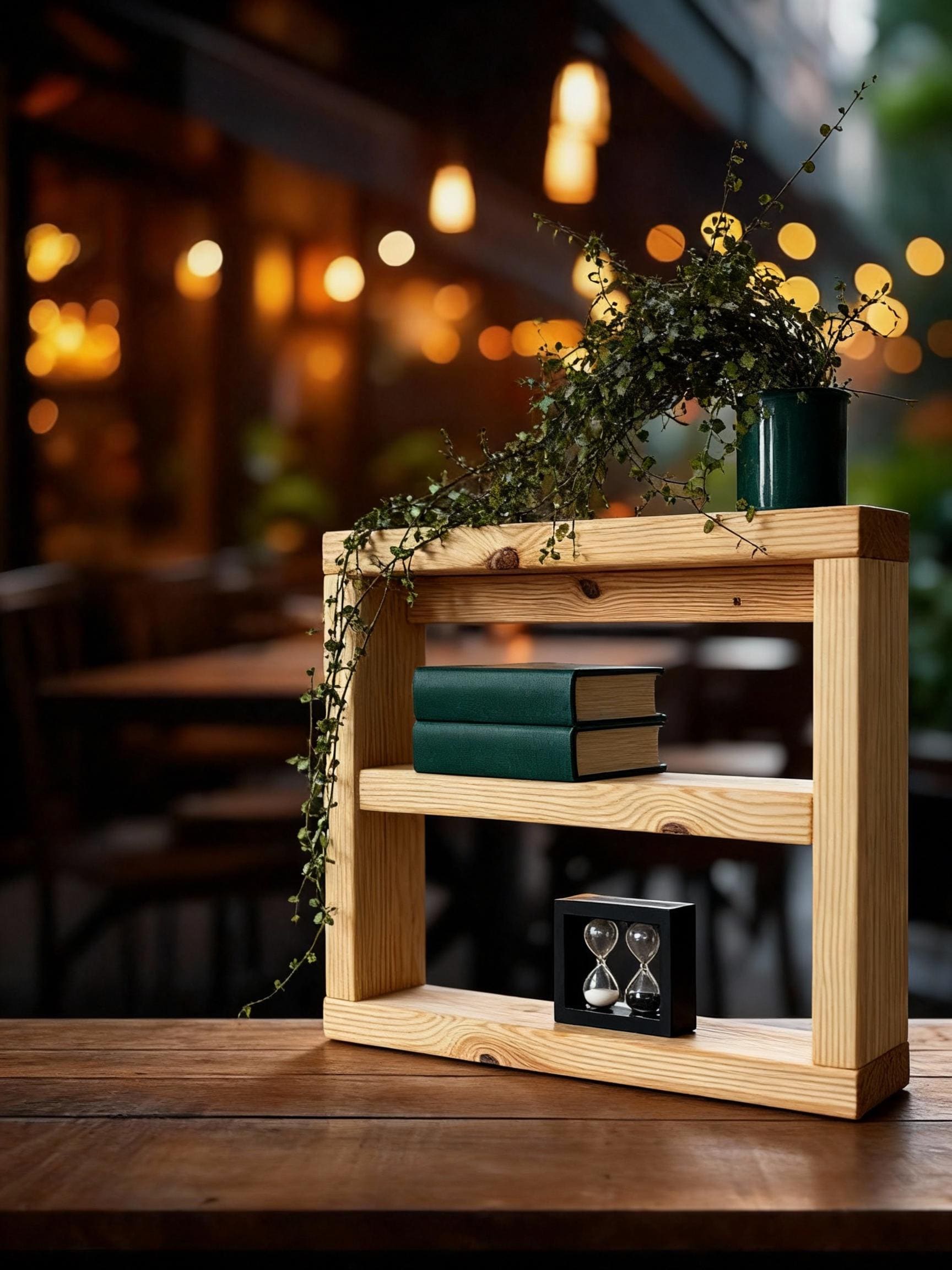
Seal the wood with a clear finish like varnish or polyurethane. This layer guards against moisture and scratches. Apply the sealer in thin, even coats. Let each coat dry fully before adding the next. A good seal keeps shelves looking fresh for years.
Credit: www.dekorie-shop.com
Maintenance Tips For Wooden Bookshelves
Wooden bookshelves add warmth and charm to any room. Spruce is a popular choice for homemade shelves because it is light and strong. Proper care keeps your spruce bookshelf looking great for years. Follow these maintenance tips to protect and clean your wood.
Cleaning
Dust your wooden bookshelf often. Use a soft cloth or microfiber duster to avoid scratches. Clean spills right away with a damp cloth. Avoid harsh chemicals that can damage the wood finish. A mild soap solution works well for tough spots.
Preventing Damage
Keep your bookshelf out of direct sunlight. Sunlight can fade and dry out spruce wood. Use coasters or pads under items to stop scratches. Avoid placing heavy objects on thin shelves. Control indoor humidity to prevent wood warping or cracking.
Repairing Scratches
Minor scratches can be fixed with a wood marker or crayon matching your shelf color. For deeper marks, gently sand the area with fine sandpaper. Apply a light coat of wood finish or oil after sanding. Regular touch-ups keep your bookshelf looking fresh and new.
Frequently Asked Questions
What Type Of Spruce Is Best For Bookshelves?
Sitka and White spruce are ideal for bookshelves. They offer strength, a smooth finish, and a light color that fits most décor styles.
How Durable Is Spruce For Homemade Bookshelves?
Spruce is moderately durable. It resists warping and cracking but may dent easily. Proper sealing improves its lifespan and strength.
Can Spruce Hold Heavy Books Without Sagging?
Spruce can hold moderate weight. Use thicker boards or add reinforcements for heavy books to avoid sagging over time.
Is Spruce Easy To Work With For Diy Projects?
Yes, spruce is soft and lightweight. It cuts, sands, and nails easily, making it perfect for DIY bookshelf construction.
Conclusion
Spruce is a solid choice for making a homemade bookshelf. It is light, strong, and easy to work with. This wood holds nails and screws well, which helps your shelf stay sturdy. Spruce also has a clean look that fits many styles.
With basic tools and some care, you can build a shelf that lasts. Choose spruce for a simple, reliable wood project. Your bookshelf will look good and hold your books safely. Simple wood, great results.