
Choosing the best wood for your bookshelf can feel overwhelming. You want something strong, beautiful, and long-lasting.
But with so many options, how do you know which wood is right for you? Imagine a bookshelf that not only holds your favorite books but also adds warmth and style to your room. You’ll discover the top woods that combine durability with stunning looks.
By the end, you’ll feel confident picking the perfect wood to create a bookshelf that fits your space and your taste perfectly. Keep reading to find out what makes one wood better than another for your bookshelf!
Credit: www.spryinterior.com
Durability Factors In Wood
Choosing the best wood for a bookshelf means understanding how strong and lasting the wood is. Durability matters most because bookshelves hold weight and face daily use. Some woods handle stress well, while others may scratch or bend easily. Knowing what makes wood tough helps pick the right material.
Hardwood Vs Softwood
Hardwoods come from trees that lose leaves each year. They grow slower and have dense fibers. This makes hardwood strong and good for bookshelves. Oak, maple, and cherry are popular hardwoods. Softwoods come from trees that keep leaves all year. They grow faster and have softer fibers. Pine and cedar are examples. Softwoods are lighter but less strong than hardwoods.
Resistance To Wear And Tear
Bookshelves face bumps and scratches every day. Wood that resists dents and marks lasts longer. Hardwoods usually resist wear better than softwoods. Some hardwoods have tight grains that protect the surface. This means fewer dents and less damage. Softwoods can dent or scratch more easily. Finishing wood with a protective coat can help resist wear.
Moisture And Warping
Wood changes size with moisture. This can make shelves bend or twist. Hardwoods shrink and swell less than softwoods. This means hardwood bookshelves stay straight longer. Wood with high moisture resistance avoids warping. Proper sealing or finishing helps protect wood from water. Avoid woods that soak up water easily for bookshelves.

Credit: www.spryinterior.com
Popular Wood Types For Bookshelves
Choosing the right wood for a bookshelf is important. The wood affects the shelf’s strength, look, and feel. Some woods last longer and support more weight. Others have unique colors and grains that add beauty to a room.
This section explains popular wood types for bookshelves. Each type has its own benefits. You can pick the wood that fits your style and needs.
Oak
Oak is very strong and durable. It can hold many heavy books without bending. The grain is clear and classic. Oak often has a light to medium brown color. It ages well and looks better over time.
Maple
Maple is hard and smooth. It has a pale, creamy color that brightens any room. Maple resists scratches and dents. The wood has a fine, even grain, making it easy to paint or stain.
Cherry
Cherry wood has a rich, warm red color. It darkens with time, becoming more beautiful. Cherry is strong but easier to work with than oak. Its smooth grain gives a sleek, elegant finish to bookshelves.
Walnut
Walnut is a dark, rich wood. It has a deep brown color with hints of purple or gray. Walnut is strong and stable. The grain is straight or wavy, adding a unique look to shelves.
Pine
Pine is soft and light in color. It is easy to cut and shape. Pine is less expensive than hardwoods. It shows knots and natural patterns that create a rustic feel. Pine bookshelves are good for light to medium loads.
Aesthetic Qualities Of Wood
The aesthetic qualities of wood play a big role in choosing the best wood for a bookshelf. Wood adds warmth and character to any room. It can match many decor styles, from modern to classic. The look of wood depends on its grain, color, and finish. These features make each bookshelf unique and beautiful.
Grain Patterns
Wood grain shows the natural lines and textures on the surface. Different woods have different grain patterns. Oak has strong, visible grains that create a bold look. Maple has smooth, subtle grains for a clean style. Grain patterns add depth and interest to a bookshelf. They highlight the natural beauty of the wood.
Color Variations
Wood comes in many colors, from light to dark shades. Pine has a pale yellow tone that brightens a space. Cherry wood has a rich red-brown color that deepens over time. Walnut offers a dark, elegant hue. Color variations help match the bookshelf to your room’s palette. Natural wood color also changes with light and age.
Finishing Options
Finishing protects the wood and changes its look. A clear finish shows the natural grain and color. Stains add color while keeping the wood’s texture. Matte finishes give a soft, natural look. Glossy finishes create a shiny, polished surface. Finishes help the bookshelf last longer and look great.
Cost And Availability
Choosing the best wood for a bookshelf depends a lot on cost and availability. Wood prices vary widely by type and source. Some woods are easy to find and affordable. Others are rare and costly. Knowing these differences helps you pick the right wood for your budget and project timeline.
Budget-friendly Choices
Pine is a popular budget wood. It is soft and easy to work with. Pine shelves can be strong enough for most books. Poplar is another affordable option. It has a smooth surface and paints well. These woods suit beginner woodworkers and tight budgets. They are widely available at local lumber stores.
Rare And Exotic Woods
Exotic woods like mahogany and teak are beautiful but pricey. They have rich colors and unique grains. These woods last a long time and resist wear. Finding exotic wood can take time and effort. Costs may be high due to import and scarcity. These woods fit special projects or luxury furniture.
Sustainability Considerations
Choosing sustainable wood helps protect forests and nature. Look for FSC-certified wood to ensure responsible harvesting. Bamboo is a fast-growing alternative that is eco-friendly. Avoid woods from endangered species or illegal logging. Sustainable wood is often available at reasonable prices. It supports better choices for the planet.
Maintenance And Longevity
Choosing the best wood for a bookshelf means thinking about how to keep it looking good for years. Wood furniture needs care to stay strong and beautiful. Proper maintenance helps prevent damage and extends the life of your bookshelf. Small efforts in cleaning, fixing, and protecting the wood make a big difference.
Cleaning Tips
Dust your bookshelf regularly to avoid buildup. Use a soft, dry cloth for gentle cleaning. Avoid wet cloths that can soak into the wood. For sticky spots, use a slightly damp cloth and dry quickly. Never use harsh chemicals or abrasive cleaners. They can damage the wood’s surface and finish.
Repairing Scratches And Dents
Minor scratches and dents happen over time. Use a wood touch-up marker that matches your bookshelf’s color. For small dents, try rubbing a damp cloth over the area with a warm iron. This helps the wood fibers swell back to shape. For deeper damage, consider wood filler or light sanding before applying stain or finish.
Protective Coatings
Applying a protective coat keeps the wood safe from wear and moisture. Wax or oil finishes add shine and protection. Polyurethane offers a stronger barrier for heavy use. Reapply coatings every few years or when the surface looks dull. This keeps your bookshelf looking fresh and durable.
Matching Wood To Room Style
Choosing the right wood for a bookshelf depends on the room’s style. Wood types can match or enhance the room’s look. Each style needs a different wood to feel balanced and complete. Picking the right wood makes the bookshelf fit perfectly in your space.
Traditional Designs
Traditional rooms often use rich, dark woods. Mahogany and cherry are popular choices here. These woods add warmth and a classic feel. They have deep colors and fine grains. A bookshelf in these woods looks strong and elegant.
Modern And Minimalist
Modern styles prefer simple and light woods. Maple and birch work well for this look. These woods have smooth textures and pale colors. They create a clean, fresh appearance. A bookshelf in light wood keeps the room open and bright.
Rustic And Vintage
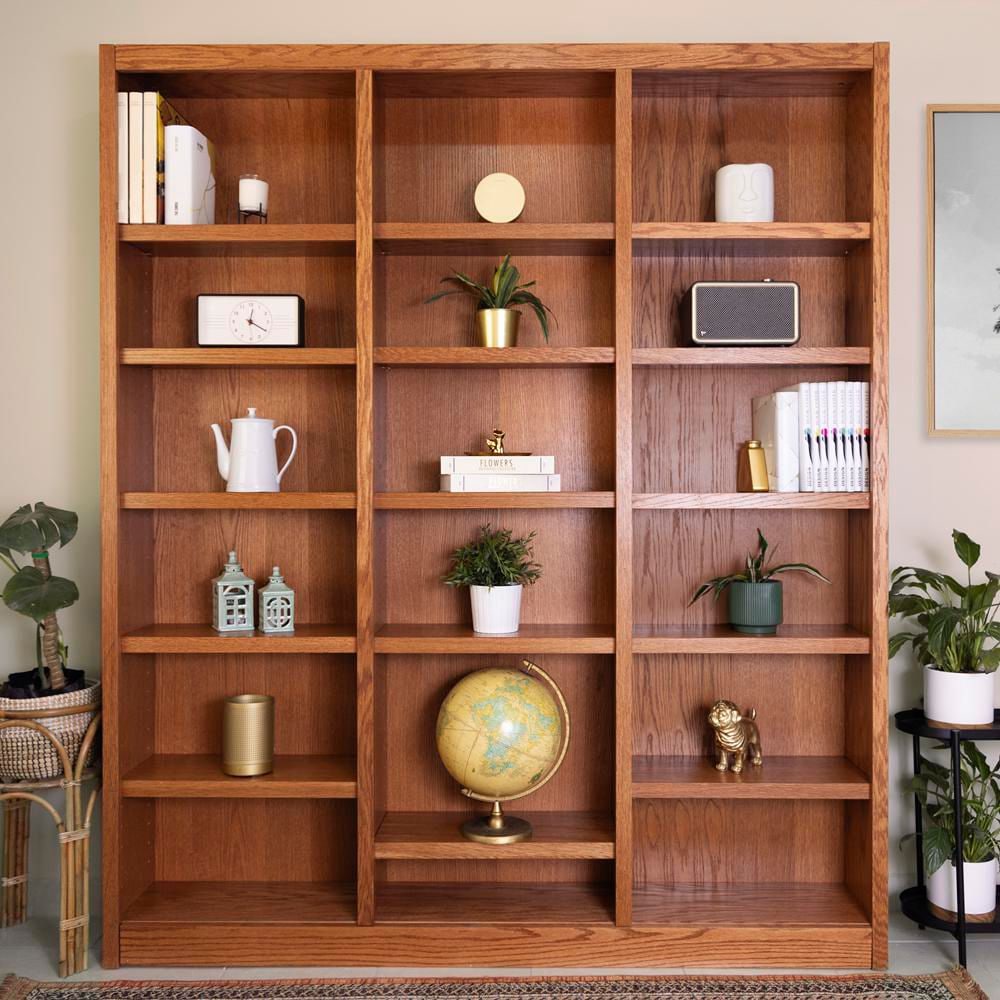
Rustic rooms suit woods with character and texture. Pine and oak are common options here. These woods show knots and grains clearly. They give a cozy and natural vibe. A bookshelf made of rustic wood feels warm and lived-in.
Credit: www.homedepot.com
Frequently Asked Questions
What Wood Is Most Durable For Bookshelves?
Hardwoods like oak, maple, and cherry are the most durable. They resist dents and scratches, ensuring long-lasting shelves. These woods also hold heavy books without warping or sagging, making them ideal for sturdy bookshelves.
Which Wood Looks Best For Bookshelf Aesthetics?
Cherry and walnut woods offer rich, warm tones and elegant grain patterns. These woods enhance room decor with their natural beauty. They age gracefully, adding character and charm to any bookshelf.
Is Pine Wood Suitable For Bookshelves?
Pine is affordable and easy to work with but less durable. It may dent or scratch more easily than hardwoods. Pine is best for light to moderate book storage and budget-friendly projects.
How Does Wood Type Affect Bookshelf Weight Capacity?
Denser hardwoods support heavier loads without bending or breaking. Softwoods like pine have lower weight capacity and may sag over time. Choosing the right wood ensures your bookshelf safely holds all your books.
Conclusion
Choosing the best wood for a bookshelf depends on your needs. Hardwoods like oak and maple offer strength and long life. Softwoods such as pine are lighter and easier to work with. Think about your budget and style too. A good shelf holds books safely and looks nice.
Wood type affects durability and appearance. Take time to pick wood that fits your space. A well-chosen wood makes your bookshelf last for years. Simple choices lead to great results.