Are you staring at your messy bookshelf wondering how to bring order to the chaos? Organizing your books doesn’t have to be a frustrating task.
In fact, with the right approach, it can become a simple and even enjoyable process. Imagine opening your shelf and instantly finding the book you want without digging through piles. This article will guide you step-by-step on how to organize your bookshelf in a way that suits your style and makes your space feel more inviting.
Ready to transform your collection into a neat, easy-to-navigate treasure trove? Let’s dive in.
Choosing A Shelving Style
Choosing the right shelving style shapes how your bookshelf looks and functions. It sets the tone for your room and affects how easy it is to find your books. Shelves come in many designs, each offering unique benefits. Understanding these options helps you pick the best fit for your space and needs.
Open Vs Closed Shelves
Open shelves show your books and decor openly. They create a light and airy feel. Dust can settle more easily, so cleaning is needed often. Closed shelves have doors or panels to hide your books. They protect from dust and damage better. Choose open shelves for display and easy access. Pick closed shelves for a tidy, protected look.
Adjustable Shelving Options
Adjustable shelves let you change heights to fit different books. Tall books fit easily without bending or damage. Small shelves hold paperbacks or decorations well. This flexibility helps you organize books by size or type. It also adapts to new books as your collection grows. Fixed shelves limit your options but may be sturdier.
Material And Durability
Wood shelves bring warmth and strength to your room. They suit many decor styles and last long. Metal shelves offer modern looks and high durability. They resist scratches and wear well. Plastic shelves are lightweight and budget-friendly but less durable. Choose material based on your style, budget, and how much weight you need to hold.
Credit: everyday-reading.com
Sorting Books By Category
Sorting books by category helps keep your bookshelf neat and easy to use. It makes finding your favorite books quick and fun. Organizing by category also gives your shelf a clear look and feel. Choose a method that fits your reading habits and space.
Genre Grouping
Group your books by genre. Keep fiction, non-fiction, mystery, fantasy, and others separate. This helps find books for your mood or interest fast. It also shows your reading style at a glance. Label each genre section for easy spotting.
Author Arrangement
Arrange books by the author’s last name. This works well if you have many books by the same writer. It helps spot all books by one author quickly. You can also order authors alphabetically. This method keeps the shelf tidy and easy to scan.
Color Coding
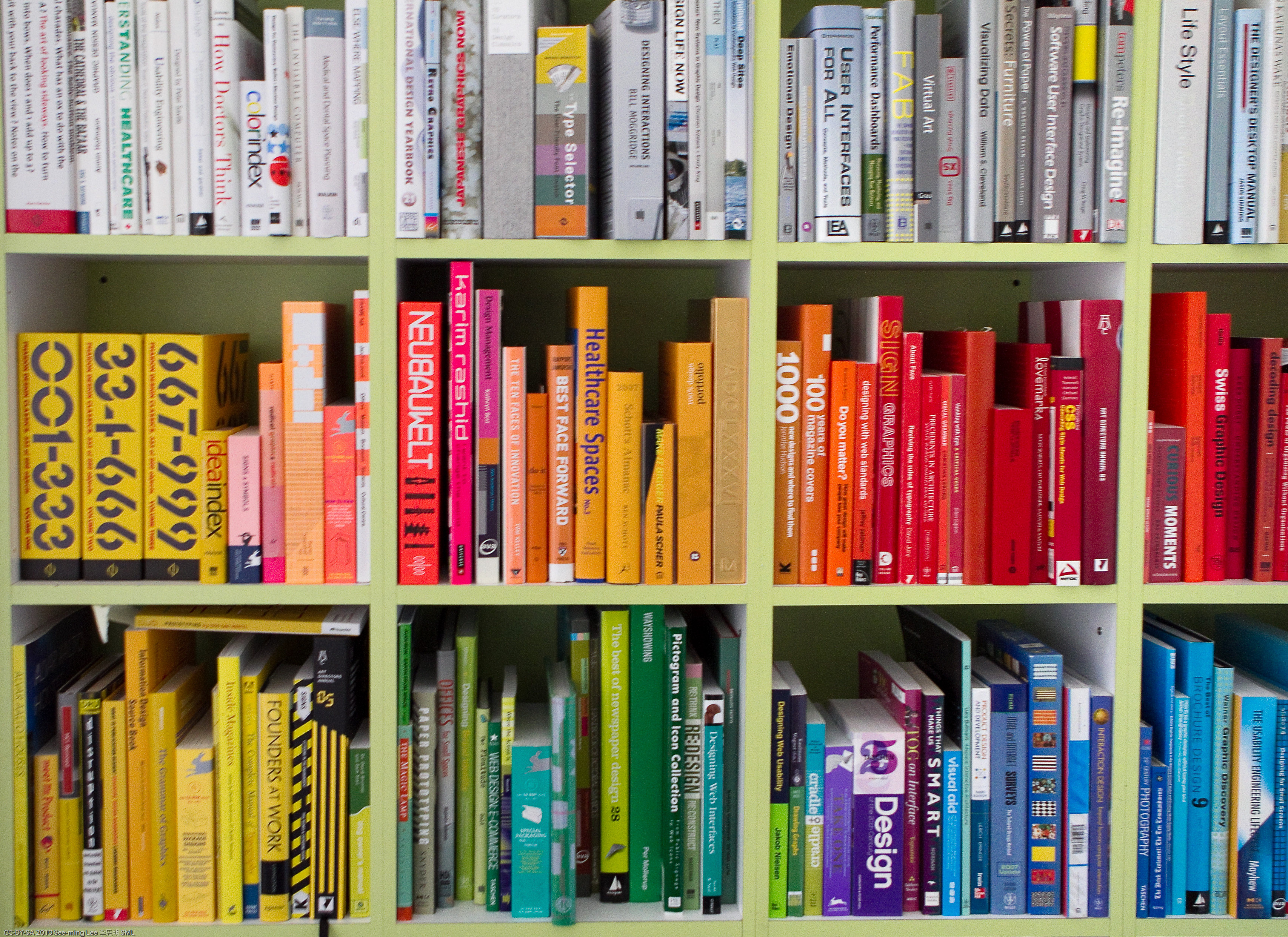
Sort books by their cover colors. This creates a bright and artistic look on your shelf. It can make your room feel lively and unique. Group similar colors together for a smooth color flow. This style is great for visual appeal, not quick search.
Arranging By Size And Format
Organizing books by size and format creates a neat and balanced look on your bookshelf. It makes your collection easier to browse and keeps everything stable. This method groups books with similar dimensions and shapes, helping your shelf feel orderly and pleasant.
Tall Vs Short Books
Place tall books together on one side or shelf. Keep short books grouped separately. This prevents awkward gaps and keeps the shelf tidy. Tall books can stand upright without tipping over. Short books fit well on lower shelves or in front rows.
Hardcover And Paperback Placement
Separate hardcover and paperback books for a cleaner look. Hardcovers are thicker and often heavier. They work well on lower shelves for better support. Paperbacks are lighter and fit nicely on upper shelves. Grouping by cover type keeps the shelf visually balanced.
Stacking Techniques
Stack books horizontally to use space efficiently. Place heavier books at the bottom of the stack. Horizontal stacks break the monotony of vertical rows. Use stacks to create height differences and visual interest. This method also makes small books easier to access.

Credit: www.neathousesweethome.com
Creating Functional Zones
Creating functional zones on your bookshelf helps keep things neat and easy to find. This method divides your books into clear areas based on how you use them. Each zone serves a special purpose, making your shelf both practical and attractive.
Frequently Used Books
Place books you read often within easy reach. Keep them at eye level or in the middle of the shelf. This saves time and effort when you want to grab a book quickly. Organize by subject or author for faster access.
Special Collections
Set aside a zone for rare or favorite books. These could be signed copies or limited editions. Store them safely to protect from dust and damage. Use bookends to keep this collection neat and upright.
Display And Decor
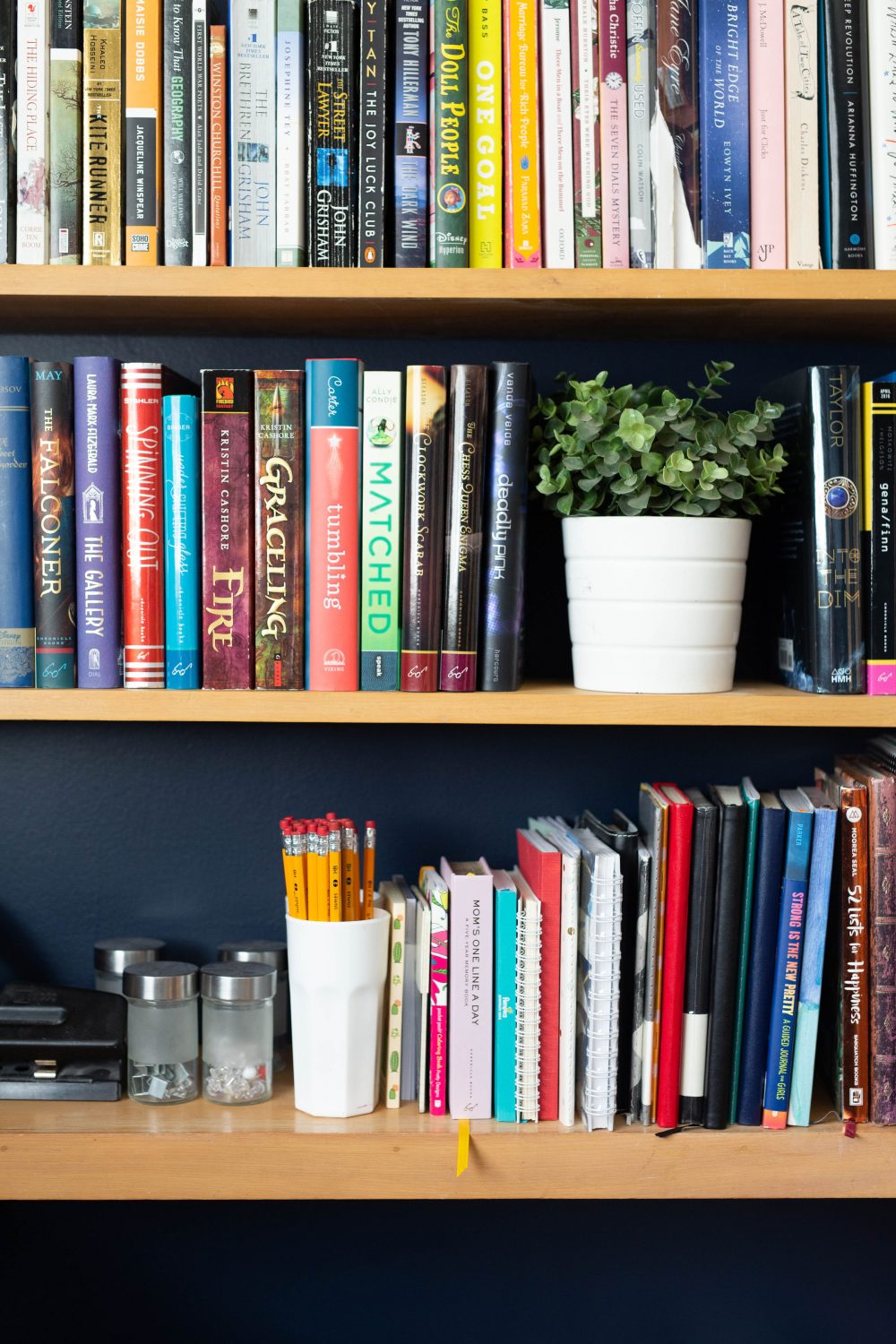
Use some shelf space for decorative items and small plants. Mix in art pieces, photos, or souvenirs with your books. This adds personality and warmth to your bookshelf. Balance decor with books to avoid clutter.
Maximizing Space Efficiency
Maximizing space efficiency on your bookshelf helps keep your room tidy. It allows you to fit more books without clutter. Smart storage ideas make your shelf look neat and organized. Small changes can create big space savings. Here are some simple methods to use space better.
Vertical Storage Ideas
Stack books vertically to save shelf depth. Place tall books upright to avoid wasted space. Use vertical bookends to keep books stable. This method makes books easy to see and grab. It also creates a clean, streamlined look on your shelf.
Double Row Shelving
Put a second row of books behind the first. Use shorter books in front and taller ones in back. This doubles your storage without adding shelves. Keep the front row easy to move for quick access. Double rows are perfect for shelves deep enough to hold two layers.
Utilizing Shelf Dividers
Use shelf dividers to separate book groups. They stop stacks from falling over and keep books upright. Dividers create clear sections for different types or sizes of books. This method helps keep your shelf tidy and easy to browse. You can use simple wooden or metal dividers for this.
Credit: www.publicradiotulsa.org
Maintaining Your Bookshelf
Maintaining your bookshelf keeps it neat and your books in good shape. A clean and organized shelf makes finding books simple. It also protects your collection from damage over time. Small habits help your bookshelf look great and last longer.
Regular Cleaning Tips
Dust your bookshelf often to stop dirt buildup. Use a soft cloth or a small brush for corners. Clean book covers gently with a dry cloth. Avoid using water or harsh cleaners on books. Keep the area around the shelf tidy to reduce dust.
Rearrangement Strategies
Change your shelf order every few months. Group books by size or topic for easy access. Move books you read less to higher or lower shelves. Use bookends to keep books upright and tidy. Rearranging keeps the shelf fresh and inviting.
Protecting Books From Damage
Keep books away from direct sunlight to prevent fading. Avoid placing your shelf near heaters or damp areas. Use bookmarks instead of folding pages. Handle books with clean, dry hands to avoid stains. Store rare books in protective covers or boxes.
Frequently Asked Questions
How Do I Categorize Books On My Bookshelf?
Categorize books by genre, author, or color for easy access. Choose a system matching your reading habits and preferences. This keeps your collection organized and visually appealing.
What Is The Best Way To Arrange Books Aesthetically?
Arrange books by size, color, or theme to create visual harmony. Mix vertical and horizontal stacks to add interest. Use decorative items to enhance the display.
How Can I Optimize Bookshelf Space Effectively?
Use adjustable shelves to fit different book sizes. Store rarely used books vertically to save space. Utilize bookends and baskets for small items and maximize shelf capacity.
Should I Organize Books By Read Or Unread Status?
Organizing by read or unread helps track your reading progress. Place unread books in a separate section to prioritize them. This method motivates consistent reading habits.
Conclusion
Organizing your bookshelf can bring calm and joy to your space. Choose a method that feels right for you. Sort by color, size, or topic—whatever suits your style. Keep books you love within easy reach. Add labels or decorations for a personal touch.
Regularly tidy your shelf to keep it neat. A well-organized shelf makes finding books quick and easy. Enjoy your books more when your shelf feels just right. Simple steps can make a big difference in your room. Start today and create a space you love.