Are you planning to upgrade your bathroom and wondering about the details that make a big difference? Understanding what overhang on a vanity top 36 inch cabinet means can save you from costly mistakes and help you get the perfect fit.
This simple feature affects not just the look, but also how comfortable and functional your vanity will be. Keep reading to discover exactly what overhang is, why it matters, and how it impacts your bathroom space. You’ll soon see why paying attention to this small detail can make your bathroom feel more stylish and practical.
Overhang Basics
The overhang on a vanity top is a small but important detail. It affects both the look and function of your bathroom cabinet. Understanding the basics of overhang helps you choose the right vanity top for your 36 inch cabinet. This knowledge can improve your bathroom’s style and usability.
Overhang is not just about style. It plays a key role in how your vanity works daily. Let’s explore what overhang means and why it matters.
Definition Of Overhang
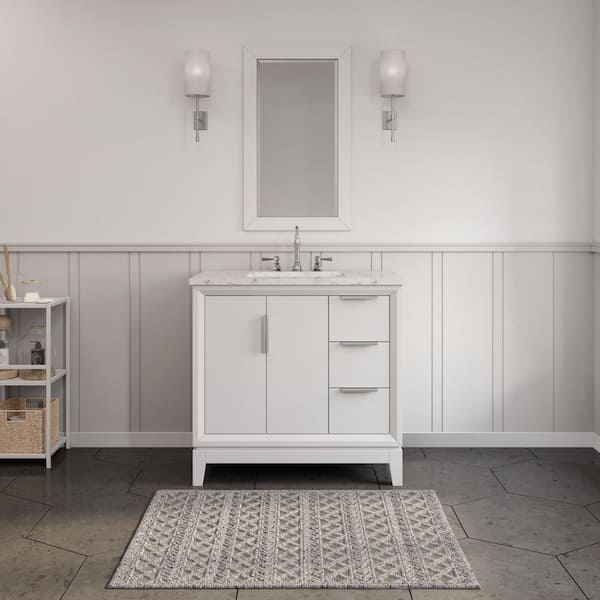
Overhang is the part of the vanity top that extends past the cabinet edges. It sticks out a little beyond the cabinet frame. This extension can be on the front, sides, or both. The size of the overhang varies depending on design and preference. It usually ranges from half an inch to two inches.
Purpose Of Overhang On Vanity Tops
Overhang protects the cabinet from water and spills. It prevents water from dripping directly onto the cabinet edges. This helps keep the cabinet dry and damage-free. Overhang also makes cleaning easier by catching water on the top.
It adds a finishing touch to the vanity’s look. Overhang creates a smooth transition from the top to the cabinet. This makes the vanity appear more polished and complete. It can also provide a small ledge for resting items like soap or a toothbrush holder.
Credit: www.homedepot.com
Standard Overhang Dimensions
Understanding the standard overhang dimensions on a vanity top for a 36-inch cabinet helps in choosing the right fit. The overhang is the part of the countertop that extends beyond the cabinet edges. It affects both the look and function of the vanity. Knowing the common sizes ensures you get a balanced and practical design.
Common Measurements For 36 Inch Cabinets
For a 36-inch vanity cabinet, the countertop usually overhangs by 1 to 1.5 inches on the sides. The front overhang tends to be larger, often between 1.5 to 2 inches. This space allows for comfortable use and protects the cabinet edges from water. These measurements are typical for most bathroom vanities and suit standard sink installations well.
Variations Based On Style And Material
The overhang size may change depending on the vanity style and material used. For example, thicker stone countertops like granite or quartz might have a smaller overhang to reduce weight. Modern or minimalist designs often feature a flush or very small overhang for a sleek look. Wood or laminate tops might have a larger overhang for easier cleaning and durability.
Impact On Functionality
The overhang on a vanity top for a 36-inch cabinet affects how the space works. It changes how much room you have and how easy it is to use the cabinet. Understanding this impact helps you pick the right design for your needs.
Space Utilization
An overhang can add extra countertop space without changing cabinet size. This space is useful for placing toiletries or decor. But too much overhang may reduce usable cabinet space below. It can also make cleaning harder around the edges.
Comfort And Accessibility
A small overhang lets you stand closer to the sink or countertop. This makes daily tasks like washing hands or brushing teeth easier. Large overhangs might block access to drawers or doors. Proper size helps keep everything reachable and comfortable to use.
Design Considerations
Designing a vanity top overhang for a 36 inch cabinet needs careful thought. The overhang affects how the bathroom looks and feels. It also impacts functionality and space use. Choosing the right overhang balances style and practicality. Consider the bathroom’s overall design and the materials used. These choices define the final look and user experience.
Matching Overhang With Bathroom Style
The overhang should fit the bathroom’s style. For modern bathrooms, a thin, clean overhang suits best. It keeps the look simple and sleek. Traditional bathrooms benefit from a wider, more detailed overhang. This adds a classic touch and depth. The overhang size can highlight or soften cabinet lines. It helps create harmony between vanity and other fixtures.
Material Choices And Their Effects
Material affects the overhang’s strength and appearance. Stone tops like granite or marble allow for thinner overhangs. They are strong and durable. Wood or laminate requires thicker overhangs for support. These materials give a warmer, softer look. The edge finish also changes the feel. Rounded edges add safety and smoothness. Sharp edges offer a modern, bold statement. Material and finish choices shape the room’s mood.
Installation Tips
Installing a vanity top on a 36 inch cabinet needs care and precision. Proper installation ensures the overhang looks neat and fits well. Follow these tips for a smooth setup and lasting results.
Measuring And Cutting Overhang
Start by measuring the cabinet width accurately. Mark the vanity top where the overhang should end. Use a straight edge to guide your cut. Cut slowly with a suitable saw to avoid chipping. Double-check measurements before cutting to prevent mistakes.
Securing Vanity Tops Properly
Place the vanity top carefully on the cabinet. Make sure the overhang is even on all sides. Use clamps to hold the top steady during installation. Apply a strong adhesive or silicone sealant under the edges. Screw the top into the cabinet frame if needed for extra support.
Credit: ironsupports.com
Common Mistakes To Avoid
Choosing the right overhang for a 36 inch vanity top cabinet is important. Many people make mistakes that affect both style and function. Avoiding these errors can save money and prevent damage. Here are some common mistakes to watch out for.
Overhang Too Large Or Too Small
An overhang that is too large looks awkward and can catch clothes. It may also break easily if not supported well. Too small an overhang may not protect the cabinet from water spills. Aim for a balanced size that fits your space and use.
Ignoring Support Requirements
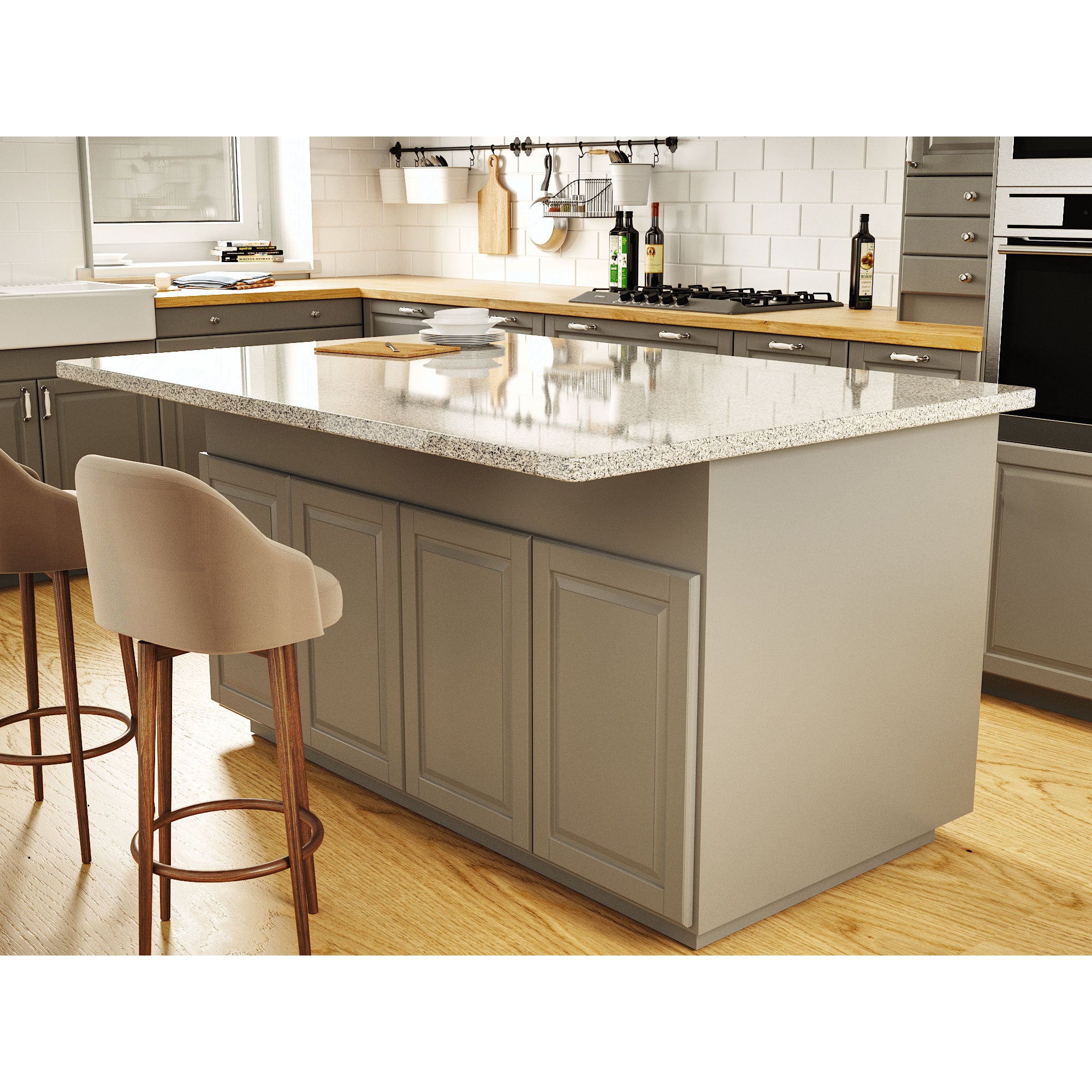
Heavy vanity tops need proper support under the overhang. Skipping supports can cause the top to sag or crack. Use brackets or corbels designed for your cabinet size. Proper support keeps the vanity strong and safe for daily use.
Maintenance And Care
Taking care of the overhang on your vanity top 36 inch cabinet keeps it looking good. Regular maintenance stops damage and keeps it clean. Small efforts save money and time later.
Cleaning Overhang Edges
Use a soft cloth to wipe the overhang edges daily. Avoid harsh chemicals that can wear down the finish. Mild soap and warm water work well. Dry the edges after cleaning to stop water spots. Clean spills quickly to avoid stains and damage.
Preventing Damage Over Time
Do not place heavy objects on the overhang. This can cause cracks or bending. Use coasters or mats under items to protect the surface. Avoid sharp objects near the edges to prevent scratches. Regularly check for small chips or cracks and fix them early.

Credit: www.walmart.com
Frequently Asked Questions
What Does Overhang Mean On A Vanity Top?
Overhang refers to the countertop edge extending beyond the cabinet front. It provides extra space and protects cabinets from water damage. Overhang size varies but typically ranges from ½ to 1 inch for a 36-inch vanity cabinet.
Why Is Overhang Important For A 36-inch Vanity?
Overhang adds functional space for daily tasks like washing hands. It also protects cabinet edges from splashes and wear. Proper overhang ensures comfort and enhances the vanity’s aesthetic appeal.
How Much Overhang Is Recommended For Vanity Tops?
A ½ to 1-inch overhang is standard for vanity tops. This size balances countertop protection and visual appeal. Too much overhang can look bulky, while too little offers less protection.
Can Overhang Affect Vanity Cabinet Installation?
Yes, overhang influences countertop placement and alignment with cabinets. Proper measurement ensures the vanity top fits well without gaps. Installers must account for overhang to avoid uneven surfaces.
Conclusion
Overhang on a vanity top adds style and protects the cabinet edges. It lets water drip off instead of pooling on the wood. The right overhang size fits your cabinet and bathroom space well. Small overhangs look neat, while bigger ones offer more protection.
Think about your needs and room layout before choosing. This simple detail helps keep your bathroom looking fresh and clean longer. A good overhang combines function with a nice appearance. It’s a smart choice for any 36-inch vanity cabinet.