Are you tired of your old, plain laminate bookshelf blending into the background? What if you could give it a fresh, stylish look without spending a fortune on a new piece?
Painting your laminate bookshelf is easier than you think—and the results can completely transform your space. In this guide, you’ll discover simple steps to make your bookshelf stand out with a smooth, lasting finish. Ready to turn your ordinary shelf into a stunning focal point?
Let’s dive in and make your bookshelf truly yours.
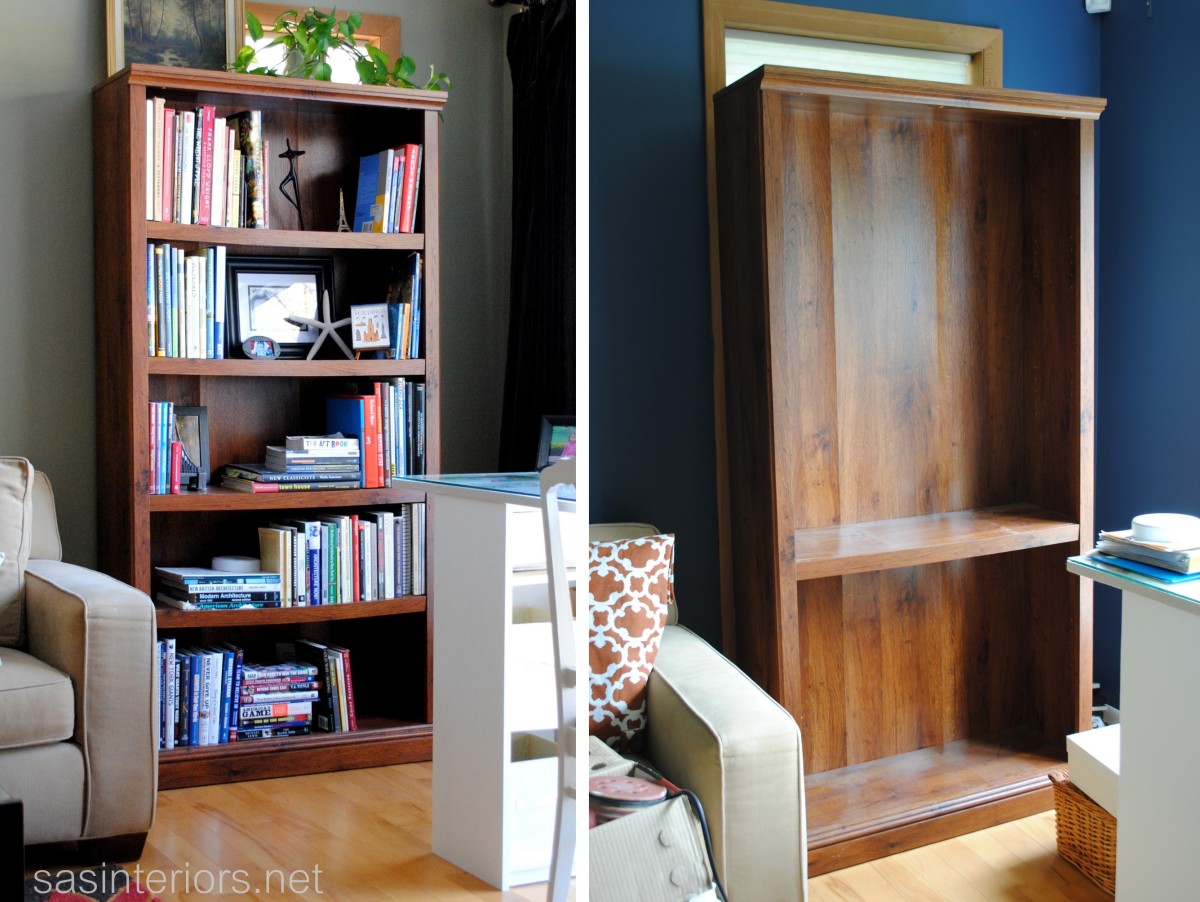
Credit: jennaburger.com
Choosing The Right Paint
Choosing the right paint for your laminate bookshelf is key to a smooth, lasting finish. Laminate surfaces are smooth and non-porous, so not every paint will stick well. Picking the correct paint type helps prevent peeling and chipping. It also makes your bookshelf look fresh and new for years.
Best Paint Types For Laminate
Latex paint works well on laminate. It dries fast and cleans up easily with water. It also resists cracking and fading. Acrylic paint is another good option. It bonds tightly to smooth surfaces and offers a durable coat. Oil-based paints stick strongly but take longer to dry. They give a hard, glossy finish that lasts. Choose paint labeled for laminate or non-porous surfaces for best results.
Color Selection Tips
Pick colors that match your room’s style and lighting. Light colors can make small rooms appear larger. Dark shades add depth and boldness to your space. Matte finishes hide scratches better than glossy ones. Glossy paints reflect light and highlight details. Test paint samples on a small area first. Watch how the color changes in different lights. Choose colors that make you feel happy and calm.
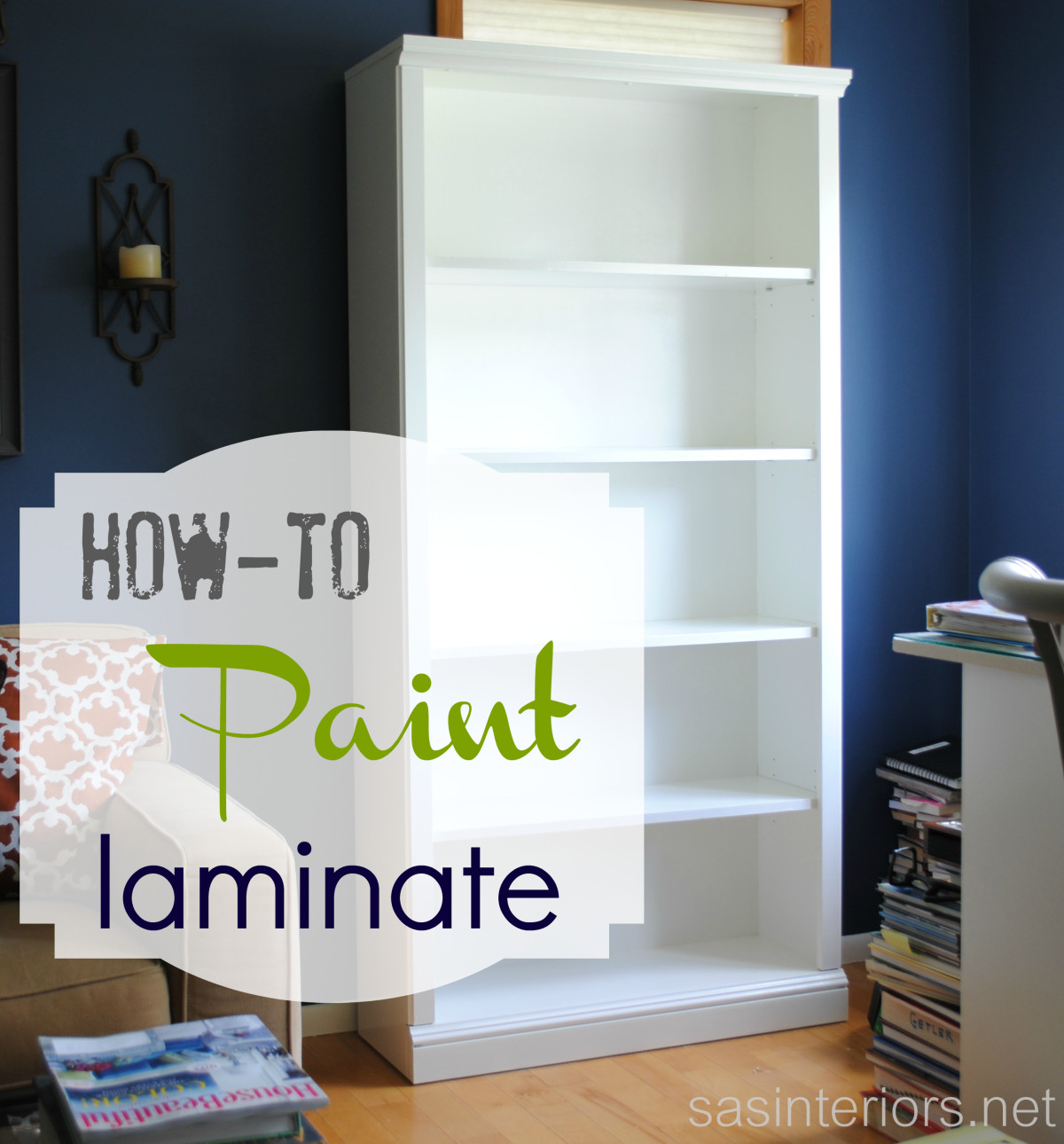
Credit: jennaburger.com
Preparing The Bookshelf
Preparing your laminate bookshelf is the first step to a successful paint job. Proper preparation helps paint stick better and last longer. It also gives a smooth, professional look. Skipping this step can cause peeling and uneven color. Take time to clean and fix the surface before painting.
Cleaning And Sanding
Start by cleaning the bookshelf with a mild detergent and water. Remove all dust, dirt, and grease. Use a soft cloth or sponge to avoid scratches. Let it dry completely before moving to the next step.
Next, lightly sand the surface with fine-grit sandpaper. Sanding removes the glossy finish and helps paint adhere. Focus on all flat and curved areas. Wipe off sanding dust with a damp cloth. A clean, smooth surface ensures better paint coverage.
Repairing Surface Imperfections
Check the bookshelf for scratches, dents, or chips. Fill small holes and cracks with wood filler or putty. Use a putty knife for smooth application. Let the filler dry according to the instructions.
After drying, sand the patched areas gently. Make sure they are flush with the rest of the surface. Clean off any dust before painting. Fixing imperfections creates a flawless finish and stronger paint hold.
Priming The Surface
Priming the surface is a key step when painting a laminate bookshelf. It helps paint stick better and last longer. Without primer, paint may peel or chip quickly. A good primer creates a smooth base for the paint. This makes your bookshelf look neat and fresh.
Selecting The Best Primer
Choose a primer made for laminate or slick surfaces. These primers bond well with smooth finishes. Look for a bonding primer or one labeled for laminate. Some primers are water-based, others oil-based. Water-based primers dry faster and clean up easily. Oil-based primers offer strong adhesion and durability. Pick a primer that matches your paint type. This ensures the best finish and durability.
Applying Primer Correctly
Start with a clean, dry bookshelf. Remove dust and grease with soap and water. Let it dry completely before priming. Use a brush or small roller for even coverage. Apply a thin, smooth coat of primer. Avoid thick layers to prevent drips and unevenness. Let the primer dry as per the instructions. Lightly sand the surface after drying for smoothness. Wipe away dust before painting. This creates a perfect base for your paint.
Painting Techniques
Choosing the right painting technique makes a big difference on laminate bookshelves. It affects how smooth the finish looks and how long the paint lasts. Two popular ways to paint are using a brush or a spray. Each has pros and cons. Knowing these helps pick the best method for your project.
Brush Vs. Spray Methods
Using a brush is simple and easy to control. It works well for small areas and edges. Brushes can leave visible strokes, so choose a soft, high-quality brush. It helps to get a smooth finish.
Spray painting covers large surfaces quickly. It creates a very even coat without brush marks. Spraying needs more preparation to avoid mess. Use a spray gun or aerosol cans in a well-ventilated area.
Layering And Drying Times
Apply paint in thin layers for the best result. Thick layers can drip or peel later. Let each layer dry fully before adding the next. Drying times vary by paint type, so check the label.
Patience is key. Rushing can cause uneven color and texture. Light sanding between layers improves smoothness. This step makes the final coat look professional.
Adding A Protective Finish
Adding a protective finish is an important step after painting your laminate bookshelf. It helps protect the paint and keeps the surface looking fresh for a long time. A good finish also makes the bookshelf easier to clean and more resistant to scratches and stains.
Choosing the right sealant can make a big difference in how well your paint holds up. Some sealants are shiny, while others give a matte look. Pick one that matches your style and the room’s decor. Also, consider how much wear the bookshelf will get.
Choosing Sealants
Use water-based polyurethane for a clear, durable coat. It dries fast and has low odor. Another option is acrylic sealer, which is easy to apply and cleans up with water. Avoid oil-based sealants; they take longer to dry and have a strong smell.
Matte finish sealants hide brush strokes and give a soft look. Glossy finishes reflect light and make colors pop. Satin finishes are in between, offering some shine without too much glare. Choose based on the look you want.
Application Tips
Apply sealant in thin, even coats using a clean brush or foam applicator. Let each coat dry completely before adding the next. Lightly sand between coats with fine-grit sandpaper for a smooth finish.
Work in a well-ventilated area to avoid fumes. Avoid rushing, as thick coats can drip or peel. Two to three coats usually give the best protection. Be patient and gentle to keep the paint intact.
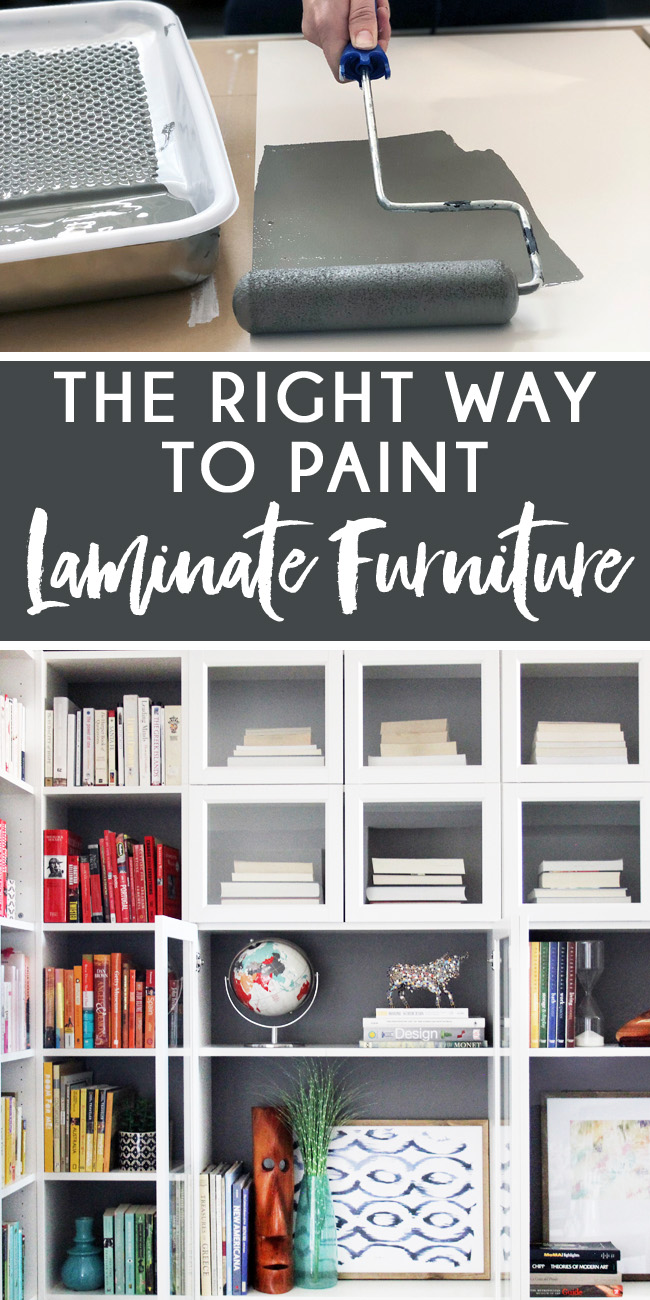
Credit: www.blueistyleblog.com
Maintenance And Care
Painting a laminate bookshelf gives it a fresh, new look. Proper maintenance helps keep the paint looking good. Careful cleaning and quick touch-ups protect the painted surface. These simple steps extend the life of your painted bookshelf.
Cleaning Painted Surfaces
Use a soft cloth or sponge to clean the bookshelf. Avoid harsh chemicals that can damage the paint. Mild soap and water work well for most stains. Wipe gently to prevent scratches. Dry the surface with a clean towel to avoid water spots.
Touch-up Tips
Small chips or scratches can happen over time. Keep leftover paint for quick fixes. Use a fine brush to carefully cover damaged spots. Apply thin layers and let each dry fully. This keeps the bookshelf looking smooth and fresh.
Frequently Asked Questions
How Do I Prepare A Laminate Bookshelf For Painting?
Clean the surface with mild soap and water. Sand lightly using fine-grit sandpaper. Wipe off dust with a damp cloth before priming.
What Type Of Paint Works Best On Laminate Surfaces?
Use a high-quality acrylic latex or oil-based paint. These adhere well and provide a durable finish for laminate.
Is Priming Necessary Before Painting Laminate Bookshelves?
Yes, priming ensures better paint adhesion. Use a bonding primer designed for glossy or laminate surfaces to prevent peeling.
How Many Coats Of Paint Should I Apply?
Apply two to three thin coats. Allow each coat to dry completely before applying the next for a smooth finish.
Conclusion
Painting a laminate bookshelf can change its look completely. Start with cleaning and sanding the surface well. Use the right primer and paint for best results. Take your time and let each coat dry fully. Small steps lead to a big difference.
Enjoy your refreshed bookshelf that fits your style. Simple efforts bring fresh, new charm to old furniture. Now, your bookshelf looks neat and inviting. Try this easy project to brighten your space.