Hanging a heavy coat rack on drywall can feel tricky. You want it to hold up without falling or damaging your walls.
If you’ve ever worried about your rack coming loose or causing holes, this guide is for you. You’ll learn simple, effective steps to secure your coat rack safely and confidently. Keep reading to find out how to protect your walls and keep your coats organized with ease.
Choosing The Right Coat Rack
Choosing the right coat rack is key to hanging it safely on drywall. The rack must hold heavy coats without falling or damaging the wall. Focus on two main things: how much weight it can hold and the material and design. These factors ensure the rack fits your needs and stays secure.
Weight Considerations
Check the weight limit of the coat rack before buying. Heavy coats need strong support. A rack made for light items will not hold heavy coats well. Choose a rack that can hold at least 30 to 50 pounds. This range covers most winter coats and bags. Always allow extra strength for unexpected loads.
Material And Design
Pick a coat rack made from solid materials like metal or hardwood. These last longer and support more weight. Avoid plastic racks as they often break or bend under pressure. The design also matters. Look for racks with multiple hooks and wide spacing. This spreads the weight evenly and prevents stress on one spot. A good design keeps your coats organized and the rack stable.
Tools And Materials Needed
Hanging a heavy coat rack on drywall needs the right tools and materials. Using proper equipment makes the job easier and safer. It helps hold the weight firmly and prevents damage to your walls.
Essential Tools
- Drill with drill bits for making holes
- Stud finder to locate wall studs
- Level to keep the rack straight
- Measuring tape for accurate placement
- Screwdriver for tightening screws
- Pencil to mark drilling points
Recommended Hardware
- Heavy-duty wall anchors designed for drywall
- Long screws to reach studs or anchors securely
- Toggle bolts for extra strong support
- Mounting brackets that fit your coat rack
- Washers to spread the load evenly
Locating Studs In Drywall
Locating studs in drywall is essential for hanging a heavy coat rack safely. Studs provide strong support that drywall alone cannot offer. Without attaching to studs, the coat rack may fall or damage the wall. Finding studs is the first step to a secure installation.
Using A Stud Finder
A stud finder is a small electronic tool that detects wood or metal behind drywall. Hold it flat against the wall and slowly move it horizontally. The device will beep or light up when it senses a stud. Mark the edges of the stud with a pencil. This helps find the center for hanging.
Most stud finders are easy to use and affordable. They work best on smooth walls without heavy wallpaper or metal lath. Check the battery before starting to avoid interruptions. Scan the wall twice to confirm stud positions. This reduces mistakes.
Alternative Methods
Not everyone owns a stud finder. Use common tools to find studs instead. Knock on the wall and listen for changes in sound. A hollow sound means no stud, a solid sound means a stud is behind.
Look for electrical outlets or light switches. They usually attach to studs. Measure 16 or 24 inches from these fixtures to find other studs. Use a small nail or drill bit to gently poke the wall and check for resistance. Be careful to avoid wires or pipes.

Credit: www.youtube.com
Preparing The Wall
Preparing the wall is the first step to hang a heavy coat rack securely on drywall. This step ensures the rack stays in place and supports the weight safely. Careful preparation avoids damage to your wall and prevents the rack from falling.
Marking Placement
Start by choosing the exact spot for your coat rack. Use a pencil to mark the wall. Measure the height and width carefully. Make sure the marks align with the coat rack’s mounting holes. Double-check the placement to keep the rack level. Use a level tool for accuracy.
Drilling Pilot Holes
Drill small pilot holes at the marks you made. Use a drill bit slightly smaller than the screws. Pilot holes guide the screws and prevent drywall from cracking. Drill straight into the wall, not at an angle. Keep the holes clean and free of dust. This step makes hanging the rack easier and safer.
Selecting Anchors For Heavy Loads
Choosing the right anchors is crucial when hanging a heavy coat rack on drywall. Drywall alone cannot hold much weight. You need anchors that support heavy loads safely. These anchors spread the weight across a larger area. This prevents damage to your wall and keeps the rack secure.
Types Of Anchors
There are several types of anchors for heavy loads. Toggle bolts have wings that open behind the drywall. This creates strong support for heavy items. Molly bolts expand inside the wall when tightened. They hold well in drywall and resist pulling out. Plastic anchors are common but not strong enough for heavy racks. Metal anchors provide better strength and durability. Threaded anchors screw directly into drywall and offer good support.
Choosing The Right Anchor
Match the anchor to the weight of your coat rack. Check the anchor’s weight rating before buying. Use toggle bolts for very heavy racks over 50 pounds. Molly bolts work well for medium-heavy loads around 30 to 50 pounds. Metal threaded anchors suit lighter heavy loads under 30 pounds. Also, consider the thickness of your drywall. Some anchors need thicker drywall to hold safely. Using the right anchor prevents holes from widening and rack falling.
Mounting The Coat Rack
Mounting a heavy coat rack on drywall needs care and attention. Proper steps help keep the rack secure and stable. This part focuses on how to fix the rack firmly to the wall. Follow the steps below to mount the rack safely and correctly.
Aligning And Securing
Start by holding the coat rack against the wall. Check where the mounting holes match the studs or anchors. Use a pencil to mark the spots clearly. Drill pilot holes at the marked points. Use strong wall anchors if no studs are found. Attach the rack with screws that fit the anchors. Tighten screws gently to avoid damage. Make sure the rack feels stable and does not move.
Ensuring Level Placement
Place a level on top of the coat rack. Adjust the rack until the bubble centers perfectly. Mark the corrected screw points if needed. Double-check the level before tightening screws fully. A level rack looks better and holds coats evenly. Secure all screws firmly after confirming the position. This prevents the rack from tilting or falling over time.
Testing Stability And Safety
Testing the stability and safety of a heavy coat rack on drywall is essential. It ensures the rack holds weight without falling. A secure rack prevents damage and injury. Follow simple steps to check and adjust your installation.
Weight Testing
Start by hanging light items on the rack. Gradually add heavier coats or bags. Watch for any movement or looseness in the rack. Press gently on the rack to feel for wobbling. If it stays firm, the rack is stable. Test with the heaviest item you plan to hang.
Adjustments If Needed
Notice any shaking or pulling away from the wall? Tighten screws or anchors carefully. Replace weak anchors with stronger ones if needed. Check if the rack is level and straight. Small shifts improve safety and hold. Repeat weight testing after each adjustment.
Credit: www.reddit.com
Maintenance Tips
Maintenance is key to keeping your heavy coat rack safe and sturdy. Regular care helps avoid accidents and extends the rack’s life. Simple steps can protect your wall and rack over time.
Regular Checks
Check the rack’s screws and anchors every few months. Tighten loose screws to keep the rack steady. Look for signs of damage on the wall or rack. Catch small problems early to prevent bigger issues.
Preventing Damage
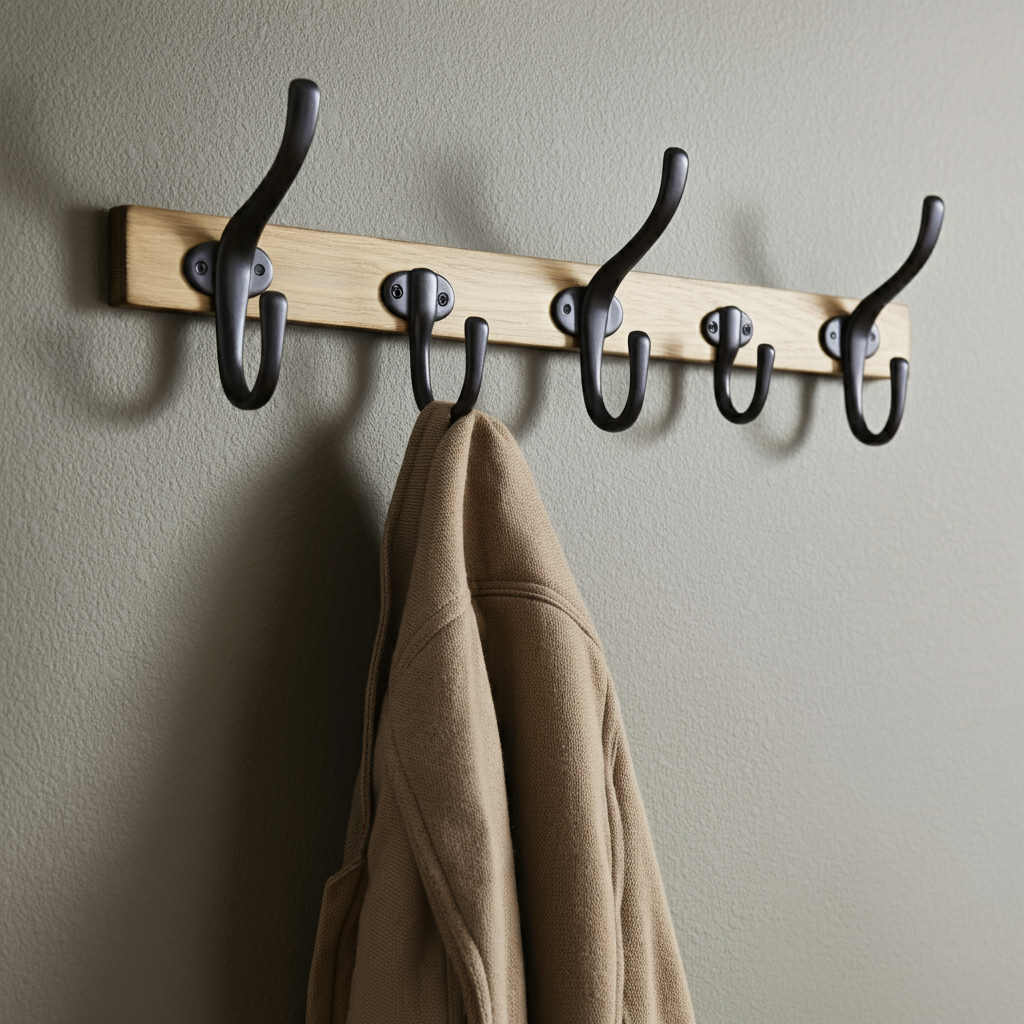
Avoid hanging items that exceed the rack’s weight limit. Spread weight evenly across the hooks to reduce pressure. Keep moisture away from the wall and rack to stop damage. Use gentle cleaning methods to protect the surface and hardware.
Credit: www.renovationservices.com
Frequently Asked Questions
How Do I Find Studs For Hanging A Heavy Coat Rack?
Use a stud finder to locate wooden studs behind drywall. Mark the stud positions with a pencil for accurate drilling. Hanging on studs ensures strong support for your heavy coat rack.
What Type Of Anchors Work Best For Drywall?
Heavy-duty toggle bolts or molly bolts work best for drywall. They provide strong support and prevent the rack from pulling out. Avoid using plastic anchors for heavy loads.
Can I Hang A Heavy Coat Rack Without Studs?
Yes, but use strong drywall anchors like toggle bolts. They distribute weight evenly and hold heavy racks securely. Avoid relying on regular screws or plastic anchors alone.
What Tools Do I Need To Hang A Heavy Coat Rack?
You need a stud finder, drill, level, screwdriver, tape measure, and appropriate anchors. These tools help you mount the coat rack safely and evenly on drywall.
Conclusion
Hanging a heavy coat rack on drywall takes care and the right tools. Find studs to hold the weight safely. Use strong anchors and screws made for heavy loads. Measure and mark spots before drilling. Take your time to avoid mistakes.
A sturdy rack keeps your coats neat and secure. Follow these steps to add function and style to your space. Simple actions lead to great results. Now, enjoy your organized and tidy room.
