Have you ever wondered how the console displays the routing table on your network device? Understanding this can unlock the secrets behind how your data finds its way across networks.
You’ll discover exactly how the console shows the routing table, what each part means, and why it matters for your network’s performance. By the end, you’ll feel confident reading and interpreting routing tables like a pro. Keep reading, because mastering this simple yet powerful tool can make a huge difference in managing your network effectively.
Credit: cloud.google.com
Routing Table Basics
The routing table is a key part of any network device. It helps the device decide where to send data. Understanding the basics of routing tables makes network management easier. This section explains the core ideas behind routing tables and their structure.
Purpose Of The Routing Table
The routing table guides data packets to their destination. It stores routes that show the best path for each packet. Without this table, devices cannot send information efficiently. The routing table improves speed and reduces errors in data delivery.
Key Components In Routing Entries
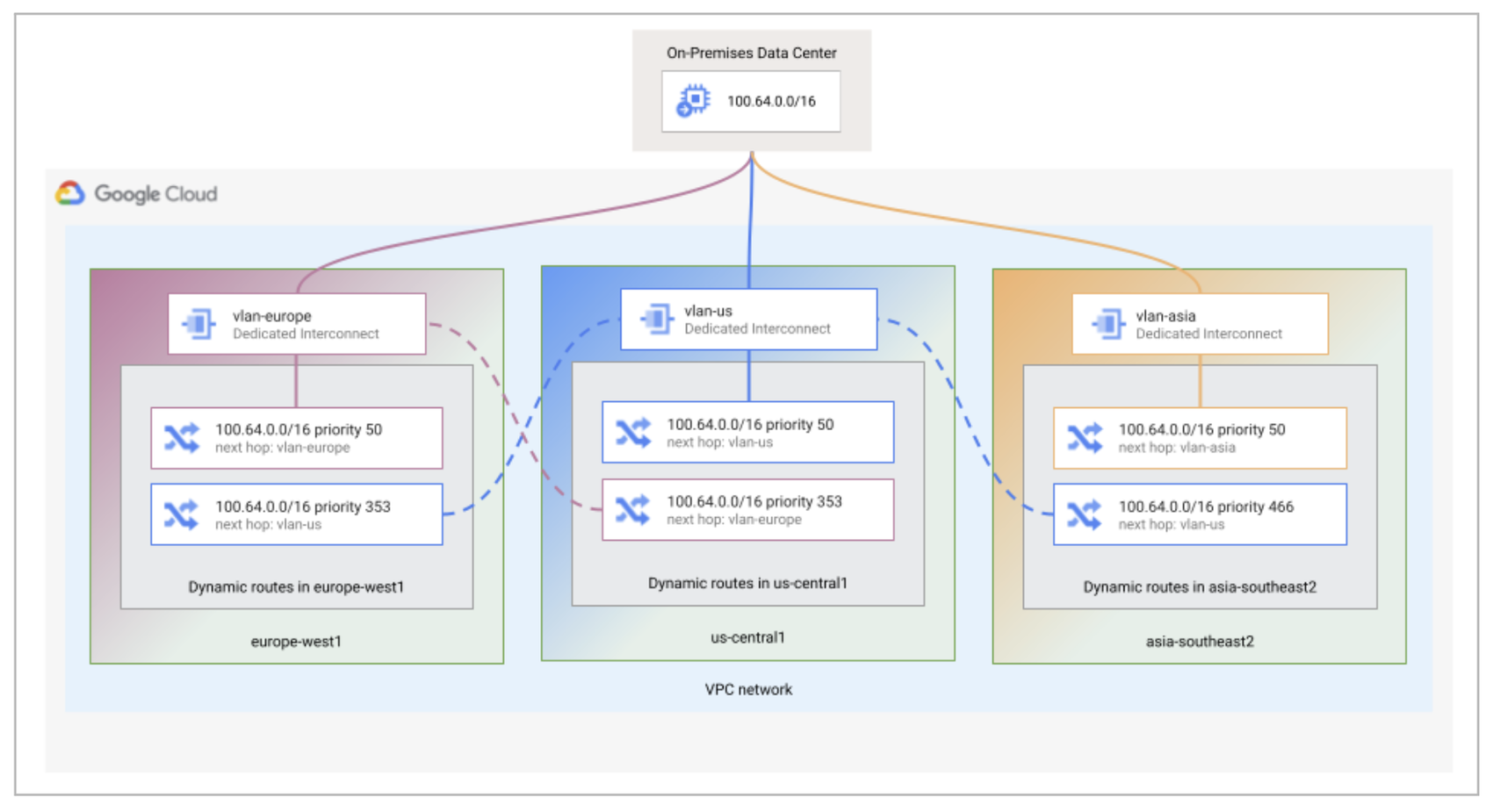
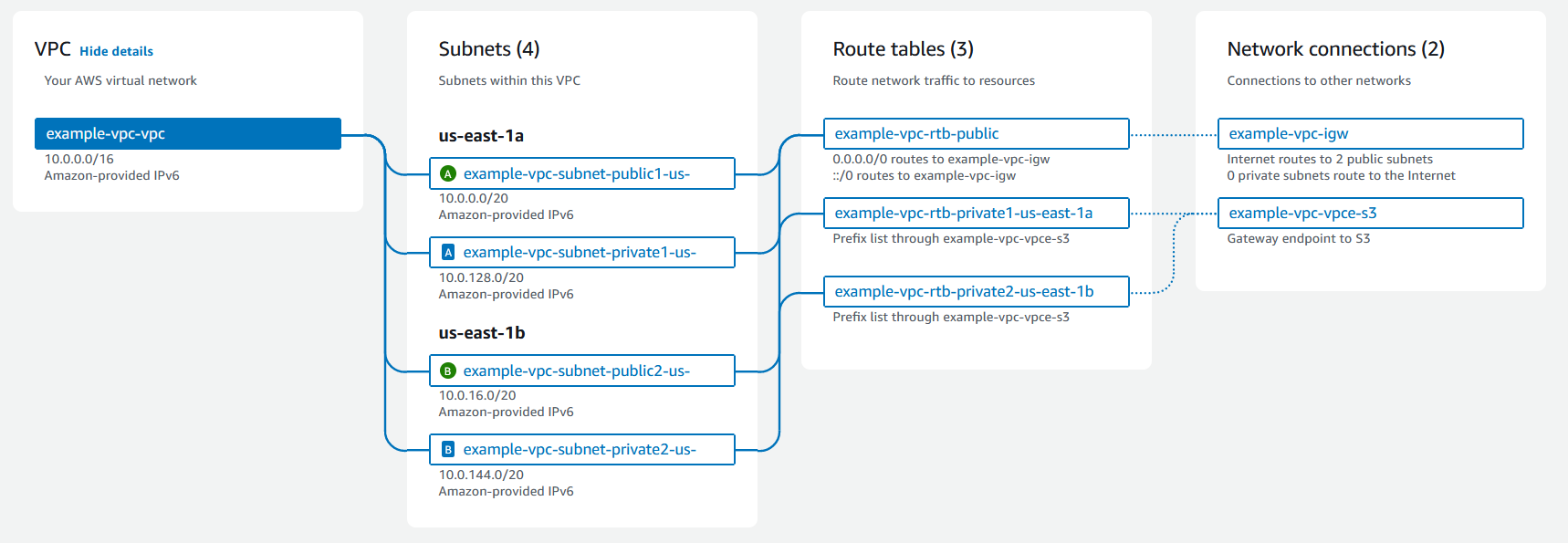
Each routing entry has several important parts. The destination address tells where the packet should go. The next hop indicates the next device on the path. The metric shows the cost or distance of the route. These parts help the device choose the best route.
Credit: docs.aws.amazon.com
Accessing The Console
Accessing the console is the first step to managing a router’s routing table. The console lets you interact directly with the device. It provides a command-line interface for configuration and troubleshooting. Understanding the types of consoles and how to connect is essential for network setup.
Console Types And Interfaces
Routers commonly have different console types. The most usual is the serial console port. This port uses a serial cable and allows direct communication. Some modern routers support USB console ports. USB consoles offer faster connections and easier setup. Virtual consoles through network protocols like SSH are also common. These remote consoles enable access without physical cables.
Connecting To The Console
To connect, use the correct cable for the console type. For serial ports, use a rollover cable and a serial-to-USB adapter if needed. USB console connections require a compatible USB cable. After connecting, open a terminal emulator program. Common programs include PuTTY or Tera Term. Set the terminal settings to match the device, usually 9600 baud rate, 8 data bits, no parity, and 1 stop bit. Press Enter to start the console session. You can now enter commands to view or modify the routing table.
Displaying The Routing Table
Displaying the routing table on a console is a key task in network management. It helps show all the paths a router knows to send data. This information is vital for troubleshooting and optimizing network traffic. The console provides a clear view of the routing table details.
Network administrators use specific commands to display the routing table. These commands reveal routes, metrics, and interfaces involved in data forwarding. Understanding how to read this output is essential for managing networks effectively.
Common Console Commands
Most routers use commands like show ip route or netstat -r to display routing tables. Cisco devices often use show ip route. Linux systems use route -n or ip route show. These commands list all known routes and their status.
Each command provides different details depending on the device type. Using the correct command ensures accurate and useful information. Regular checks help maintain network health and spot issues early.
Interpreting The Output
The routing table output lists destination networks, next hops, and route metrics. Destinations show where the data is sent. Next hop indicates the next device on the path. Metrics reveal route cost or priority.
Routes marked with “C” are directly connected networks. “S” indicates static routes set manually. “D” means routes learned through dynamic protocols like EIGRP or OSPF. Recognizing these codes helps understand how traffic flows.
Interfaces listed show which port data exits from. Admins use this data to verify correct routing and fix errors quickly. Clear interpretation aids in maintaining smooth network operations.

Credit: www.itwonderlab.com
Route Types And Flags
The routing table in a console shows different route types and flags. These help the system know where to send data. Understanding these types and flags makes network management easier. It also helps in troubleshooting network issues quickly.
Static Vs Dynamic Routes
Static routes are set manually by network admins. They do not change unless updated by the user. These routes are simple and reliable for small networks. They use less CPU power since no calculations are needed.
Dynamic routes update automatically based on network changes. Routers share information and adjust routes as needed. These routes are useful for large, complex networks. They help keep data flowing smoothly despite changes.
Common Route Flags Explained
Route flags give extra details about each route. The flag ‘U’ means the route is up and active. ‘G’ indicates the route uses a gateway to reach the destination. ‘H’ shows the route is to a host, not a network.
Flags like ‘D’ and ‘M’ mean the route was added or modified by a routing daemon. The ‘S’ flag marks a static route. These flags help users quickly understand route status and origin in the console.
Filtering And Sorting Routes
Managing routes in a routing table can get complex fast. Filtering and sorting routes helps you find the exact information you need. It makes the console easier to use and understand. You can focus on specific routes or organize them clearly.
This section explains how filters and sorting work in the console. You will learn simple ways to manage your routing table effectively.
Using Filters In The Console
Filters let you narrow down the routes shown in the console. You can type keywords or select specific criteria. This removes extra routes and shows only the important ones.
Common filters include IP addresses, protocols, or route status. Using filters saves time and reduces confusion. It helps you spot errors or check specific routes quickly.
Sorting Routes For Clarity
Sorting arranges routes in a clear order. You can sort by columns like destination, metric, or next hop. This puts similar routes together for easy comparison.
Sorting helps find the best route or see patterns. It also helps when troubleshooting network issues. A well-sorted table makes reading and managing routes simple.
Troubleshooting Routing Table Issues
Routing tables are crucial for directing network traffic correctly. Errors in these tables can cause slow connections or lost data. Troubleshooting these issues helps keep networks fast and reliable. This section explains how to find and fix common routing table problems.
Identifying Missing Routes
Missing routes stop data from reaching the right place. The console shows all current routes in the table. Check for any absent network paths that should be listed. Use commands like show ip route to display routes. Compare the output with your expected network layout. Spot gaps where routes should exist but do not. Missing routes often cause dropped connections or unreachable devices.
Resolving Route Conflicts
Route conflicts happen when two routes to the same destination appear. The console displays these conflicts clearly. Conflicting routes confuse the router on which path to use. Look for overlapping or duplicate entries in the routing table. Remove or update incorrect routes to clear conflicts. Always keep route priorities and metrics in mind. Fixing these conflicts ensures smooth and accurate data delivery.
Advanced Console Features
The console for the routing table offers powerful tools beyond basic route display. These advanced features help network admins manage routes efficiently. They simplify how routes appear and how data is saved for review. This section explores these key functions.
Customizing Routing Table Views
The console lets users change how routes appear. You can filter routes by type, status, or destination. This makes it easier to focus on specific routes. Color coding highlights active or problematic routes. Columns can be added or removed to show needed details only. Adjusting the view helps reduce clutter and speeds up troubleshooting.
Exporting And Logging Routes
Saving route information is simple with export tools. Routes can be exported in formats like CSV or TXT. This allows sharing or offline analysis. Automatic logging records route changes over time. Logs track when routes are added, updated, or deleted. These features support better tracking and reporting of network status.
Frequently Asked Questions
How Is The Console Displayed In The Routing Table?
The console appears as a local route entry in the routing table. It shows the direct connection to the router’s console interface. This helps network admins identify the console as a management access point. The console route usually has a specific identifier or interface label.
Why Is The Console Shown In The Routing Table?
The console is shown to indicate local router management access. It confirms the router’s console interface is reachable. This helps in troubleshooting and configuration tasks. Displaying the console ensures admins can differentiate between physical and virtual routes.
Can The Console Route Be Modified In The Routing Table?
No, the console route is fixed and cannot be altered. It represents a direct local connection to the router hardware. This route is automatically added and maintained by the system. Modifying it could disrupt console access and management.
What Information Does The Console Route Provide In Routing?
The console route provides the interface name and local IP details. It identifies the router’s management access point clearly. This helps admins quickly locate the console connection. It also shows route metrics like administrative distance and route source.
Conclusion
The console plays a key role in showing the routing table clearly. It helps network admins see all routes quickly. Each route entry shows how data moves through the network. Understanding this view improves network troubleshooting and setup. Watching the console output builds confidence in managing routers.
Practice by checking routing tables often on your devices. This simple step keeps your network running smoothly. Clear routing tables mean fewer connection problems. The console makes network paths easy to track and fix. Keep learning and exploring routing tables through the console.