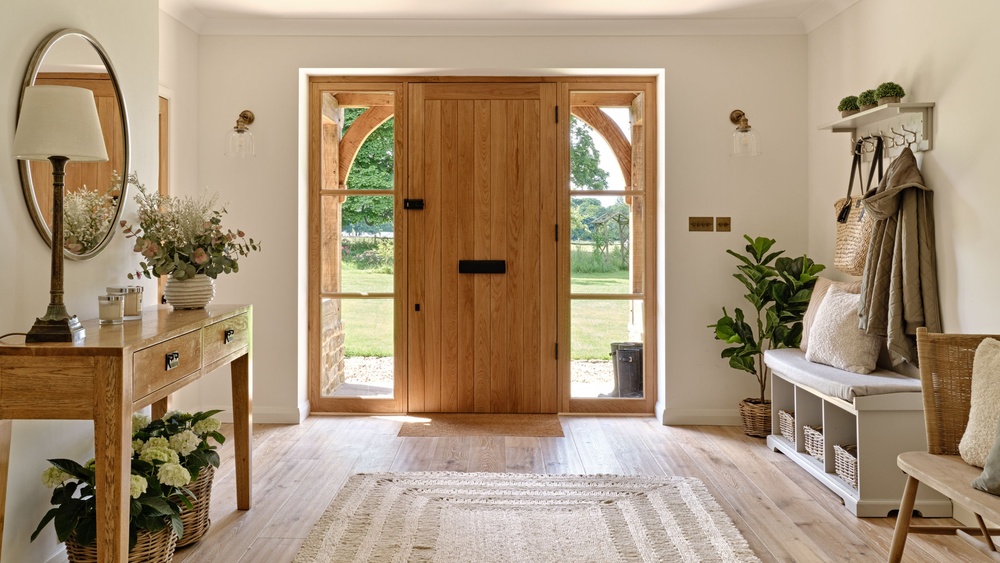
Are you wondering what the perfect height for a console table is? Whether you’re shopping for one or planning to build your own, knowing the average height can make all the difference.
The right height not only improves the look of your space but also boosts comfort and functionality. Keep reading, and you’ll discover exactly what height works best for your needs—and how to choose the ideal console table that fits your home perfectly.
Standard Console Table Heights
Console tables come in different heights to fit various spaces and uses. Knowing the standard height helps you pick the right table for your room. It also ensures the table looks balanced and feels comfortable to use.
Most console tables are designed to match the height of common furniture, like sofas or chairs. This makes them useful for placing items within easy reach. The height can affect how the table fits in your space and what you can put on it.
Common Height Ranges
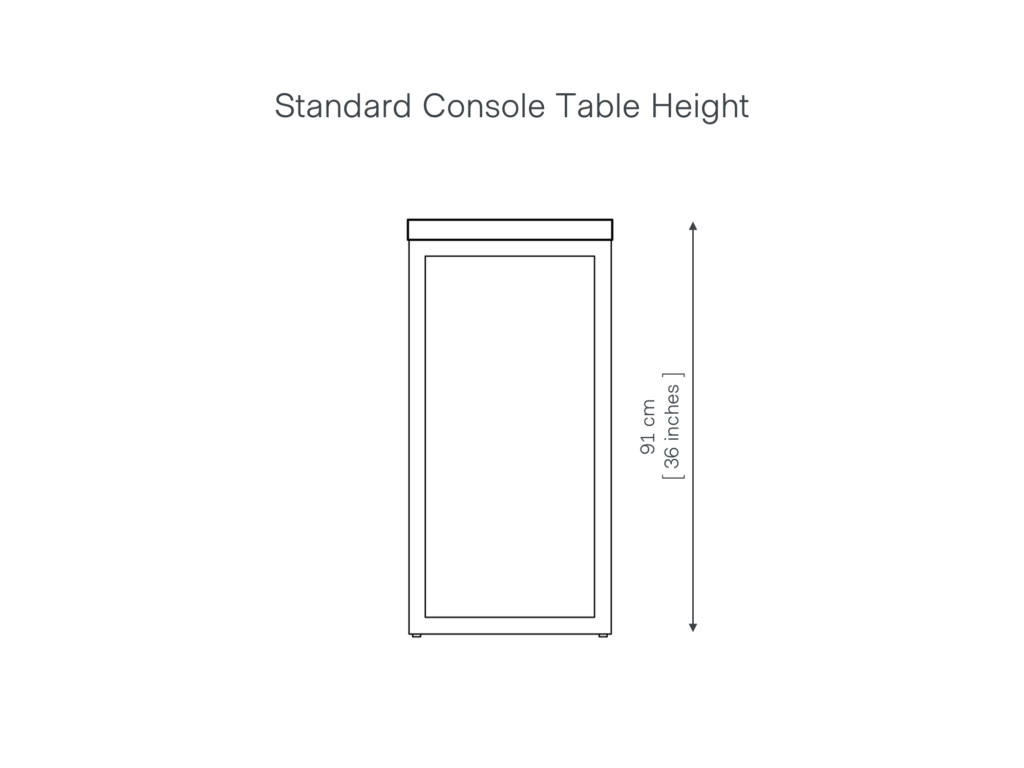
Standard console tables usually range from 28 to 36 inches tall. The most common height is about 30 to 32 inches. This size works well behind sofas or against walls. It allows you to place lamps, keys, or decorative items easily.
Some tables are shorter, around 28 inches, to fit under windows or low wall shelves. Taller console tables, near 36 inches, suit entryways or spaces where you need more surface height. Choosing the right height depends on your room and how you plan to use the table.
Factors Influencing Height
The height of a console table depends on its purpose and location. If placed behind a sofa, the table should be slightly lower than the sofa’s back. This keeps the view open and maintains balance.
Tables used in entryways often stand taller to hold items like mail or bags. Style also plays a role; modern designs might favor sleek, shorter tables. Older or traditional styles may be taller with more detailing.
Room size and ceiling height can affect the choice too. Low ceilings pair well with shorter tables. In large spaces, taller tables can add presence without crowding the room.
Credit: www.grainandframe.com
Choosing Height Based On Room Type
Choosing the right height for a console table depends on the room where it will stand. Each room has different needs and styles. The height affects both function and look. Picking the correct height helps the table fit well in the space. It also makes sure the table is easy to use.
Entryway Console Tables
Entryway tables are usually around 30 to 36 inches tall. This height matches the average door handle or light switch. It makes the table easy to use for keys and mail. A table that is too tall or too short feels awkward. Choose a height that fits the entry space and your needs.
Living Room Options
In the living room, console tables often stand 28 to 32 inches high. This matches the height of most sofas. It allows the table to hold lamps or decorations. The table should not block views or feel too large. Adjust the height based on nearby furniture and room size.
Dining Area Considerations
Console tables in dining areas tend to be 30 to 34 inches tall. This height works well for serving or displaying items. It is usually shorter than dining tables to avoid crowding. Pick a height that fits under a buffet or near chairs. Comfort and style both matter in this space.
Ergonomics And Functionality
Ergonomics and functionality play a key role in choosing the right height for a console table. A well-measured table makes daily use easier and more comfortable. It fits the space and meets practical needs without causing strain or inconvenience. The average height helps balance style with use, enhancing the room’s flow and comfort.
Comfort And Accessibility
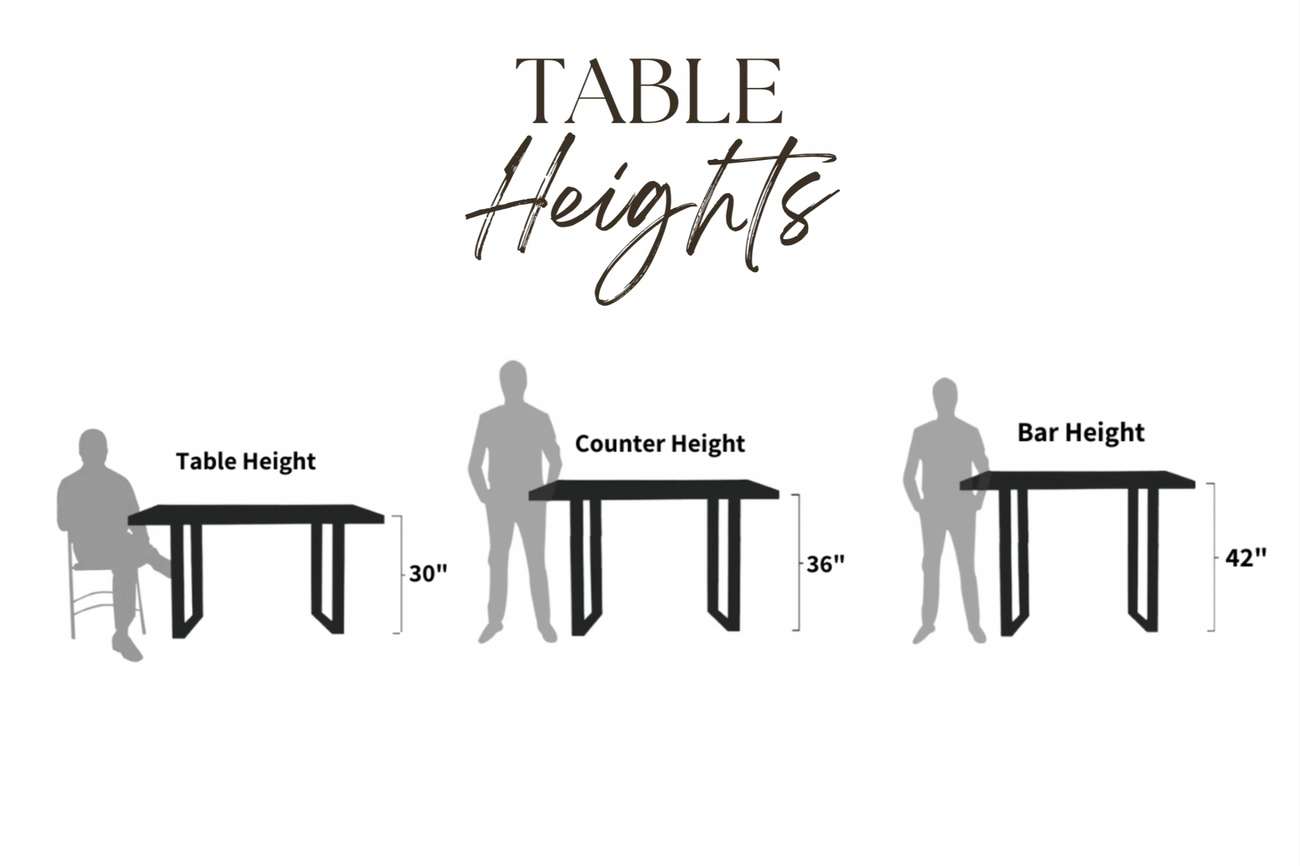
The height of a console table should allow easy reach without bending or stretching. Ideal tables stand between 28 and 36 inches tall. This range suits most people for placing items like keys or phones. Comfort improves when the table height matches the user’s natural hand level. Accessibility means quick access to essentials without awkward movements.
Placement And Usage
Console tables often sit in hallways, living rooms, or entryways. Their height affects how well they fit these spaces. A table too tall or too short can disrupt room balance. The right height supports diverse uses, such as holding lamps, decorations, or mail. Proper placement ensures the table complements furniture and walkways effectively.
Credit: kiar.com.br
Materials And Design Impact
The materials and design of a console table affect its height significantly. Different materials bring different strengths and styles. Wood, metal, glass, or a mix of these can change the table’s look and feel.
Design choices also impact the height. Sleek, modern designs often have thinner legs and may sit lower. Traditional or rustic styles may be taller and bulkier. Each style sets a different height standard.
Height Variations By Style
Console tables come in many styles, each with unique height ranges. A modern console table usually stands about 28 to 30 inches tall. Traditional tables tend to be taller, often 30 to 34 inches. Narrower designs may be shorter to fit tight spaces. Chunkier, decorative tables often sit higher to stand out in a room.
Custom Vs. Standard Sizes
Standard console tables usually range from 28 to 34 inches in height. Custom tables allow more flexibility. You can choose a height to match your room or other furniture. Custom sizes are ideal for odd spaces or special needs. Standard sizes fit most homes and are easier to replace. Custom options may cost more but offer perfect fit and style.
Tips For Measuring Console Table Height
Measuring the height of a console table helps you pick the right size for your space. A well-measured table fits perfectly and looks great. Use simple tools and clear steps to get the right height. This makes your room balanced and comfortable.
Measuring Techniques
Use a tape measure to find the table height. Measure from the floor to the table’s top surface. Keep the tape straight for an accurate number. Measure a few times to check for mistakes. Write down the height to remember it later.
Measure the space where you plan to place the table. Note the height of nearby objects. This helps avoid a table that is too tall or too short. Also, consider any items you want to put on the table. Make sure the height fits those items well.
Matching Furniture Heights
Check the height of other furniture near your console table. Try to keep heights close for a balanced look. For example, match the table height with sofa armrests or chairs. This creates a smooth flow in your room. Avoid big height differences that can look odd.
Think about the function of the table too. A console table behind a sofa needs a different height than one in a hallway. Match the table height to its purpose and surrounding furniture. This helps your room look neat and organized.

Credit: www.ikea.com
Frequently Asked Questions
What Is The Standard Height Of A Console Table?
The average height of a console table ranges between 28 to 32 inches. This height suits most home environments and aligns well with sofa or chair heights for easy access.
How To Choose The Right Console Table Height?
Select a console table height that complements nearby furniture. Typically, it should be slightly lower or equal to sofa arms for balanced aesthetics and comfort.
Why Does Console Table Height Matter?
Console table height impacts usability and room harmony. Proper height ensures functional use and enhances visual appeal in your living space.
Can Console Table Height Vary By Room Type?
Yes, console table height can differ by room function. For hallways, a narrower, taller table works; living rooms may need lower, wider tables.
Conclusion
Most console tables stand between 28 and 32 inches tall. This height suits most rooms and uses. It fits well behind sofas or along walls. Choosing the right height helps with comfort and style. Remember, measure your space before buying.
A well-sized console table adds function and beauty. Keep these points in mind for your next purchase.