Are you confused about whether to choose studio monitors or bookshelf speakers for your music or home setup? You’re not alone.
Both options look similar but serve very different purposes. Understanding the key differences can save you time, money, and frustration. You’ll discover what makes each speaker unique and which one fits your needs best. Keep reading to make the smartest choice for your sound experience.
Studio Monitors Basics
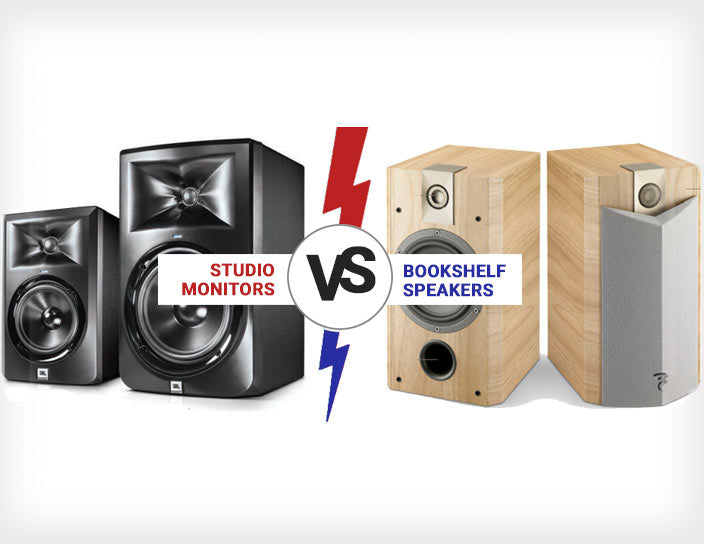
Studio monitors are special speakers made for music production and sound editing. They help musicians, producers, and engineers hear every detail in the sound. Unlike regular speakers, studio monitors focus on delivering clear and true audio. This makes them important tools in studios.
Understanding the basics of studio monitors helps you know why they differ from bookshelf speakers. Let’s explore their purpose, design, sound accuracy, and common features.
Purpose And Design
Studio monitors are built to provide an honest sound. They do not add extra bass or treble. Their design aims at flat frequency response, meaning sound plays as it was recorded. This helps users detect mistakes or changes in music easily.
They usually have a more solid build than bookshelf speakers. Studio monitors often include separate drivers for different sound ranges. This helps keep the sound clear and balanced at all volumes.
Sound Accuracy
Sound accuracy is the main goal of studio monitors. They reproduce audio without color or distortion. This means the sound you hear is very close to the original recording. Accuracy helps in mixing and mastering music correctly.
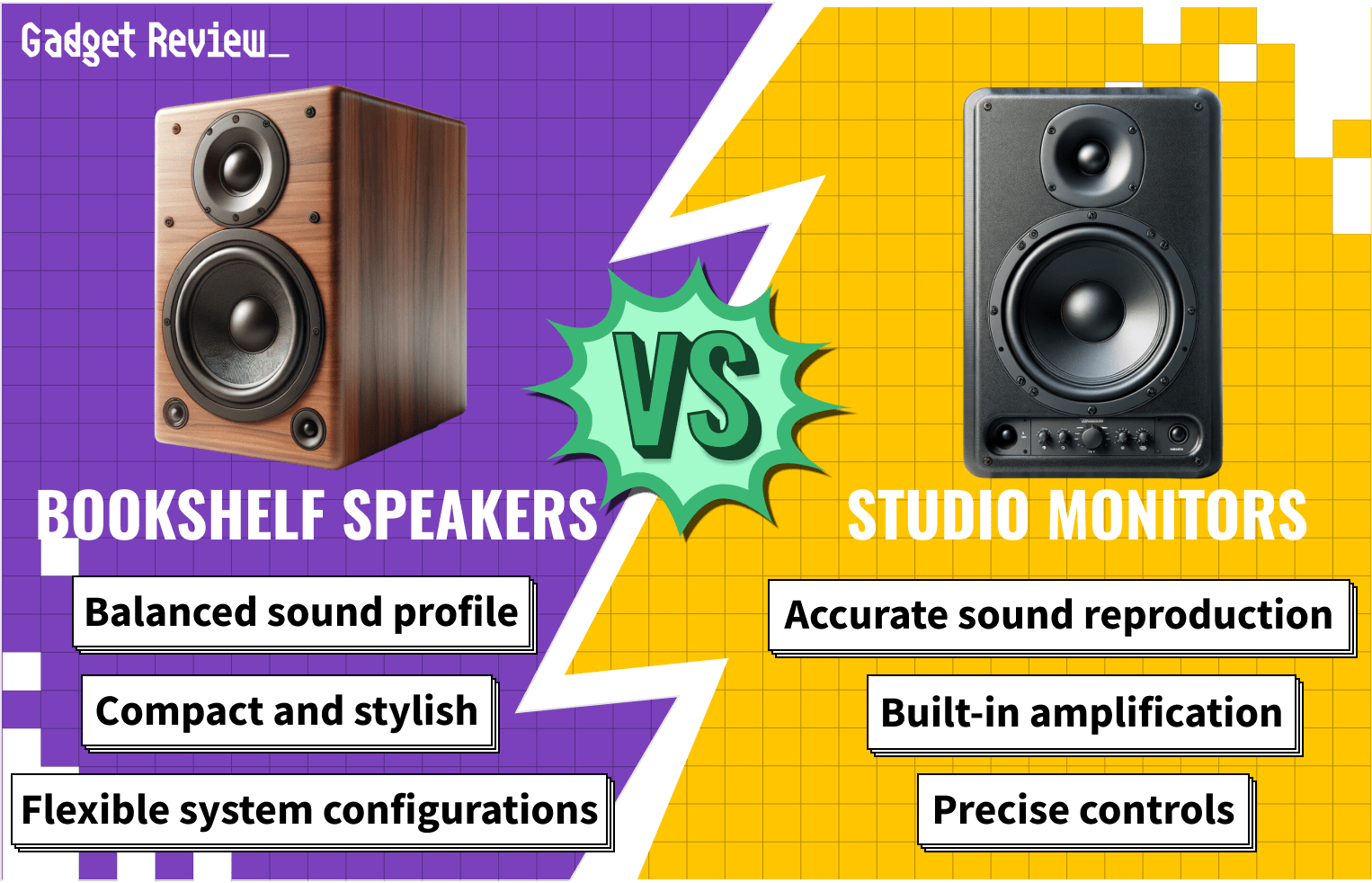
Bookshelf speakers focus more on pleasing sound for casual listening. Studio monitors focus on truth, not entertainment. This difference makes studio monitors essential for professional work.
Common Features
Most studio monitors have built-in amplifiers. This allows them to work directly with audio equipment. They also include controls for adjusting volume and sometimes tone. Many models have balanced inputs to reduce noise and interference.
They come in various sizes, but many are compact for desktop use. The cabinets are designed to reduce vibrations and unwanted sound. These features help keep the audio clean and accurate.
Credit: www.ooberpad.com
Bookshelf Speakers Basics
Bookshelf speakers are popular for many music and home audio setups. They fit well in small to medium rooms. These speakers offer good sound without taking much space. Understanding their basics helps you choose the right speakers for your needs.
Intended Use
Bookshelf speakers mainly serve home listening. They work well for casual music, movies, and games. These speakers are not designed for professional audio work. People use them in living rooms, bedrooms, and offices. Their size makes them easy to place on shelves or desks.
Sound Characteristics
Bookshelf speakers deliver clear and balanced sound. They focus on midrange and high frequencies. Bass may be less powerful than larger speakers. Some models include a small woofer for better lows. They give a warm and pleasant listening experience. These speakers suit most music genres well.
Design And Size
Bookshelf speakers are compact and lightweight. They usually stand between 10 to 15 inches tall. Their small size allows flexible placement options. Designs vary from simple to stylish wood finishes. Most have two or three drivers inside. Their shape helps fit them into tight spaces.
Sound Quality Comparison
Sound quality plays a big role in choosing between studio monitors and bookshelf speakers. Both types deliver audio differently. Understanding their sound traits helps you pick the right one.
Frequency Response
Studio monitors have a flat frequency response. They show sound exactly as it is. This helps in mixing and editing music.
Bookshelf speakers often boost bass and treble. This makes music sound lively and fun. They focus on enjoyment, not accuracy.
Clarity And Detail
Studio monitors reveal every small sound detail. You can hear subtle notes and effects clearly. This is key for music producers.
Bookshelf speakers offer good clarity for casual listening. They soften some details to make sound smooth. This suits everyday music and movies.
Bass Performance
Studio monitors produce tight and precise bass. The low sounds are clear, not overpowering. This helps in checking bass levels correctly.
Bookshelf speakers usually have stronger bass. They create a fuller and richer low end. This adds excitement to music and films.
Credit: www.gadgetreview.com
Build And Materials
The build and materials of studio monitors and bookshelf speakers affect sound quality and durability. Each type uses specific designs and parts to meet different needs. Understanding these differences helps choose the right speaker for your space and purpose.
Cabinet Construction
Studio monitors have strong, dense cabinets to reduce vibrations. This prevents sound distortion and keeps audio clear. Bookshelf speakers often use lighter materials to save weight. Their cabinets focus on style and room fit. The shape and thickness of the cabinet change how sound waves move.
Driver Types
Studio monitors use high-quality drivers to produce accurate sound. They often include separate drivers for lows, mids, and highs. Bookshelf speakers may have fewer drivers or combine them. This affects how well they handle different sound frequencies. Studio monitors aim for flat, true sound. Bookshelf speakers sometimes boost bass or treble for fun listening.
Connectivity Options
Studio monitors usually have balanced inputs like XLR or TRS. These connections reduce noise and are common in audio equipment. Bookshelf speakers often use simple speaker wire terminals. Some models include Bluetooth or RCA inputs for easy home use. The connectivity reflects the speaker’s main use and environment.
Usage Scenarios
Choosing between studio monitors and bookshelf speakers depends on where and how you use them. Each speaker type fits better in certain situations. Understanding these use cases helps you pick the right option. Here’s a look at their common usage scenarios.
Home Listening
Bookshelf speakers suit home listening well. They offer warm, pleasant sound for casual music enjoyment. These speakers fill rooms with rich audio without needing extra gear. Their compact size fits easily on shelves or desks. Perfect for relaxing or background music.
Music Production
Studio monitors are best for music production. They deliver accurate, clear sound to catch every detail. Producers need this precision to mix and edit tracks properly. Studio monitors show true sound without coloring or boosting frequencies. Essential for professional or home studios.
Movie And Gaming
Bookshelf speakers enhance movie and gaming experiences. They create immersive sound with good bass and clear dialogue. These speakers add depth to action scenes and game audio. Easy to set up in living rooms or gaming areas. Great for entertainment without complex equipment.
Price And Value
Price and value are important factors when choosing between studio monitors and bookshelf speakers. Both types serve different needs and budgets. Understanding their cost and benefits helps make a better choice.
Cost Range
Studio monitors usually cost more than bookshelf speakers. Entry-level monitors start around $150 per pair. Professional models can go up to $1000 or more. Bookshelf speakers often range from $50 to $500. The price varies based on brand, size, and features.
Investment Benefits
Studio monitors offer precise sound for mixing and editing music. This accuracy helps create better audio projects. Bookshelf speakers focus on pleasant sound for casual listening. They provide good quality without high expense. Choosing depends on your main use and budget.
Longevity
Studio monitors are built for long hours and frequent use. They often last many years with proper care. Bookshelf speakers can also last long but may wear faster with heavy use. Quality and maintenance affect the lifespan of both types.
Choosing The Right Speaker
Picking the right speaker is important for good sound. Different speakers serve different purposes. Studio monitors give clear and true sound. Bookshelf speakers offer rich sound for music and movies. Knowing your needs helps you decide which one fits best.
Assessing Your Needs
Think about what you use the speakers for. Studio monitors are best for mixing and editing music. They show every detail in sound. Bookshelf speakers are good for casual listening and home use. Choose based on your main purpose and listening style.
Room Size And Acoustics
Room size affects how sound travels. Studio monitors work well in small to medium rooms. They need some space to show clear sound. Bookshelf speakers fill bigger rooms with warmer sound. Check your room’s shape and furniture before deciding.
Budget Considerations
Speakers come in many price ranges. Studio monitors can be more expensive but offer precise sound. Bookshelf speakers are often cheaper and still sound good. Set a budget and find the best speaker you can afford within it.

Credit: www.ooberpad.com
Frequently Asked Questions
What Are Studio Monitors Used For?
Studio monitors provide accurate sound reproduction. They are used in music production and mixing to hear true audio details without coloration.
How Do Bookshelf Speakers Differ From Studio Monitors?
Bookshelf speakers focus on pleasing sound for casual listening. Studio monitors deliver flat, uncolored sound for critical audio work.
Can I Use Bookshelf Speakers For Music Production?
Bookshelf speakers are not ideal for production. They color sound and lack the accuracy needed for mixing and mastering.
Are Studio Monitors Suitable For Home Use?
Yes, studio monitors can be used at home. However, they may sound less warm compared to consumer speakers.
Conclusion
Studio monitors focus on accurate sound for mixing and editing. Bookshelf speakers offer richer sound for everyday listening. Both have their strengths depending on your needs. Choose studio monitors for clear, flat audio. Pick bookshelf speakers for warm, full sound.
Understanding these differences helps you pick the right one. Your choice affects how you hear music and sound. Think about your space and purpose before buying. This way, you get the best sound experience possible.