Are you looking for an easy way to organize your books without spending a lot of money or space? Building a simple small bookshelf might be exactly what you need.
Imagine having a neat, stylish spot for your favorite reads right in your room, made by your own hands. This guide will walk you through each step, using clear instructions and basic tools. By the end, you’ll have a beautiful bookshelf that fits perfectly into your space and style.
Ready to get started? Let’s dive in!
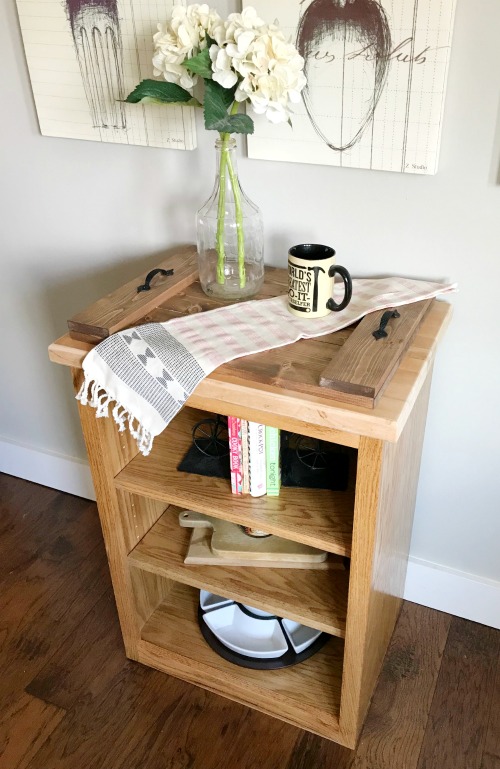
Credit: www.woodshopdiaries.com
Materials Needed
Building a small bookshelf is a fun and useful project. Gathering the right materials is the first step. Having all parts ready saves time and avoids interruptions. This section lists what you need to start.
Wood Selection
Choose wood that is strong and easy to work with. Pine and plywood are good choices for beginners. Pine is soft and cuts well. Plywood is stable and holds screws tightly. Pick wood pieces that are smooth and free of cracks. The size depends on your shelf design.
Tools Required
Basic tools make the job easier. A saw will help you cut wood to size. Use a drill to make holes for screws. A screwdriver or power drill with a driver bit is needed. Sandpaper smooths rough edges and surfaces. A tape measure ensures accurate cuts. A pencil marks wood before cutting.
Additional Supplies
Screws hold the bookshelf parts together. Wood glue adds strength to joints. Paint or wood stain finishes the shelf and protects it. Brushes or rags apply the finish evenly. Safety gear like gloves and goggles keeps you safe while working. Clamps help hold pieces steady while glue dries.
Planning Your Bookshelf
Planning your bookshelf is the first step to a successful build. It helps save time and avoids mistakes. Good planning makes sure your bookshelf fits the space and holds your books well.
Choosing Dimensions
Start by measuring the space where the bookshelf will go. Think about the height, width, and depth. Choose sizes that fit the room and your needs. A small bookshelf usually stands between 3 to 5 feet tall. Depth can be around 10 to 12 inches, enough for most books.
Design Considerations
Decide on the style of your bookshelf. Simple designs are easier to build and look neat. Think about how many shelves you want. Will the shelves hold only books, or also decorations? Leave space between shelves for tall books. Strong materials keep the shelf steady and safe.
Sketching The Layout
Draw your bookshelf on paper before building. Sketch the front view and side view. Mark the dimensions clearly. Plan the number of shelves and their spacing. This guide helps during cutting and assembling. A clear sketch reduces errors and speeds up work.
Cutting The Wood
Cutting the wood is the first big step in making your small bookshelf. It shapes the parts you will put together later. Take your time and be accurate. Proper cuts mean your bookshelf will fit well and look neat.
Measuring And Marking
Start by measuring the wood pieces carefully. Use a tape measure to get exact lengths. Mark the cutting lines with a pencil. Draw straight lines for clean cuts. Double-check measurements before cutting. Mark all pieces clearly to avoid confusion.
Safe Cutting Techniques
Wear safety glasses to protect your eyes. Use a stable surface for cutting. Hold the wood firmly but not too tight. Cut slowly along the marked lines. Use a saw that fits the wood thickness. Keep fingers away from the blade. Take breaks to avoid mistakes and stay focused.

Credit: www.youtube.com
Assembling The Frame
Assembling the frame is the key step in building a simple small bookshelf. It creates the basic shape and holds all parts together. A strong frame keeps the bookshelf steady and ready for shelves.
Joining The Sides
Start by standing two side panels upright. Align them so the edges match perfectly. Use wood glue along the edges for a tight bond. Then, secure the sides with screws or nails. Check that the sides form a square angle. This ensures the bookshelf stays balanced and straight.
Attaching The Shelves
Next, position the shelves inside the frame. Space them evenly according to your needs. Apply wood glue on the shelf edges for extra hold. Drive screws through the sides into each shelf. Make sure the shelves sit flat and level. This step completes the strong frame and support for your books.
Finishing Touches
Finishing touches make your small bookshelf look neat and last longer. These steps protect the wood and improve its appearance. Take your time to complete these final details for the best results.
Sanding The Surfaces
Start by sanding all the wooden surfaces. Use fine-grit sandpaper for a smooth finish. Sanding removes rough spots and splinters. It helps paint or stain stick better. Wipe off dust with a clean cloth after sanding.
Painting Or Staining
Choose paint or stain to match your room’s style. Paint gives a bright, solid color. Stain shows the natural wood grain. Apply evenly with a brush or cloth. Let each coat dry before adding another.
Adding Protective Coating
Apply a clear protective coat to seal the wood. Use varnish, polyurethane, or lacquer. This layer guards against scratches and moisture. It also keeps colors fresh for years. Apply thin coats and allow drying time between them.
Tips For Stability
Building a small bookshelf is fun, but making it stable is very important. A stable bookshelf holds books safely and lasts longer. You need to focus on key points that keep the shelf strong and steady. Below are simple tips to improve your bookshelf’s stability.
Securing To The Wall
Attach the bookshelf to the wall for extra support. Use wall anchors or brackets for secure fixing. This stops the shelf from tipping over. Find studs behind the wall for the best hold. Use a level to keep the shelf straight. Wall mounting is a simple way to improve safety.
Reinforcing Joints
Strong joints keep your bookshelf firm. Use wood glue on all connecting parts before screwing them. Add corner braces inside the shelf for more strength. Tighten screws regularly to avoid loosening. Reinforced joints prevent wobbling and keep the shelf solid over time.
Common Mistakes To Avoid
Building a small bookshelf is simple, but mistakes can cause problems. Avoiding common errors helps save time and effort. This guide highlights key mistakes to watch out for.
Incorrect Measurements
Measure twice, cut once. Wrong measurements lead to shelves that don’t fit. Use a tape measure carefully. Mark all cuts clearly on the wood. Check the size of books to be stored.
Poor Wood Selection
Choose wood that is strong and smooth. Avoid soft or warped wood. Weak wood may bend or break under weight. Sand rough wood to prevent splinters.
Ignoring Weight Capacity
Think about how much weight the shelf will hold. Thin shelves can sag with heavy books. Use thicker wood or add supports for strength. Even small shelves need good balance.
Skipping Pre-drilling Holes
Drill pilot holes before screwing. This prevents wood from splitting. Screws can crack wood without pilot holes. Pre-drilling makes assembly easier and neater.
Not Leveling The Shelf
Check that the shelf is level during assembly. Uneven shelves cause books to slide or fall. Use a level tool for accuracy. Adjust as needed before securing parts.

Credit: www.youtube.com
Frequently Asked Questions
How Do I Start Building A Small Bookshelf?
Begin by selecting the right wood and tools. Measure and cut pieces accurately. Assemble shelves with screws or nails for stability.
What Materials Are Best For A Simple Bookshelf?
Use plywood or pine wood for durability and ease. Choose screws, wood glue, and sandpaper for assembly and finishing.
How Can I Ensure My Bookshelf Is Sturdy?
Use strong joints like screws and wood glue. Sand edges smooth and add brackets if needed for extra support.
What Finishing Options Suit A Small Bookshelf?
Apply paint, stain, or varnish for protection and style. Choose finishes that match your room decor and wood type.
Conclusion
Building a small bookshelf is easier than it seems. You only need a few tools and some wood. Follow simple steps to create your own shelf. This project saves money and adds charm to any room. Plus, it gives you a chance to try something new.
A handmade bookshelf holds more than books—it holds pride. Start small, work carefully, and enjoy the process. Soon, your space will look neat and organized. Give it a try today!