Are you ready to add a stylish, space-saving touch to your room with a floating bookshelf? Before you start, it’s important to have the right tools at your fingertips.
Using the right equipment makes the whole process easier, faster, and more satisfying. You’ll discover exactly what tools you need to build a sturdy and beautiful floating bookshelf that will impress everyone. Keep reading, and you’ll be one step closer to creating your own eye-catching storage solution.

Credit: www.amazon.com
Basic Tools
Building a floating bookshelf starts with having the right basic tools. These tools help you measure, mark, and secure the shelf properly. Using the correct tools makes your work easier and ensures a strong, level installation. Below are the essential tools you need to begin.
Measuring Tape
A measuring tape helps you get exact lengths. Measure the wall space where the shelf will go. Also, measure the shelf itself to fit perfectly. Accurate measurement prevents mistakes and wasted materials.
Level
A level tool keeps your shelf straight. Hang the shelf crooked, and books may slide off. Use the level to check the shelf’s alignment before fixing it. This tool ensures a clean, professional look.
Pencil
Marking spots on the wall is simple with a pencil. Mark where the screws or brackets will go. Light pencil marks guide your drilling without damaging the wall. Easy to erase, too.
Stud Finder
A stud finder locates wall studs behind drywall. Anchoring your shelf to studs gives it strong support. Avoid hanging heavy shelves on drywall alone. The stud finder ensures safe, stable installation.
Cutting Tools
Cutting tools are essential for building a floating bookshelf. They help shape wood pieces to the right size. Choosing the right tool makes your work easier and more accurate. Here are some common cutting tools used for this project.
Hand Saw
A hand saw is simple and easy to use. It works well for small cuts and detailed work. You control the speed and direction by hand. It does not need electricity, so you can work anywhere. Perfect for beginners and light tasks.
Circular Saw
A circular saw is a power tool that cuts fast and straight. It is great for long, straight cuts on large boards. It saves time compared to hand sawing. You need to be careful and wear safety gear. Ideal for bigger projects and thicker wood.
Jigsaw
A jigsaw cuts curves and shapes with ease. It has a small, moving blade that goes up and down. You can make complex cuts that other saws cannot do. It works well for creative designs on your bookshelf. Use it for detailed or curved cuts.
Drilling Tools
Drilling tools are essential for building a floating bookshelf. They help create precise holes for screws and anchors. These tools ensure your shelf holds firmly on the wall. Choosing the right drilling tools makes the process easier and safer.
Power Drill
A power drill is the main tool for drilling holes quickly. It saves time and effort compared to manual drills. Look for a drill with variable speed control for better accuracy. A cordless drill offers freedom to move around without wires. It should be comfortable to hold and not too heavy.
Drill Bits
Drill bits come in various sizes and types. Choose bits that match the screw size and wall material. For wood, use wood drill bits with sharp points. For concrete or brick, use masonry bits with a strong tip. Always use sharp bits for clean holes and less damage.
Countersink Bit
A countersink bit helps create a small hole for screw heads. This makes the screw sit flush or below the surface. It improves the shelf’s look and prevents wood from splitting. Using a countersink bit is important for a neat, professional finish.

Credit: www.uglyducklinghouse.com
Fastening Tools
Fastening tools are essential for building a floating bookshelf. They keep the shelf secure and stable on your wall. Choosing the right tools makes the project easier and safer. These tools help hold the wood pieces together firmly.
Screwdriver
A screwdriver is needed to drive screws into wood and wall anchors. You can use a manual or electric screwdriver. An electric one saves time and effort. Choose the right size of the screwdriver head for your screws. It helps prevent slipping and damage to the screw.
Screws And Anchors
Screws hold the shelf to the wall strongly. Use screws that match the weight of your shelf and books. Wall anchors add extra support for drywall or plaster walls. They stop screws from pulling out under heavy weight. Pick anchors suitable for your wall type.
Wood Glue
Wood glue strengthens joints between wood pieces. It adds extra hold alongside screws. Apply glue on edges before screwing parts together. Wait for the glue to dry fully for best strength. Wood glue helps your floating bookshelf last longer.
Safety Gear
Safety gear is essential when building a floating bookshelf. It protects you from dust, debris, and loud noises. Using the right safety equipment helps prevent injuries and keeps the project smooth.
Always wear safety gear before starting your work. It makes the process safer and more comfortable.
Safety Glasses
Safety glasses shield your eyes from flying wood chips and dust. They prevent particles from causing eye injuries. Choose glasses with a snug fit to keep debris out. Clear lenses work best for indoor projects.
Dust Mask
A dust mask protects your lungs from sawdust and tiny particles. Breathing in dust can cause coughing and irritation. Use a mask with good filtration for better protection. Change masks often to keep them effective.
Ear Protection
Power tools can be very loud and damage your hearing. Ear protection reduces noise and prevents ear pain. Use earplugs or earmuffs that fit well and feel comfortable. Protecting your ears helps you work longer safely.
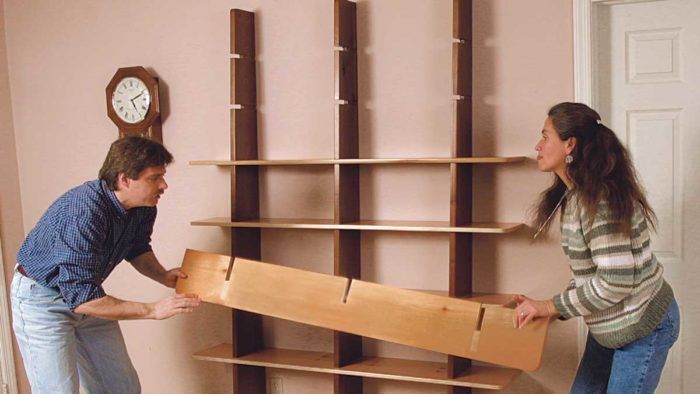
Credit: www.finewoodworking.com
Finishing Tools
Finishing tools are essential for a polished floating bookshelf. They help smooth the wood and protect it from damage. Choosing the right finishing tools gives your shelf a clean, professional look.
Sandpaper
Sandpaper removes rough spots and splinters from the wood. Use a medium grit first, then a finer grit for a smooth finish. Sanding prepares the surface for paint or stain. It helps the finish stick better and last longer.
Paintbrushes
Paintbrushes apply paint or stain evenly. Choose brushes with soft, fine bristles for a smooth coat. Use different sizes for large surfaces and tight corners. Clean brushes well after use for future projects.
Wood Stain Or Paint
Wood stain changes the color but keeps the wood grain visible. Paint covers the wood completely with solid color. Both protect wood from moisture and wear. Pick a finish that matches your room’s style and your wood type.
Frequently Asked Questions
What Basic Tools Are Required For A Floating Bookshelf?
You need a drill, level, measuring tape, stud finder, screwdriver, and screws. These tools ensure accurate installation and strong support.
Do I Need Special Brackets For Floating Shelves?
Yes, special floating shelf brackets are essential. They hide mounting hardware and securely support the shelf’s weight.
Can I Build A Floating Bookshelf Without A Stud Finder?
It’s possible but not recommended. Stud finders locate studs to anchor shelves safely and prevent damage.
What Type Of Drill Bit Is Best For Floating Shelves?
Use a masonry or wood drill bit, depending on your wall type. It ensures clean, precise holes for mounting.
Conclusion
Building a floating bookshelf needs a few simple tools. A drill, level, measuring tape, screws, and brackets work best. These tools help you make strong, neat shelves. Take your time to measure and install carefully. With the right tools, the project feels easier and more fun.
Enjoy your new shelf and the books it holds!