Have you ever wished your small bookshelf could hide clutter or look tidier with just a simple change? Adding a door to your bookshelf is a smart and stylish way to do that.
It’s easier than you think, and you don’t need to be a woodworking expert. Imagine turning your open shelves into a neat, closed storage space that fits perfectly with your room’s style. Keep reading, and you’ll discover step-by-step how to add a door that makes your bookshelf look better and keeps your space organized.
Choosing The Right Door Style
Choosing the right door style for a small bookshelf is important. The door affects the look and function of the shelf. It can also save space or make the shelf easier to use. Consider how you want the door to open and the style that fits your room.
Sliding Doors Vs Hinged Doors
Sliding doors move side to side. They save space because they do not swing out. Sliding doors work well in small rooms or tight spaces. Hinged doors open outward on a hinge. They offer full access to the shelf. Hinged doors need enough space to open fully. Choose sliding doors for compact areas. Choose hinged doors for easy access and a classic look.
Material Options For Doors
Wood is a popular choice for bookshelf doors. It looks warm and natural. Wood can be painted or stained to match your room. Glass doors show the books inside and protect them from dust. Frosted or tinted glass adds privacy while keeping light in. Metal doors add a modern touch and are very strong. Consider the material’s weight and how it fits your shelf.
Matching Door Style To Bookshelf Design
Match the door style with your bookshelf’s design. Simple doors go well with modern or minimalist shelves. Decorative doors suit traditional or vintage bookshelves. Use the same color or finish to create a unified look. Contrasting colors can make the door stand out as a feature. Think about the room’s style to keep the look balanced and neat.
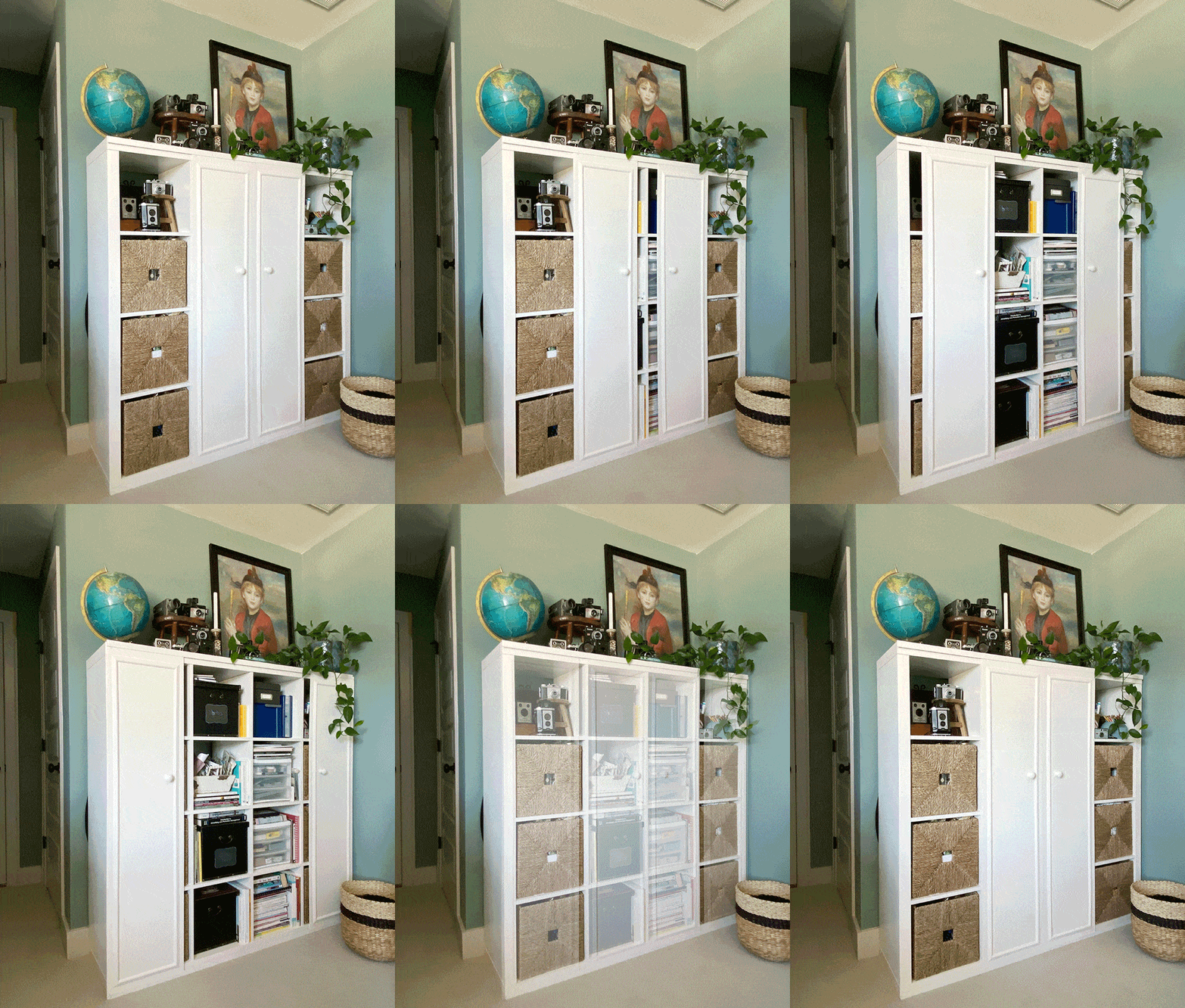
Credit: deeplysouthernhome.com
Measuring Your Bookshelf
Measuring your bookshelf is the first step to adding a door that fits perfectly. Accurate measurements ensure the door will open and close smoothly. Taking the time to measure carefully saves effort and materials later.
Focus on key dimensions like height, width, and depth. These numbers guide your door’s size and placement. Pay attention to spaces around the shelf for clearance and hinges.
Getting Accurate Dimensions
Use a tape measure for precise length and width. Measure the bookshelf’s height from bottom to top. Check the width from one side to the other. Take measurements twice to confirm accuracy. Write down all numbers clearly to avoid mistakes.
Accounting For Door Clearance
Leave extra space for door movement. A small gap prevents the door from rubbing against the frame. Add about 1/8 inch on each side for clearance. Also, check space for hinges and handles. Measure the depth to ensure the door won’t hit anything when opened.
Tools Needed For Measurement
Gather a tape measure, pencil, and paper. Use a level to check for straight edges. A ruler helps with smaller, detailed measurements. Have a step stool if your bookshelf is tall. These tools make measuring easier and more accurate.
Gathering Materials And Tools
Preparing the bookshelf is the first step to adding a door. It ensures the door fits well and works smoothly. Taking time now will save trouble later. Each part of the shelf needs attention before the door goes on.
Cleaning And Sanding Surfaces
Start by removing dust and dirt from the bookshelf. Use a soft cloth or brush for cleaning. Clean surfaces help paint or glue stick better. Sand the areas where the door will attach. Sanding smooths rough spots and removes old paint. Use fine-grit sandpaper for a gentle finish. Wipe the dust off after sanding.
Reinforcing Shelf Structure
Check if the shelf feels sturdy. Doors add weight and need strong support. Add extra screws or brackets if needed. Reinforce weak corners or joints. Use wood glue for stronger bonds. Let glue dry fully before moving on. A solid frame keeps the door aligned.
Marking Door Placement
Decide where the door will go on the bookshelf. Use a pencil to mark the edges clearly. Measure twice to avoid mistakes. Mark spots for hinges and handles. These marks guide your drilling and fixing. Clear markings speed up the door installation.

Credit: www.youtube.com
Preparing The Bookshelf
Cutting and assembling the door is the key step in adding a door to a small bookshelf. This process shapes the door panels, attaches the hardware, and finishes with handles. Proper cutting and assembly ensure the door fits well and works smoothly. Follow simple steps to create a neat and functional door.
Cutting Door Panels To Size
Start by measuring the bookshelf opening carefully. Subtract a small gap on all sides for easy door movement. Use a saw to cut the door panels from wood or plywood. Cut slowly and steadily for clean edges. Sand the edges to remove rough spots. Double-check the panel size before moving on.
Attaching Hinges Or Tracks
Choose between hinges or sliding tracks for your door. For hinges, mark where they will go on the door and bookshelf. Pre-drill holes to prevent wood splitting. Screw the hinges firmly in place. For sliding doors, install tracks at the top and bottom of the opening. Ensure the door slides smoothly without wobbling.
Adding Handles Or Knobs
Select a handle or knob that fits the door style. Mark the spot for the handle on the door surface. Drill a hole if needed for the handle screws. Attach the handle tightly. Handles make opening and closing the door easy and comfortable.
Cutting And Assembling The Door
Installing the door on a small bookshelf is a key step. It changes the look and adds function. This part requires care to ensure the door fits well and works smoothly. Follow simple steps to place the door correctly and secure it firmly. This helps the door open and close with ease.
Aligning The Door Properly
Start by holding the door against the bookshelf frame. Check that the edges line up evenly. Use a level tool to make sure the door is straight. Mark the spots for hinges or sliding tracks. Proper alignment avoids gaps and rubbing later on.
Securing Hinges Or Sliding Mechanism
Attach the hinges or sliding hardware to the door first. Then fix them to the bookshelf frame. Use screws that fit well and hold tight. Tighten screws evenly to keep the door stable. For sliding doors, ensure tracks are clean and fixed firmly.
Testing Door Movement
Open and close the door several times. Watch for smooth motion without sticking or wobbling. Adjust hinges or sliding tracks if the door feels loose or tight. Confirm the door stays in place when closed. Proper testing ensures lasting use and satisfaction.
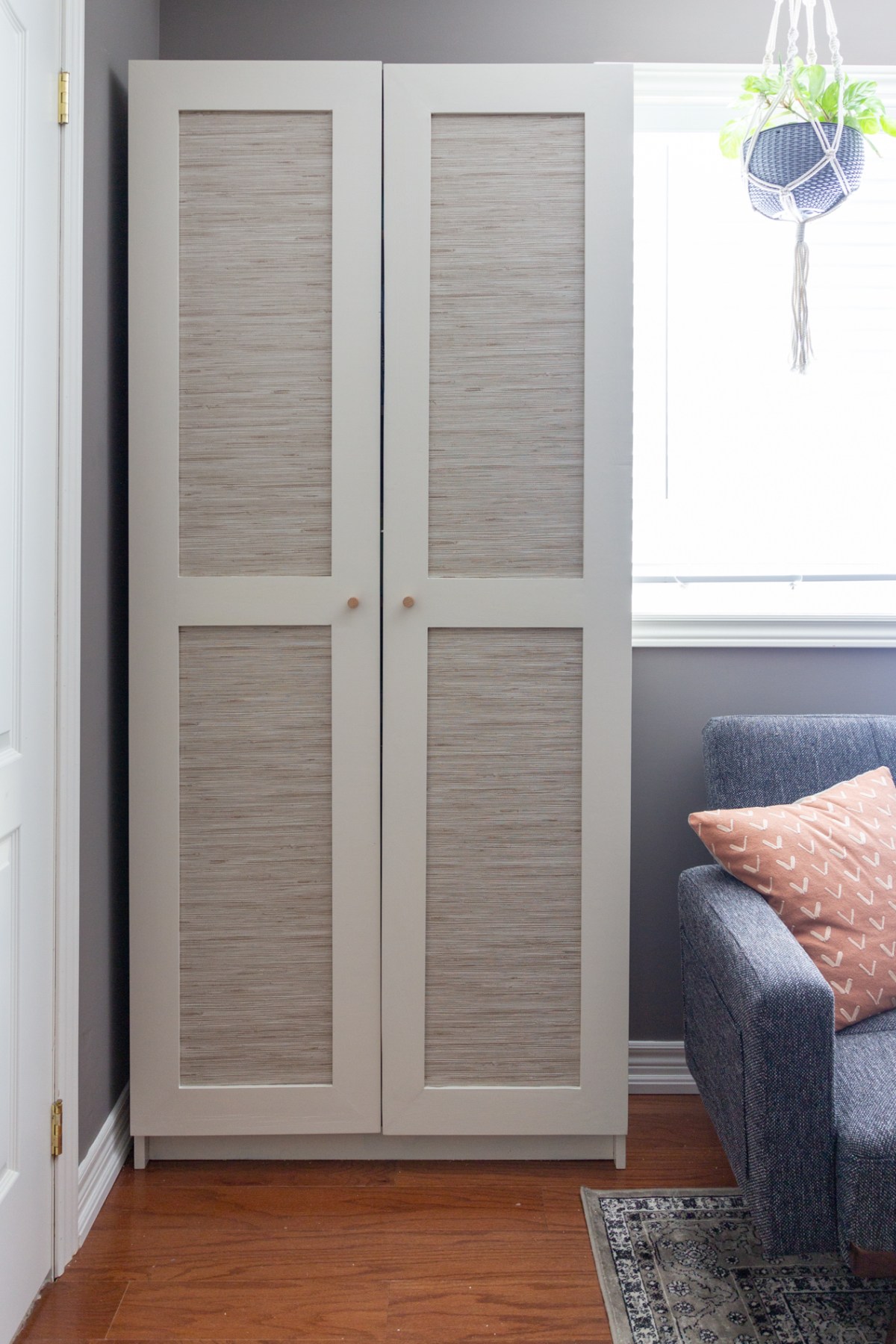
Credit: www.housebythebaydesign.com
Frequently Asked Questions
How Do I Choose The Right Door For A Small Bookshelf?
Select a door that matches your bookshelf size and style. Consider materials like wood or glass for durability and aesthetics. Measure accurately to ensure a perfect fit. Choose hinges and handles that complement your room decor and are easy to install.
What Tools Are Needed To Add A Door To A Bookshelf?
You will need a drill, screwdriver, measuring tape, hinges, screws, and a door handle. A level and pencil help with precise alignment. Optionally, sandpaper and paint can improve the door’s finish. These tools ensure a smooth installation process.
Can I Add A Door Without Professional Help?
Yes, adding a door to a small bookshelf is a DIY-friendly project. Basic woodworking skills and tools suffice for installation. Follow step-by-step guides and safety precautions. This saves cost and allows customization to fit your space perfectly.
How Do I Ensure The Door Fits Perfectly On The Bookshelf?
Measure the bookshelf opening twice before cutting or purchasing the door. Leave a small gap for easy opening and closing. Use a level to align hinges accurately. Adjust screws gradually to avoid misalignment and ensure smooth door operation.
Conclusion
Adding a door to a small bookshelf can change its look and function. It keeps dust away and hides clutter. You just need some simple tools and steps. The process is quick and does not need expert skills. Try it yourself and enjoy a neat, stylish bookshelf.
Small changes like this make your space feel fresh and organized. Give it a try today!