Are you ready to give your bookshelf a fresh, stylish makeover? Chalk paint is one of the easiest and most effective ways to transform your old furniture without spending hours sanding or priming.
But what is the best way to chalk paint a bookshelf so that it looks smooth, lasts longer, and truly stands out? In this guide, you’ll discover simple steps and insider tips that will help you achieve a professional finish every time.
Whether you’re a beginner or have tried chalk painting before, you’ll find tricks that make the process faster and more enjoyable. Keep reading to unlock the secrets to a beautiful, lasting chalk paint finish on your bookshelf.
Choosing Chalk Paint
Choosing the right chalk paint is important for your bookshelf project. The paint you pick affects the look and how long it lasts.
Chalk paint is known for its matte finish and easy application. It sticks well to wood and hides imperfections.
Types Of Chalk Paint
There are several types of chalk paint available. Some are water-based, making clean-up simple. Others come in powder form and need mixing with water. Also, some brands add extra ingredients for better durability. Pick a type that suits your skill level and project needs.
Color Selection Tips
Choose colors that match your room’s style. Light colors make small spaces look bigger. Dark colors add a dramatic touch. Neutral shades blend well with most decor. Test paint samples on a small shelf area before starting. This helps see the true color in your light.
Quality Matters
Good quality chalk paint covers better and lasts longer. Cheap paint might need many coats and chip easily. Quality paint gives a smooth finish and richer color. Investing in better paint saves time and effort. Check reviews or ask for advice at the store.
Preparing The Bookshelf
Preparing the bookshelf is the first step to a smooth and lasting chalk paint finish. It sets the stage for the paint to stick well and look great. Taking time to prep the surface helps avoid problems like peeling or uneven color.
Cleaning And Sanding
Start by cleaning the bookshelf thoroughly. Remove dust, dirt, and grease with a mild soap and water. Let it dry completely before moving on.
Next, sand the surface lightly using fine-grit sandpaper. This roughens the surface slightly, helping the chalk paint grip better. Wipe off any dust with a clean cloth after sanding.
Repairing Imperfections
Look for cracks, holes, or dents on the bookshelf. Use wood filler to fix these spots. Apply it with a putty knife and smooth it out.
Let the filler dry fully, then sand it down so it blends with the surface. This step creates a smooth base for painting.
Priming For Durability
Apply a primer to the bookshelf before painting. Primer seals the wood and improves paint adhesion. It also prevents stains or knots from showing through.
Choose a primer that works well with chalk paint. Let it dry according to the instructions on the label. This prepares the bookshelf for a strong, even finish.
Painting Techniques
Painting techniques make a big difference when chalk painting a bookshelf. They affect the finish, texture, and how long the paint lasts. Choosing the right tools and methods helps you get a smooth, even look. Let’s explore some tips to improve your painting process.
Brush Vs. Roller
Brushes give more control on edges and corners. They help reach small, detailed areas easily. Rollers cover flat surfaces quickly and create a smooth finish. For best results, use a brush for edges and a roller for large flat parts. This mix saves time and improves the look.
Applying Thin Coats
Thin coats dry faster and reduce drips. They also prevent paint from cracking or peeling later. Apply several thin layers instead of one thick one. Wait for each coat to dry before adding the next. Thin coats build up color and protect the wood well.
Avoiding Brush Marks
Brush marks can spoil a smooth finish. Use a soft, high-quality brush to reduce marks. Paint in long, even strokes following the wood grain. Lightly sand between coats to smooth any bumps. This method creates a clean, professional look on your bookshelf.

Credit: www.youtube.com
Layering And Drying
Layering and drying are key steps in chalk painting a bookshelf. They help you get a smooth, even finish that lasts. Taking time with each layer and allowing proper drying makes the paint look better and stay longer.
Number Of Coats Needed
Most bookshelves need two to three coats of chalk paint. The first coat may look thin or patchy. This is normal. The extra coats build color and coverage. Avoid applying too many coats. It can make the paint thick and uneven.
Drying Time Between Coats
Let each coat dry fully before adding the next. Drying usually takes 30 minutes to one hour. Check the paint feels dry to touch, not sticky. Rushing the process can cause smudges or peeling. Patience helps the paint stick well and look smooth.
Sanding Between Layers
Lightly sanding between coats improves the finish. Use fine-grit sandpaper to smooth bumps or dust. Sand gently to avoid removing paint. This step creates a better grip for the next coat. Wipe off dust with a clean cloth before painting again.
Sealing And Finishing
Sealing and finishing a chalk painted bookshelf protects your hard work. It keeps the paint from chipping or wearing off. This step also adds a smooth or shiny look. Choosing the right sealer and applying it properly ensures long-lasting results. Proper maintenance helps keep the finish fresh over time.
Choosing The Right Sealer
Select a sealer based on the bookshelf’s use and look. Wax gives a soft, matte finish and feels natural. Polyurethane offers strong protection and a glossy or satin shine. Water-based sealers dry quickly and don’t yellow. Oil-based sealers are tougher but take longer to dry.
Applying Wax Or Polyurethane
For wax, use a clean cloth or brush to apply thin layers. Let it dry, then buff gently for a smooth finish. For polyurethane, use a high-quality brush for even strokes. Apply thin coats and let each dry fully before the next. Sand lightly between coats to avoid bumps.
Maintaining The Finish
Dust your bookshelf often with a soft cloth. Avoid harsh chemicals or abrasive cleaners. For waxed surfaces, reapply wax every few months. Polyurethane finishes last longer but may need touch-ups after heavy use. Protect from water spills and direct sunlight to keep the finish strong.

Credit: www.teaandforgetmenots.com
Common Mistakes To Avoid
Chalk painting a bookshelf can be fun and rewarding. Avoiding common mistakes helps achieve a smooth, lasting finish. Many beginners make errors that affect the final look and durability of the paint. Knowing what to avoid saves time and effort.
Overloading The Brush
Too much paint on the brush causes drips and uneven layers. It creates a thick, rough surface that takes longer to dry. Dip the brush lightly and remove extra paint before applying. Thin, even coats give the best results.
Skipping Surface Prep
Not cleaning or sanding the bookshelf leads to poor paint adhesion. Dust, dirt, or old finish stops the paint from sticking well. Wipe the surface clean and sand lightly for a smooth base. Proper prep makes the paint last longer.
Rushing Drying Time
Painting the next coat before the first dries causes peeling and clumps. Chalk paint needs time to dry fully between layers. Wait at least one hour or as the paint instructions say. Patience improves the finish and durability.
Creative Chalk Paint Ideas
Creative chalk paint ideas bring life and style to a plain bookshelf. They add charm and personality to your space. These ideas help you customize your furniture with ease. You can create looks from vintage to modern in no time.
Explore simple ways to make your bookshelf stand out. Use tools and paint techniques for unique effects. Let your creativity flow with colors and patterns. Here are some inspiring ideas to try on your bookshelf.
Distressing Techniques
Distressing gives a worn, vintage look to your bookshelf. Lightly sand edges and corners after painting. Use sandpaper or a sanding block for this. Focus on spots that get natural wear. This adds character and a cozy feel.
Try dry brushing to highlight textures. Dip the brush in paint, then wipe most off. Lightly brush the surface for a soft effect. Distressing is easy and looks beautiful on chalk paint.
Adding Stencils And Patterns
Stencils add design and detail to your bookshelf. Use simple shapes or intricate patterns. Choose a stencil that fits your style. Secure it to the surface before painting. Apply chalk paint with a small brush or sponge.
Remove the stencil carefully while paint is wet. Patterns can be on shelves, sides, or back panel. This technique makes your bookshelf unique and eye-catching. Change colors for contrast or subtlety.
Mixing Colors For Effects
Mixing chalk paint colors creates depth and interest. Blend two or more colors on the shelf surface. Use a wet brush to soften edges between colors. Try ombre or gradient effects for a smooth look.
Layer colors by painting one, letting it dry, then adding another. Scrape or sand some paint to reveal layers underneath. This method adds texture and beauty. Color mixing allows endless creative options.
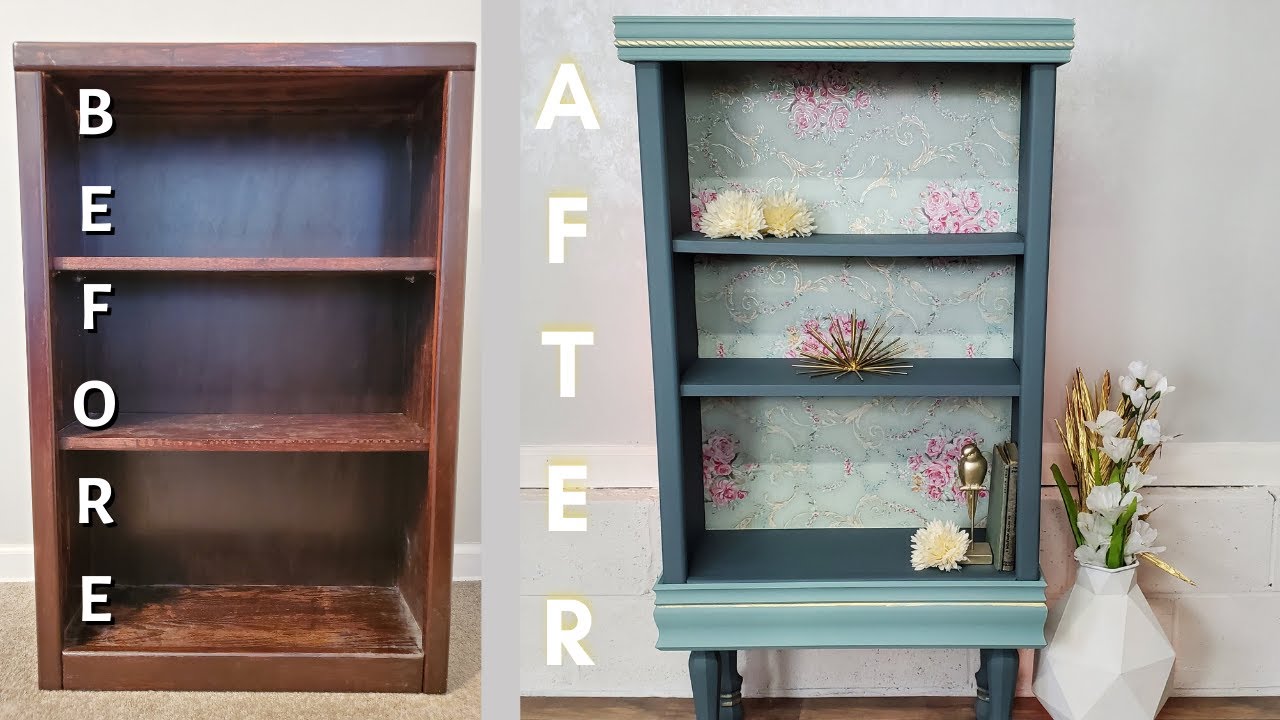
Credit: www.youtube.com
Frequently Asked Questions
What Preparation Is Needed Before Chalk Painting A Bookshelf?
Clean the bookshelf thoroughly to remove dust and grease. Lightly sand the surface to ensure paint adhesion. Remove hardware and cover areas you don’t want painted. Proper preparation guarantees a smooth, long-lasting finish and enhances the paint’s durability.
Which Type Of Chalk Paint Is Best For Bookshelves?
Choose high-quality, water-based chalk paint for durability and ease of use. Look for brands that offer good coverage and smooth application. These paints require minimal surface prep and dry quickly, making them ideal for furniture like bookshelves.
How Many Coats Of Chalk Paint Are Necessary?
Typically, two to three coats of chalk paint provide an even, opaque finish. Allow each coat to dry completely before applying the next. Multiple coats enhance color depth and durability while preventing streaks or patchiness.
Should I Seal Chalk-painted Bookshelves?
Yes, sealing with wax or a clear topcoat protects the paint from wear and stains. Wax gives a soft, matte finish, while polyurethane offers a harder, more durable surface. Sealing extends the lifespan and maintains the bookshelf’s appearance.
Conclusion
Chalk painting a bookshelf can refresh any room quickly. Choose the right paint and prepare the surface well. Use smooth, even strokes for the best finish. Let each coat dry fully before applying the next. Add a protective seal to keep the paint safe.
Small steps make a big difference in the final look. This simple method gives your bookshelf a fresh, new style. Enjoy your beautifully painted shelf for years to come.