Looking to add a cozy spot to your home without buying new furniture? What if you could turn something you already have—a simple bookshelf—into a stylish, comfortable bench?
This idea not only saves you money but also gives your space a fresh, personal touch. In this post, you’ll discover easy steps to transform your bookshelf into a bench that fits perfectly in any room. Ready to create a unique piece that combines storage and seating?
Keep reading, and you’ll be surprised how simple and rewarding this project can be.
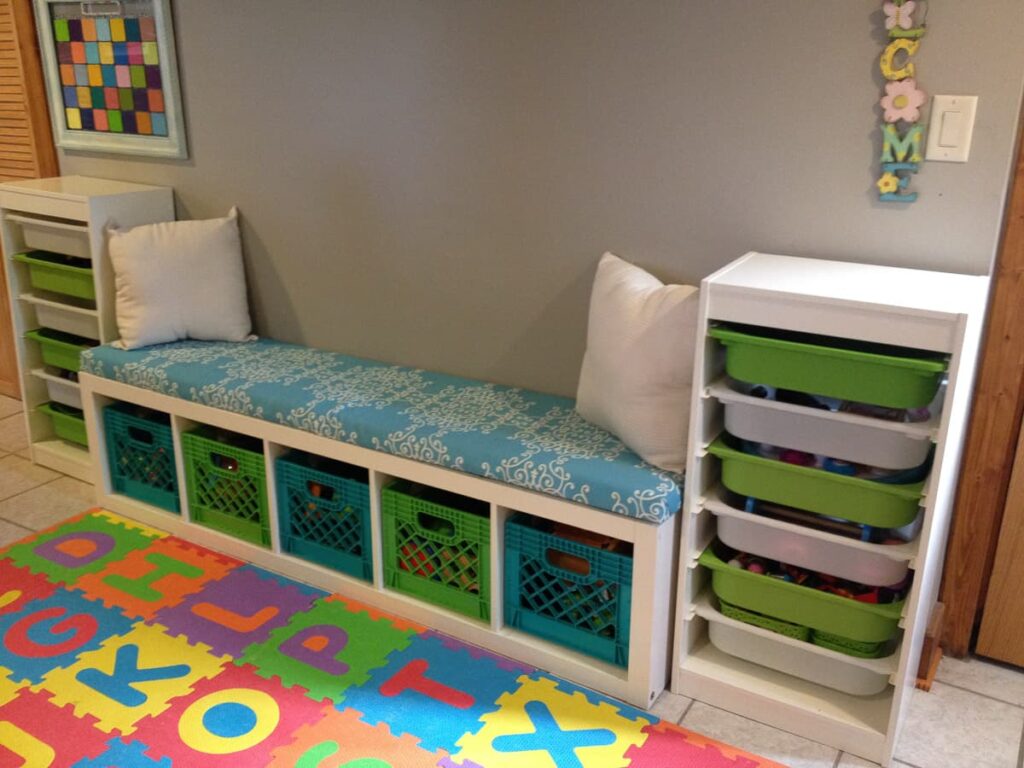
Credit: refreshliving.us
Choosing The Right Bookshelf
Choosing the right bookshelf is key to creating a sturdy and attractive bench. The bookshelf must be strong and fit the space where you want the bench. Think about how the bookshelf’s material and size will affect the final look and function. Also, consider the weight it needs to hold and how stable it is. These factors ensure safety and comfort for anyone who sits on your new bench.
Material And Size Considerations
Wood bookshelves make good benches because they are strong. Solid wood is better than particle board for weight and durability. Metal bookshelves can work but may need extra padding for comfort. Size matters. The bookshelf should be long enough to sit on comfortably. Depth should be at least 15 inches to provide enough space. Height is important too; choose a bookshelf that is about 18 inches tall or modify it to this height.
Weight Capacity And Stability
Check how much weight the bookshelf can hold before sitting on it. Shelves with thick boards and strong frames support more weight. Bookshelves with thin shelves or weak joints are not good choices. Stability is important for safety. The bookshelf must not wobble or tip over easily. Adding support brackets or reinforcing the frame can help. Place the bookshelf on a flat surface to improve balance.
Gathering Materials And Tools
Gathering the right materials and tools is the first step to turn a bookshelf into a bench. This step ensures your project goes smoothly and looks great. Having everything ready makes the process faster and easier. It also helps avoid trips to the store during your work.
Essential Tools For The Project
Start with basic tools you likely have at home. A screwdriver is needed to remove shelves and screws. A drill makes new holes for attaching parts. A measuring tape helps you get exact sizes. Use a saw to cut wood if needed. Sandpaper smooths rough edges. A hammer is useful for nails or small adjustments. Clamps hold pieces firmly while glue dries. A pencil marks cutting and drilling spots.
Additional Materials Needed
Besides tools, gather extra materials. Wood glue strengthens joints and keeps parts together. Screws and nails secure the bench structure. Paint or stain gives the bench a fresh look. A cushioned seat or foam adds comfort. Fabric covers the cushion for style and protection. Wood filler hides any holes or dents. Primer prepares the surface for paint. These materials create a strong and attractive bench from your old bookshelf.
Preparing The Bookshelf
Preparing the bookshelf is the first step to turn it into a bench. This step makes sure your bench looks nice and stays strong. You will clean, smooth, and change the shelves to make the bench safe and ready.
Cleaning And Sanding Surfaces
Start by cleaning the bookshelf well. Use a cloth and mild soap to remove dust and dirt. Dry the surface completely before sanding.
Next, sand the wood to make it smooth. Sanding removes old paint and rough spots. Use medium-grit sandpaper first, then fine-grit for a smooth finish. Sand all surfaces you will sit on or touch.
Sanding helps paint or stain stick better. It also prevents splinters and rough edges. Take your time to sand evenly and clean the dust after.
Removing Or Adjusting Shelves
Look at the shelves inside the bookshelf. Decide which shelves to keep, remove, or move. For a bench, remove shelves that block the sitting space.
Some shelves can stay for extra support or storage. Make sure they do not make the bench uncomfortable. Use tools to carefully remove shelves without damaging the wood.
If shelves are fixed, try loosening screws or nails. Adjust shelf height if needed to fit your bench design. A clear and open space inside helps create a comfy bench.
Adding Support And Reinforcement
Adding support and reinforcement is key to turning a bookshelf into a strong bench. It helps the bench hold weight safely. Without proper support, the bench may wobble or break. Reinforcement keeps the structure steady and durable for everyday use.
Installing Braces And Legs
Braces add extra strength to the bookshelf frame. Use metal or wooden braces on the inside corners. Attach them tightly with screws for a firm hold.
Adding legs gives the bench better balance. Choose sturdy legs that match the bench height. Screw the legs firmly at each corner to prevent wobbling.
Securing The Structure For Safety
Check all screws and nails for tightness. Loose parts can cause accidents. Use a drill to tighten or add more screws if needed.
Test the bench by pressing down gently. Make sure it does not move or creak. Reinforce weak spots with extra braces or supports.
Creating A Comfortable Seat
Creating a comfortable seat is key when turning a bookshelf into a bench. The seat should feel soft and inviting. Hard wood alone can be uncomfortable for long sitting. Adding a cushion makes the bench cozy and attractive.
Choosing the right cushion material helps ensure comfort and durability. The cushion must stay in place and match the style of your space. Careful attachment keeps the cushion secure and safe.
Choosing Cushion Materials
Pick foam with medium thickness for good support. Memory foam molds to your body but costs more. Polyester foam is cheaper and still soft. Choose fabric that feels nice and breathes well. Cotton and linen work well for most rooms. Avoid slippery materials that let the cushion slide.
Consider a cushion with removable covers. They are easier to clean and maintain. Pick colors or patterns that match your décor. You can also choose waterproof fabrics for outdoor benches.
Attaching The Cushion To The Bench
Use non-slip pads under the cushion to stop sliding. Velcro strips work well for a secure hold. Attach one side to the bench and the other to the cushion. This method makes it easy to remove for cleaning.
You can also sew ties on the cushion corners. Tie them to the bookshelf frame. This keeps the cushion steady without damage. Make sure the ties are long enough to knot firmly.
Double-sided tape is a quick option but less durable. Choose the method that fits your needs and tools. A well-attached cushion makes your bench safe and comfy.
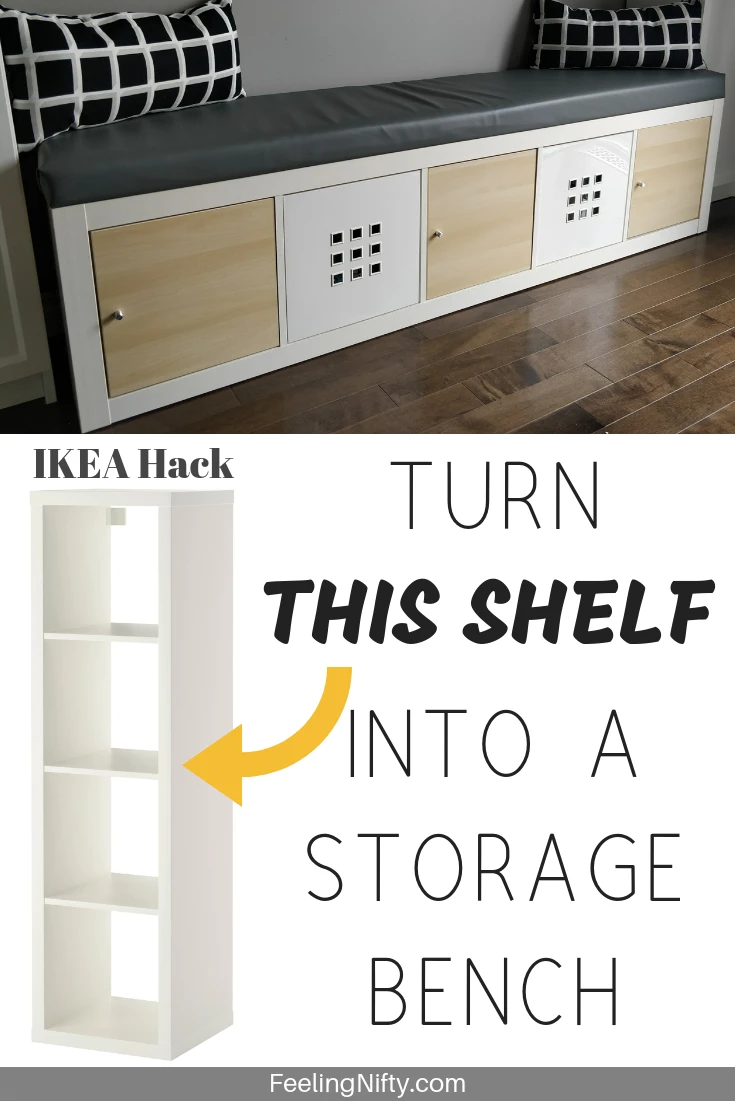
Credit: feelingnifty.com
Finishing Touches
Finishing touches bring your bookshelf bench to life. They make the piece look complete and inviting. This step shows your personal style and protects the wood. A well-finished bench lasts longer and feels comfortable to use.
Painting And Staining Options
Choose paint or stain to fit your room’s style. Paint offers bright colors and a smooth finish. Use chalk paint for a soft, vintage look. Stain highlights the natural grain and texture of wood. Pick a clear or tinted stain for a warm feel. Always apply a sealant to protect the surface. It keeps the bench safe from spills and wear.
Decorating For Style And Comfort
Add cushions or pillows for extra comfort. Select fabrics that match your room’s colors. Use soft materials like cotton or linen for a cozy touch. Place a small throw blanket for warmth and style. Consider adding a rug underneath to define the space. These small details create a welcoming spot to relax.
Placement And Usage Ideas
Choosing the right place for your bookshelf bench is key to making the most of it. Think about spaces that need extra seating and storage. This helps the bench blend in and serve a clear purpose.
Use the bench in spots where people gather or pass often. It should invite sitting and offer easy access to books or items stored inside. The right placement adds charm and usefulness to your home.
Ideal Spots In Your Home
Entryways work well for a bookshelf bench. It gives a place to sit while putting on shoes. Also, store bags or keys inside the shelves. A cozy reading nook gains comfort with this bench. Place it near a window to enjoy natural light. Kids’ rooms benefit too. It offers seating and easy reach for toys or books. Hallways can use a small bench to break up space. Use narrow bookshelves to keep the area open.
Maximizing Functionality
Use cushions or pillows to make the bench more comfy. Choose covers that match your room’s style. The shelves can hold baskets for neat storage. Sort items by type or use for quick access. Keep everyday things like blankets or magazines handy. Add hooks nearby for coats or bags. This turns the bench area into a mini station. Think about lighting to brighten the space. A lamp or string lights can set a warm mood.

Credit: www.youtube.com
Frequently Asked Questions
What Materials Are Needed To Turn A Bookshelf Into A Bench?
You need a sturdy bookshelf, wood screws, cushions, paint or stain, sandpaper, and brackets. These ensure safety and style for your bench conversion.
How Do I Reinforce A Bookshelf For Bench Use?
Add extra support by attaching wooden braces or brackets underneath the seat. This strengthens the structure to hold weight safely.
Can I Customize The Bench’s Size From The Bookshelf?
Yes, modify height or width by trimming or adding wood panels. Customize to fit your space and comfort needs.
What Type Of Cushion Suits A Bookshelf Bench?
Choose a thick, firm cushion with durable fabric. It provides comfort and withstands daily use without sagging or wear.
Conclusion
Transforming a bookshelf into a bench is a smart idea. It saves space and adds extra seating. You only need a few tools and some patience. The process is fun and rewarding. Everyone can try this simple project at home.
Give your old bookshelf a new life today. Enjoy your unique and useful bench.