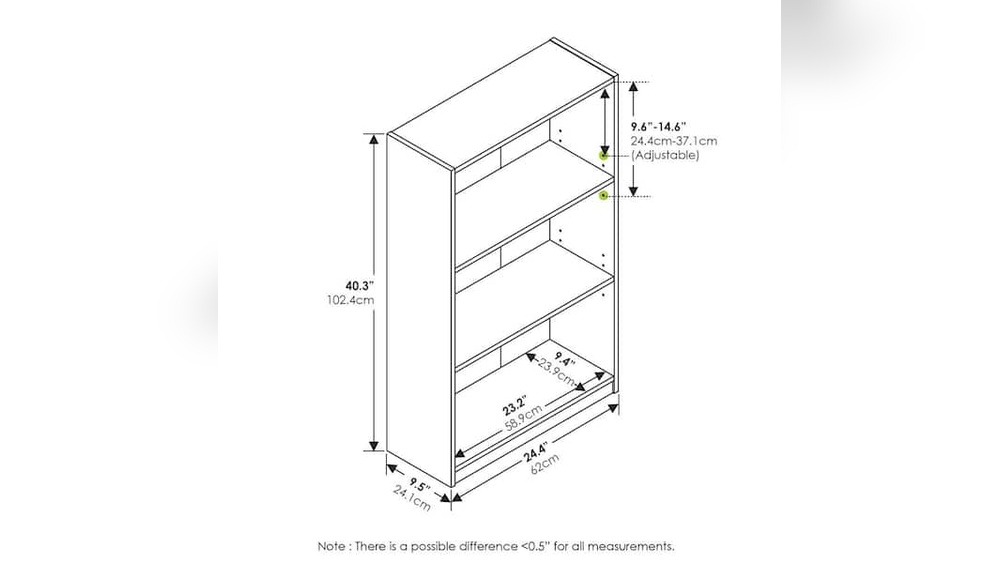
Are you wondering how many meters a bookshelf actually is? Whether you’re planning to buy one, build your own, or simply need to measure the space it will fit into, knowing the exact size matters.
Getting this right can save you time, money, and frustration. You’ll discover the common sizes of bookshelves in meters and how to choose the perfect fit for your room. Keep reading, and you’ll find simple tips that make measuring and selecting your bookshelf easier than ever.
Common Bookshelf Heights
Bookshelves come in many heights to fit different spaces and needs. Knowing common bookshelf heights helps choose the right size. This guide covers small, medium, and tall bookshelf dimensions in meters.
Standard Small Shelves
Small bookshelves usually stand around 0.6 to 1 meter tall. They fit well in tight spaces or under windows. These shelves hold a few books or decorations. Small shelves often have 2 to 3 levels.
Medium-sized Options
Medium bookshelves range from 1 to 1.5 meters in height. They provide more storage without dominating a room. These shelves suit living rooms or bedrooms. Most medium shelves have 4 to 5 shelves for books and items.
Tall Bookshelf Dimensions
Tall bookshelves measure between 1.5 to 2 meters or more. They offer maximum storage for large book collections. Tall shelves often reach near the ceiling. They usually have 5 to 7 shelves, perfect for many books or display pieces.
Width And Depth Variations
Bookshelves come in many sizes, especially in width and depth. These two dimensions affect how many books and items the shelf can hold. Choosing the right width and depth helps fit the shelf perfectly in any room. It also ensures the shelf looks balanced and works well with your space.
Typical Shelf Widths
Most bookshelves range between 60 to 120 centimeters wide. Smaller shelves often measure around 60 to 80 cm. They fit well in tight spaces like corners or small rooms. Larger shelves, about 100 to 120 cm wide, hold more books and decorations. These sizes suit bigger rooms or offices. Width depends on your storage needs and room size.
Shelf Depth Considerations
Shelf depth usually varies from 20 to 40 centimeters. Shallow shelves, near 20 cm, hold paperbacks or small items. Deeper shelves, closer to 40 cm, fit larger books and objects. Depth also affects how far the shelf sticks out from the wall. Deeper shelves need more room, so measure your space carefully. Balance depth with room size for a neat look.
Custom Size Possibilities
Custom shelves let you choose exact width and depth. This option suits unique spaces or special storage needs. You can make shelves narrow or wide, shallow or deep. Custom sizes match your room perfectly. They also help create a style that fits your taste. Ask a carpenter or store for custom shelf options.
Measuring Your Space
Measuring your space is the first step to finding the right bookshelf size. It helps avoid buying shelves that don’t fit or make the room look crowded. Take simple steps to measure carefully before choosing a bookshelf.
Use a tape measure or a ruler to note down the dimensions. Measure the height, width, and depth of the area where you want the bookshelf. Write down these numbers to compare with bookshelf sizes in meters.
Assessing Room Dimensions
Start by measuring the full width and height of the wall or space. Check the floor area too if the shelf will stand on it. Note any windows, doors, or vents that limit space. Knowing exact room size helps pick a bookshelf that fits well.
Allowing For Clearance
Leave some space around the bookshelf for easy movement. At least 10 to 15 centimeters of clearance is good. This prevents the shelf from feeling cramped or blocking walkways. It also helps with cleaning and access.
Fitting Bookshelves In Corners
Measure corner spaces carefully, including both walls and the floor. Corner bookshelves often need smaller widths but can be taller. Check for any baseboards or molding that might block the shelf. Use these measurements to find a shelf that fits snugly without gaps.
Credit: www.koziel.fr
Material Impact On Size
The material of a bookshelf plays a key role in its size and design. Different materials affect how big or small the shelf can be. They also change the shelf’s strength and weight. Choosing the right material helps match the shelf to your space and needs.
Wood Vs Metal Frames
Wooden shelves usually have a thicker frame. This adds a warm, classic look. Wood can be heavy, which affects the shelf size. Metal frames are thinner but strong. They allow for taller, slimmer shelves. Metal shelves often look modern and fit small spaces.
Adjustable Shelves
Some materials allow easy shelf adjustment. Wood shelves with pre-set holes limit changes. Metal shelves often have slots for flexible heights. Adjustable shelves save space by fitting different items. This affects the total height and width of the bookshelf.
Weight And Stability Factors
Heavier materials need more support and larger bases. Wood shelves may require wider frames for balance. Metal frames can handle more weight with less bulk. Stability affects the shelf’s height and width choices. Strong materials let you build bigger shelves safely.
Popular Bookshelf Styles By Size
Bookshelves come in many styles and sizes. Each style fits different spaces and needs. Understanding popular bookshelf styles helps you pick the right size in meters. This guide covers three common types to help you decide.
Ladder Shelves
Ladder shelves lean against the wall like a ladder. They usually range from 1.2 to 2 meters tall. Width varies but often stays under 0.6 meters. These shelves save floor space and fit small rooms well. Their open design makes them light and airy.
Built-in Units
Built-in bookshelves are fixed into walls. They can cover an entire wall or just a small section. Heights often match the room’s ceiling, usually about 2.4 to 3 meters. Width depends on the wall space available. These units offer maximum storage and a clean look.
Floating Shelves
Floating shelves attach directly to walls without visible supports. They come in various lengths, from 0.3 to 1 meter or more. Depth is usually shallow, around 0.2 to 0.3 meters. These shelves are great for small books or decorative items. They keep the floor clear and look modern.
Credit: hogfurniture.co
Converting Inches To Meters
Converting inches to meters is key when measuring a bookshelf. Inches are common in many places, but meters work better in others. Knowing how to switch between these units helps you understand size clearly. This section explains easy ways to convert inches into meters.
Simple Conversion Tips
One inch equals 0.0254 meters. To convert inches to meters, multiply the number of inches by 0.0254. For example, 40 inches times 0.0254 equals 1.016 meters. Use a calculator for quick results. This method works for any measurement in inches.
Using Online Tools
Online converters make changing inches to meters fast and easy. Enter your inches number, and the tool gives meters instantly. Many websites and apps offer free conversion services. These tools reduce errors and save time.
Common Measurement Mistakes
People often confuse inches with centimeters. Inches are longer than centimeters, so this mistake changes the size a lot. Another error is forgetting to multiply by 0.0254. Double-check your math to avoid wrong results. Always write down the units to stay accurate.

Credit: www.amazon.com
Frequently Asked Questions
How Long Is A Typical Bookshelf In Meters?
A typical bookshelf measures about 1 to 2 meters in length. Sizes vary by design and purpose, but this range suits most homes.
What Is The Standard Height Of A Bookshelf In Meters?
Standard bookshelf height ranges from 1. 5 to 2 meters. This height allows for ample storage while fitting comfortably in most rooms.
How Wide Is A Bookshelf In Meters On Average?
Average bookshelf width is approximately 0. 3 to 0. 5 meters. This width supports multiple books without taking up excessive space.
Can Bookshelf Sizes Vary By Material And Style?
Yes, bookshelf sizes vary significantly depending on material and style. Custom designs may be larger or smaller to fit specific needs.
Conclusion
A bookshelf’s size often varies by design and purpose. Most standard bookshelves measure between one to two meters tall. Knowing these measurements helps plan your space better. Measuring in meters makes it easier to match furniture. Choose a bookshelf that fits your room and needs.
Remember, size affects how many books you can store. Simple measurements make shopping for shelves less confusing. This way, you get the right fit every time.