Have you ever stood in front of your bookshelf feeling unsure about how to arrange your books? You’re not alone.
Putting books in a bookshelf might seem simple, but the way you organize them can change how you feel every time you walk into the room. Imagine opening your bookshelf and instantly finding the book you want without any hassle.
You’ll discover easy and smart ways to arrange your books that save space, look great, and make your reading time more enjoyable. Let’s dive in and transform your bookshelf into a place you’ll love to explore.
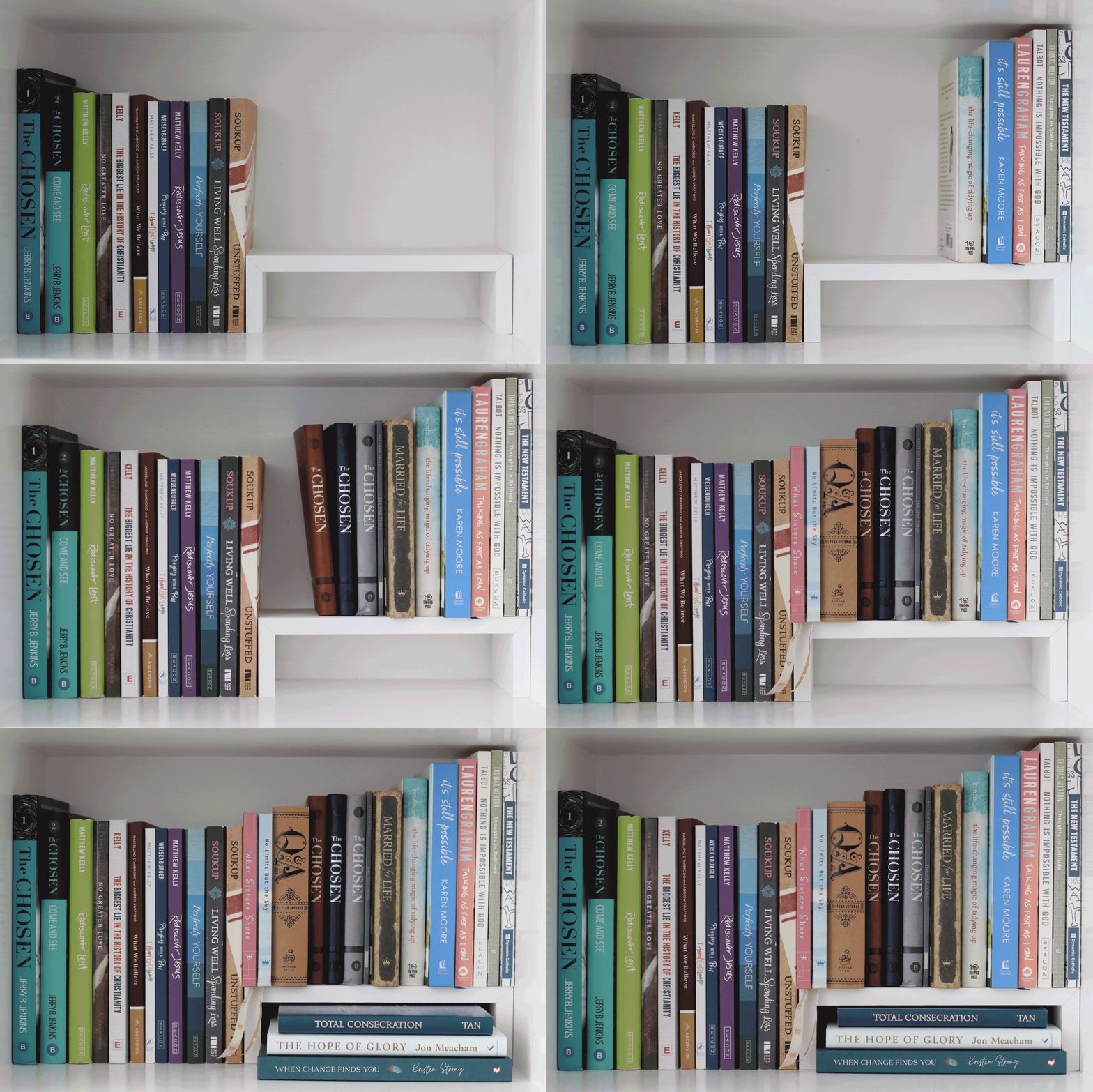
Credit: www.neathousesweethome.com
Choosing The Right Bookshelf
Choosing the right bookshelf is the first step to organize your books well. The perfect bookshelf holds your books safely and fits your room style. Think about materials, size, and where you want to place it. This helps you pick a bookshelf that suits your needs and space.
Materials And Styles
Bookshelves come in wood, metal, and plastic. Wood looks warm and classic. Metal feels modern and strong. Plastic is light and easy to move. Styles vary from simple to decorative. Choose a style that matches your room’s look.
Size And Capacity
Measure your space before buying a bookshelf. Think about how many books you have now. Leave room for more books in the future. A bookshelf too small will fill up fast. Too big might crowd your room. Balance size with your collection and space.
Placement In The Room
Place the bookshelf where it is easy to reach. Avoid spots in direct sunlight to protect books. Near a reading chair is a good idea. Make sure it does not block windows or doors. Placement affects how often you use your books.
Sorting Books Before Shelving
Sorting books before placing them on a bookshelf makes finding them easier. It keeps the shelf neat and organized. Sorting also helps protect books from damage by grouping similar types together.
By Genre Or Subject
Group books by their genre or subject. Keep fiction separate from non-fiction. Place mystery books with other mysteries. Group history books with other history titles. This method helps find books fast based on interest or topic.
By Author Or Title
Arrange books alphabetically by the author’s last name. This order suits those who remember authors better. Another option is sorting by book title. Alphabetical sorting makes the shelf look tidy and easy to browse.
By Size And Format
Sort books by their size and format for a balanced look. Place tall books together on one shelf. Group paperbacks separately from hardcovers. This arrangement prevents damage and makes the shelf visually pleasing.
Arranging Books For Easy Access
Arranging books for easy access makes reading more enjoyable. It saves time and keeps your space tidy. Organizing your books well helps find titles quickly. A smart layout also protects your books from damage.
Vertical Vs Horizontal Stacking
Vertical stacking means placing books upright with spines facing out. This method shows titles clearly and uses shelf space well. Horizontal stacking lays books flat in piles. It works for heavy or large books that might fall over.
Use vertical stacking for most books. Reserve horizontal stacks for special cases. Mixing both styles can add visual interest and keep books safe.
Using Bookends And Dividers
Bookends keep upright books from tipping over. Choose sturdy bookends that match your shelf size. Dividers separate groups of books and create neat sections. They prevent books from leaning and cluttering.
Use bookends and dividers to organize and protect your collection. They make shelves look clean and orderly.
Grouping Frequently Used Books
Place books you read often within easy reach. Group them by topic or author for quick finding. This saves time and avoids searching through the whole shelf.
Keep less used books in higher or lower spots. Organizing this way improves your reading experience every day.
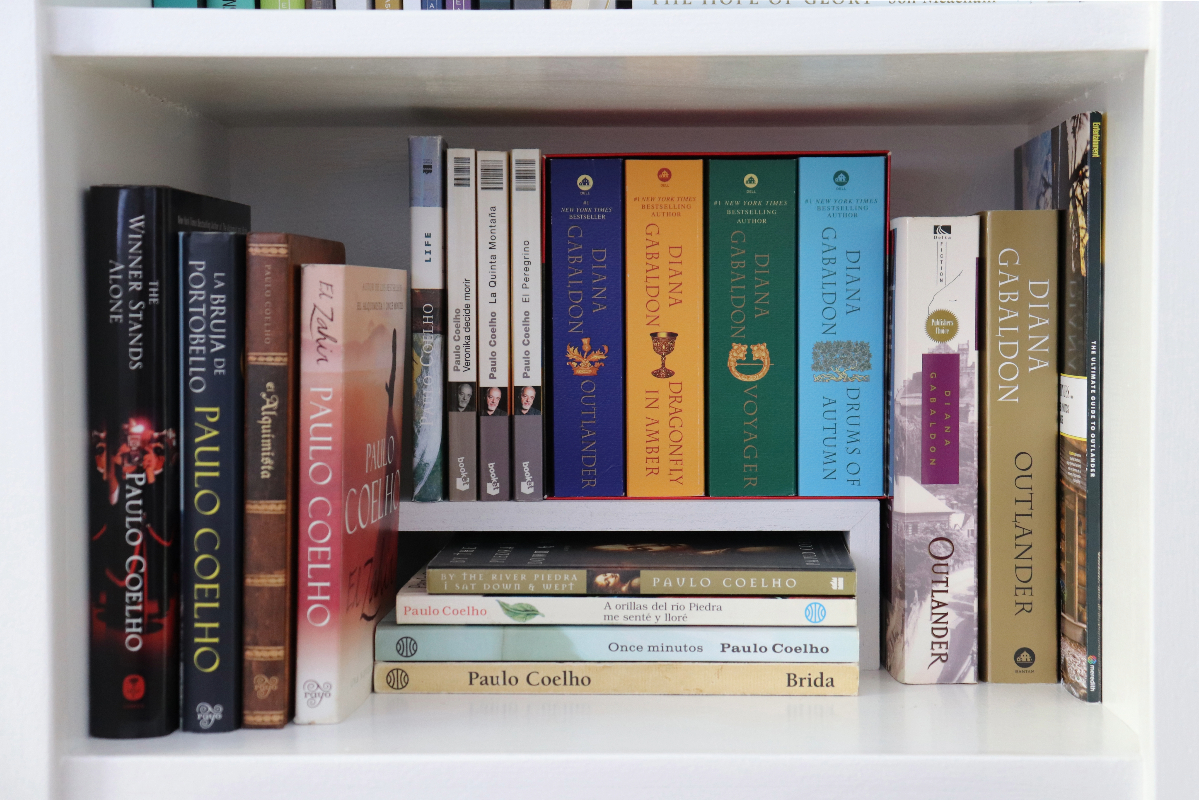
Credit: www.neathousesweethome.com
Maximizing Space And Aesthetics
Maximizing space and aesthetics in your bookshelf creates a neat, inviting look. Proper arrangement helps you fit more books without clutter. It also turns your shelf into a stylish part of the room. Smart use of space and design makes your collection easy to browse and enjoy.
Balancing Books With Decor
Place books and decor items in a balanced way. Avoid stacking all books on one side. Mix books with small decor pieces like plants or frames. This breaks up the rows and adds visual interest. Keep similar colors or sizes together for a tidy look.
Incorporating Decorative Items
Use decorative items to add personality to your shelf. Small sculptures, candles, or photo frames work well. Place them between book groups or on top of stacks. These items create variety and prevent the shelf from looking too plain. Keep decorations simple to avoid clutter.
Utilizing Shelf Height Efficiently
Adjust shelf height to fit books perfectly. Use taller shelves for big books and shorter ones for paperbacks. Stack some books horizontally to save vertical space. Leave a little room above books to avoid a crowded look. Efficient use of height keeps the shelf organized and neat.
Maintaining Your Bookshelf
Maintaining your bookshelf keeps your books safe and your space neat. A clean and well-organized shelf invites more reading and protects your collection. Simple habits help your bookshelf stay in good shape for years.
Regular Cleaning Tips
Dust gathers quickly on shelves and book edges. Wipe shelves with a soft, dry cloth weekly. Use a small brush to clean book spines gently. Avoid wet cloths to prevent water damage. Check for dirt between books and remove it carefully.
Rearranging For Seasonal Changes
Change your bookshelf layout with the seasons. Group books by mood or theme for each season. Bring cozy reads forward in winter and bright stories in summer. This keeps your shelf fresh and interesting. It also helps you rediscover old favorites.
Protecting Books From Damage
Keep books away from direct sunlight to avoid fading. Store books upright to prevent spine damage. Use bookends to support leaning books. Avoid overcrowding shelves to reduce pressure. Handle books with clean hands to keep pages clean and smooth.
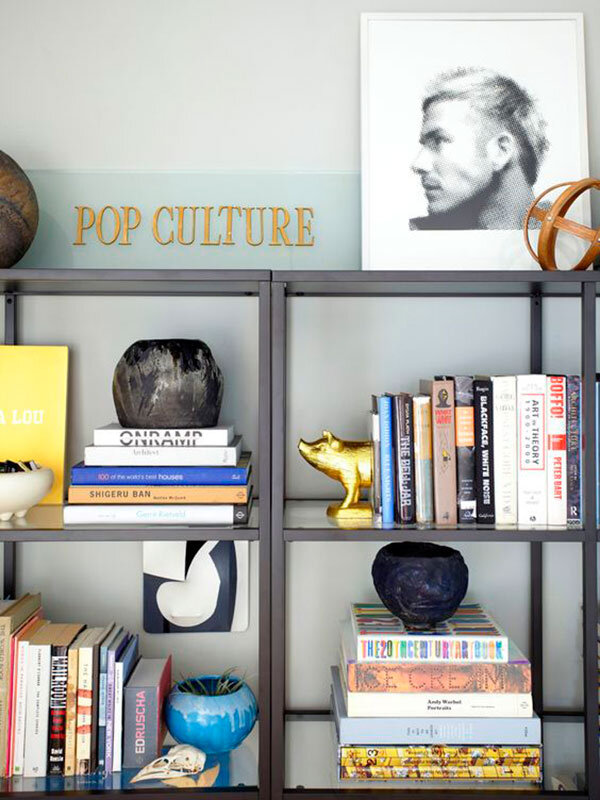
Credit: www.sarah-montgomery.com
Frequently Asked Questions
How Should I Organize Books On A Bookshelf?
Organize books by category, size, or color for easy access. Group similar genres together to save time. Use vertical and horizontal stacking to maximize space. Label shelves if needed for quick identification. This method keeps your collection tidy and visually appealing.
What Is The Best Way To Arrange Heavy Books?
Place heavy books on lower shelves to prevent tipping. This stabilizes the bookshelf and reduces strain on upper shelves. Keep frequently used heavy books within easy reach. Avoid stacking too many heavy books in one spot to maintain balance.
How Can I Maximize Space On A Small Bookshelf?
Use vertical stacking and double rows to save space. Arrange books by size, placing tall books upright and small ones lying flat. Utilize bookends to keep books organized. Consider adding shelf risers for extra layers. These tips help you fit more books neatly.
Should Books Be Placed Vertically Or Horizontally?
Place most books vertically for easy browsing and spine visibility. Use horizontal stacks for oversized or fragile books to prevent damage. Mixing both styles adds visual interest. Alternate orientations to optimize shelf space and maintain balance.
Conclusion
Organizing books on a shelf keeps your space neat and tidy. Place books by size, color, or topic for easy access. Avoid overcrowding shelves to prevent damage. Use vertical and horizontal stacking to save space. Regularly check and rearrange to keep things fresh.
A well-arranged bookshelf makes finding books simple and quick. Enjoy the calm and order a clean shelf brings to your room. Small steps lead to a better reading space. Give your books the home they deserve.
