Are you wondering how much weight a bunk bed can safely hold? Whether you’re shopping for your kids, planning a guest room, or setting up a shared space, knowing the weight limit is key to keeping everyone safe and comfortable.
You don’t want to guess and risk accidents or damage. You’ll discover the important factors that affect a bunk bed’s strength and learn how to choose the right one for your needs. Keep reading to find out exactly what you need to know before making your decision.
Bunk Bed Weight Basics
Bunk beds are a popular choice for saving space in bedrooms. They allow two people to sleep in the space of one bed. Understanding how much weight a bunk bed can hold is important for safety. Each bunk bed has a weight limit set by the manufacturer. This limit depends on many factors. Knowing these factors helps you choose the right bed for your needs.
Weight limits ensure the bed stays strong and safe. Exceeding the limit can cause damage or accidents. The main factors that affect weight capacity are the bed type and the materials used. Both play a big role in the bed’s strength and durability.
Types Of Bunk Beds
Bunk beds come in several types. The most common are twin-over-twin and twin-over-full. Twin-over-twin beds are smaller and usually hold less weight. Twin-over-full beds have a larger bottom bunk and can support more weight. Loft beds, a type of bunk bed without a bottom bed, also vary in weight limits.
Some bunk beds are designed for children only. These have lower weight limits. Others are made for adults and can hold more weight. The design and structure affect how much weight each bed can support safely.
Materials And Their Strength
The material used in bunk beds affects their strength. Wood and metal are the most common materials. Solid wood is strong and can hold a lot of weight. Pine is softer and supports less weight than hardwoods like oak or maple.
Metal bunk beds are usually lighter but can be very strong. Steel frames offer high weight capacity and durability. Cheaper metals or thin frames hold less weight and may bend over time. Quality and thickness of materials matter most.
Check the bed’s frame, slats, and ladder materials. All parts contribute to the overall weight capacity. Strong materials mean a safer and longer-lasting bunk bed.
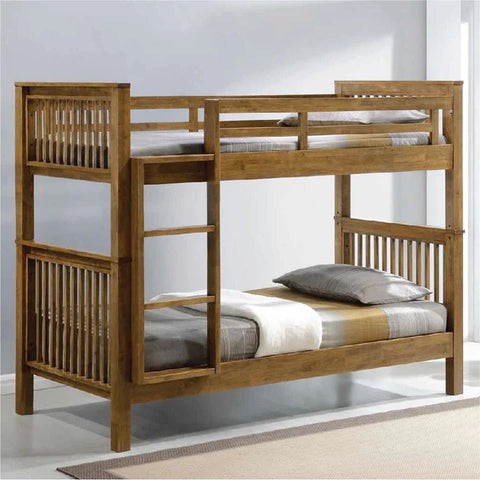
Credit: picketandrail.com
Weight Limits By Design
Bunk beds come in many styles and sizes. Each design has a specific weight limit. This limit depends on the materials and structure. Knowing these limits helps keep users safe. It also protects the bed from damage.
Manufacturers test bunk beds to set weight limits. These tests check how much weight the bed can hold. The design, including frame and slats, plays a big role. Some beds support more weight than others. Let’s explore common types and their limits.
Twin Over Twin
Twin over twin bunk beds are popular in kids’ rooms. They usually have a weight limit of about 200 to 250 pounds per bunk. This is enough for most children and teens. The frame is often made of wood or metal. Strong materials help keep the bed sturdy and safe.
Make sure to check the manufacturer’s guide. Some models can hold more weight. Others may have lower limits based on design choices. Always follow the recommended weight limits to avoid accidents.
Full Over Full
Full over full bunk beds offer more sleeping space. Because of their size, they often carry higher weight limits. Typically, each full bed can hold 250 to 400 pounds. The frame usually has thicker supports. These supports help handle the extra weight.
Full over full beds suit older kids or adults. The design must be strong and stable. Safety rails and solid ladders are key. Weight limits vary by model, so review each one carefully.
Loft Bed Variations
Loft beds lift the mattress high and leave space underneath. Their weight limits depend on the design and materials used. Most loft beds hold between 150 and 300 pounds. The upper bunk’s safety relies on strong frames and support beams.
Some loft beds include desks or storage below. These additions can affect the weight capacity. Choose a loft bed that fits the user’s weight and daily activities. Always confirm weight limits before buying.
Factors Affecting Weight Capacity
The weight capacity of a bunk bed depends on several important factors. Each part of the bed plays a role in how much weight it can hold safely. Understanding these factors helps you choose the right bunk bed and avoid accidents.
Strong materials and good design improve the bed’s strength. Weak parts can reduce the weight limit, making the bed unsafe to use. Below are the main factors that affect the weight capacity of a bunk bed.
Frame Construction
The frame is the main support of a bunk bed. Metal frames often hold more weight than wooden ones. Thick wood or solid metal beams make the bed stronger. The design of the frame also matters. Beds with extra support beams and braces can hold more weight safely.
Mattress Type
The mattress type affects the bed’s overall strength. Heavy mattresses add more weight to the bed. Foam mattresses usually weigh less than spring mattresses. Choosing the right mattress helps keep the bed stable. A light mattress reduces stress on the frame.
Hardware And Fasteners
Strong hardware like screws and bolts keeps the bed parts tight. Cheap or small fasteners can loosen over time. Loose parts lower the bed’s weight capacity. Using high-quality screws and bolts improves stability. Regularly checking and tightening fasteners keeps the bed safe.
Safety Standards And Guidelines
Safety is the top priority when choosing a bunk bed. Knowing the safety standards and guidelines helps ensure the bed can hold weight safely. These rules protect users from accidents and injuries. Understanding these standards also guides manufacturers to build strong, reliable beds.
Parents and users must check these safety details before buying a bunk bed. It is important to follow recommended weight limits to avoid damage or collapse. Safety standards cover materials, design, and load capacity.
Industry Regulations
Bunk beds must meet strict industry rules. These rules come from safety organizations like ASTM and CPSC. They require beds to pass tests for strength and stability. Regulations also set rules for guardrails, ladders, and space between beds.
Manufacturers must follow these rules to sell bunk beds legally. These laws help reduce risks of falls or breaks. They also ensure beds support the weight they claim.
Recommended Load Limits
Each bunk bed has a recommended weight limit. This limit includes the person’s weight plus any mattress and bedding. Most bunk beds support between 150 to 400 pounds per bed. Metal frames often hold more weight than wooden ones.
Exceeding load limits can cause the bed to fail. This may lead to serious injuries. Always check the manufacturer’s instructions for exact load limits. Following these limits keeps the bed strong and safe for use.
Testing Bunk Bed Strength
Testing bunk bed strength helps ensure safety and durability. It shows how much weight the bed can hold without damage. You can check the load capacity by simple tests or professional methods. Both ways give clear results about the bed’s stability.
Diy Load Testing
DIY load testing uses items you already have at home. Start by placing weighted objects on the bed step by step. Use bags of rice, books, or water jugs. Add weight slowly and watch for any signs of stress. Look for creaks, bends, or loose joints. Stop if the bed shows any damage. This test gives a rough idea of the bed’s strength. It is easy and cost-free but less precise than professional tests.
Professional Assessments
Professional assessments use special tools and methods to test bunk beds. Experts apply controlled weight and measure how the bed reacts. They check joints, frames, and slats for strength and safety. These tests follow strict rules and safety standards. Professionals can also recommend improvements for weak spots. This method is accurate and reliable. It helps confirm if the bunk bed meets safety requirements.
Tips To Increase Bunk Bed Durability
Improving the durability of a bunk bed helps it last longer and stay safe. Simple steps can make a big difference in how much weight the bed can hold. These tips help keep the bed strong and stable over time.
Regular Maintenance
Check the bed often for loose screws and bolts. Tighten any parts that feel wobbly. Clean the bed to remove dust and dirt that can wear down the material. Look for cracks or splits in the wood or metal. Fix small problems before they get worse. Regular care keeps the bed sturdy and safe.
Reinforcement Techniques
Add extra support to increase the bed’s strength. Use metal brackets or corner braces on the frame. Place a plywood sheet under the mattress for better weight distribution. Replace thin or weak slats with stronger ones. Reinforcements help the bed hold more weight without bending or breaking.
Common Issues And Troubleshooting
Bunk beds are practical and save space. But they face wear and tear over time. Knowing common issues helps keep your bed safe and strong. Troubleshooting early stops accidents and extends the bed’s life.
Signs Of Structural Weakness
Look for creaking sounds when moving on the bed. Loose screws or bolts show the frame is unstable. Check for cracks in wood or metal parts. Bent or warped slats also weaken support. Wobbly ladders or guardrails can cause falls. These signs mean the bed might not hold weight well.
When To Replace Parts
Replace parts that are cracked, bent, or broken. Loose screws should be tightened or swapped out. If slats are damaged, change them quickly. Worn-out ladders and guardrails need new pieces. Old bolts lose strength and should be replaced. Using fresh parts keeps the bunk bed safe and strong.
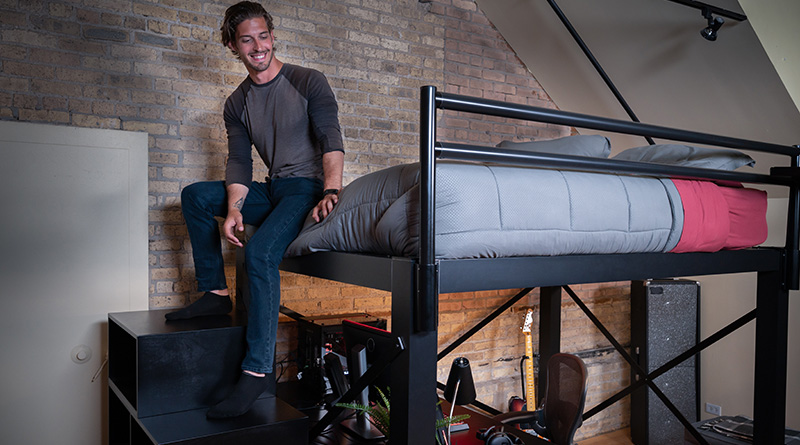
Credit: adultbunkbeds.com

Credit: maxandlily.com
Frequently Asked Questions
What Is The Average Weight Capacity Of A Bunk Bed?
Most bunk beds support between 200 to 400 pounds per bed. Metal frames usually hold more weight than wooden ones. Always check manufacturer guidelines for exact limits. Proper assembly also affects overall weight capacity and safety.
Can Bunk Beds Hold Adult Weight Safely?
Yes, many bunk beds are designed for adults if rated for higher weight. Look for heavy-duty models with reinforced frames and strong slats. Weight limits typically range from 250 to 400 pounds per bed for adult use.
How Does Bunk Bed Material Affect Weight Capacity?
Metal bunk beds usually support more weight than wooden ones. Solid hardwood frames can also be strong but vary by design. Particleboard or cheap materials tend to have lower weight limits and less durability.
Does Mattress Type Impact Bunk Bed Weight Limit?
Mattress weight slightly affects the total load but is minimal compared to person weight. Use recommended mattress thickness and weight to maintain safety. Overly heavy mattresses may reduce the effective weight capacity of the bed.
Conclusion
Bunk beds usually hold between 200 and 400 pounds per bed. This depends on the materials and design. Always check the manufacturer’s weight limits before use. Avoid overloading to keep the bed safe and sturdy. Regularly inspect the bed for any signs of wear or damage.
Proper use helps the bed last longer and stay secure. Choose a bunk bed that fits your needs and weight requirements. Safety matters most when sharing a bed with children or adults.