Are you tired of worrying that your bookshelf might tip over and cause damage or injury? Fixing a bookshelf to the wall is the simplest way to keep it steady and safe.
But if you’ve never done it before, the thought of drilling into your walls can feel overwhelming. Don’t worry—you’re about to learn easy, step-by-step tips that will make this task quick and stress-free. By the end of this article, you’ll have the confidence to secure your bookshelf firmly, protecting your books, your space, and most importantly, yourself.
Let’s get started!

Credit: www.youtube.com
Choose The Right Bookshelf
Choosing the right bookshelf is a key step before fixing it to the wall. The correct shelf fits your space and holds your books safely. It also matches your room’s look. Picking carefully makes installation easier and keeps your shelf stable.
Consider Size And Weight
Measure the space where the bookshelf will go. Choose a size that fits well without crowding the room. Think about the weight of the bookshelf, especially when filled with books. Heavier shelves need stronger wall support. A small shelf might need fewer anchors. Large or tall shelves require more secure fixing.
Select Material And Style
Bookshelves come in many materials like wood, metal, or plastic. Wood is strong and looks classic. Metal shelves are sturdy and modern. Pick a style that suits your room’s design. A good match makes your space look neat and planned. The material also affects how you fix the shelf to the wall. Some need special screws or anchors.
Gather Necessary Tools
Before fixing a bookshelf to the wall, gather all the necessary tools. Having the right tools makes the job easier and safer. Prepare everything to avoid interruptions while working. This step helps ensure your bookshelf stays secure and steady.
Tools For Measuring And Marking
Accurate measuring and marking are key to a straight and level bookshelf. Use a tape measure to check distances on the wall. A pencil works well for marking spots. A level ensures the bookshelf will sit perfectly horizontal. These tools help avoid mistakes and keep the shelf balanced.
Fasteners And Anchors Needed
Choosing the right fasteners and anchors is important for strong support. Screws hold the bookshelf firmly to the wall. Wall anchors add extra strength, especially in drywall. Pick anchors based on your wall type: drywall, brick, or plaster. Having the proper fasteners prevents the shelf from falling or tilting.
Locate Wall Studs
Locating wall studs is the first step to safely fix a bookshelf to the wall. Studs are vertical wooden beams behind the drywall. They provide strong support for heavy items like bookshelves. Finding these studs ensures your bookshelf stays secure and stable. Without anchoring to studs, the bookshelf may fall, causing damage or injury.
Use A Stud Finder
A stud finder is a small tool that detects studs behind the wall. Turn it on and slowly move it across the wall surface. The device signals when it senses a stud. Some stud finders beep, while others light up. Scan the wall horizontally to find the edges of each stud. Mark the center for the best screw placement.
Mark Stud Positions
After locating studs, mark their positions on the wall. Use a pencil to make small marks at stud centers. Measure the height where you want to fix the bookshelf. Draw a light horizontal line connecting the stud marks. These marks guide where to drill holes and insert screws. Clear markings prevent mistakes during installation.
Prepare The Bookshelf
Preparing the bookshelf is an important step before fixing it to the wall. This helps keep the shelf safe and steady. Taking time to get the shelf ready makes the whole process easier. It also stops the shelf from falling or getting damaged.
Attach Mounting Brackets
Start by choosing strong mounting brackets. Attach them to the back of the bookshelf. Use a drill or screwdriver to fix screws tightly. Make sure brackets are level and placed near the top. This will help hold the shelf firmly to the wall.
Check Shelf Stability
After attaching the brackets, check how stable the shelf is. Gently shake the shelf to see if it moves. Tighten any loose screws to stop wobbling. A stable shelf will hold your books safely without risk.
Mark Wall For Installation
Marking the wall correctly is key to a secure bookshelf installation. This step ensures the brackets attach to the strongest points. Proper marks help avoid mistakes that can cause damage later.
Take your time and measure carefully. Accurate marks make the whole process smoother and safer.
Align Brackets With Studs
Start by locating the wall studs with a stud finder. Studs provide strong support for heavy shelves. Place the bookshelf brackets over the studs and mark their positions clearly. Avoid drywall alone; it cannot hold much weight.
Double-check each mark to ensure brackets line up with the studs. Proper alignment keeps your bookshelf stable and secure.
Level The Marks
Use a level tool to check the marks horizontally. This step guarantees your shelf will sit straight. Draw a light line connecting the bracket marks. Adjust marks if the line is not level.
Level marks prevent shelves from tilting or sliding off. Accuracy here saves time and effort during installation.
Drill Pilot Holes
Drilling pilot holes is a key step to fix your bookshelf securely to the wall. These small holes guide the screws and prevent the wall or shelf from cracking. Taking time to drill pilot holes ensures a strong hold and keeps your bookshelf stable.
Select Drill Bit Size
Choose a drill bit slightly smaller than the screw’s diameter. This helps the screw bite into the wall tightly. Using the right size reduces the risk of splitting the wall or making the hole too big. Check the screw package for recommended drill bit size.
Drill Carefully Into Wall
Mark the spots where you want to drill pilot holes. Hold the drill steady and start slowly to avoid slipping. Drill straight into the wall at each marked point. Keep pressure even and stop once the hole is deep enough for the screw. Clean out dust from the holes before inserting screws.
Secure Bookshelf To Wall
Securing your bookshelf to the wall keeps it stable and safe. It stops the shelf from tipping over, especially if you have children or pets. A fixed bookshelf holds heavy books better and stays in place during small bumps or shakes.
Follow these simple steps to make sure your bookshelf stays firmly attached to the wall.
Use Screws And Anchors
Choose screws that fit the bookshelf and wall type. Drywall anchors help if you cannot screw directly into a stud. Mark the wall where the screws will go. Drill holes for the anchors carefully. Insert anchors, then screw the bookshelf brackets into place. This creates a strong hold that keeps the shelf steady.
Double-check Tightness
After securing the screws, check them one more time. Make sure each screw is tight but not too tight. Too much force can damage the wall or shelf. Gently shake the bookshelf to confirm it does not move. Tight screws keep the shelf safe and secure for years.
Final Safety Checks
Final safety checks keep your bookshelf secure and your space safe. These steps confirm the shelf will not fall or wobble. Take time to do them carefully.
Test Stability
Gently push the bookshelf from different sides. Check for any movement or wobbling. Stand back and look closely at the wall attachment. Make sure the shelf stays firm and does not shift.
Adjust If Necessary
If the shelf moves or feels loose, tighten the screws or brackets. Use a screwdriver or drill to secure all fasteners again. Check the wall anchors are firmly in place. Repeat the stability test until the shelf stays steady.
Styling Tips For Mounted Bookshelves
Mounted bookshelves can transform any room. They save space and add style. Styling these shelves makes them more than just storage. It brings personality and warmth to your walls. Simple tips help you create a balanced and attractive look.
Arrange Books Creatively
Arrange books by color to create a rainbow effect. Stack some books horizontally and others vertically. This breaks monotony and adds visual interest. Use different sizes to avoid uniform rows. Leave some gaps to keep the shelf light and airy.
Group books by theme or author for easy access. Mix old and new books to show variety. Turn a few books with the spine inward for a subtle change. These small changes make your shelf look unique and inviting.
Add Decorative Elements
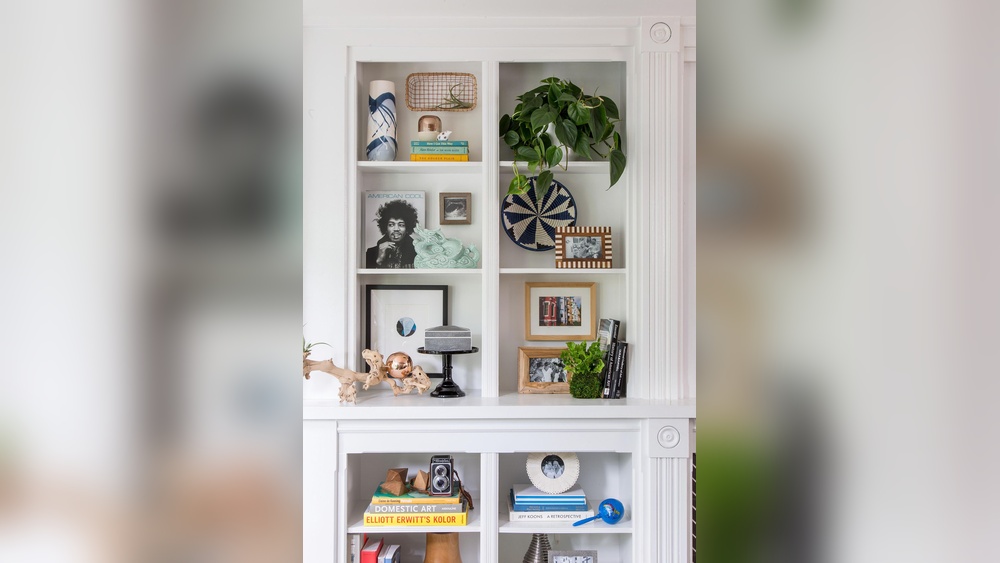
Place small plants to add a touch of green. Plants bring freshness and a natural feel. Use decorative objects like vases or candles to fill empty spaces. These items add texture and charm without clutter.
Include framed photos or art for a personal touch. Keep decorations balanced but not overcrowded. Leave breathing room so the shelf feels open and neat. This makes your mounted bookshelf a stylish focal point.

Credit: www.reddit.com

Credit: www.wikihow.com
Frequently Asked Questions
How Do I Secure A Bookshelf To Drywall?
Use wall anchors or toggle bolts for drywall. Locate studs with a stud finder. Attach brackets into studs for best support.
What Tools Are Needed To Fix A Bookshelf?
You’ll need a drill, screwdriver, level, stud finder, wall anchors, and screws. These ensure a stable and safe installation.
Can I Fix A Heavy Bookshelf Without Studs?
Yes, use heavy-duty wall anchors or toggle bolts. Ensure anchors support your shelf’s weight to prevent accidents or damage.
How High Should I Mount A Bookshelf On The Wall?
Mount shelves at eye level for easy access and aesthetics. Adjust height based on room use and furniture layout.
Conclusion
Fixing a bookshelf to the wall keeps it safe and steady. Use the right tools and follow simple steps carefully. Secure shelves prevent accidents and protect your books. Take your time to measure and drill correctly. A well-fixed bookshelf looks neat and lasts longer.
This small effort improves your room’s style and safety. Now, enjoy your organized space without worry.