Imagine having a beautiful bookshelf that not only holds your favorite books but also hides your most valuable items in plain sight. Sounds like a dream, right?
You can easily create this clever piece of furniture yourself. Building a bookshelf with concealed storage gives you extra space while keeping your secrets safe. You’ll discover simple steps and practical tips to make your own hidden storage bookshelf. By the end, you’ll have a smart, stylish solution that adds both function and mystery to your home.
Ready to impress yourself and your guests? Let’s get started!
Planning Your Bookshelf
Planning your bookshelf is the first step to a successful project. It helps you organize ideas and avoid mistakes. You will save time and money with a clear plan. Think about the purpose and style you want for your bookshelf. Also, consider how much storage space you need. This section guides you through important points to plan well.
Choosing The Right Materials
Select strong and durable materials for your bookshelf. Wood is a popular choice because it is sturdy and easy to work with. Pine, oak, or plywood are good options. Consider the finish and color that match your room. Choose materials that can hold the weight of books and other items. Also, think about the hidden storage parts; they need to be strong too. Avoid materials that bend or break easily.
Measuring Your Space
Measure the area where you want to place the bookshelf. Use a tape measure for precise dimensions. Note the height, width, and depth available. Keep some extra space for easy access and ventilation. Check for any obstacles like power outlets or vents. Accurate measurements help you build a bookshelf that fits perfectly. Write down all measurements before you start building.
Designing Concealed Storage
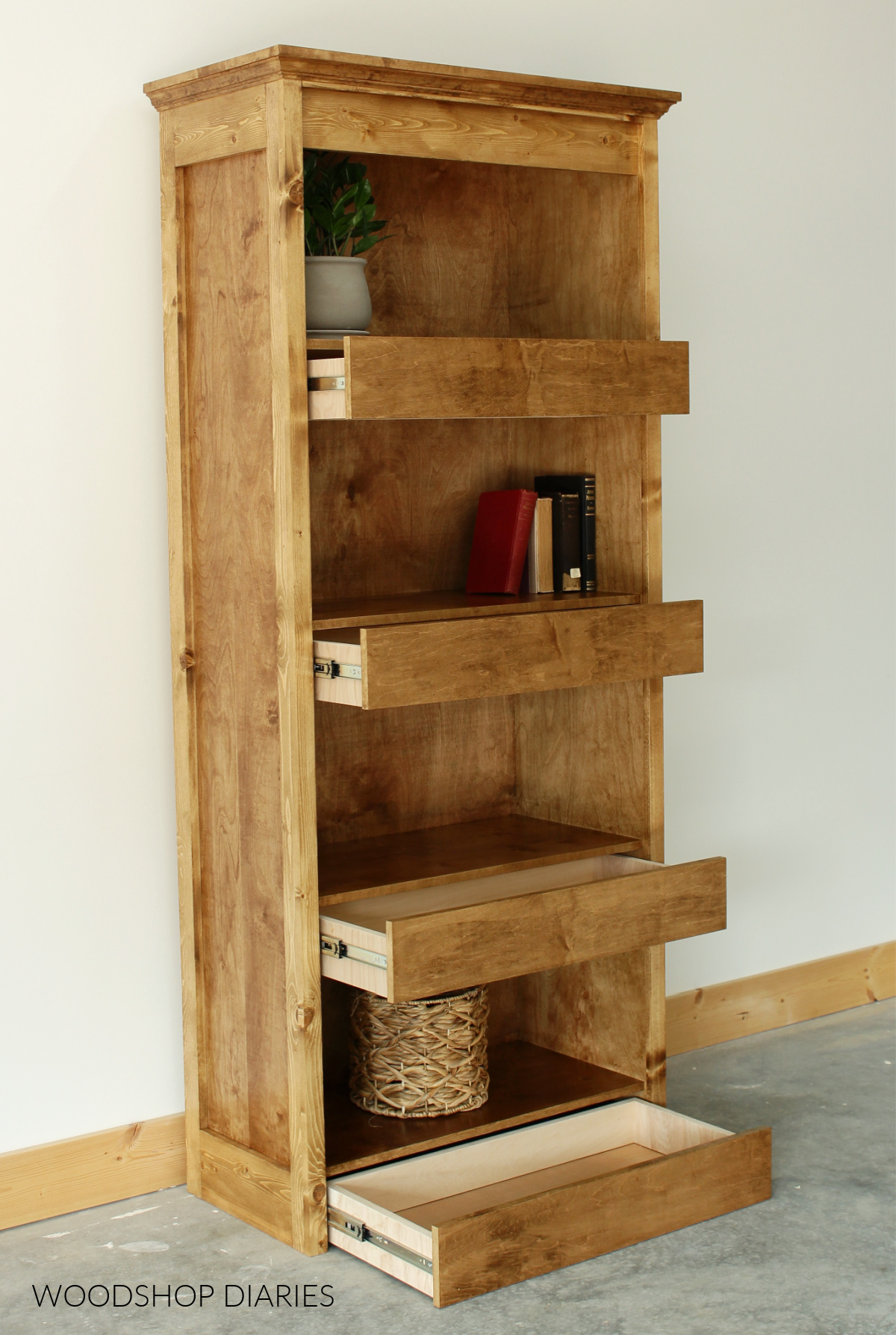
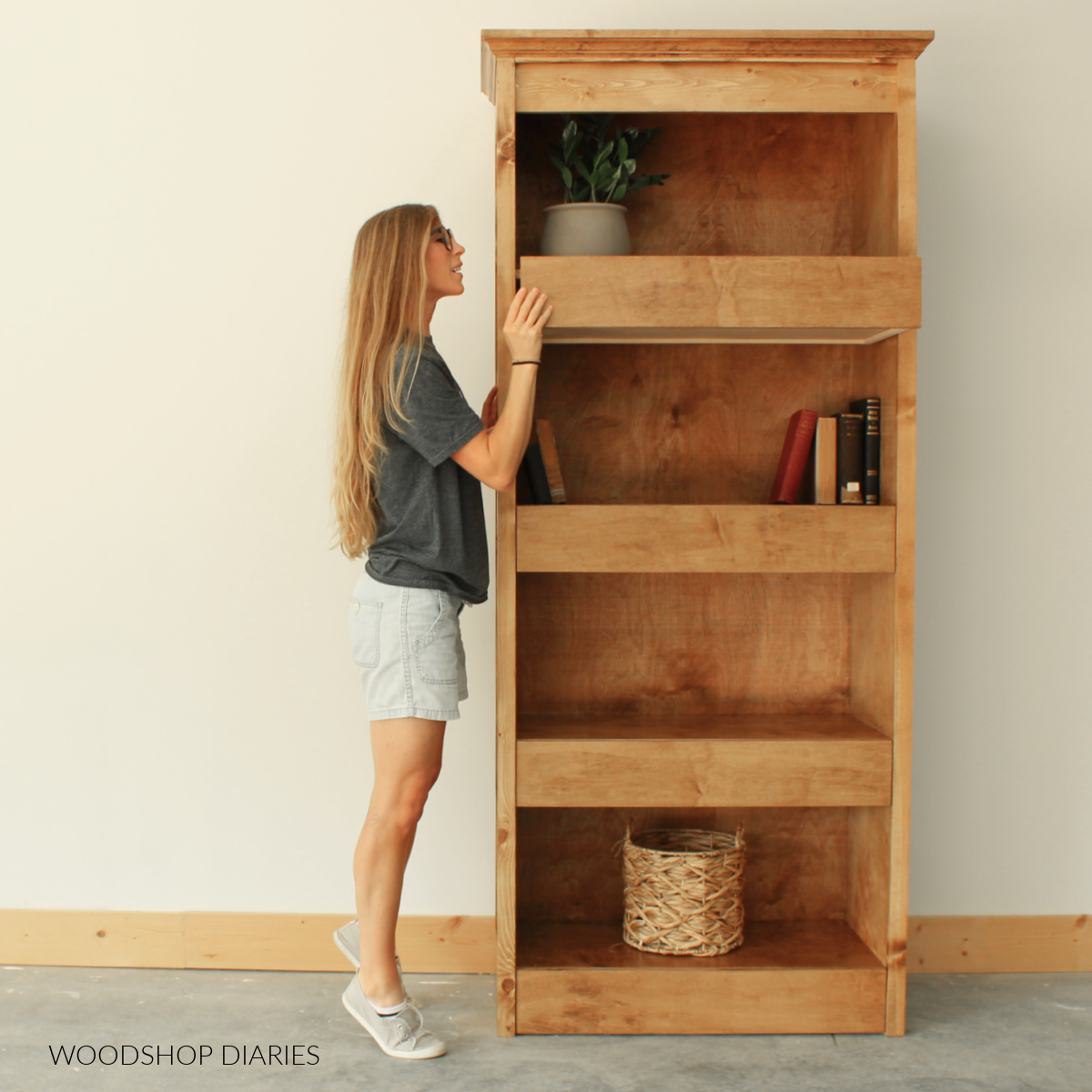
Plan how to hide the storage areas within the bookshelf. Think about shelves that open with a secret latch. Use sliding panels or hidden compartments behind books. Make sure the concealed parts blend well with the rest of the bookshelf. Keep the storage easy to use but not obvious. Sketch your design to visualize how it will look. This will help you build a functional and neat hidden storage.
Credit: www.woodshopdiaries.com
Gathering Tools And Supplies
Gathering the right tools and supplies is the first step to build a bookshelf with hidden storage. Proper preparation saves time and avoids frustration during the project. Each item has a specific role in making the bookshelf sturdy and functional.
Start by organizing your workspace. Clear a flat surface large enough for cutting and assembling wood pieces. Keep safety gear nearby. Safety glasses and gloves protect you from sharp edges and dust.
Essential Tools For The Project
Basic woodworking tools are a must. A circular saw or handsaw helps cut wood to size. A drill with drill bits makes holes for screws and hardware. A screwdriver or power driver fastens screws securely. A tape measure ensures precise measurements. A level checks that surfaces are straight and even. Sandpaper or a sanding block smooths rough edges. Clamps hold pieces steady during assembly.
Selecting Hardware And Fasteners
Choose strong screws and brackets for durability. Wood screws work best for attaching shelves and panels. Concealed hinges hide storage compartments neatly. Magnetic catches keep doors closed without visible latches. Use anchor bolts if mounting the bookshelf to a wall. Pick hardware that matches the bookshelf’s style and finish. Quality fasteners prevent wobbling and keep hidden storage safe.
Cutting And Preparing Wood
Cutting and preparing wood is the first step in building a bookshelf with hidden storage. It ensures all pieces fit perfectly. Careful preparation saves time and makes the assembly smooth. The right cuts also improve the strength and look of your bookshelf.
Start with good measurements and marking. Then use proper cutting tools and techniques. This part needs patience and focus. It helps avoid mistakes and wasted wood.
Marking And Measuring Wood Pieces
Use a tape measure for accurate dimensions. Mark each piece clearly with a pencil. Double-check measurements before cutting. Mark lines straight and visible on the wood. Keep marks small but clear. Label each piece to avoid confusion later.
Measure twice to cut once. This old rule is very important. It reduces errors and saves wood. Use a square tool to keep lines straight. This step sets a strong base for your project.
Cutting Techniques For Precision
Choose the right saw for your wood type. A circular saw works well for straight cuts. Use a jigsaw for curves or detailed cuts. Always cut slowly and steadily. Follow your pencil lines closely for accuracy.
Clamp the wood down to stop it from moving. Wear safety glasses to protect your eyes. Sand edges after cutting to smooth rough spots. Clean cuts make assembly easier and look better. Good cutting skills build a strong and neat bookshelf.

Credit: www.youtube.com
Assembling The Bookshelf Frame
Assembling the bookshelf frame is the first step in creating your hidden storage unit. A strong frame supports the shelves and keeps the structure stable. Take your time to build a solid base and sides. These parts hold everything together.
Make sure your measurements are exact. A well-built frame makes the next steps easier. Use quality wood and tools. This ensures durability and a neat finish.
Building The Base And Sides
Start by cutting the wood pieces for the base and sides. Use a saw to get clean, straight edges. Sand the surfaces to remove rough spots. This prevents splinters and helps with painting later.
Attach the sides to the base using wood screws or nails. Drill pilot holes first to avoid splitting the wood. Check that the corners form right angles with a square tool. Tighten all connections firmly for a sturdy frame.
Securing Shelves In Place
Mark the spots inside the frame where shelves will go. Use a level to keep shelves straight and even. Attach shelf supports or brackets at the marks. Secure the shelves on top of the supports with screws.
Double-check that each shelf is steady before adding weight. Proper shelf placement helps balance the bookshelf. This step is key for safety and function.
Creating The Concealed Storage
Creating concealed storage in your bookshelf adds a special touch. It makes your furniture more useful and fun. You can hide valuables or keep things out of sight. The process needs careful planning and smart design. Focus on how to blend storage with style. Keep the secret space easy to use but hard to notice.
Designing Hidden Compartments
Start by deciding the size of your hidden compartments. Think about what items you want to store. Small valuables need smaller spaces; larger objects need bigger ones. Plan compartments behind shelves or inside the bookshelf frame. Use wood panels that match the bookshelf’s color. This keeps compartments secret and clean-looking. Add dividers inside compartments to organize items better.
Installing Secret Doors Or Panels
Choose panels that blend with the bookshelf’s design. Hinged doors work well for easy access. Use magnetic or hidden latches to keep doors closed. Sliding panels add a smooth, secret opening method. Make sure doors open quietly and smoothly. Test the mechanism several times before finishing. Paint or stain doors to match the rest of the bookshelf. This hides the secret doors in plain sight.
Finishing Touches
Finishing touches give your bookshelf a polished, professional look. They protect the wood and enhance its beauty. Careful finishing creates a smooth surface and adds personality. These final steps make your bookshelf stand out and last longer.
Sanding And Smoothing Surfaces
Start by sanding all wood surfaces with fine-grit sandpaper. This removes rough spots and splinters. Sand along the grain for the best result. Wipe away dust with a damp cloth before moving on. Smooth surfaces help paint or stain stick well.
Applying Paint Or Stain
Choose paint or stain based on your style and wood type. Apply thin, even coats using a brush or cloth. Allow each coat to dry fully before adding another. Paint gives color and covers flaws. Stain enhances natural wood patterns and adds warmth.
Adding Decorative Elements
Decorative touches personalize your bookshelf and hidden storage. Consider adding trim, molding, or small knobs. These details improve appearance and function. Use simple designs that match your room’s style. Small changes create a big impact.
Maintaining Your Bookshelf
Maintaining your bookshelf is key to keeping it strong and looking good. A well-kept bookshelf lasts longer and keeps your hidden storage safe. Regular care prevents damage and keeps everything neat. Simple steps help protect your investment and make your space tidy.
Cleaning Tips
Dust your bookshelf often to stop dirt buildup. Use a soft cloth or duster to clean all surfaces. Avoid wet cloths that can damage wood or paint. Clean hidden storage areas carefully to avoid moisture. Wipe spills immediately to prevent stains. Keep books and items dust-free by arranging them neatly.
Checking For Wear And Tear
Look for loose screws or nails regularly. Tighten them to keep the shelf stable. Check wood for cracks or splits that could worsen. Inspect hinges and locks on the concealed storage. Fix any damage quickly to avoid bigger problems. Watch for signs of water damage or pests. Early fixes save time and money.
Credit: www.woodshopdiaries.com
Frequently Asked Questions
How Do I Design A Bookshelf With Hidden Storage?
Start by planning dimensions and storage space. Use removable panels or hidden compartments. Ensure sturdy construction for both bookshelf and concealed area. Incorporate seamless access points like sliding shelves or secret doors. Choose materials that blend well with your room’s decor.
What Tools Are Needed To Build A Concealed Bookshelf?
You’ll need basic carpentry tools: saw, drill, measuring tape, screwdriver, and clamps. Sandpaper and wood glue help with finishing. A level ensures straight shelves. Optional tools include hinges and magnetic catches for hidden compartments. Safety gear is essential during construction.
How Can I Secure The Hidden Storage Area?
Use magnetic locks or concealed latches for secure access. Avoid obvious handles or knobs. Position the storage behind movable shelves or false backs. Reinforce with strong materials to protect valuables. Ensure the mechanism is easy to operate but not noticeable.
What Materials Work Best For A Concealed Bookshelf?
Solid wood or plywood offers strength and durability. MDF can be used for painted finishes. Choose materials that match your room’s style. Use quality hinges and hardware for durability. Consider lightweight materials if the shelf needs to be movable.
Conclusion
Building a bookshelf with hidden storage adds style and function to any room. You create extra space to keep items out of sight. The steps are simple and easy to follow. This project saves money and looks great. Try it yourself and enjoy the neat, organized space.
Small changes make a big difference in your home. Keep practicing, and your skills will improve fast. A hidden storage bookshelf is both smart and practical.