Have you ever wondered how many books you can fit on a bookshelf using a simple recipe or formula? Whether you’re organizing your home library or just trying to make the most of your space, knowing the exact number can save you time and effort.
You’ll discover an easy way to calculate how many books your bookshelf can hold. Stick with me, and by the end, you’ll have a clear, practical method to keep your collection neat and perfectly arranged. Ready to unlock the secret?
Let’s dive in!
Bookshelf Recipe Basics
Bookshelf recipes are simple guides to build your own bookshelf. They show you what you need and how to put it together. Understanding the basics helps you make a sturdy and neat shelf. Let’s look at the core parts and tools needed for this project.
Core Ingredients Needed
Wood boards are the main part of any bookshelf. Choose boards that fit your space and style. Screws hold the boards together. Pick the right size for strong support. Wood glue adds extra strength at the joints. Sandpaper smooths rough edges for a clean finish. Paint or stain protects wood and adds color. These ingredients come together to make your shelf durable and pretty.
Essential Tools For Assembly
A drill makes holes for screws fast and easy. A screwdriver tightens screws securely. A measuring tape helps keep things even and straight. A level checks if your shelf is balanced. Clamps hold pieces in place while glue dries. Safety gear like gloves and goggles protects you. Using these tools makes the building process simple and safe.
Step-by-step Assembly
Building a bookshelf is a simple and satisfying project. This step-by-step guide helps you put together your bookshelf recipe. Follow each step carefully to ensure a strong and neat bookshelf. No special skills needed. Just a bit of patience and tools.
Preparing The Workspace
Clear a large area to work comfortably. Make sure the floor is clean and flat. Gather all tools and materials before starting. Measure twice to avoid mistakes. Organize screws, boards, and brackets for easy reach.
Building The Frame
Start by assembling the sides of the bookshelf. Attach the top and bottom panels to the sides. Use screws or nails to secure them tightly. Check that the frame is square using a carpenter’s square. Tighten all connections to keep the frame sturdy.
Adding Shelves
Decide the height for each shelf before attaching. Mark the spots on the inside of the frame. Use shelf supports or brackets to hold the shelves. Fix the shelves in place with screws. Make sure each shelf sits level and firm.
Finishing Touches
Sand all surfaces to smooth rough edges. Fill any holes or gaps with wood filler. Paint or stain the bookshelf to protect the wood. Let the finish dry completely before use. Add rubber pads under the legs to protect floors.
Calculating Book Capacity
Calculating how many books fit on a bookshelf is simple with the right steps. It helps to know your shelf size and the average book size. This way, you can estimate your shelf’s book capacity. Understanding this keeps your bookshelf neat and organized.
Measuring Shelf Dimensions
Start by measuring the width of your bookshelf shelf. Use a tape measure for accuracy. Note the height and depth too, but width is most important. Write down these numbers in inches or centimeters. These numbers tell you the total space available for books.
Average Book Size Estimates
Most books are about one inch thick. Paperbacks might be thinner, around 0.5 to 0.75 inches. Hardcovers can be thicker, sometimes 1.5 inches. Use an average thickness of one inch for a rough count. This estimate helps predict how many books fit side by side.
Maximizing Storage Space
Place books tightly without gaps to use space well. Arrange books by height to keep the shelf balanced. Consider stacking some books horizontally to fill gaps. Adding extra shelves can increase your storage. Use shelf dividers to keep books upright and neat.
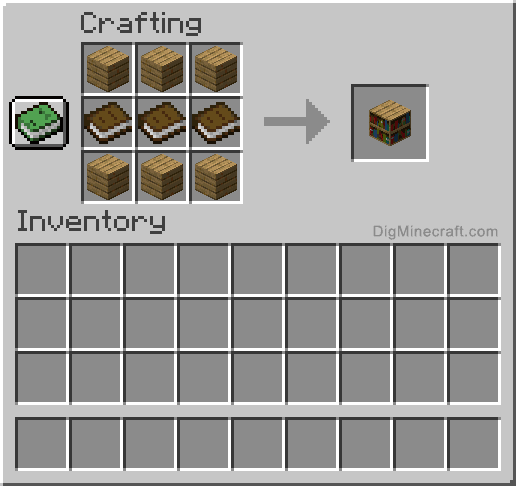
Credit: www.digminecraft.com
Customizing Your Bookshelf
Customizing your bookshelf lets you create a space that fits your needs perfectly. It is not just about storing books but also about showing your style. Small changes can make a big difference in how your bookshelf looks and works.
Adjustable Shelves
Adjustable shelves allow you to change the height between each shelf. This feature helps store books of different sizes. It also lets you add decorative items like plants or photos. You can rearrange shelves anytime to fit new books or objects.
Decorative Elements
Add decorative elements to make your bookshelf stand out. Use colorful backs, wallpaper, or paint inside the shelves. Adding LED lights can highlight your favorite books. Small decorations like vases or figurines create a personal touch.
Material Choices
Choose materials that match your room’s style and durability needs. Wood offers a warm, classic look and lasts long. Metal gives a modern, industrial feel and is very strong. You can also find bookshelves made from plastic or glass for a lighter look.
Maintenance Tips
Maintaining your Bookshelf Recipe is key to keeping it functional and attractive. Proper care helps extend its life and keeps your books safe. Simple steps can prevent damage and keep the shelf looking new.
Cleaning Techniques
Dust your bookshelf regularly with a soft cloth. Avoid harsh chemicals that can damage the finish. A damp cloth with mild soap works well for sticky spots. Dry the surface immediately to prevent water marks. Clean shelves gently to avoid loosening joints or screws.
Preventing Wear And Tear
Place your bookshelf away from direct sunlight to avoid fading. Keep it in a dry area to prevent warping or mold. Avoid overloading shelves to stop bending or breaking. Use furniture pads under the legs to protect floors and keep the shelf stable. Tighten screws and bolts periodically to maintain strength.

Credit: www.amazon.com
Credit: www.keenesentinel.com
Frequently Asked Questions
How Many Books Fit In A Standard Bookshelf Recipe?
A standard bookshelf recipe typically fits 20 to 30 books. It varies by book size and shelf dimensions. Compact paperbacks allow more books, while larger hardcovers reduce capacity. Measure your shelf space to estimate exact numbers accurately.
What Factors Affect The Number Of Books On A Bookshelf?
Book size, shelf length, and shelf height affect capacity. The thickness of books also impacts how many fit. Adjustable shelves can optimize space. Organizing books by size helps maximize storage and keeps the bookshelf neat.
Can I Increase Bookshelves’ Capacity With Recipe Tips?
Yes, using recipe tips like vertical stacking and double rows helps. Removing dust jackets reduces space too. Adjust shelf height for taller books. These strategies effectively increase how many books your bookshelf can hold.
Are Bookshelf Recipes Suitable For All Book Types?
Bookshelf recipes work best for standard-sized books. Oversized art books or large textbooks may not fit well. Customize shelf size and recipe guidelines based on your book collection for best results.
Conclusion
Bookshelf recipes show how many books fit on shelves. Shelf size and book size matter most. Counting books helps organize and plan space well. You can find the right shelf for your needs. Bookshelves keep your books neat and easy to find.
Simple math makes storing books easier than it seems. Try measuring your shelf and books before buying. This way, you avoid clutter and wasted space. Enjoy a tidy, well-arranged bookshelf every time.
