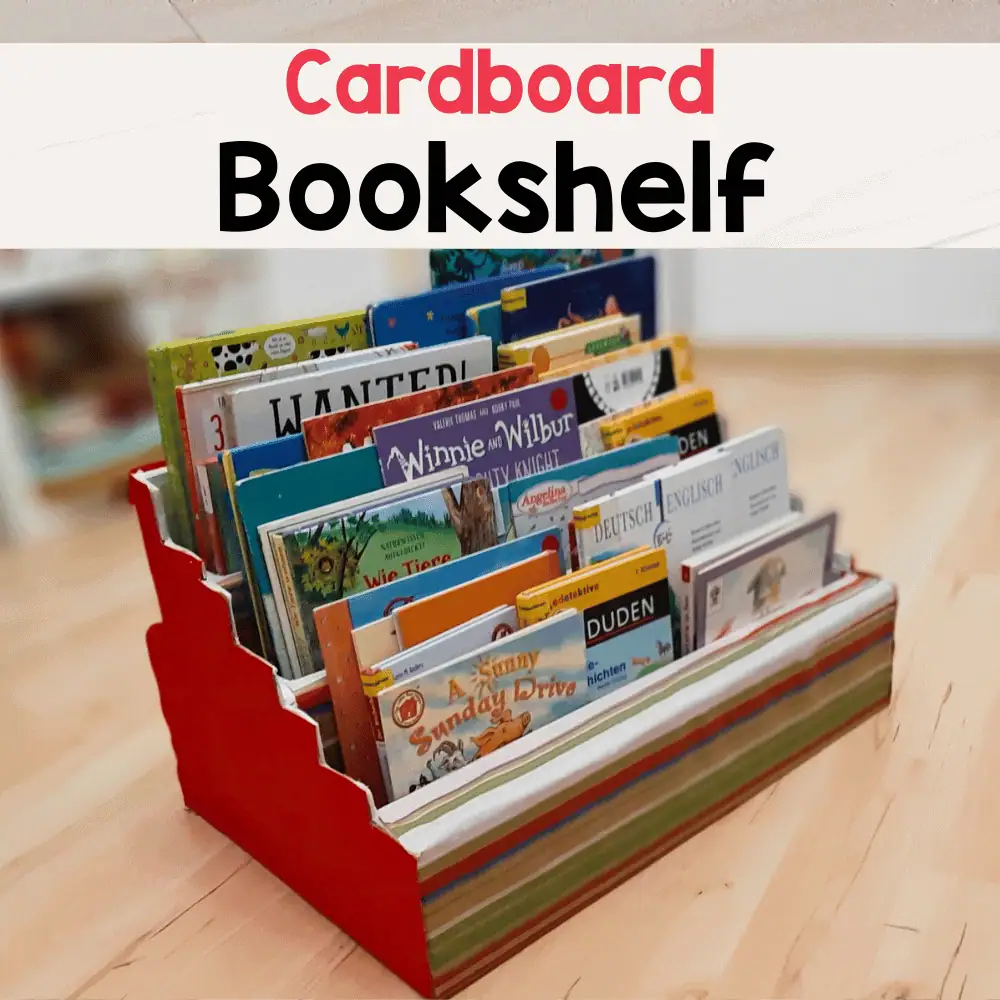
Are you looking for a simple, affordable way to organize your books? Building a cardboard bookshelf might be just what you need.
It’s easy, eco-friendly, and lets you customize the size and style to fit your space perfectly. Imagine having a sturdy shelf made from materials you already have at home—saving money and adding a personal touch to your room. Keep reading, and you’ll discover step-by-step how to create your own cardboard bookshelf that looks great and holds all your favorite reads.
Materials Needed
Building a cardboard bookshelf needs the right materials. Choosing the best cardboard and tools makes the process smooth. It also helps your bookshelf stay strong and last long. Gather everything before you start to save time and avoid mistakes.
Choosing The Right Cardboard
Pick thick, sturdy cardboard for your bookshelf. Double-wall or triple-wall cardboard works best. It supports more weight and keeps shelves from bending. Avoid thin or soft cardboard. Check for clean, flat pieces without tears or holes. Large sheets help build bigger shelves with fewer joints.
Additional Tools And Supplies
You need a sharp utility knife or box cutter for clean cuts. A metal ruler or straight edge helps guide your cuts. Use strong glue like hot glue or wood glue to hold pieces firmly. Masking tape or packing tape can add extra support during assembly. Sandpaper smooths rough edges for a neat finish. A pencil and measuring tape help mark precise dimensions.

Credit: www.youtube.com
Planning Your Bookshelf
Planning your cardboard bookshelf is the first step to a successful project. It helps you save time and materials. Careful planning ensures the bookshelf fits your space and holds your books well. Take time to think about size, shape, and design before cutting any cardboard.
Measuring And Designing
Measure the area where the bookshelf will go. Note the height, width, and depth available. Use a tape measure for accuracy. Draw a simple sketch of the bookshelf. Mark the number of shelves you want. Think about how many books you want to store. Plan for extra space between shelves for larger books or decorations. Keep the design simple for easier assembly.
Deciding Shelf Dimensions
Choose shelf height based on the size of your books. Standard books need about 10 to 12 inches of height. Make shelves wider if you want to store large books or magazines. The depth should be enough to hold books without them falling. Usually, 8 to 12 inches of depth works well. Leave space between shelves for easy access. Balance shelf size with cardboard strength to avoid bending.
Cutting The Cardboard
Cutting the cardboard is a key step in building your bookshelf. It shapes the pieces that will hold your books. Accurate cuts make the structure strong and neat. Take your time to prepare well.
Good cutting starts with clear marks and careful handling. Use sharp tools and steady hands to avoid mistakes. Safety is very important to prevent injuries.
Marking Cut Lines
Use a ruler to measure the cardboard pieces. Draw straight lines with a pencil for clean cuts. Double-check the measurements before cutting. Clear lines guide your blade and keep cuts even.
Mark all edges that need cutting. This helps avoid confusion during the process. Use light strokes first, then darken the lines if needed. Precision here saves time later.
Safe Cutting Techniques
Cut on a flat, stable surface to keep control. Use a sharp utility knife for clean edges. Replace dull blades to avoid tearing the cardboard.
Hold the knife firmly and cut slowly along the marked lines. Keep your fingers away from the blade path. Use a cutting mat or thick scrap cardboard underneath.
Take breaks if your hand gets tired. Stay focused to prevent slips and accidents. Safety ensures your project goes smoothly and injury-free.
Assembling The Frame
Assembling the frame is the key step in building a sturdy cardboard bookshelf. This stage creates the main structure that holds everything together. A strong frame ensures your shelf can carry the weight of your books safely.
Focus on precise cuts and careful assembly. Take time to align pieces correctly. This will make the entire bookshelf stable and long-lasting.
Creating The Base And Sides
Start by cutting the base from thick cardboard. Make sure it is wide enough to support the shelves above. Cut two side panels of equal height to match the base length.
Attach the sides to the base using a strong adhesive or glue. Hold pieces firmly until dry. Check the corners to keep them at right angles. This forms the basic box shape of your frame.
Reinforcing Joints
Joints are the weakest points in the frame. Strengthen them with extra strips of cardboard. Glue these strips along the edges where two pieces meet.
Press the reinforcements firmly in place. Let glue dry completely before moving on. This step adds durability and keeps your bookshelf from wobbling.
Adding Shelves
Adding shelves is a key step in building your cardboard bookshelf. Proper shelves hold your books and keep the structure strong. This part takes care and attention to detail.
Start by planning where each shelf will sit. The shelves must be level and spaced well for your books.
Positioning Shelf Supports
Measure the height for each shelf carefully. Mark the spots on the inside walls of your bookshelf. Use a pencil for light marks that you can erase later.
Cut small strips of cardboard to act as shelf supports. These strips should be thick enough to hold weight but fit snugly inside the shelf space.
Attach the supports at your marks. Make sure they are straight and even. This keeps the shelves from tilting or falling.
Securing The Shelves
Cut your shelf boards from strong cardboard. Check they fit well between the supports without too much pressure.
Place each shelf board on the supports gently. Press down slightly to set it in place.
Use glue or tape under the shelves to keep them steady. Add extra support under heavy loads if needed.
Let the glue dry fully before placing books. This step ensures your shelves stay firm and safe.
Credit: www.littleladoo.com
Strengthening The Structure
Strengthening the structure is key to making a sturdy cardboard bookshelf. Cardboard alone can bend or break under weight. Reinforcing it helps the shelf hold books safely. Use simple tools and materials for the best results. Strong shelves last longer and look better.
Using Glue And Tape
Glue adds strong bonds between cardboard pieces. Apply glue evenly on edges before pressing them together. Hold pieces in place until the glue dries. Use hot glue for quick drying and a firm hold.
Tape supports weak joints and corners. Choose strong packing tape or duct tape. Wrap tape tightly around edges and seams. Tape adds extra grip and stops bending at stress points.
Adding Extra Layers
Extra layers of cardboard increase thickness and strength. Cut cardboard pieces to fit shelf sides and shelves. Glue or tape these layers on top of the base structure.
Stack layers evenly to avoid lumps. More layers help the shelf resist pressure and weight. This simple step makes a big difference in durability.
Finishing Touches
Finishing touches make your cardboard bookshelf look neat and last longer. This step improves safety and style. It also helps protect the cardboard from wear and tear. Let’s explore two key parts of finishing: sanding and decorating.
Sanding And Smoothing Edges
Use fine sandpaper to smooth rough edges. This step prevents cuts and splinters. Sand all corners and surfaces gently. Make sure to remove any loose fibers. A smooth edge also helps paint stick better. Take your time for a clean finish.
Painting And Decorating
Choose paint made for cardboard or paper. Acrylic paint works well and dries fast. Apply thin coats to avoid warping. Let each layer dry before adding the next. Add patterns or colors to match your room. Stickers or washi tape also add style. Decorating makes your bookshelf unique and fun.
Maintaining Your Bookshelf
Maintaining your cardboard bookshelf helps it last longer and look good. Proper care keeps the structure strong and safe for your books. Small habits can prevent damage and wear over time.
Weight Limits
Cardboard shelves have a weight limit. Avoid placing heavy books or objects on them. Distribute weight evenly across all shelves. Too much weight can cause bending or collapse. Check your shelf’s design for recommended limits. Stay within these limits to keep shelves stable.
Cleaning And Care Tips
Dust your bookshelf regularly with a soft cloth. Avoid using water or liquid cleaners. Moisture can weaken the cardboard and cause warping. Use a dry brush to clean hard-to-reach corners. Keep the shelf away from direct sunlight and damp areas. This prevents fading and moisture damage. Handle the bookshelf gently to avoid dents or tears.

Credit: upcyclemystuff.com
Frequently Asked Questions
What Materials Are Needed To Build A Cardboard Bookshelf?
You need sturdy cardboard, a cutting knife, ruler, pencil, glue, and tape. Optional items include paint and decorative paper. These materials ensure a strong and visually appealing bookshelf.
How Long Does It Take To Build A Cardboard Bookshelf?
Building a cardboard bookshelf typically takes 2 to 4 hours. Time varies based on size, complexity, and skill level. Planning and careful cutting speed up the process.
Is A Cardboard Bookshelf Durable For Heavy Books?
Cardboard bookshelves can hold light to medium books. Reinforcing edges and using thick cardboard improves strength. Avoid placing very heavy books to prevent sagging or damage.
Can I Customize The Design Of My Cardboard Bookshelf?
Yes, cardboard is highly customizable. You can paint, decorate, and shape it to fit any style or space. Personalizing your bookshelf adds unique charm to your room.
Conclusion
Building a cardboard bookshelf is a fun and simple project. It saves money and helps the environment. You only need basic materials and easy steps to follow. This DIY bookshelf fits small spaces well. It holds your books neatly and looks creative.
Try different sizes or shapes to suit your style. With a little effort, you get a useful and unique shelf. Start today and enjoy your new cardboard bookshelf!