Are you ready to transform your space with a stylish and practical futon bunk bed metal frame? Whether you want extra sleeping space or a cozy spot to relax, assembling your futon bunk bed can seem tricky at first.
But don’t worry—this guide will walk you through every step, making the process simple and stress-free. By the end, you’ll have a sturdy, comfortable bed ready to use, saving you time and frustration. Let’s dive in and get your futon bunk bed set up perfectly for your home!
Tools And Materials Needed
Gathering the right tools and materials is the first step to build a futon bunk bed metal frame. Having everything ready makes the assembly smooth and fast. You avoid stopping midway to find a missing item. Below are the essential tools and materials you need.
Tools Required
Start with basic hand tools. A screwdriver set is a must. Most futon bunk beds use Phillips head screws. A wrench or socket set will help tighten nuts and bolts. A rubber mallet can gently tap pieces into place without damage. A measuring tape ensures parts align correctly. A level keeps the frame straight and balanced. These tools help avoid mistakes and secure the bed properly.
Materials Included
Your futon bunk bed kit contains metal frame parts. Usually, these include side rails, guardrails, ladder pieces, and support slats. Screws, bolts, washers, and nuts come with the kit for assembly. Check the parts list before starting. Make sure all materials are present and undamaged. Missing pieces cause delays and frustration.
Safety Gear
Wear gloves to protect your hands from sharp edges. Safety glasses keep your eyes safe from dust and small debris. Clear a workspace free of clutter. Good lighting helps you see connections clearly. These simple safety steps prevent injuries and help you build with confidence.
Credit: www.youtube.com
Preparing The Workspace
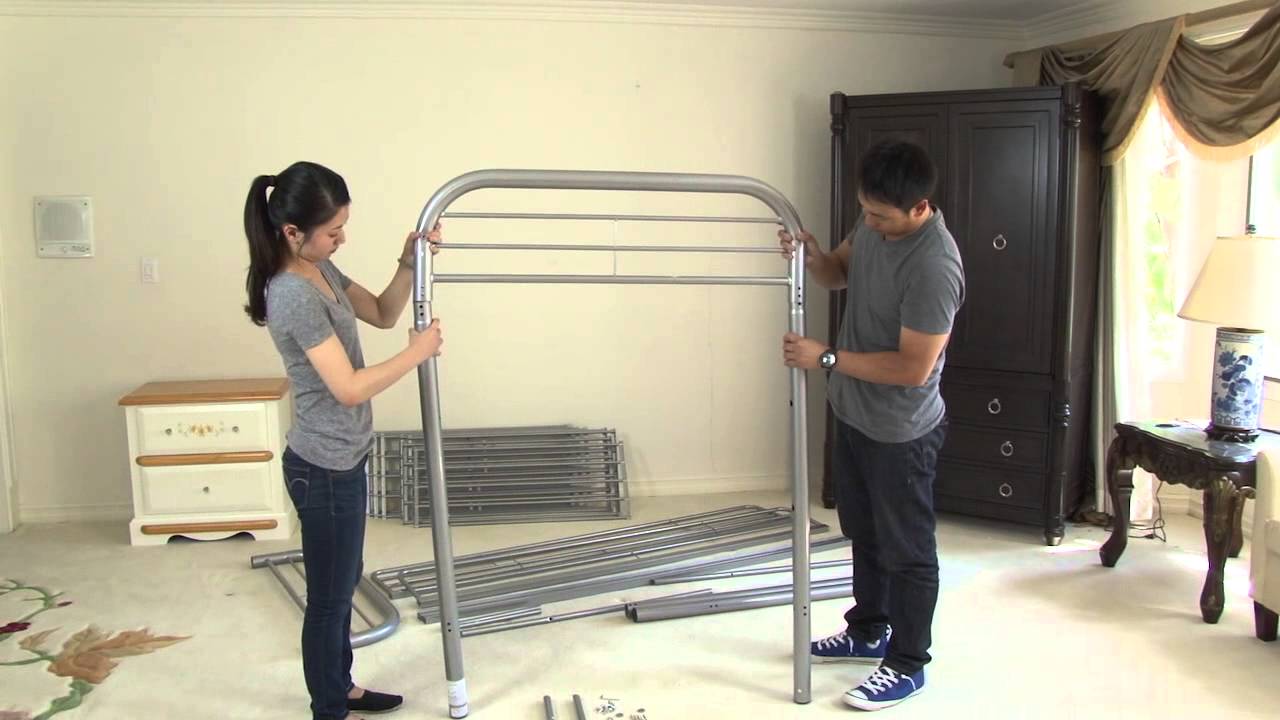
Preparing the workspace is the first step in assembling a futon bunk bed metal. A clean and organized area makes the process easier and safer. It helps keep all parts and tools within reach. This reduces frustration and speeds up assembly.
Choose a spacious spot with enough room to move around. The area should be flat and stable. This prevents the bed from wobbling during assembly. Good lighting is important. It helps you see small parts and read instructions clearly.
Clear The Area
Remove furniture and clutter from the workspace. This creates space for large bed parts. It also stops tripping hazards. Clearing the area makes it easier to lay out the instructions and tools.
Gather All Tools And Parts
Check the instruction manual for needed tools. Common tools include screwdrivers, wrenches, and Allen keys. Collect all bed parts from the box. Lay them out in groups to find items quickly.
Protect The Floor
Place a soft cloth or mat on the floor. This prevents scratches on both the bed and floor. It also cushions parts during assembly. Protecting the floor keeps your space clean and damage-free.
Set Up Lighting
Use bright lamps or natural light. Good lighting reduces eye strain and errors. Position lights to avoid shadows on your work. Clear visibility helps follow instructions accurately.
Unpacking And Organizing Parts
Assembling the frame is the first important step in building your futon bunk bed metal. The frame holds everything together and gives the bed its shape. Taking time to set it up right ensures the bed stays safe and steady.
Follow the instructions carefully. Use the tools provided or basic tools like a wrench or screwdriver. Check all parts before starting to avoid missing pieces. Start with the main parts and work step-by-step.
Connecting The Side Rails
Begin by laying out the side rails on a flat surface. These rails run along the length of the bed. Align the holes on the rails with the slots on the bed posts. Use bolts or screws to fasten the rails tightly. Hand-tighten first, then secure with a wrench. Make sure the rails are straight and level before fully tightening. This step forms the bed’s skeleton.
Attaching The Headboard And Footboard
Next, attach the headboard and footboard to the frame. Position each board at the ends of the side rails. Match the holes and insert bolts or screws. Tighten securely but avoid over-tightening to prevent damage. Check that both boards stand firm and align with the rails. These parts give the bed its vertical support and style.
Assembling The Frame
Installing the support slats is a key step in assembling a futon bunk bed metal frame. These slats hold the mattress and provide strong support. Proper installation ensures safety and comfort. Follow the steps carefully for a stable bed.
Gather The Support Slats And Tools
First, collect all the support slats. Check the package to find them. You will also need a screwdriver and any screws that come with the bed. Having everything ready saves time and avoids confusion.
Position The Slats Correctly
Place the slats evenly across the bed frame. Each slat should rest on the metal ledges or brackets. Space them to cover the mattress area fully. This spreads weight evenly and prevents sagging.
Secure The Slats To The Frame
Use screws to fix the slats in place. Tighten each screw firmly but do not over-tighten. Over-tightening can damage the slats or frame. Check that each slat is secure and does not move.
Check For Stability And Adjust
After installing, press down on the slats gently. Make sure they stay firm and steady. If any slat feels loose, adjust the screws. Proper stability keeps the bunk bed safe to use.
Installing The Support Slats
Securing the futon mechanism is a key step in assembling a futon bunk bed metal frame. It keeps the futon safe and stable during use. Proper securing prevents the bed from moving or collapsing unexpectedly. This process requires careful attention to detail and correct placement of parts.
Take your time to follow the instructions closely. Check each bolt and screw to ensure a tight fit. The futon mechanism must operate smoothly while holding firm in all positions.
Preparing The Futon Frame For Assembly
Start by laying the futon frame on a flat surface. Align the metal parts according to the manual. Make sure the hinge points are clean and free from debris. This preparation helps the mechanism function without sticking or jamming.
Attaching The Hinges And Springs
Connect the hinges to the designated areas on the frame. Use the bolts provided to secure them firmly. Next, hook the springs into place, ensuring they are tight but not overstretched. These parts allow the futon to fold and unfold easily.
Testing The Mechanism’s Movement
After assembly, test the futon by moving it through all positions. Check for smooth motion and strong locking points. Tighten any loose screws to improve stability. The mechanism should lock securely in both bed and sofa modes.

Credit: www.bedbathandbeyond.com
Securing The Futon Mechanism
Attaching the ladder and guardrails is an important step when assembling a futon bunk bed metal frame. These parts keep the bed safe and easy to use. Proper installation prevents accidents and makes climbing easier.
Follow the instructions carefully. Check that you have all screws and tools ready before starting. Securely fastening these pieces ensures the bed is stable and safe.
Attaching The Ladder To The Frame
First, find the ladder and the side of the frame where it fits. Align the ladder with the pre-drilled holes on the bed frame. Use the bolts and screws provided to attach the ladder. Tighten each screw with a wrench or screwdriver until firm. Avoid over-tightening to prevent damage to the metal. Check the ladder is steady by gently shaking it. Adjust if there is any movement.
Installing The Guardrails On The Top Bunk
Locate the guardrails and the top bunk’s side rails. Match the guardrails with the holes on the frame. Use the screws or bolts to fix the guardrails in place. Tighten securely, so the rails do not wobble. The guardrails should cover the entire side of the top bunk. This stops anyone from falling out during sleep. Double-check all fasteners before using the bed.
Attaching The Ladder And Guardrails
After assembling your futon bunk bed metal frame, final adjustments and safety checks are essential. These steps ensure the bed is stable and secure for daily use. Taking time now prevents accidents later and keeps the structure strong.
Carefully review each part of the bed. Check bolts, screws, and joints. Tighten anything loose to stop wobbling. Make sure all pieces fit well together without gaps or misalignment.
Checking For Loose Bolts And Screws
Go over every bolt and screw with a wrench or screwdriver. Tighten them firmly but avoid over-tightening. Loose hardware can cause the bed to shake or fall apart.
Check the bolts on the ladder and guardrails too. These areas face the most pressure. Secure connections here improve overall safety.
Ensuring Proper Alignment Of Bed Parts
Look at the frame from all sides. The bed should stand straight and level. Uneven parts can lead to instability and discomfort.
Adjust the frame by loosening and repositioning parts if needed. Align the futon base so it fits snugly inside the bunk bed frame.
Testing Stability And Weight Support
Press down on different parts of the bed. It should not move or creak. Gently bounce on the futon to check strength.
Test the ladder by climbing it slowly. It must feel solid and safe. Confirm guardrails hold firm to prevent falls.
Final Adjustments And Safety Checks
Maintaining your futon bunk bed metal is key to keeping it strong and safe. Simple care steps help the bed last longer. These tips protect the metal frame and keep it looking good. Small actions prevent big problems later.
Follow these easy guidelines to keep your futon bunk bed in great shape. Regular checks and cleaning make a big difference. Protect your investment with smart maintenance.
Check Bolts And Screws Regularly
Tighten all bolts and screws every month. Loose parts can cause noise and weaken the frame. Use a wrench or screwdriver to secure them. This keeps the bed stable and safe.
Clean The Frame Often
Wipe the metal frame with a damp cloth weekly. Remove dust and dirt to stop rust from forming. Avoid harsh chemicals that can damage the paint. Use mild soap if needed, then dry the frame well.
Protect Against Rust
Inspect the frame for rust spots regularly. Lightly sand any rust and apply metal primer. Use rust-resistant paint to cover the area. Keep the bed away from damp places to avoid rust.
Use Proper Weight Limits
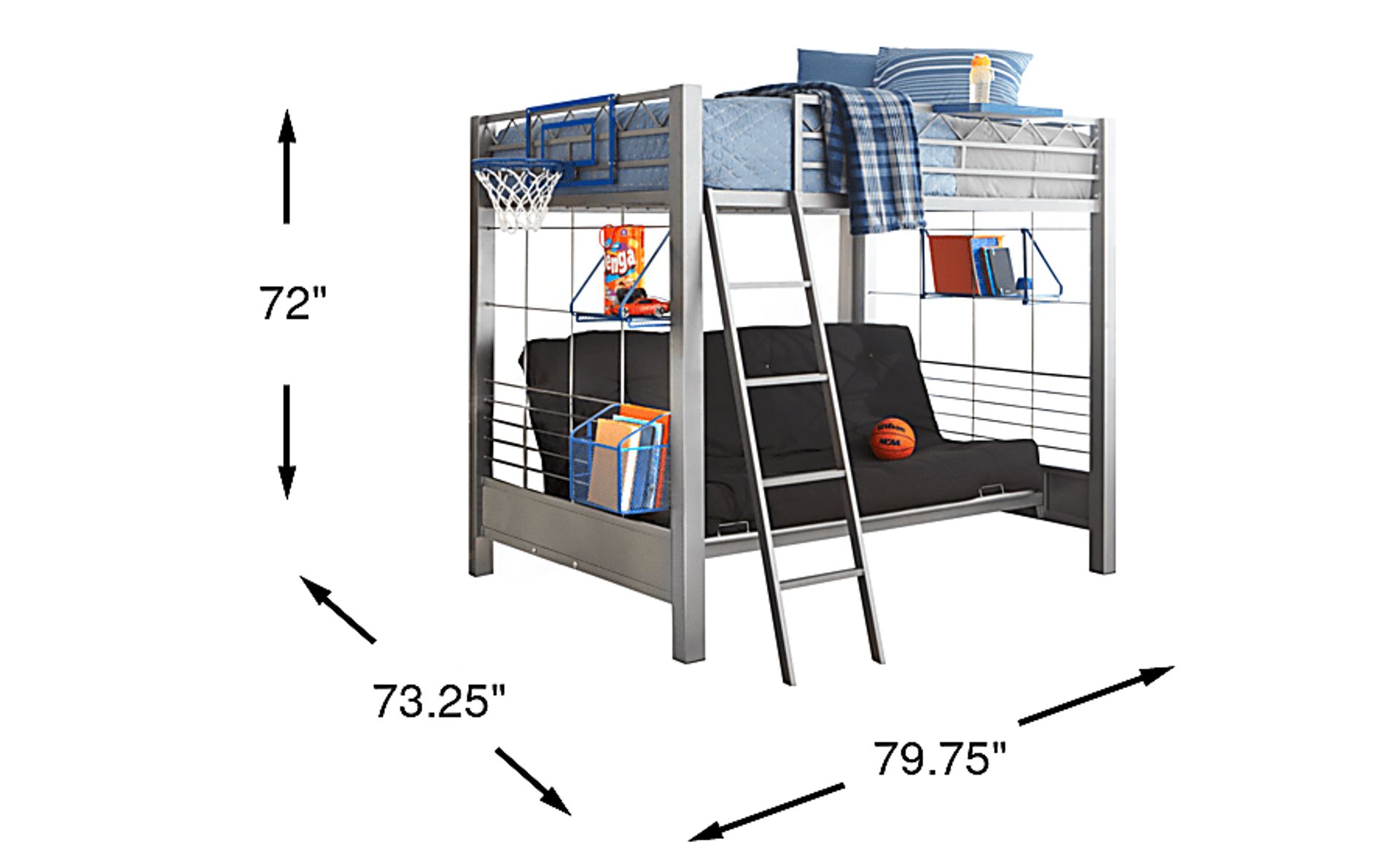
Follow the manufacturer’s weight guidelines. Overloading the bed can bend or break parts. Spread weight evenly on both the top and bottom beds. This helps keep the frame solid and safe.
Rotate Mattress And Futon
Flip and rotate the mattress and futon every few months. This stops uneven wear and sagging. A flat surface supports better sleep and protects the frame. Rotate both top and bottom layers for balance.
Credit: www.roomstogo.com
Frequently Asked Questions
How Long Does It Take To Assemble A Futon Bunk Bed Metal?
Assembly usually takes 1 to 2 hours depending on your experience. Clear space and organized parts speed up the process. Reading instructions thoroughly before starting ensures efficient assembly. Having a second person helps with stability and alignment.
What Tools Are Needed For Futon Bunk Bed Assembly?
Common tools include an Allen wrench, screwdriver, and possibly a wrench. Most futon bunk bed kits come with necessary Allen keys. Additional tools may speed up assembly but check the manual first. Using the correct tools ensures a sturdy and safe build.
How Do I Ensure Safety When Assembling A Metal Futon Bunk Bed?
Tighten all bolts securely and check for loose parts. Follow the weight limits specified by the manufacturer. Use guardrails on the top bunk to prevent falls. Assemble the bed on a flat surface to maintain stability.
Can I Convert A Futon Bunk Bed Metal Into Separate Beds?
Some models allow separation into two beds. Check your product manual to confirm this feature. Conversion may require extra hardware or adjustments. This flexibility adds value and functionality to your futon bunk bed.
Conclusion
Assembling a futon bunk bed metal frame is simple with clear steps. Take your time and follow each instruction carefully. Use the right tools and check every part for safety. Tighten bolts firmly to keep the bed stable. A well-assembled bunk bed saves space and adds comfort.
Enjoy your new furniture and feel proud of your work. This guide helps you create a sturdy, safe sleeping area easily. Now, rest well on your metal futon bunk bed!